Samuel
Fantastic!!!! Very good purchase
Comment from September 13, 2026 — Experience from August 27, 2026
Automatically translated — Show original (Dutch)
Fantastisch !!!! Zeer goede koop
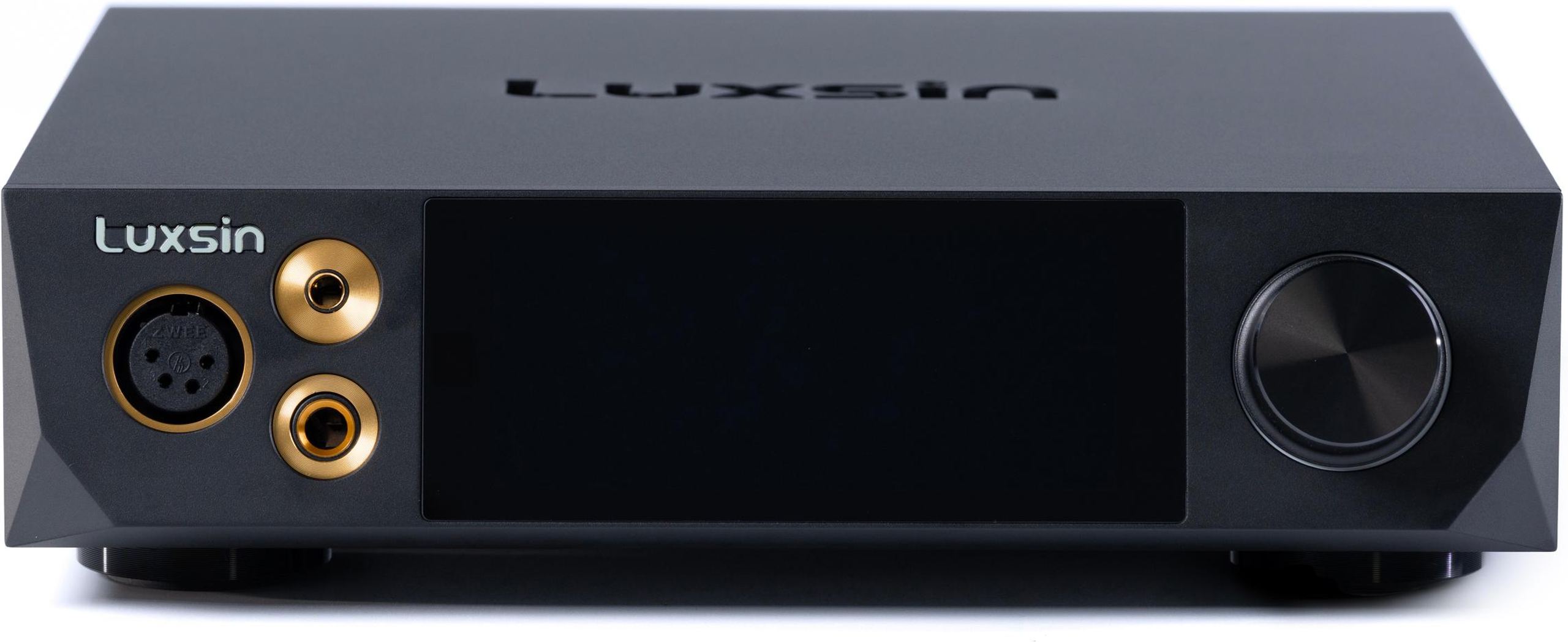
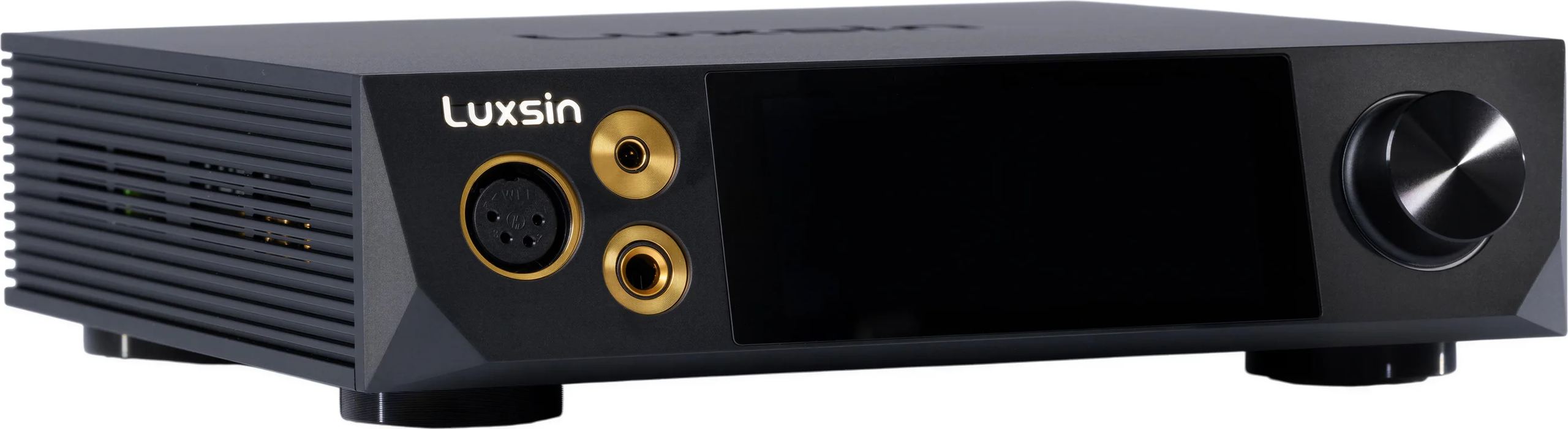
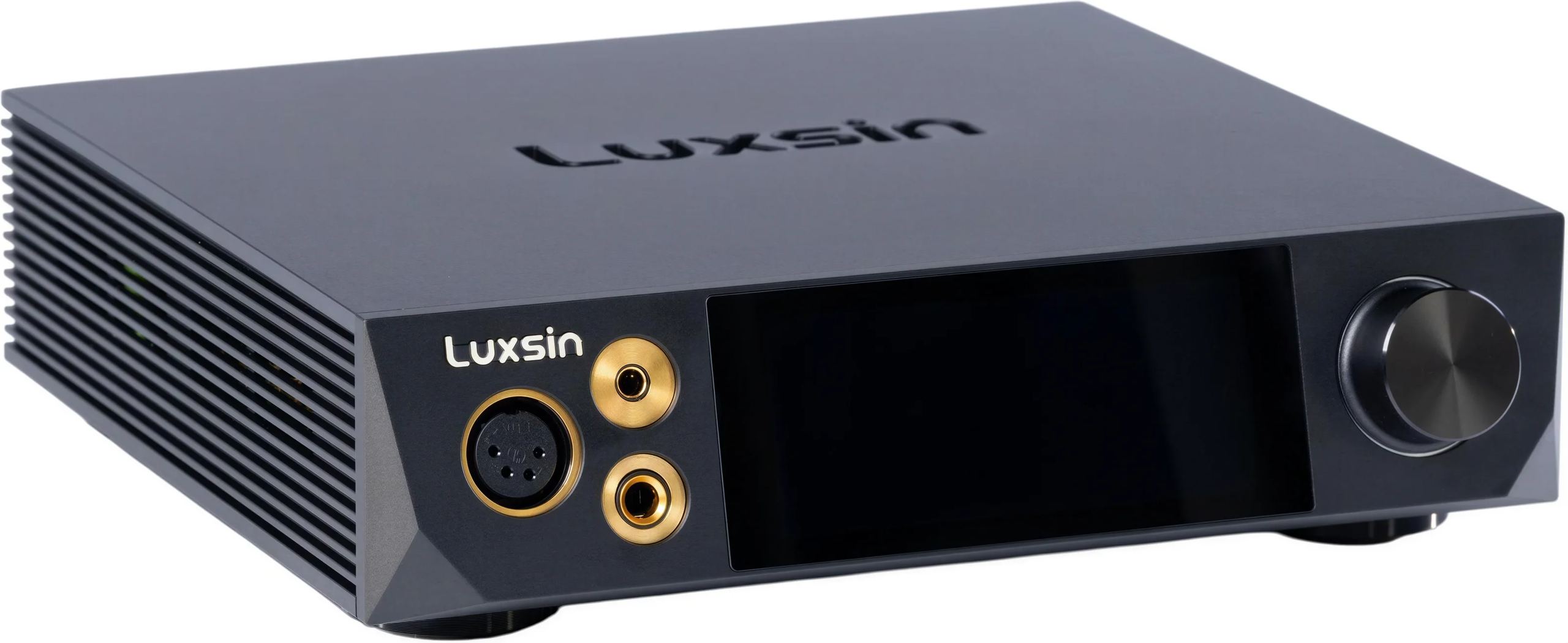
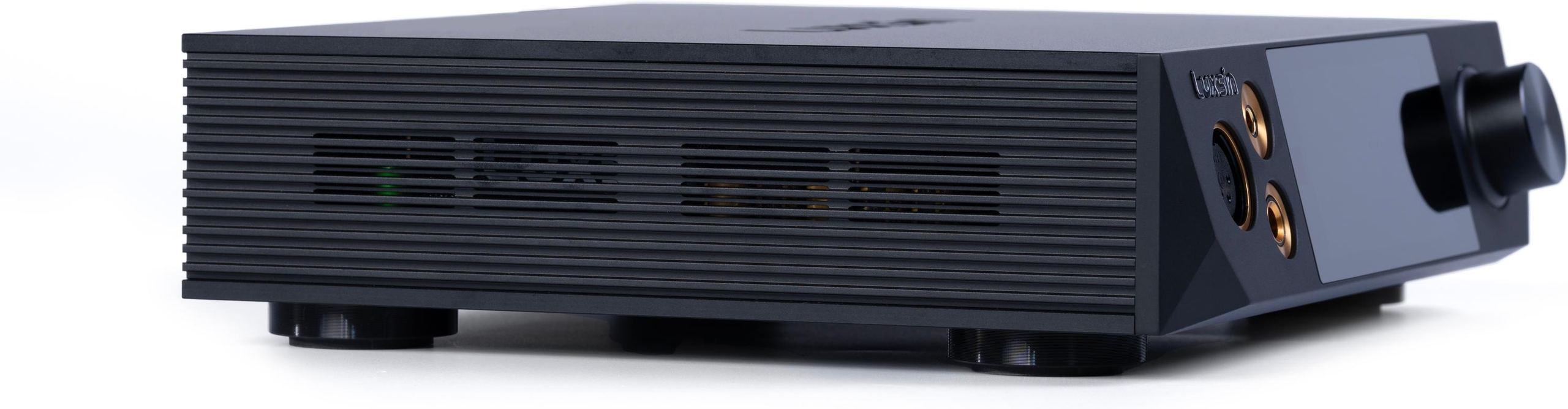
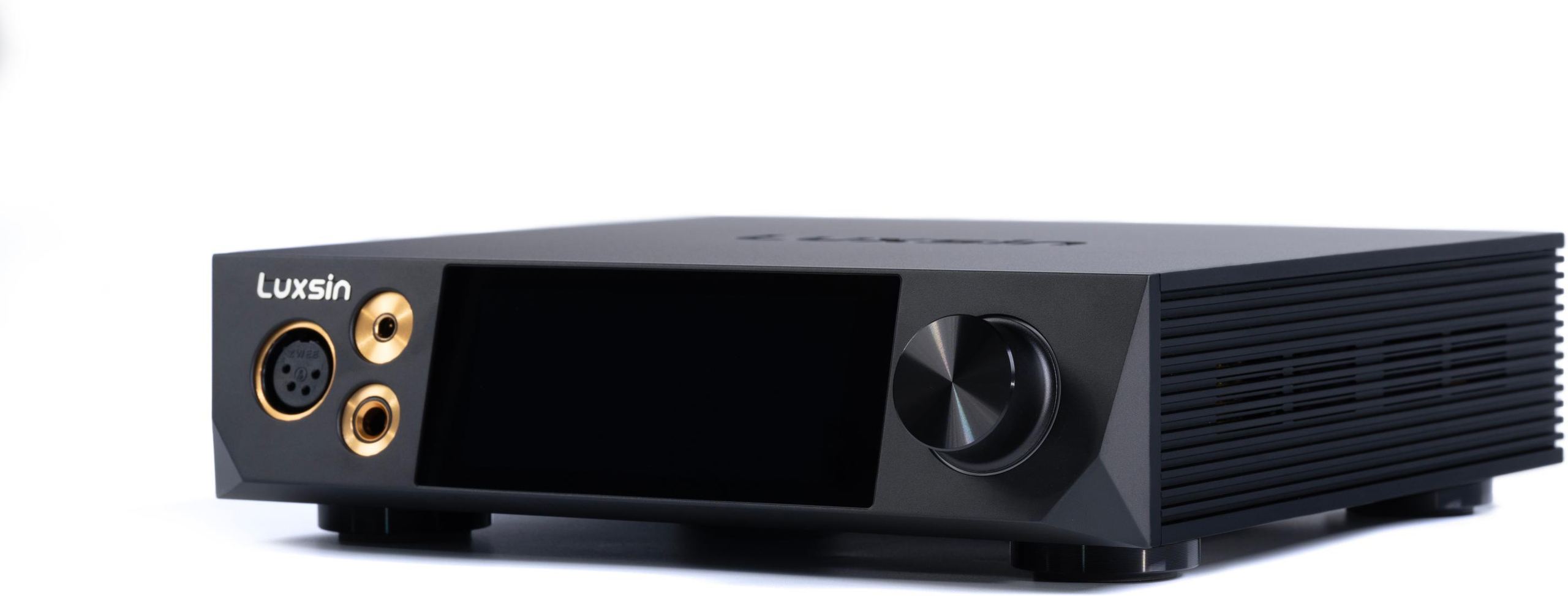


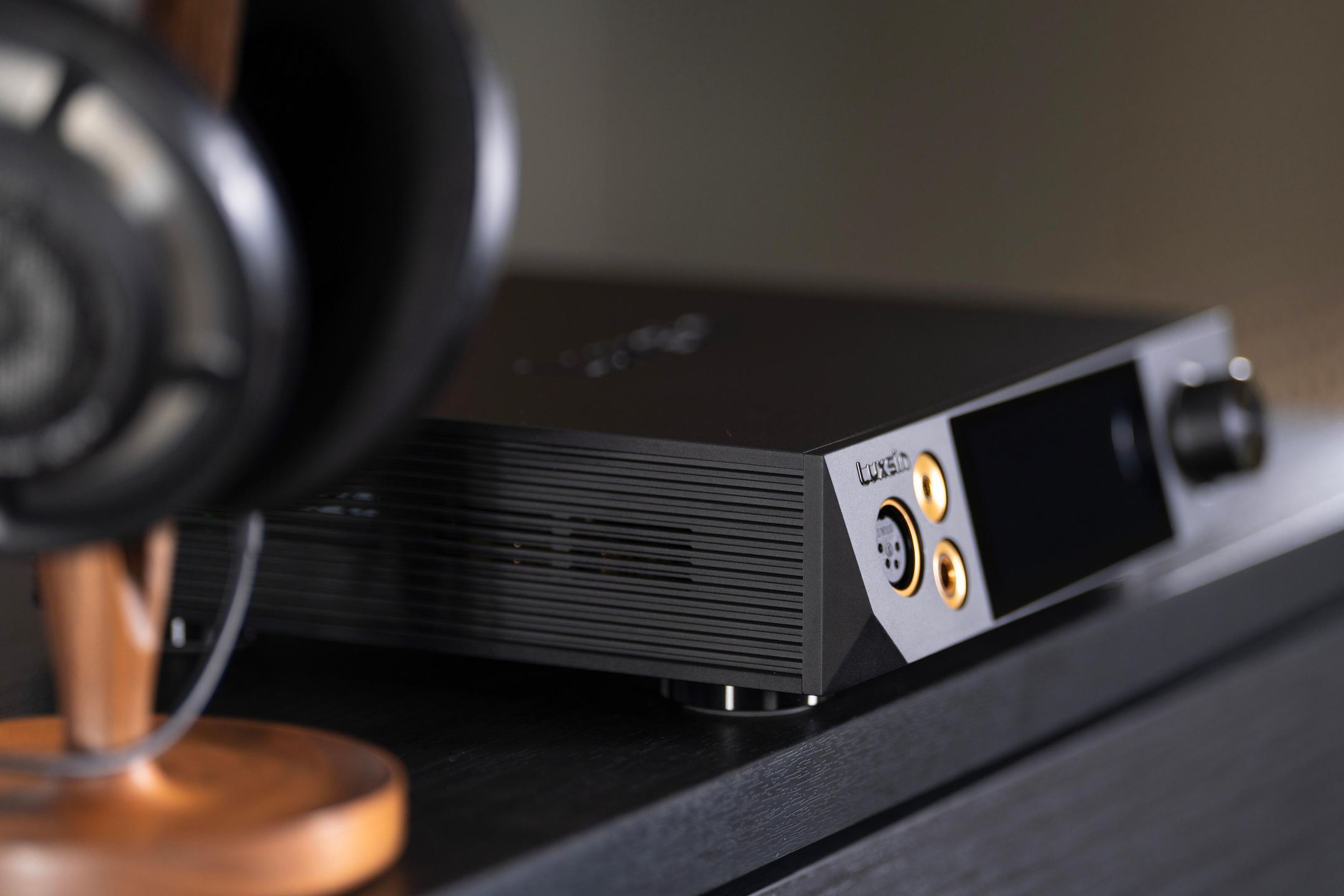
Eight digital-to-analog converters, a dedicated signal processor, and an AI-driven equalizer: the X8 embodies Luxsin Audio’s ambition to merge hardware power and software flexibility into a single device. Released six months after the X9, this DAC/headphone amplifier does not aim to replace its predecessor, but instead offers a distinct philosophy, focused on advanced digital processing and adaptability to each user’s preferences.
At the heart of the X8 are eight Cirrus Logic CS43198 chips operating in a parallel configuration: four converters per channel, each powered and isolated independently. This complete separation between left and right channels minimizes crosstalk, while the precise summation of the parallel analog outputs helps reduce background noise and extend dynamic range.
Each DAC is housed under its own shielding cover. This protection isolates the conversion circuits from high‑frequency interference generated by the digital stages, while also aiding thermal dissipation. A dedicated buffer circuit ensures that all eight converters are synchronized to the same clock domain, a prerequisite for maintaining temporal coherence when playing high‑resolution files. The device accepts PCM streams up to 768 kHz/32‑bit and native DSD512 via its USB‑B/C and IIS inputs.
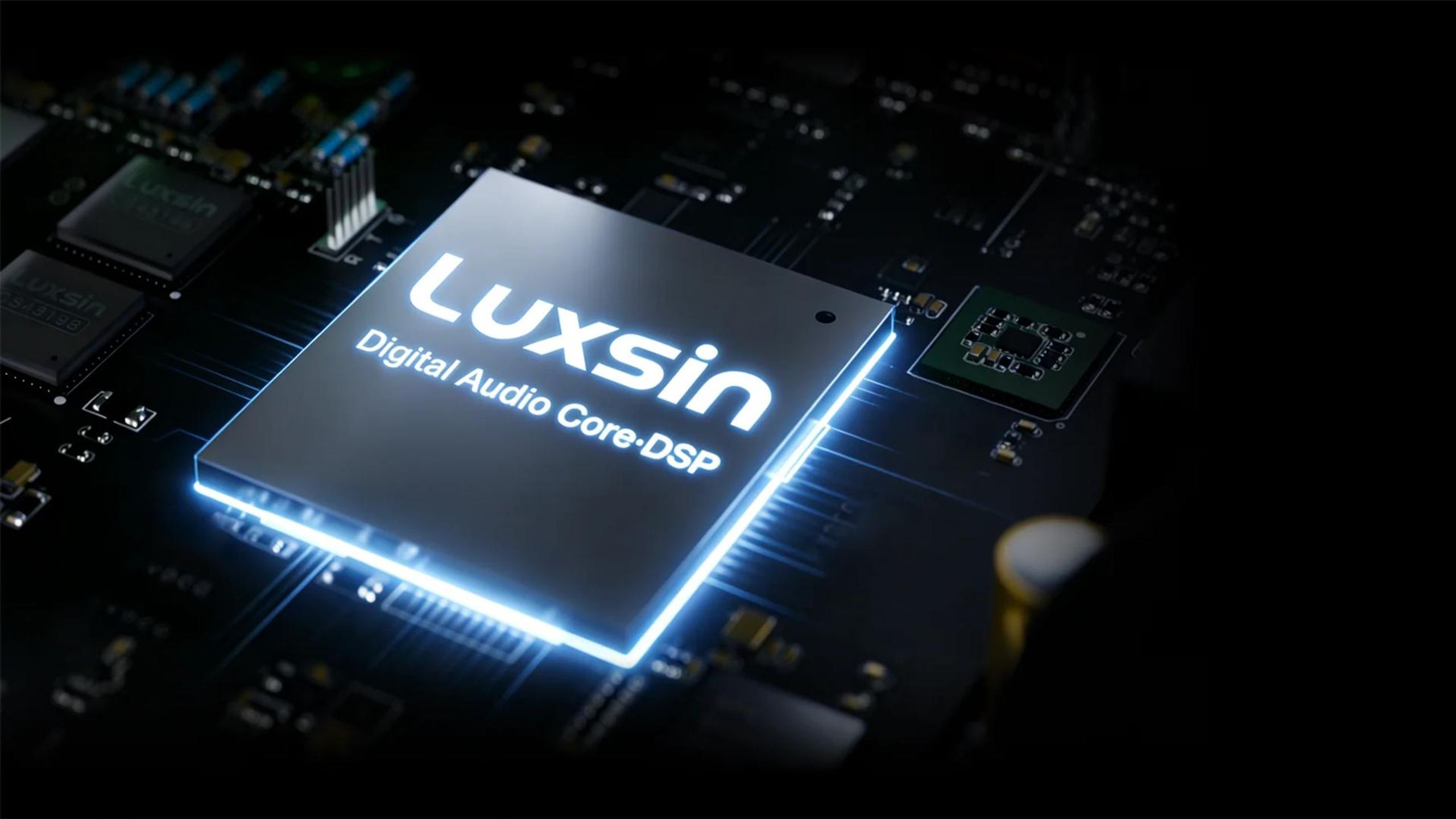
The Digital Audio Core, developed in‑house by Luxsin, is the digital brain of the X8. Built on a dual‑core HiFi‑5 architecture coupled with an ARM STAR core, this DSP module, clocked at over 500 MHz, includes a sufficiently generous integrated SRAM to run complex audio processing algorithms with no perceptible latency.
This processing power is not limited to current functions. Luxsin has designed this platform to be scalable, capable of accommodating new features via firmware updates, including processing based on on‑device artificial intelligence. The unit can be updated online or via the front USB‑A port.
The flagship feature of the X8 is its AI‑assisted parametric equalizer, accessible from the mobile app or the web interface. Instead of adjusting sliders and frequency curves, the user can issue requests in everyday language, either written or spoken. Instructions such as “make the bass warmer” or “reduce sibilance in the treble” are enough for the system to automatically generate the corresponding EQ curves.
This approach does not remove the option to intervene manually: users who prefer to fine‑tune each parameter themselves retain full access to the traditional parametric equalizer. Created profiles can be saved and assigned to each headphone output, allowing you to switch from one headphone model to another without reconfiguration. The system is available in multiple languages.
The X8 includes several complementary DSP functions. Crossfeed simulates loudspeaker listening by subtly blending part of the signal from one channel into the other, thereby reducing fatigue linked to the pronounced stereo separation typical of headphone listening. Stereo width adjustment allows you to modify the presentation of the soundstage, while loudness compensation maintains tonal balance at low volume.
A proprietary HP‑EQ system performs hardware calibration of headphones, offering corrections based on the Harman curve for models listed in its database. These processing options can be activated or deactivated individually.
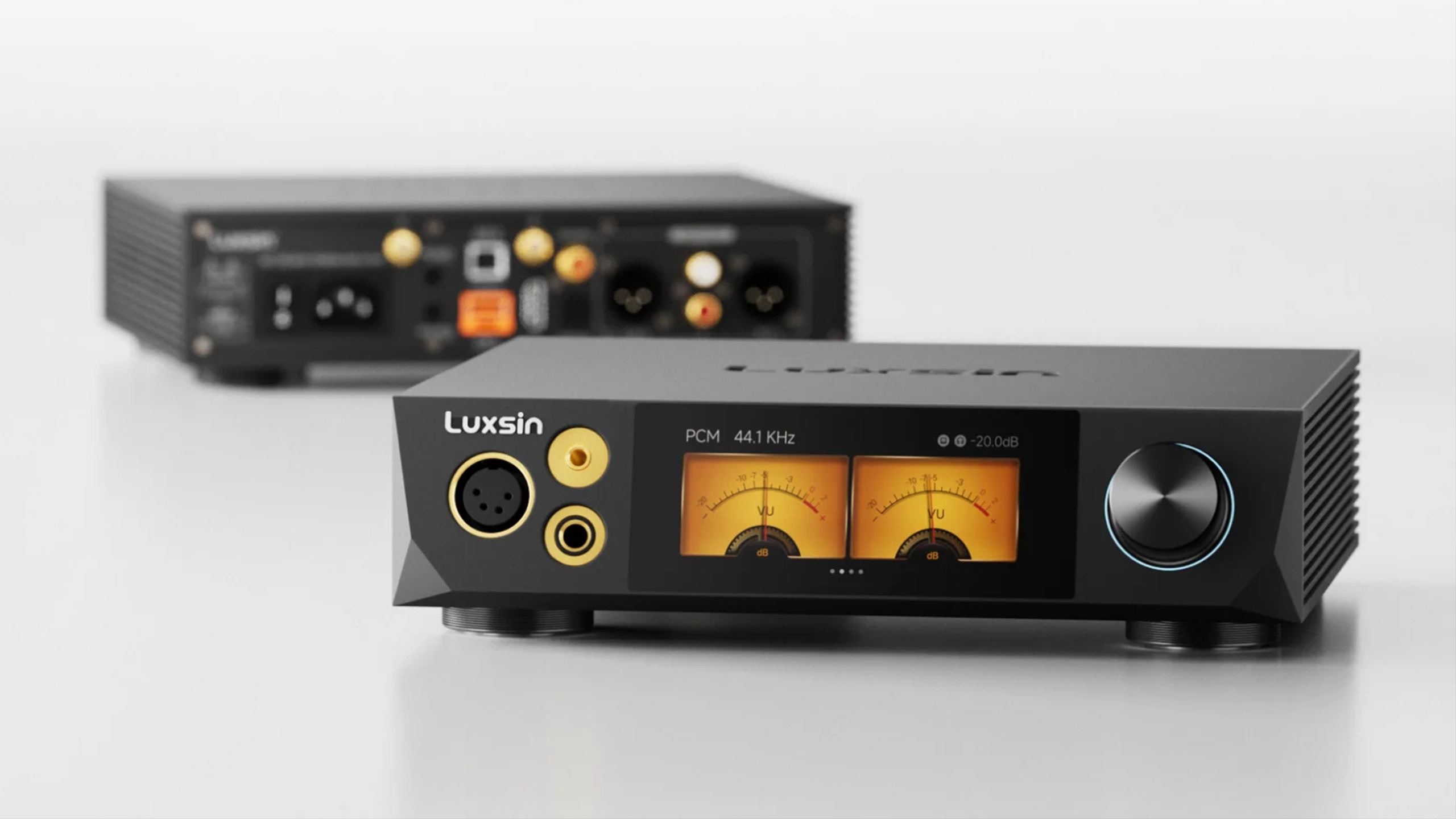
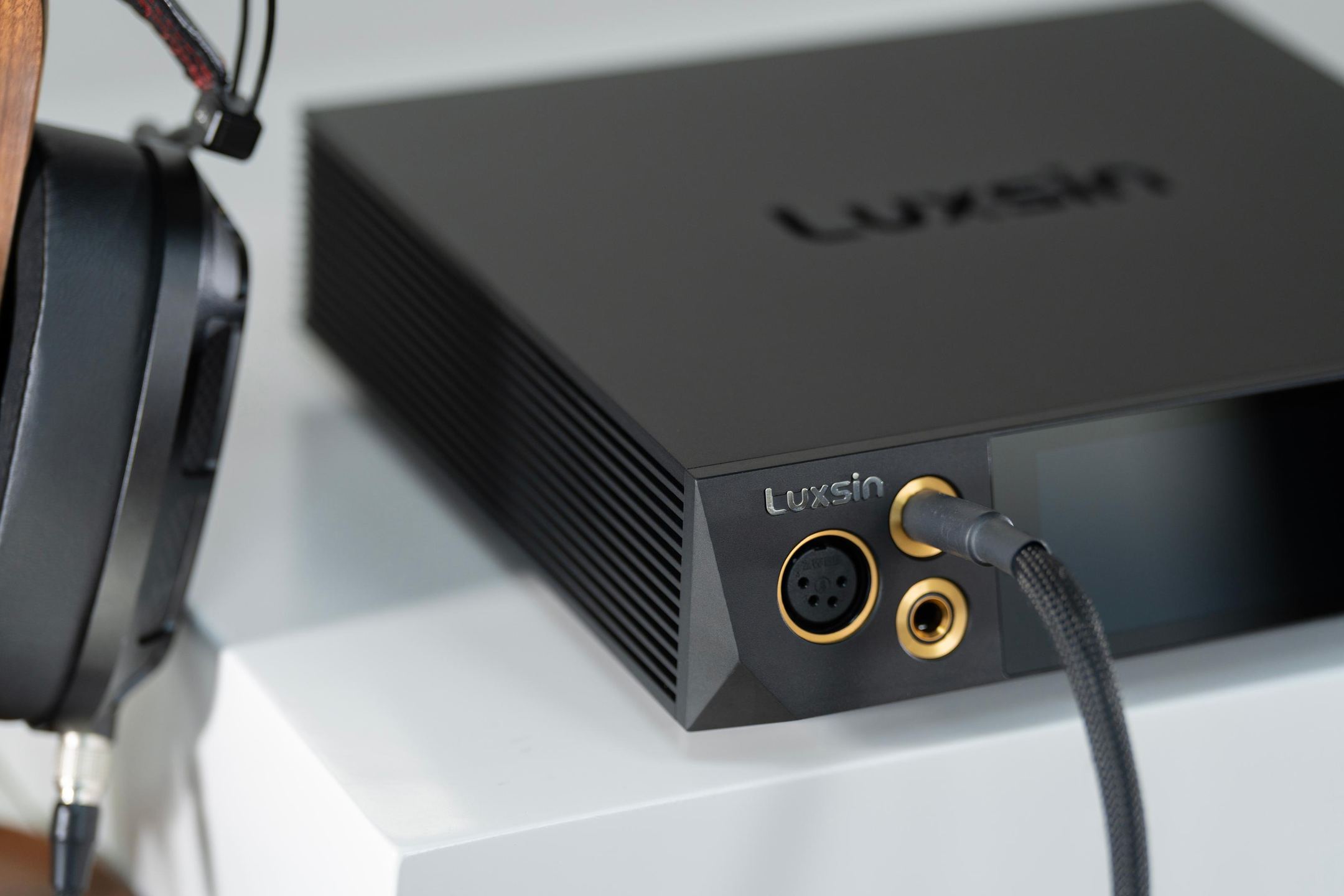
The amplification stage combines multiple OPA1612 operational amplifiers and high‑current TPA6120A2 drivers, with each channel driven independently. The balanced outputs (4‑pin XLR and 4.4 mm Pentaconn) deliver up to 4,840 mW per channel into 16 Ω, while the 6.35 mm jack output reaches 2,900 mW per channel under the same conditions.
The linear power supply strictly separates digital and analog circuits to avoid cross‑interference. A notable feature: the user can choose between two voltages for the analog section (12 V or 15 V), allowing the amplifier’s behavior to be tailored to the type of headphones used and the listening conditions.
The X8 extends Luxsin’s impedance detection system to all headphone outputs. When a pair of headphones is connected to the XLR4, 4.4 mm, or 6.35 mm jacks, the device automatically measures its impedance and selects the appropriate gain level. This detection uses an in‑house developed bypass technology: the measurement circuit remains completely isolated from the main audio path so as not to affect the signal.
Each output retains its own settings in memory, not only gain but also volume, EQ, and DSP effects. Switching from one pair of headphones to another instantly recalls the associated configuration.
The 4‑inch color touchscreen LCD (480 × 960 resolution) retains the 15° tilt introduced on the X9, making reading and interaction easier when seated. Navigation is gesture‑based, giving access to input/output settings, EQ parameters, and the various visualizations available.
Control can also be performed remotely via the Luxsin Controller app for iOS and Android, or from a web browser on a Windows or macOS computer. An infrared remote control is available as an option. This multiplicity of interfaces reflects the X8’s software philosophy: the device is not locked into its factory configuration but designed to evolve with updates.
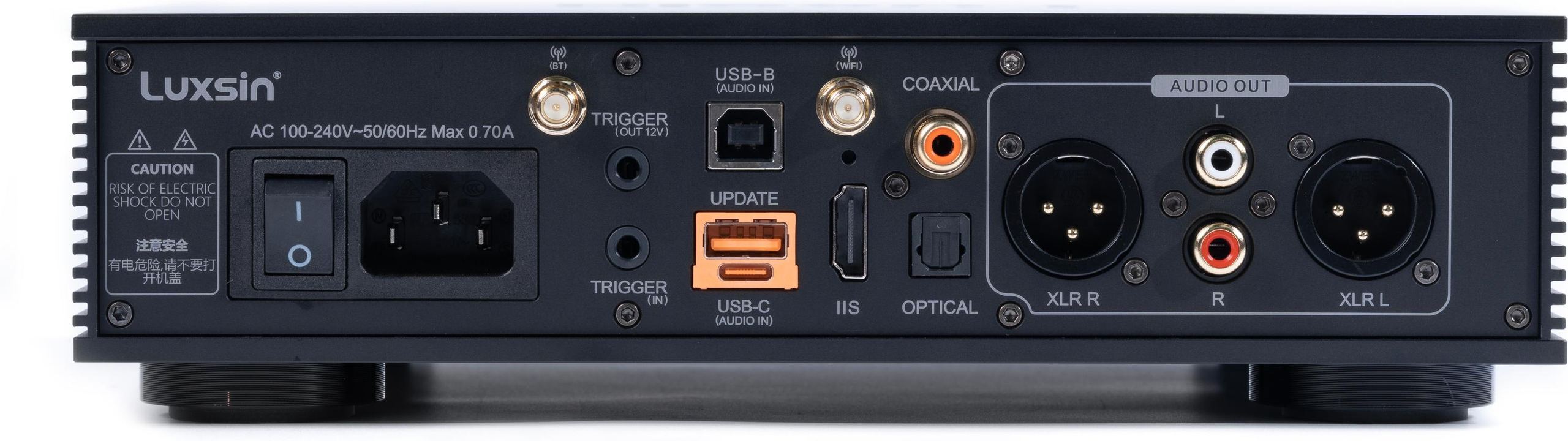
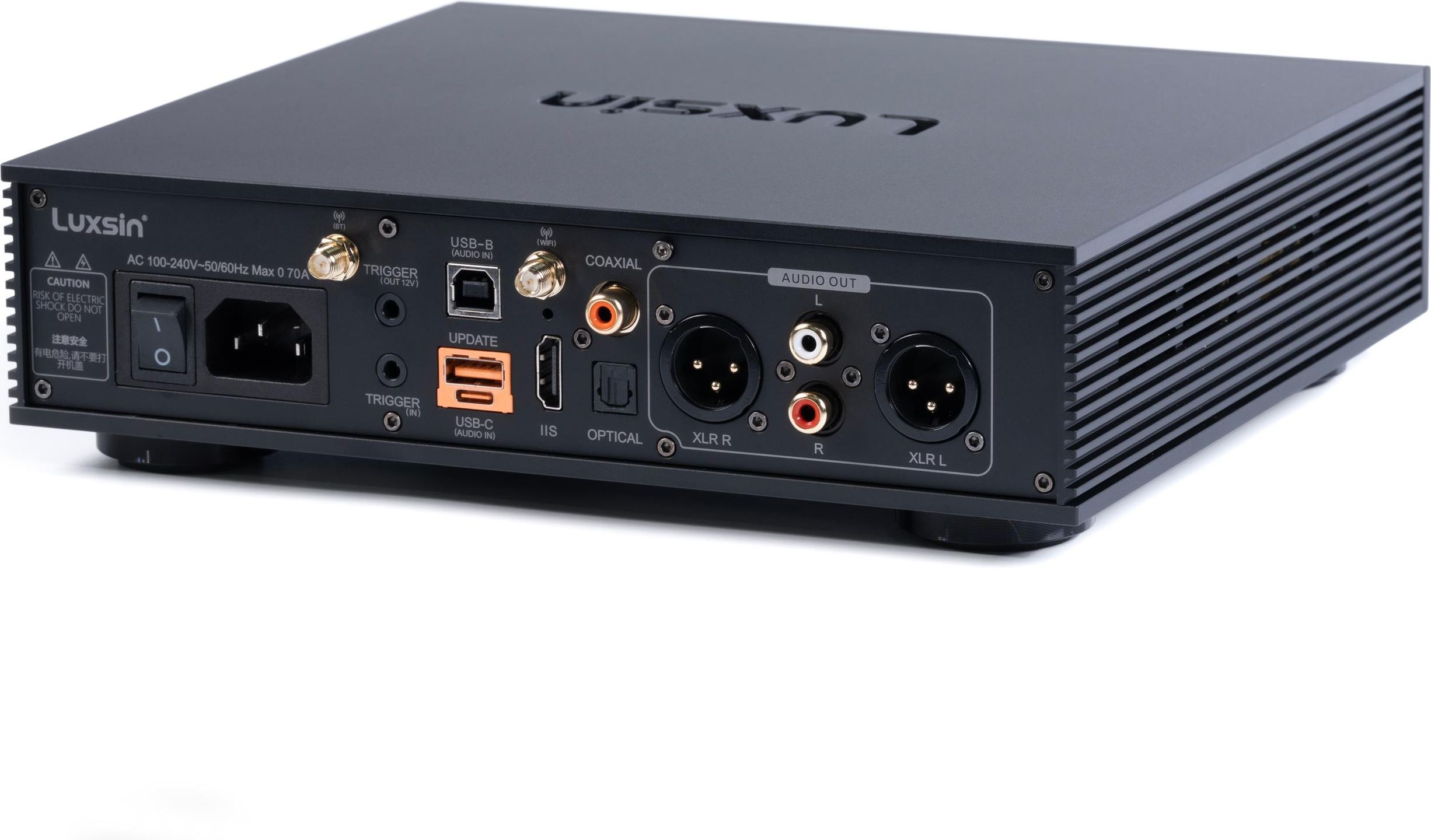
The rear panel brings together USB‑B, USB‑C, coaxial, optical, and IIS digital inputs, as well as RCA and XLR analog outputs. The IIS input supports up to eight custom configurations to match the pinout conventions of different sources. 12 V trigger connectors (input and output) allow the X8 to be integrated into a larger audio system, automatically powering other devices on and off.
The CNC‑milled aluminum chassis measures 236 × 236.8 × 64 mm and weighs 2,750 g. The power supply accepts mains voltages from 100 to 240 V at 50/60 Hz.
The X9 remains Luxsin’s flagship model, with its AKM AK4499EX DAC paired with the AK4191EQ modulator, its femtosecond clock, and its R2R relay‑switched resistor ladder volume control. Its output power reaches 6,000 mW into 16 Ω, and its harmonic distortion drops to −120 dB.
The X8 takes a different approach. The parallel multi‑DAC architecture, the more powerful DSP processor, and the integration of AI‑assisted equalization make it a product geared towards software‑driven customization and scalability. Its output power, while slightly lower than the X9’s, remains more than sufficient for the most demanding headphones.
Compact enough, premium, but above all delivering excellent sound quality, the Luxsin X8 is a well-designed DAC/headphone amplifier that spares no expense. Its exemplary sound quality already makes it a very good device, but it is its advanced parametric EQ concept that truly leaves its mark. Its AI-powered setup agent is an interesting bonus.
Yes. The RCA and XLR analog outputs on the rear panel allow the X8 to be connected to a power amplifier or active speakers. Volume can be controlled via the touchscreen, the app, or the optional remote control.
No. The AI processing runs locally on the Digital Audio Core processor. An internet connection is only required for firmware updates and to access the web interface from a remote computer.
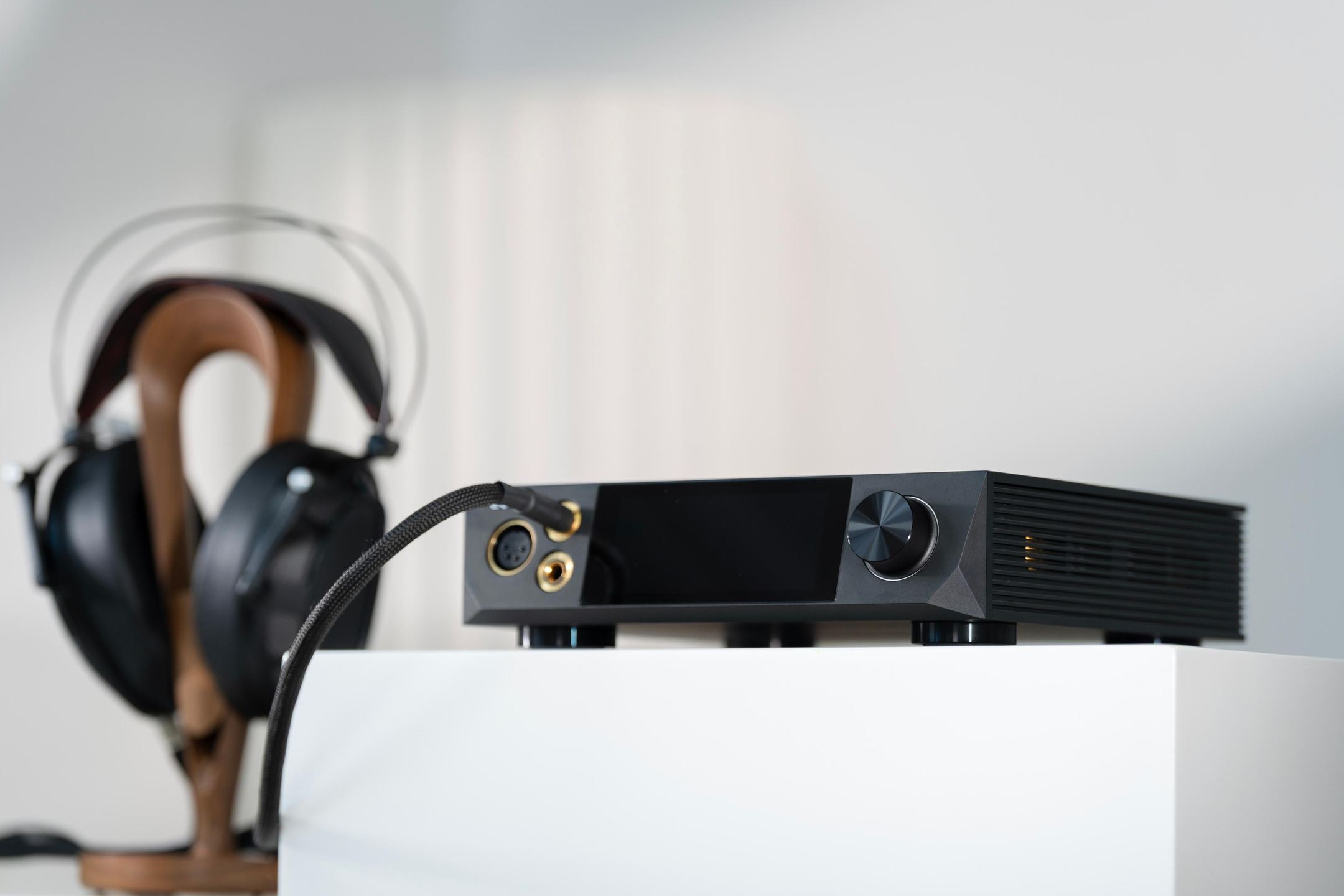
The X8 has three headphone outputs on the front panel (4‑pin XLR, 4.4 mm, and 6.35 mm), but only one can be active at a time. The settings associated with each output are stored in memory and recalled automatically when a pair of headphones is connected.
The optical (and coaxial) input supports PCM streams up to 192 kHz at 24‑bit. For more demanding formats such as DSD512 or 768 kHz PCM, you must use the USB or IIS inputs.
Based on reviews from customers who purchased this product, summarised by AI
Samuel
Fantastic!!!! Very good purchase
Comment from September 13, 2026 — Experience from August 27, 2026
Raquel
Excellent Dac.
Recommended
Comment from September 01, 2026 — Experience from June 26, 2026
Lorenzo Colombo
The Luxsin x8 is excellent; I use it as a DAC/headphone amp on my computer.
I still haven't tried the AI for headphone equalization.
The preset EQ profiles are very useful; I tried them with the Senn HD 600, Hifiman Sundara, Meze 109 Pro, and Hifiman He1000 Stealth.
I like the sound.
The only note is that the Luxsin gets warm, without, so far, ever going into protection mode.
Comment from June 08, 2026 — Experience from May 28, 2026