

Noise-Cancelling Headphones: Understanding the Differences Between Passive and Active
August 12, 2025
Contents
In a world where ambient noise is becoming omnipresent, noise‑cancelling headphones represent much more than a simple audio accessory. Between traditional passive solutions and sophisticated active technologies, understanding their differences allows you to make an informed choice based on your specific needs and budget.
→ All noise‑cancelling headphones
Passive noise reduction: a physical barrier against noise
Passive noise reduction, sometimes called sound isolation, is based on a simple but effective principle: creating a physical barrier between the ear and external sounds. This approach, used since the early days of audio headphones, requires no power supply or electronic components.
Mechanical principles and materials
Headphones with passive noise reduction exploit the acoustic properties of materials to attenuate ambient noise. The earpads of over‑ear headphones (which completely surround the ear) generally use memory foam, synthetic or genuine leather, and sometimes gel layers to create optimal sealing around the ear. This design may incorporate several layers of absorbing materials, each targeting specific frequencies.
For in‑ear earphones, isolation is achieved with silicone, foam or rubber tips that block the ear canal. Professional models may even offer custom‑molded tips that perfectly match the unique shape of each ear for maximum isolation.
The effectiveness of this approach depends heavily on the quality of the fit. Poorly positioned headphones or unsuitable eartips greatly reduce isolation performance. Manufacturers therefore often provide several eartip sizes or sophisticated adjustment systems to guarantee optimal sealing.

Effectiveness and frequency limits
Passive reduction is particularly effective at attenuating mid and high frequencies, typically above 1000 Hz. Conversations, keyboard noise or high‑pitched sounds can be reduced by 15 to 30 decibels depending on design quality. This performance remains constant and does not depend on any power source.
However, when faced with low frequencies such as the rumble of an airplane engine or the hum of an air conditioner, passive isolation shows its limits. Low‑frequency sound waves, due to their long wavelength, pass more easily through physical barriers. A good passive headset might reduce these frequencies by only 10 to 15 decibels, which is insufficient in very noisy environments.
Active noise reduction: electronics strike back
Active noise reduction, often referred to by the acronym ANC (Active Noise Cancelling) or sometimes DNC (Digital Noise Cancelling), represents a radically different approach. Initially developed for airplane pilots in the 1950s by Dr. Lawrence Fogel, then popularized by Amar Bose, founder of Bose Corporation, this technology uses electronics to fight noise with noise.

Electronic operation and interference principle
The core of an ANC system is based on the physical principle of destructive interference. Built‑in microphones continuously pick up ambient sounds. These signals are analyzed by a digital signal processor (DSP) that instantly generates an identical sound wave but shifted by 180 degrees—the exact opposite of the captured noise.
When this “anti‑wave” is played through the earphones at the same time as the original noise arrives, the two signals cancel each other out. Mathematically, this is equivalent to adding +1 and −1 to obtain zero. This process is repeated hundreds of thousands of times per second—some high‑end models analyze the sound environment up to 384,000 times per second.
Technological architectures and performance
ANC systems come in three main architectures, each with its own advantages:
Feedforward architecture places the microphones on the outside of the earcups. It detects and cancels noise before it reaches the ear, particularly effective against constant, predictable sounds. This configuration excels at attenuating low frequencies such as airplane engines.
Feedback architecture positions the microphones inside, near the speaker. It “listens” to what the user actually hears and continuously adjusts the correction. Better suited to mid and high frequencies, it offers greater precision but can sometimes create sound artefacts.
Hybrid architecture combines both approaches, with internal and external microphones. More complex and expensive, it delivers the best performance across the entire frequency spectrum. Recent models integrate up to eight microphones for a complete spatial analysis of the sound environment.
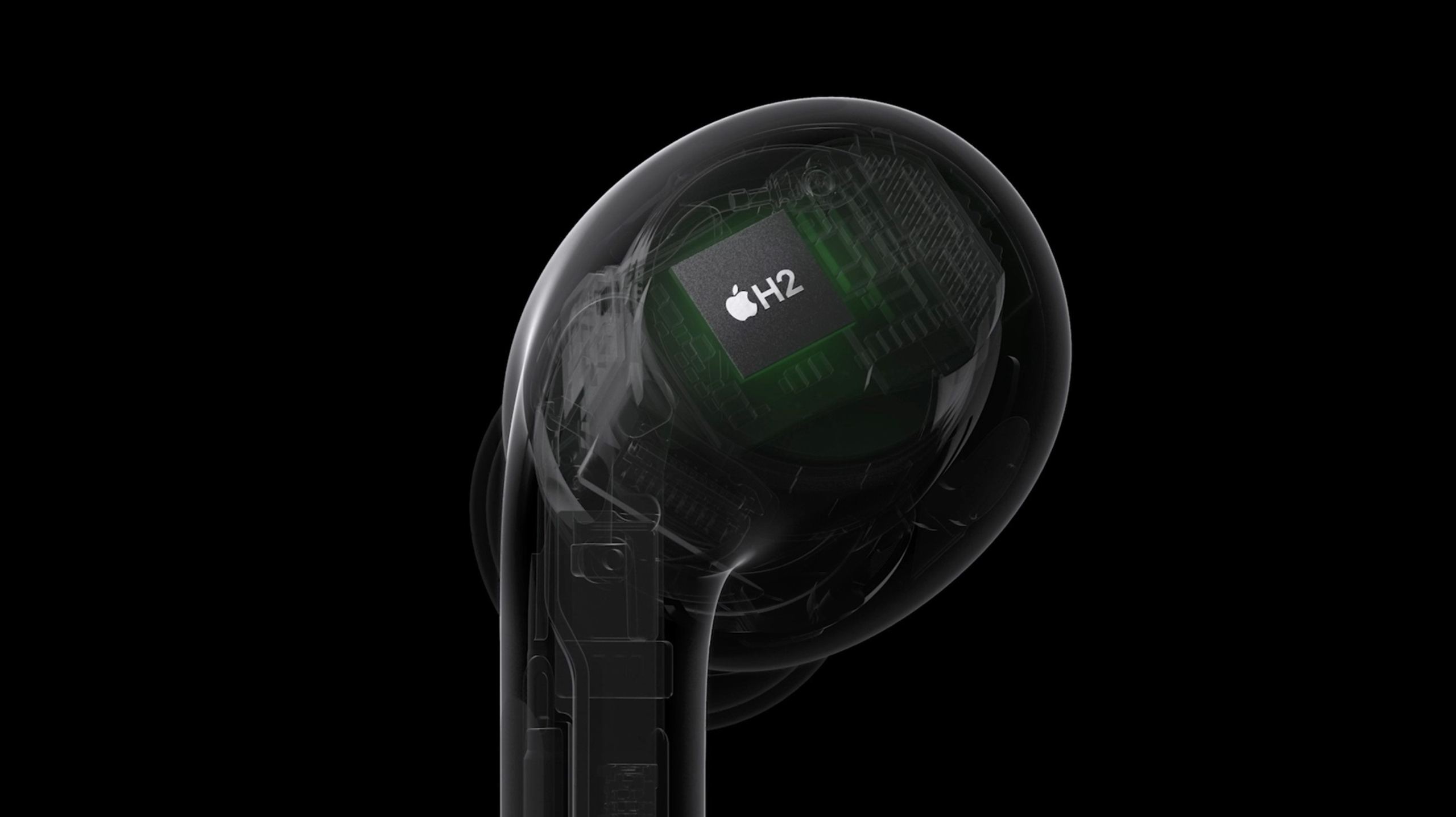
Modern processors, such as Sony’s QN3 from Sony or Apple’s H2, incorporate machine‑learning algorithms that adapt noise reduction in real time according to the environment. Some systems can attenuate low frequencies by up to 40 decibels, turning the deafening drone of an aircraft into a distant murmur.
Detailed comparison of the two approaches
The complementarity of the two technologies appears clearly in their frequency response. Passive reduction, by its physical nature, effectively filters high‑pitched sounds: human voices, ringtones, metallic noises. A good passive headset can reduce these frequencies (2000–8000 Hz) by 25 to 35 decibels.
Active reduction mainly targets low frequencies (20–1000 Hz), where physical isolation struggles. Engine noise, ventilation systems, or road traffic can be reduced by 30 to 40 decibels with the best ANC systems. This effectiveness gradually decreases toward mid frequencies and becomes marginal in the highs.
Impulsive and irregular sounds—barking, horns, sudden conversations—remain difficult to handle for ANC. The reaction time required to analyze and generate anti‑noise limits its effectiveness against these brief and unpredictable sound events.
Practical and economic considerations
Energy autonomy is a fundamental difference. Passive headphones work indefinitely without power, whereas ANC requires a rechargeable battery or disposable batteries. Recent models offer 20 to 50 hours of battery life with ANC enabled, but this energy dependency remains a constraint on long trips.
The additional weight of electronic components—battery, circuitry, microphones—adds 50 to 100 grams to an ANC headset compared to its passive equivalent. For long listening sessions, this difference can affect comfort.
The price gap remains substantial. A quality passive headset costs between 50 and 200 euros, while ANC models rarely start below 100 euros and can exceed 400 euros at the high end. This investment is justified for frequent users in noisy environments, but may seem excessive for occasional use.
Preferred environments and use cases
Frequent travelers find a valuable ally in ANC. In transportation—planes, trains, subways—where constant low‑frequency noises dominate, active reduction transforms the experience. The ability to cut ambient noise by 30 to 40 decibels allows you to listen to music at moderate volume, thus preserving your hearing over the long term.
Office environments, with their intermittent conversations and varied background noise, benefit more from a hybrid approach. Headphones that combine effective passive isolation with moderate ANC offer the best compromise between concentration and awareness of your surroundings.
For activities requiring constant alertness—outdoor sports, getting around in the city—moderate passive reduction remains preferable. It attenuates noise pollution without dangerously isolating the user from their environment.

Hybrid technologies and innovations
Manufacturers now offer solutions that intelligently combine both approaches. High‑end headphones integrate carefully designed passive isolation—premium earpads, optimized acoustic design—together with sophisticated ANC systems. This synergy achieves exceptional levels of reduction across the entire sound spectrum.
Adaptive modes are the most notable recent development. These systems automatically adjust ANC levels according to the detected environment, optimizing performance and power consumption. Some models even offer customizable profiles for different situations: commuting, office, walking in the city.
Selective transparency is another major innovation. These modes allow specific frequencies—typically human voices or alert signals—to pass through while maintaining reduction on others. This approach reconciles isolation and safety, addressing criticism about the excessive isolation of some systems.
Noise‑reduction technologies, whether passive or active, each meet specific needs. Rather than opposing them, understanding their respective strengths makes it possible to choose the solution best suited to your lifestyle and priorities. The future will likely see an even deeper fusion of these approaches, combining the best of both worlds to deliver ever more immersive and personalized listening experiences.