

Speaker Cables & Wires, Assembled
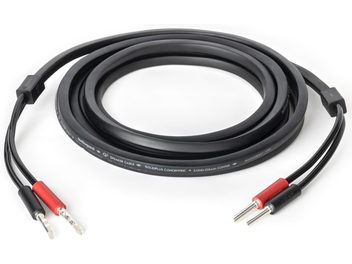
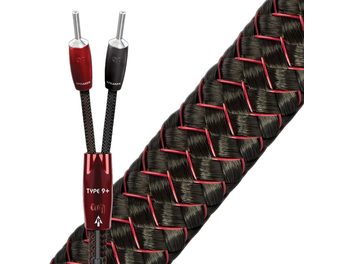
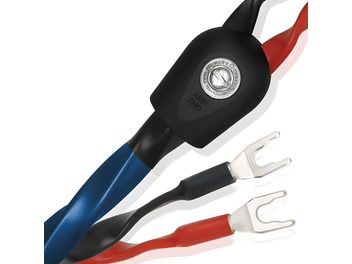
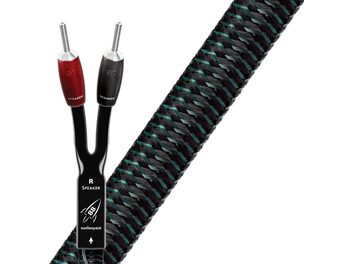
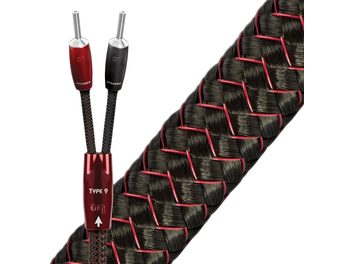
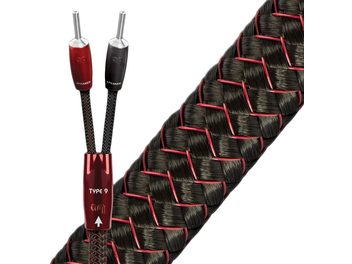
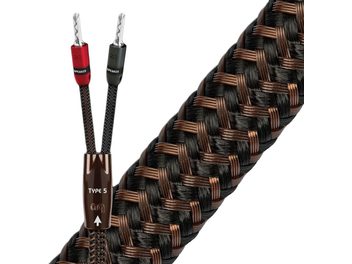
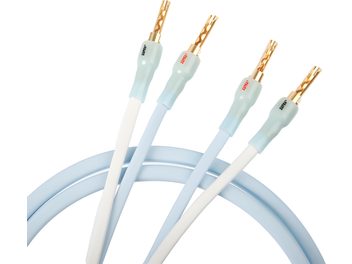
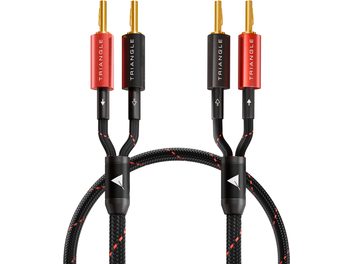
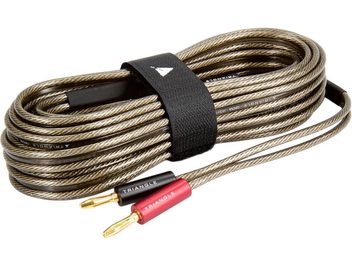
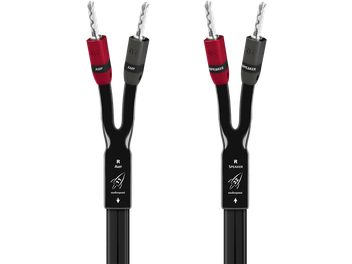
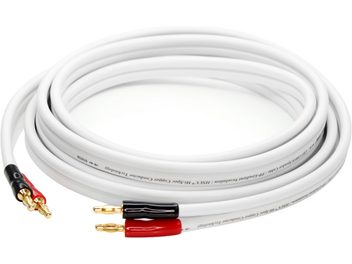
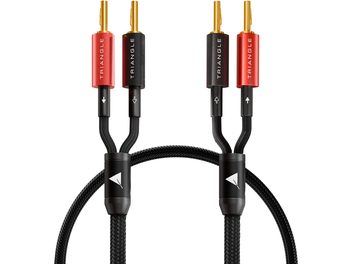
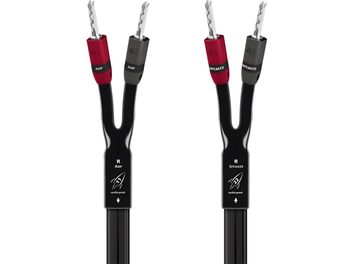
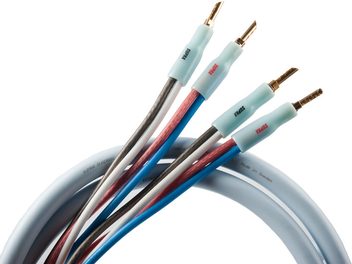
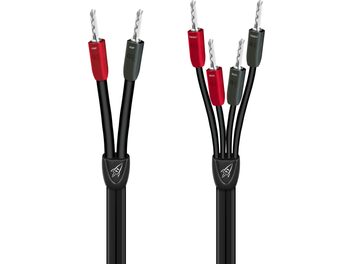
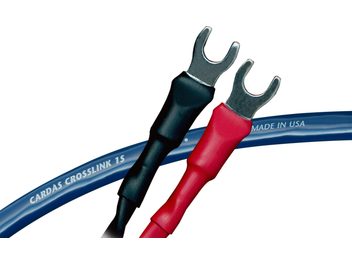
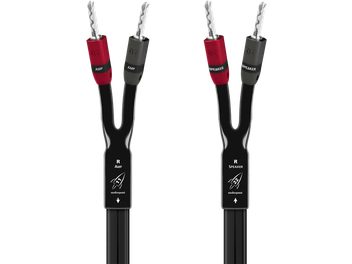
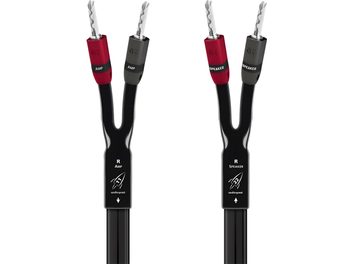
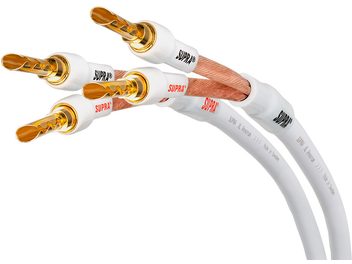
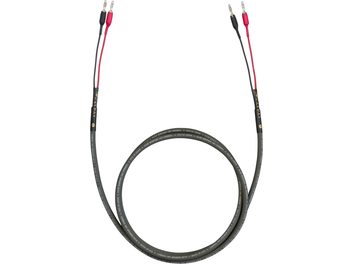
Pre-terminated speaker cables connect your amplifier to your hi-fi or home theater speakers. Factory-fitted with banana plugs or spades, they ensure a stable connection and optimal transmission of the audio signal. Choosing the right speaker cable depends on the distance to cover, the required gauge (1.5 to 4 mm²), and the performance level of your system. Learn more
Function and importance in the audio chain
Speaker cables carry the amplified electrical signal from your amplifier to the speakers. Unlike standard power cables designed for a 50 Hz frequency, a quality speaker cable must transmit the entire audible spectrum (20 Hz to 20 kHz) without alteration. The quality of this link directly affects sound reproduction: dynamics, tonal accuracy, detail, and soundstage.
The advantages of factory termination
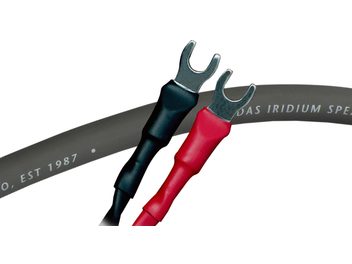
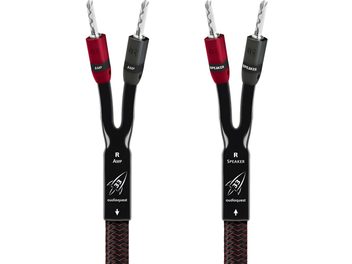
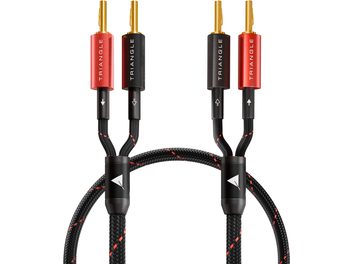
Factory-terminated cables come with banana plugs or spades that are professionally soldered or crimped. This termination offers several practical benefits: easier connection and disconnection, optimal contact with binding posts, and protection against oxidation of copper strands. Banana plugs slide directly into screw terminals, preventing the gradual loosening common with bare wire. Factory assembly also guarantees a perfect bond between the cable and its connectors.
Conductors and materials
Conductor quality remains the primary criterion. OFC (Oxygen Free Copper) is the standard for its high conductivity and purity. Some high-end models incorporate silver, which offers superior conductivity and enhances high-frequency reproduction. Braided multi-strand cables provide flexibility and ease of installation, while solid core cables prioritize signal transparency in fixed installations.
Gauge and length: technical criteria
Cable diameter directly affects its electrical resistance. For lengths up to 10 meters, a gauge of 1.5 to 2.5 mm² suits most setups. Beyond that, a 4 mm² cable or larger is recommended to limit losses and preserve dynamics, especially in the low end. Length should be sufficient without excess: a cable that’s too short puts mechanical stress on the binding posts, while one that’s too long coils up and introduces unwanted inductance.
Matching your system level
A modest audio system gains little from an ultra high-end cable. Conversely, quality speakers and an amplifier deserve a cable capable of preserving nuances and detail. High-end models multiply shielding and insulation technologies to counter electromagnetic interference generated by household equipment (Wi‑Fi routers, DECT phones, appliances). The approach should remain pragmatic: the cable doesn’t transform the sound; it preserves it.
Polarity matters
During installation, be sure to connect the positive (red) and negative (black) terminals of the amplifier to the corresponding terminals on the speakers. A phase inversion on one speaker causes frequency cancellations and degrades stereo imaging. Pre-terminated cables make this easier thanks to clear visual polarity markings.