

Turntable Mats
The platter mat, also called a slipmat, is a flexible disc placed between your vinyl record and the turntable platter. Available in felt, cork, leather, or rubber, it reduces unwanted vibrations and improves sound quality by limiting resonance between the record and the metal platter. This accessory also protects your records from scratches while adding a decorative touch to your setup. Learn more

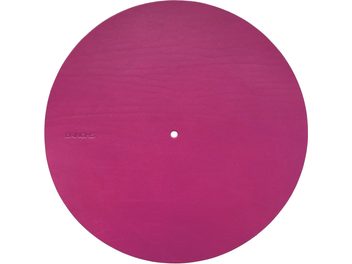
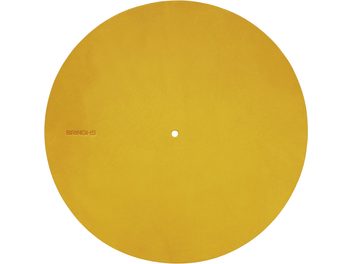
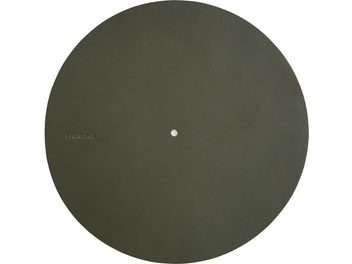
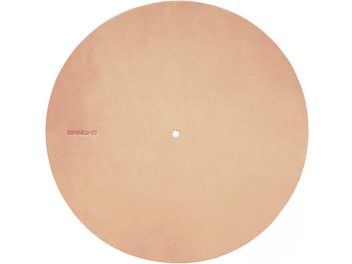
What is a turntable platter mat?
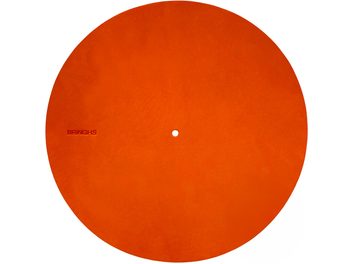
The platter mat comes in the form of a disc of around 30 cm in diameter for 12-inch LPs, with a thickness generally between 1.5 and 4 mm. Placed directly on the turntable platter before playback, it serves as the interface between the platter’s metal (or glass, acrylic) surface and your vinyl record.
Far from being a simple decorative element, the platter mat plays a decisive acoustic role. During playback, the stylus travels the groove and undergoes significant accelerations that generate mechanical energy. This energy transforms into resonances within the record itself, creating a kind of echo that overlays the original musical signal. The platter mat absorbs these unwanted resonances and reduces background noise, thereby improving definition and neutrality in listening.
Different materials and their properties
Felt remains the most widespread material, especially on entry-level turntables supplied as standard. Cost-effective and versatile, it suits a wide range of uses. However, felt has a drawback: it is static and tends to cling to the record, which can impair playback quality. It also accumulates dust over time.
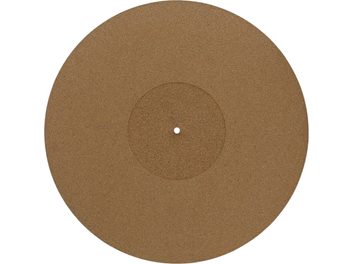
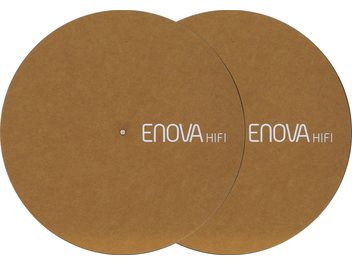
Cork offers excellent acoustic and anti-static properties. This natural material effectively absorbs vibrations while preserving sonic dynamics. It prevents sticking to the vinyl record and delivers a more transparent listening experience. Cork platter mats offer a good price-to-performance ratio, generally ranging from €20 to €50.
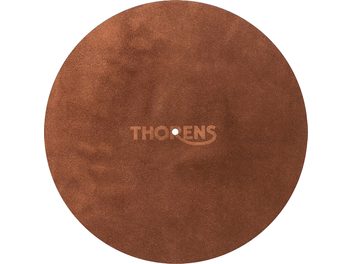
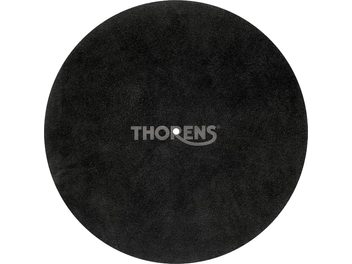
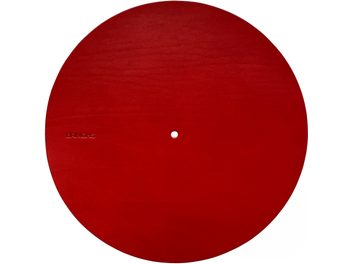
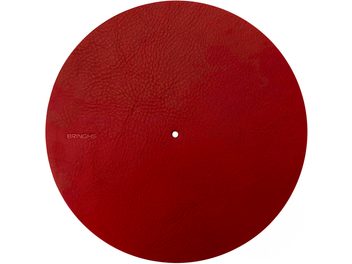
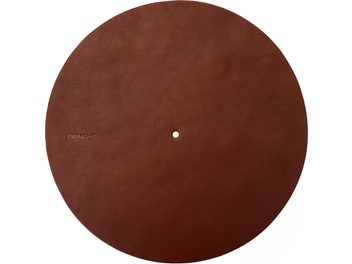
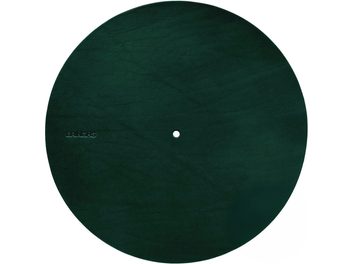
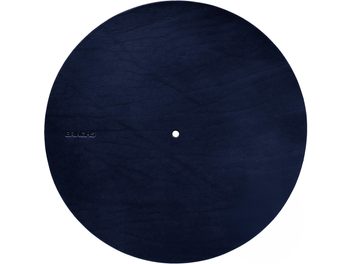
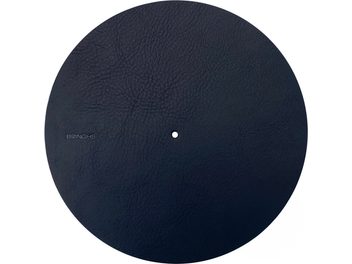
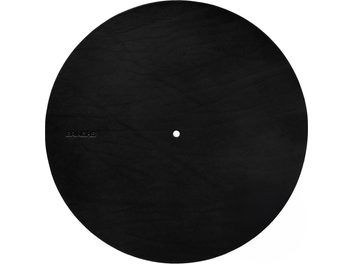
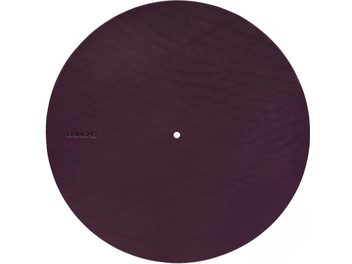
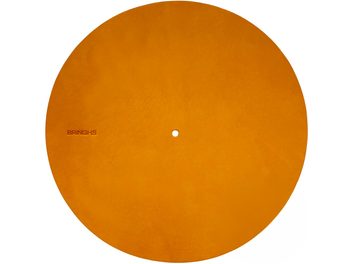
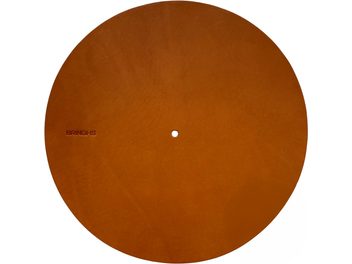
Leather is the premium choice for audiophiles. Its naturally anti-static properties eliminate sticking to vinyl. Leather absorbs and attenuates resonances particularly effectively, offering extra transparency and dynamics. It provides crisper attacks, longer note decays, and better rendering of background details. This material does not trap dust and develops a patina over time, taking on a coppery hue while retaining its acoustic qualities.
Rubber and composites (cork/nitrile rubber blends) provide an interesting alternative. Heavier than felt, they give the record extra stability so it sits perfectly flat. Some models, such as the Funk Firm Achromat, use high-density acrylic foams to achieve an optimal weight/performance balance.
Sonic impact and listening improvement
Replacing the stock platter mat with a higher-quality model yields audible improvements. The loss of dynamics and clarity observed when the platter mat is removed entirely demonstrates its importance. Conversely, a well-performing mat reduces background noise, improves instrument separation, and provides a more coherent soundstage.
The anti-static properties of materials like cork or leather eliminate interference related to static electricity accumulated by vinyl records. This static charge can disrupt playback and generate unwanted crackles.
Adhesion between the record and the platter mat is also an important parameter. Leather offers the best grip, preventing the transmission of platter resonances to the record. Conversely, a felt platter mat may allow the record to slip slightly, compromising playback stability.
Budget and gradual upgrades
Prices range from €10 for a basic felt mat to over €100 for a high-end model in vegetable-tanned leather or specific composites. Cork mats typically fall between €20 and €40, offering excellent value for money for those beginning to optimize their turntable.
If you’re new to the vinyl world, the stock felt mat is sufficient to start with. Depending on your listening standards and budget, you can then move up to cork for a first tangible improvement, and later to leather if you’re seeking the best performance.
Replacing a platter mat is one of the most accessible and effective upgrades to optimize a turntable. More affordable than changing a cartridge or tonearm, this modification delivers immediate sonic benefits and is compatible with the vast majority of turntable models, regardless of brand.