Cayin HA-6A MK2 black



Overview
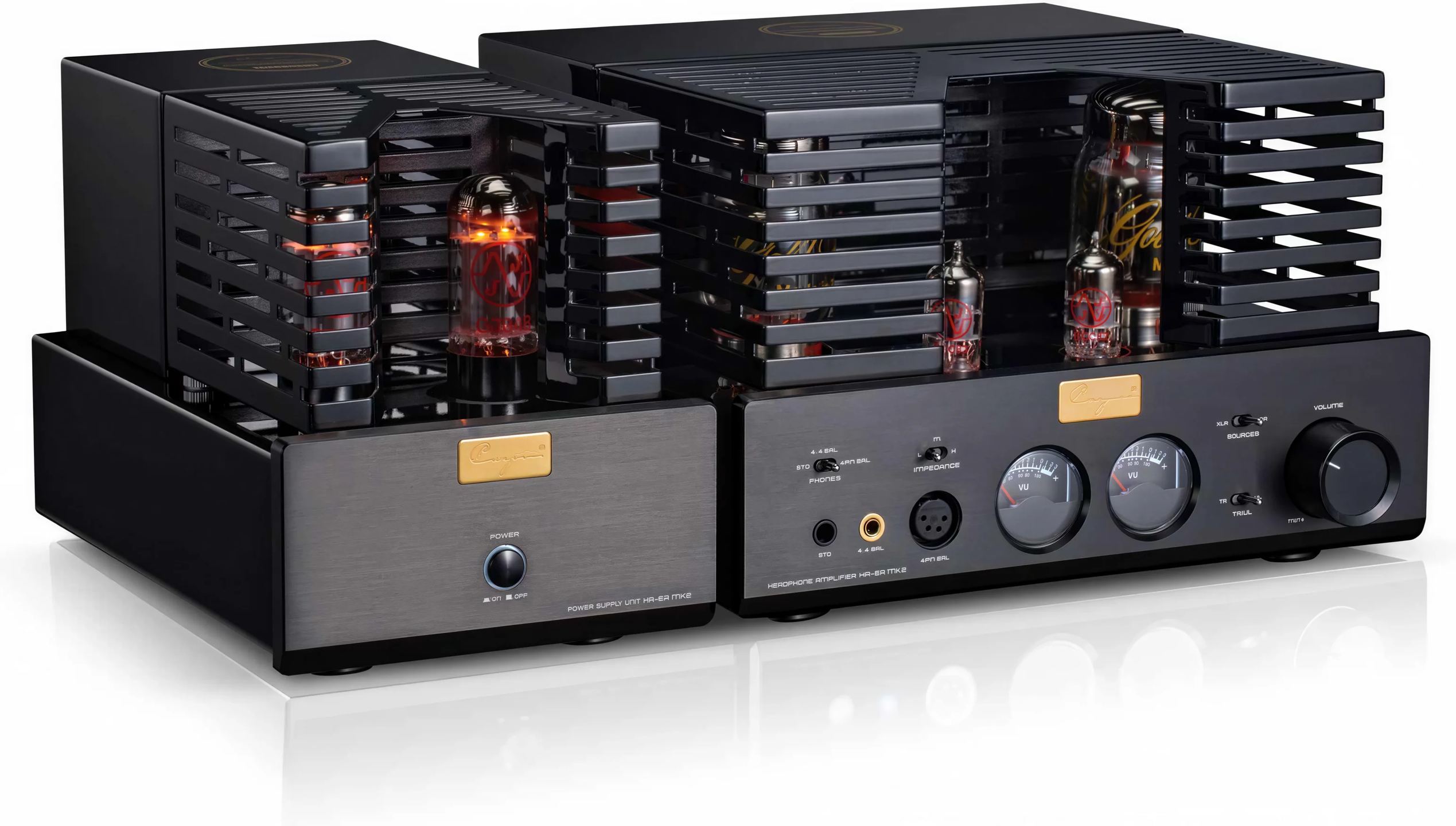
The Cayin HA-6A MK2 represents six years of evolution since the original 2019 model. This Class A tube headphone preamp stands out with its two-chassis configuration and versatile use. Powered by KT88 power tubes, it offers two distinct operating modes and can also serve as a stereo preamp for a full system.
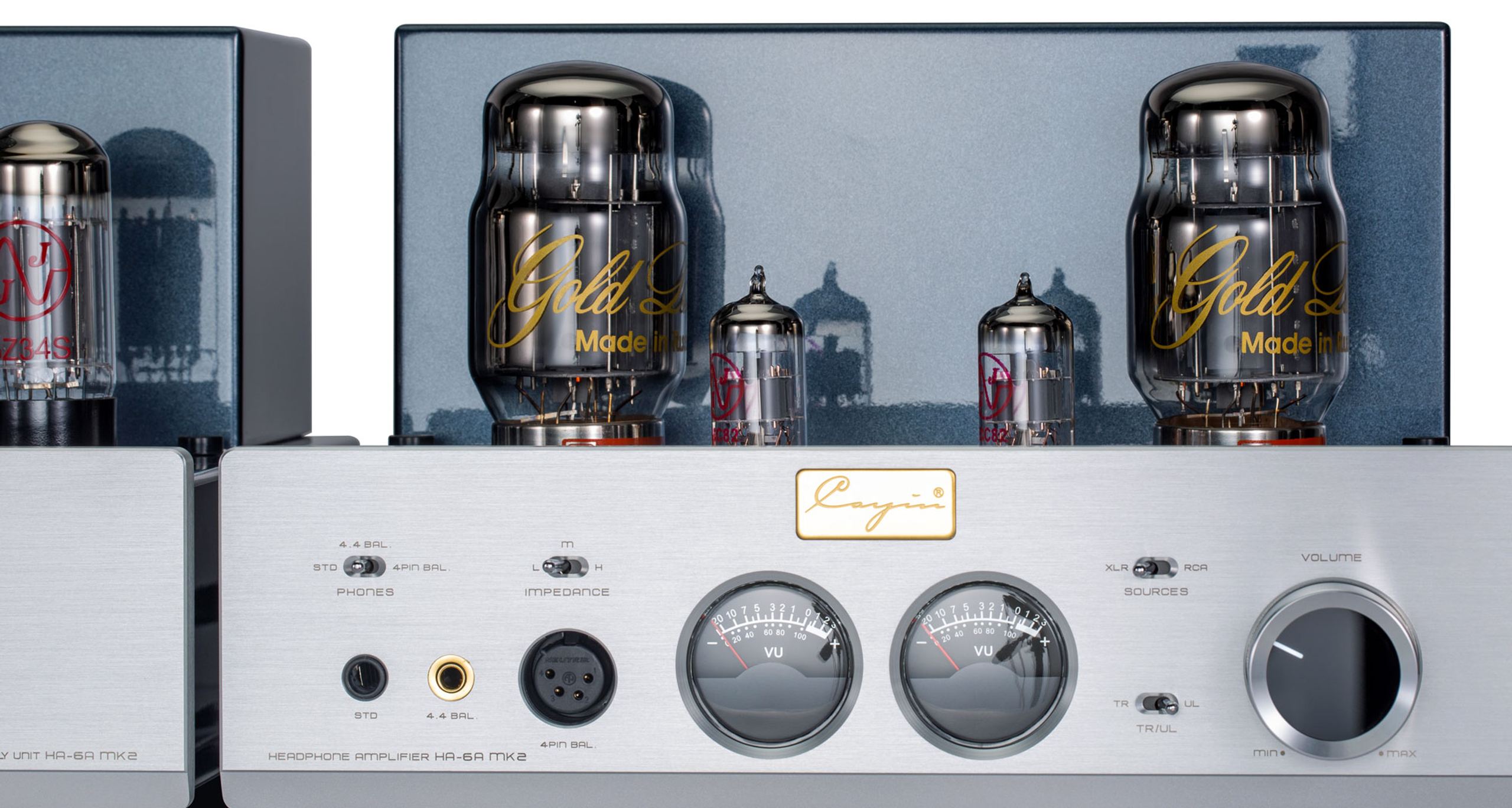
Separation of functions for minimal background noise
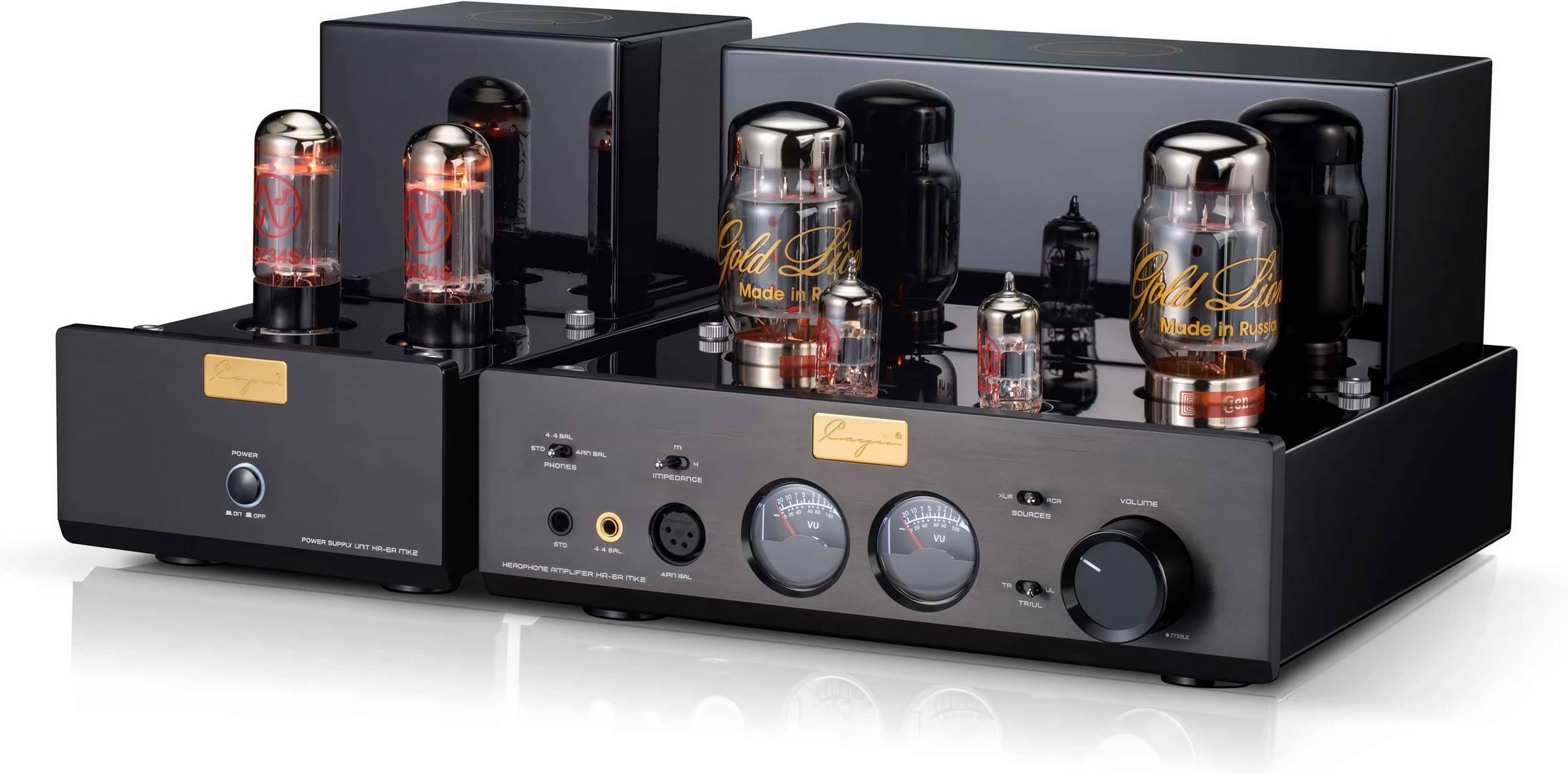
The choice of a two-chassis design is the main evolution of the MK2 compared to the original model. This physical separation between the power supply unit (PSU) and the amplifier itself aims to reduce magnetic interference that can pollute the audio signal. The PSU measures 160 × 297 × 185 mm and weighs 8.2 kg, while the amplifier measures 285 × 297 × 185 mm and weighs 11.2 kg.
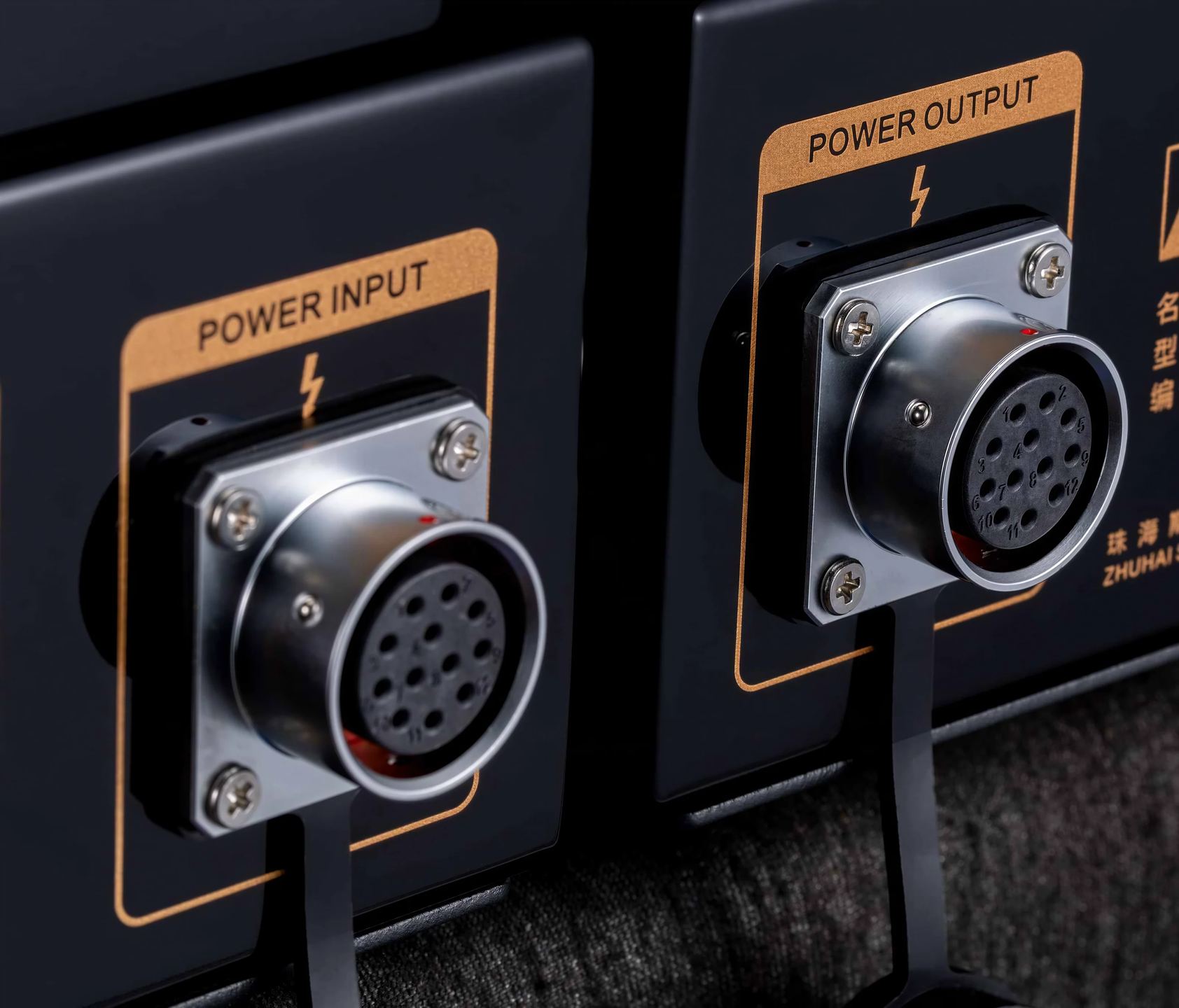
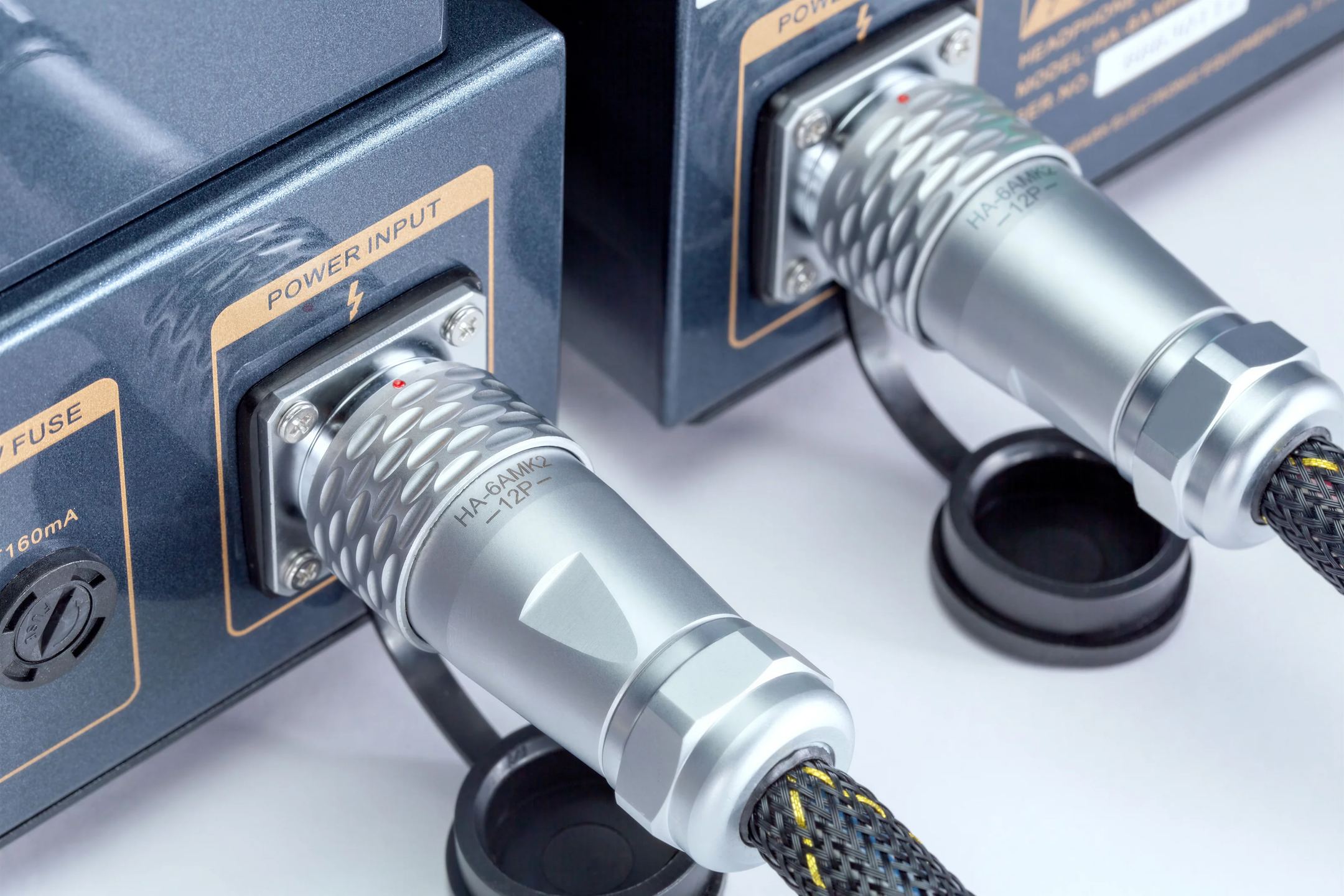
The two units communicate via a 6N silver-plated copper umbilical cable. Although less common at this price point, this type of connection allows energy to be transferred with minimal losses while maintaining isolation between sections. The toroidal transformer in the PSU has been specifically developed for this model, as have the EI-type output transformers used in the amplifier. Internal shielding and a modular component layout complete this anti-noise setup.
Point-to-point wiring, entirely hand-built, preserves signal integrity by avoiding printed circuit boards that can introduce parasitic capacitance. This traditional, more labor-intensive approach remains prized in high-end tube amplification as it allows the shortest possible path between components.
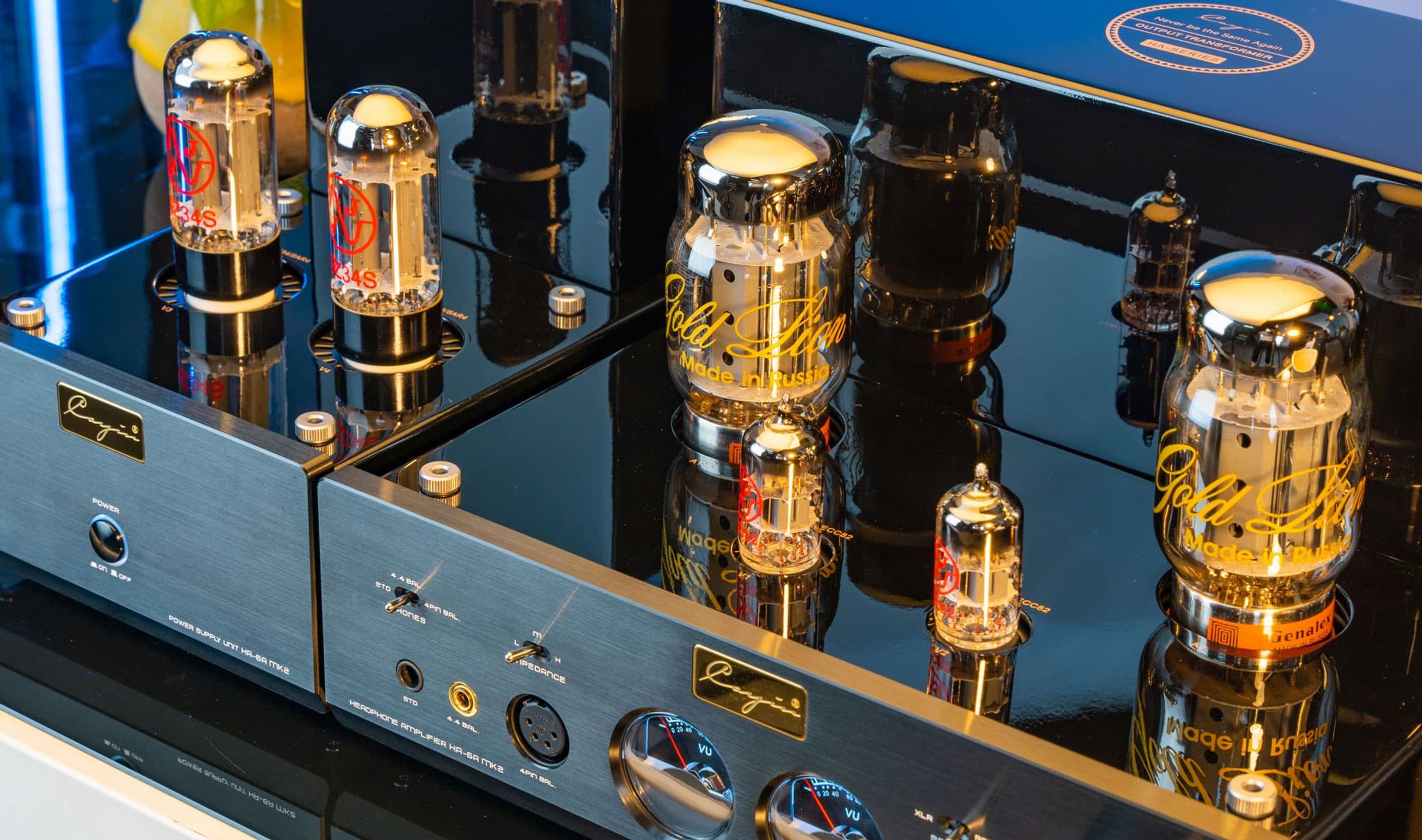
Tubes selected for character and stability
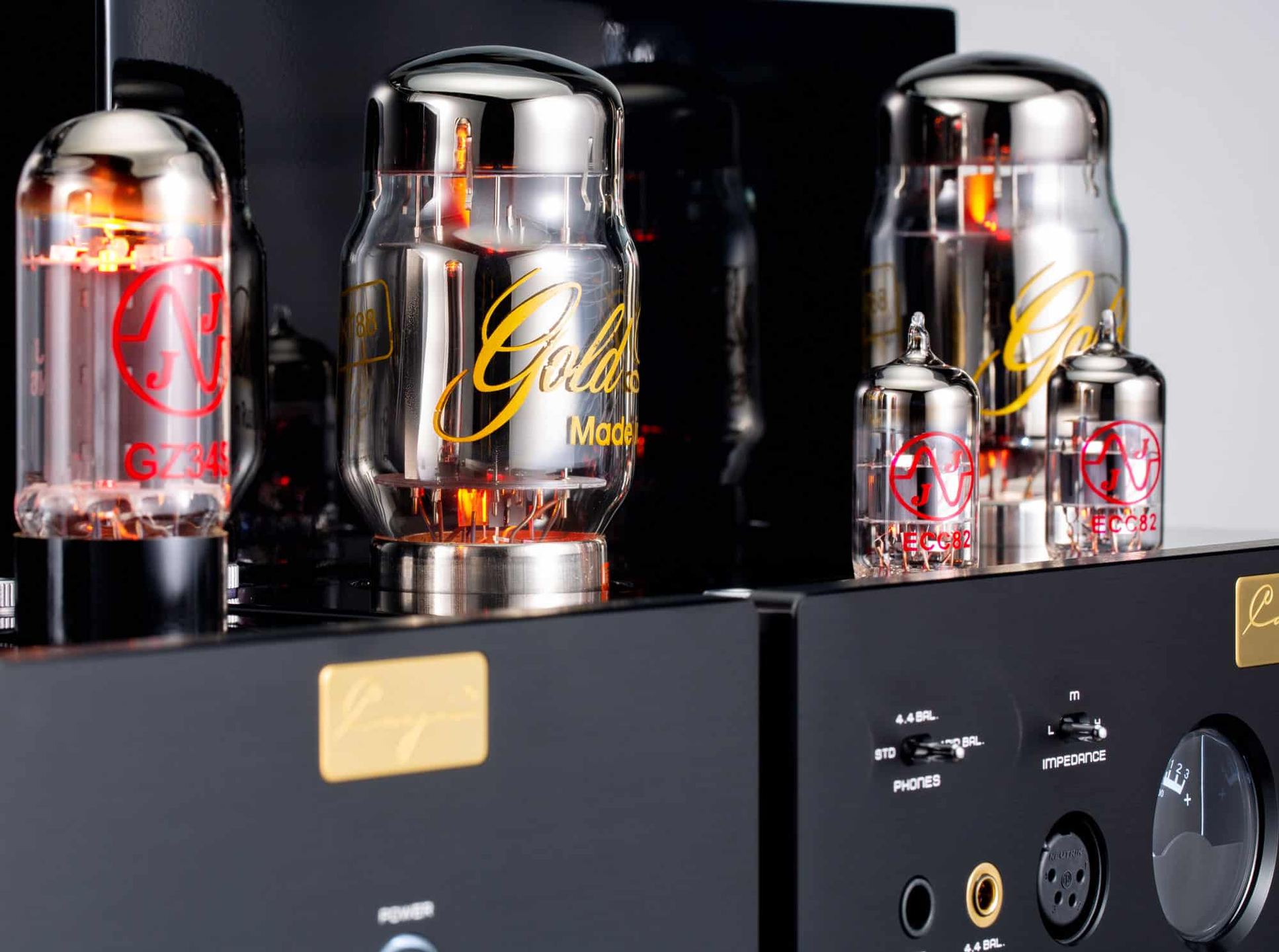
The sonic heart of the HA-6A MK2 is built around six carefully matched vacuum tubes. The two JJ GZ34/5AR4 rectifier tubes convert AC to DC to power the subsequent stages. While this function is often handled by semiconductors today, a tube-based approach is maintained here for coherence in the sonic signature.
The two JJ ECC82/12AU7 voltage amplification tubes form the input stage. These medium-gain dual triodes offer a good balance between gain and linearity. Their role is to prepare the signal for the power tubes by amplifying it sufficiently while preserving its dynamic characteristics.
The Genalex Gold Lion KT88 power tubes form the final link in the chain. Reissued by New Sensor Corporation after the legendary British tubes of the 1950s, these beam tetrodes are renowned for handling high plate voltages (up to 800 volts) and for their linearity in Class A. Their gold-plated grids, carbonized screen grids, and tri-alloy plate structure contribute to a balanced reproduction across the spectrum. The KT88 is characterized by robust mids, airy highs, and deep, controlled bass.
The single-ended Class A configuration means the power tubes conduct continuously, even in the absence of a signal. This power-hungry mode (130 W consumption) ensures optimal linearity since the tubes always operate in their most stable region. The absence of crossover distortion, typical of Class AB, naturally follows.
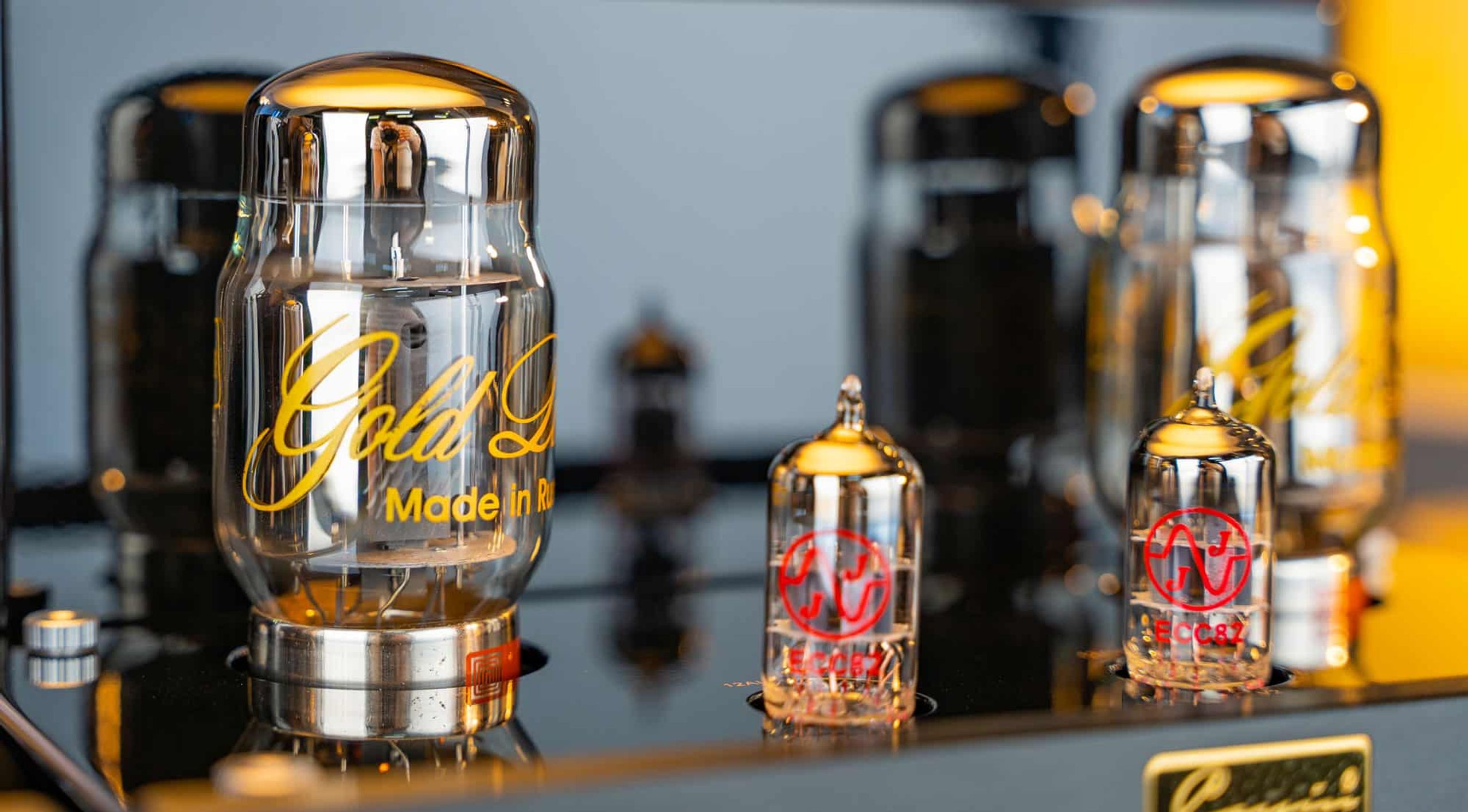
Two operating modes to tailor the sound
The front-panel selector lets you switch between triode (TR) and ultralinear (UL) modes, profoundly changing the behavior of the KT88 power tubes. In triode mode, the screen grid is connected to the plate, turning the tetrode into a triode. This configuration emphasizes smoothness and naturalness, with expansive soundstage and a silky texture in the mids. Available power drops to 3000 mW per channel on the 4-pin XLR output, 2300 mW on the 6.35 mm output, and 650 mW on the 4.4 mm output.
Ultralinear mode, achieved by partially connecting the screen grid to the output transformer, offers a compromise between tetrode and triode characteristics. Dynamics expand, transients become faster, and bass control is strengthened. Power rises to 4500 mW, 3500 mW, and 1000 mW respectively depending on the output. This mode is particularly suitable for orchestral recordings and film scores that demand power reserves and impact.
This dual personality lets you tailor the presentation to the nature of the music or personal preferences. A string quartet may benefit from the warmth of triode mode, while a rock concert might call for the firmness of ultralinear mode. Instant comparison between the two modes makes it easy to explore these differences.
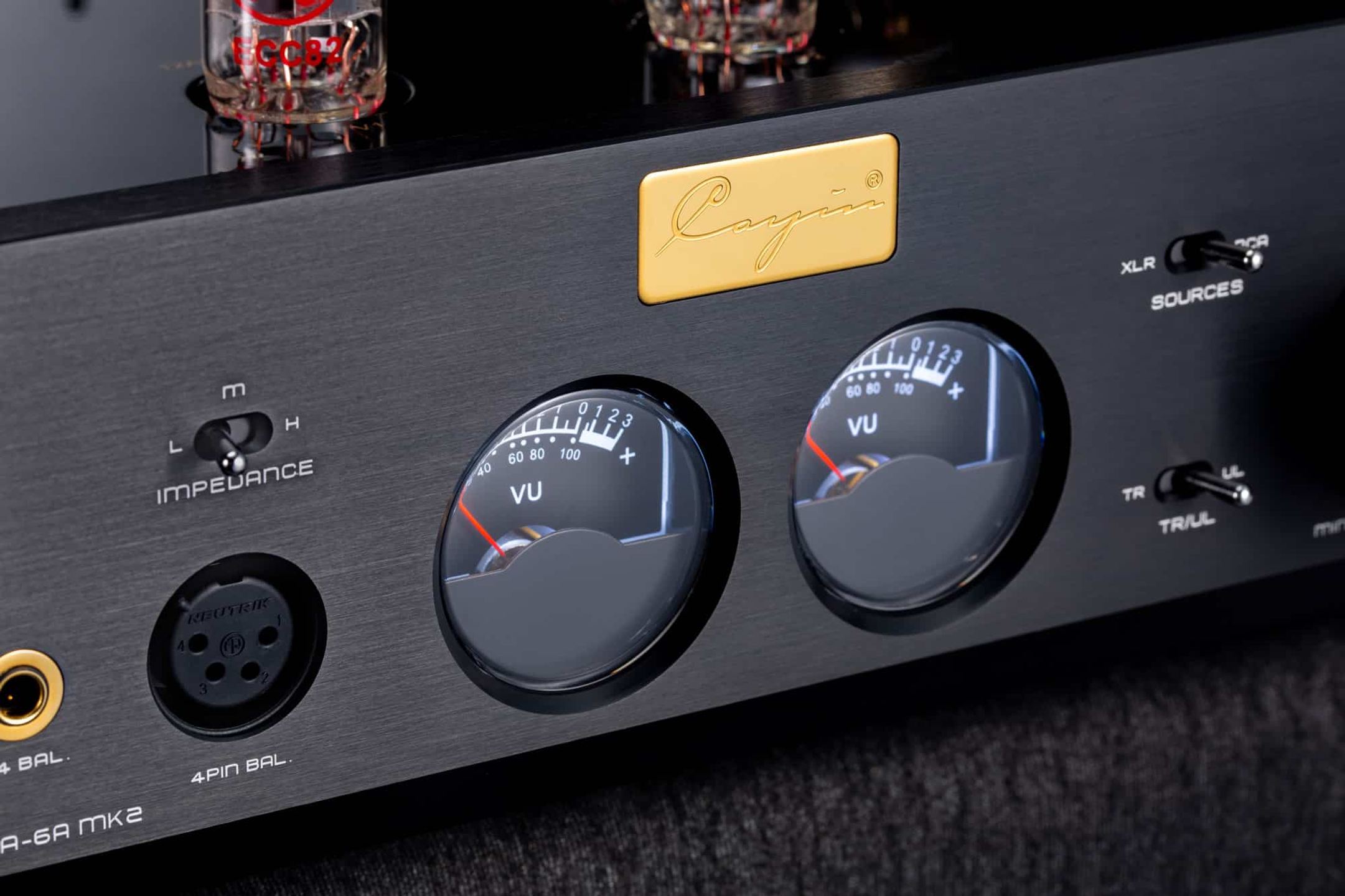
Broad compatibility for experimentation
Unlike the original model, which required toggling rear switches, the MK2 automatically detects the type of power tube installed. In addition to the stock KT88s, the amplifier accepts EL34 tubes (and variants like E34L), 6550, KT66, and even KT150. This flexibility opens the door to sonic customization through tube rolling—a common practice within the tube gear community.
EL34s, for instance, are renowned for sumptuous mids and a warmer character than KT88s. The more recent KT150s offer higher power and even firmer bass. Each tube family brings its own flavor, allowing you to fine-tune the sound to your tastes or to the headphones used. This modularity is one of the major attractions of tube amplification compared to solid-state solutions.
Three impedance settings for optimal matching
The impedance selector offers three positions: Low (8-64 Ω), Medium (65-250 Ω), and High (251-600 Ω). This control adjusts the windings of the output transformers, each dimensioned for a specific impedance range. The goal is to bring the amplifier’s output impedance closer to that of the headphones to optimize energy transfer and minimize reflections.
A 32-ohm headphone will naturally connect to the Low position, a 300-ohm model to High. But this rule isn’t absolute: some users deliberately offset the setting to alter damping factor and thus frequency response. A higher output impedance than the headphones generally boosts bass and softens treble, while a closer match tightens the low end and reveals more detail.
This fine-tuning capability is particularly useful with planar magnetic headphones, often current-demanding, or with certain high-impedance dynamic models like the Sennheiser HD 600/650/800. Compatibility ranges from 8 to 600 ohms, covering most high-fidelity headphones on the market.
Comprehensive connectivity for all use cases
Three headphone outputs are provided on the front panel: a single-ended 6.35 mm jack, a balanced 4.4 mm (Pentaconn) jack, and a balanced 4-pin XLR. The latter delivers maximum power and is the preferred choice for headphones with compatible cables. The 4.4 mm output offers a good balance between performance and convenience, while the 6.35 mm remains the most universal.
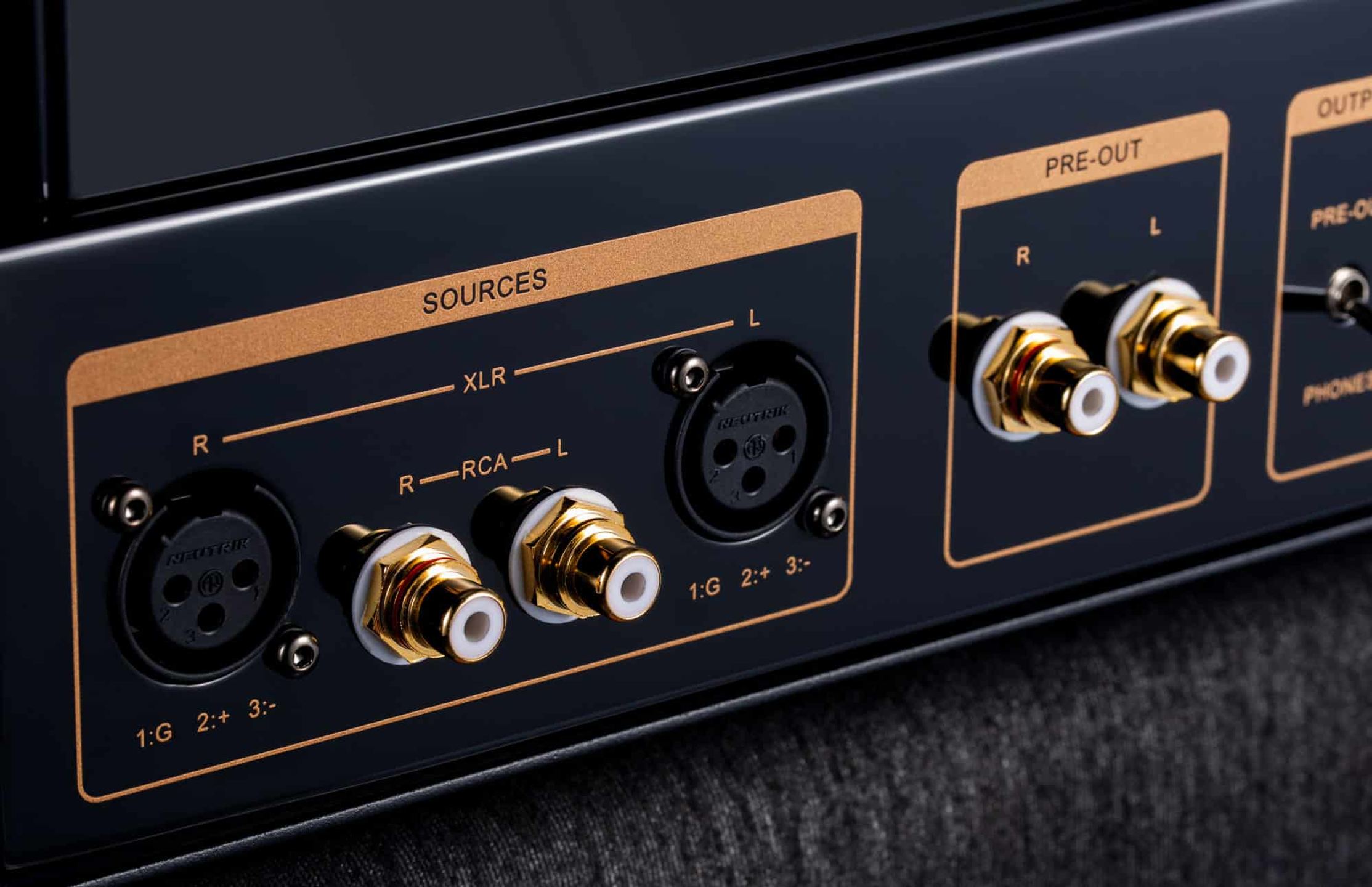
On the rear, there’s an unbalanced RCA input and a balanced XLR input to connect various sources: CD player, DAC, network player, or a turntable equipped with a phono preamp. The presence of a preamp RCA output (max 6 V, 20 dB gain) turns the HA-6A MK2 into a true tube preamp for a complete system. It can thus be used upstream of a power amplifier for speakers or of active speakers.
This versatility allows several setups: headphone listening only, speaker listening with the HA-6A MK2 as a preamp, or mixed use depending on the time of day. The included aluminum remote makes it easy to adjust volume and mute from a distance—a welcome comfort during long listening sessions.
Documentation
Technical Specifications
Architecture and Construction
- Dual-chassis architecture
- Separate chassis for power supply and amplifier to minimize magnetic interference
- EI output transformers and toroidal transformer specially designed for the HA-6A MK2
- Internal shielding and optimized modular layout for very low noise
- Point-to-point construction for maximum fidelity
Key Features
- Point-to-point construction for maximum fidelity
- Dual-chassis architecture reducing interference
- Triode and ultralinear modes for flexible sound rendering
- Extended tube compatibility for customized sound adjustments
Tubes
- Power tubes: 2 × Genalex KT88
- Single-ended Class A
- Excellent linearity
- Voltage amplification tubes: 2 × JJ ECC82 / 12AU7
- Rectifier tubes: 2 × JJ GZ34 / 5AR4
- Rigorously selected for their sonic character, stability, and longevity
- Compatible with other power tubes: 6550, KT66, KT150, etc., for maximum flexibility
Connectivity
- Inputs: 1 × balanced XLR, 1 × unbalanced RCA
- Headphone outputs
- 6.35 mm unbalanced
- 4.4 mm balanced
- 4-pin balanced XLR
- Preamplifier output: 1 × RCA
- Compatible with a wide range of headphones and usable as a tube preamp for external amplifiers or active speakers
Operating Modes
- Triode mode (TR)
- Smooth, warm, and natural sound
- Ideal for vocals, jazz, and acoustic music
- Ultralinear mode (UL)
- Extended dynamics
- Tighter bass and improved control
- Suitable for orchestras and film soundtracks
- Easy selection from the front panel for instant listening comparison
- Aluminum remote control included for volume and mute
Technical Specifications
- 4-pin balanced output power
- UL: 4500 mW + 4500 mW
- TR: 3000 mW + 3000 mW
- 4.4 mm balanced output power
- UL: 1000 mW + 1000 mW
- TR: 650 mW + 650 mW
- 6.35 mm unbalanced output power
- UL: 3500 mW + 3500 mW
- TR: 2300 mW + 2300 mW
- Frequency response: 10 Hz – 26 kHz (± 3 dB)
- Total harmonic distortion (THD): 0.3% (1 kHz @ 200 mW)
- Signal-to-noise ratio: 104 dB (A-weighted)
- Impedance matching: 8 Ω – 600 Ω (L / M / H selectable)
- Preamp output voltage: 6 V max
- Preamp gain: 20 dB
- Tubes used: ECC82 × 2, KT88 × 2, GZ34 × 2
- Inputs: 1 × RCA, 1 × XLR
- Preamp output: 1 × RCA
- Power consumption: 130 W
- Dimensions (W × D × H)
- PSU: 160 × 297 × 185 mm
- AMP: 285 × 297 × 185 mm
- Net weight
- PSU: 8.2 kg
- AMP: 11.2 kg
Frequently asked questions
Can the HA-6A MK2 drive demanding planar magnetic headphones?
The available power (up to 4500 mW per channel in ultralinear mode on the XLR output) can indeed drive most planar headphones. The three impedance positions facilitate matching, with the Low position generally appropriate for this type of transducer. Ultralinear mode offers the best control and greatest dynamics with these headphones.
What’s the difference between triode and ultralinear modes?
Triode mode emphasizes smoothness and naturalness with a wide soundstage, ideal for jazz, chamber music, and acoustic recordings. Ultralinear mode delivers more power, firmer bass, and faster transients, better suited to symphonic orchestras and electronic music. Power increases from 3000 mW to 4500 mW per channel (XLR output) depending on the selected mode.
Can the KT88 tubes be replaced with other models?
The HA-6A MK2 accepts 6550, KT66, KT150, and the entire EL34 family (E34L, 6CA7, etc.) without modification. Automatic tube-type detection eliminates the manual adjustments required on the previous model. Each tube family brings its own sonic signature, allowing you to tailor the presentation to your preferences.
Does the external power supply really improve performance compared to a single chassis?
Physical separation between the power supply and the amplifier reduces magnetic interference that can degrade the signal-to-noise ratio. The toroidal transformer in the PSU remains away from the sensitive amplification stages. Users of the older HA-6A report a noticeably lower noise floor with the MK2, particularly audible with high-sensitivity headphones.
How do you use the preamp function in a full system?
The rear-panel preamp RCA output delivers up to 6 V with 20 dB of gain. It connects to the input of a power amplifier for speakers or directly to active speakers. This setup lets you enjoy tube coloration upstream of loudspeakers, offering an alternative to headphone listening without the need for a dedicated preamp.
Does the remote control all functions?
The included aluminum remote only adjusts volume and activates mute. Mode changes (triode/ultralinear), output impedance, or input source selection are performed manually on the unit. This choice limits control circuits in the signal path.
- Eco-contribution included in the sale price.
- Manufacturer reference: CAYHA6AMK2BK
- GTIN / EAN: 6957914912308