

Astell&Kern SEM-2

Overview
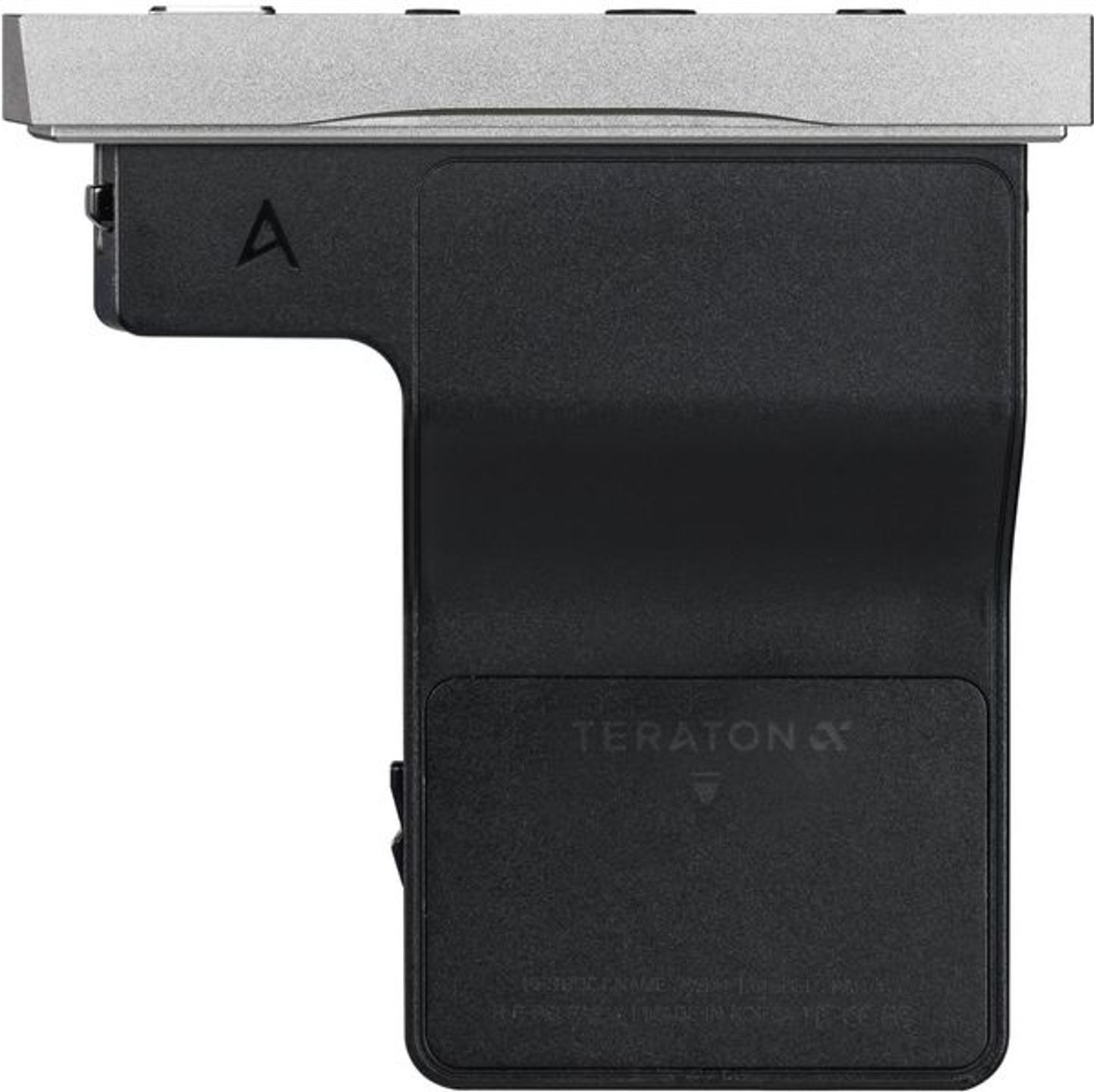
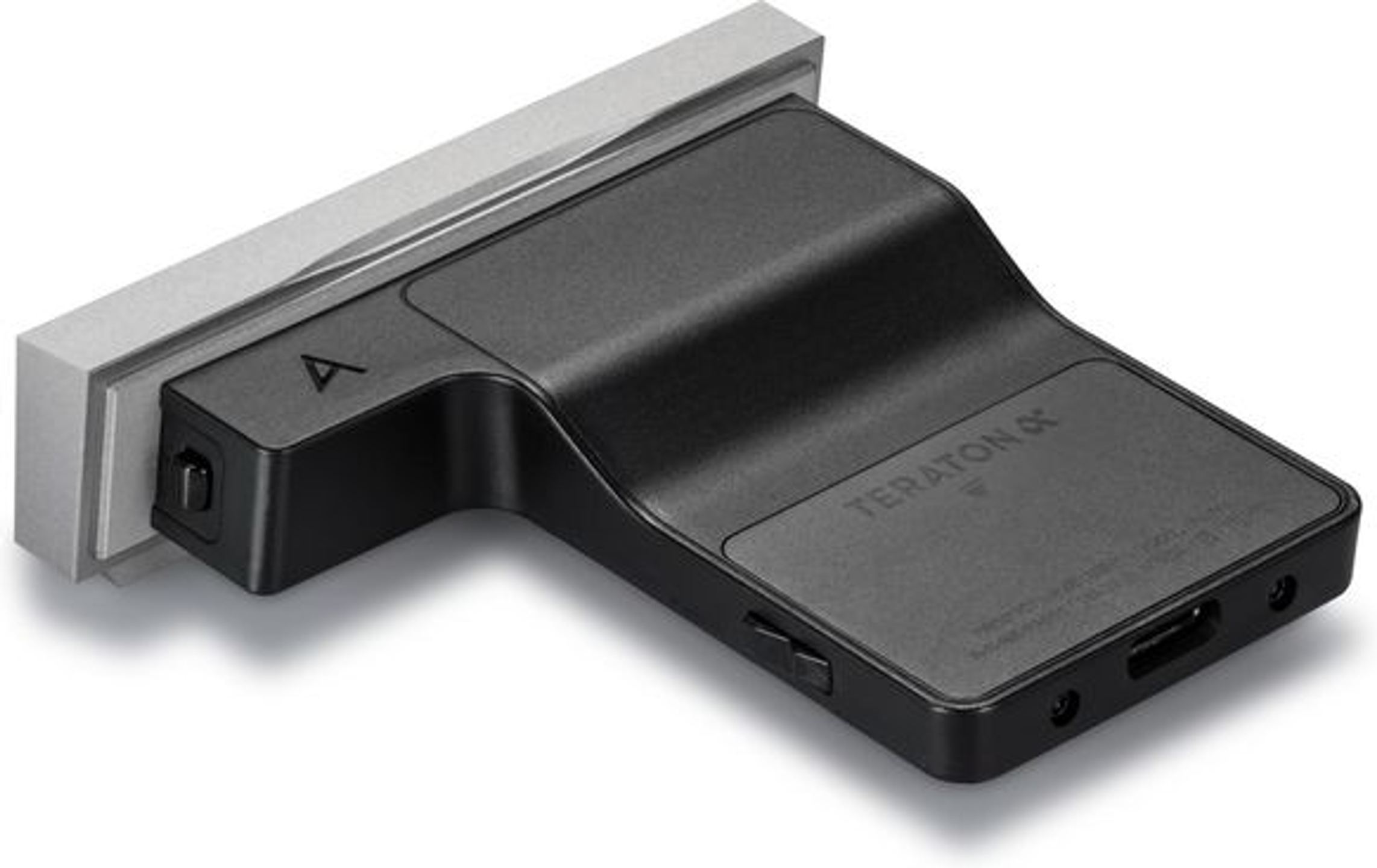
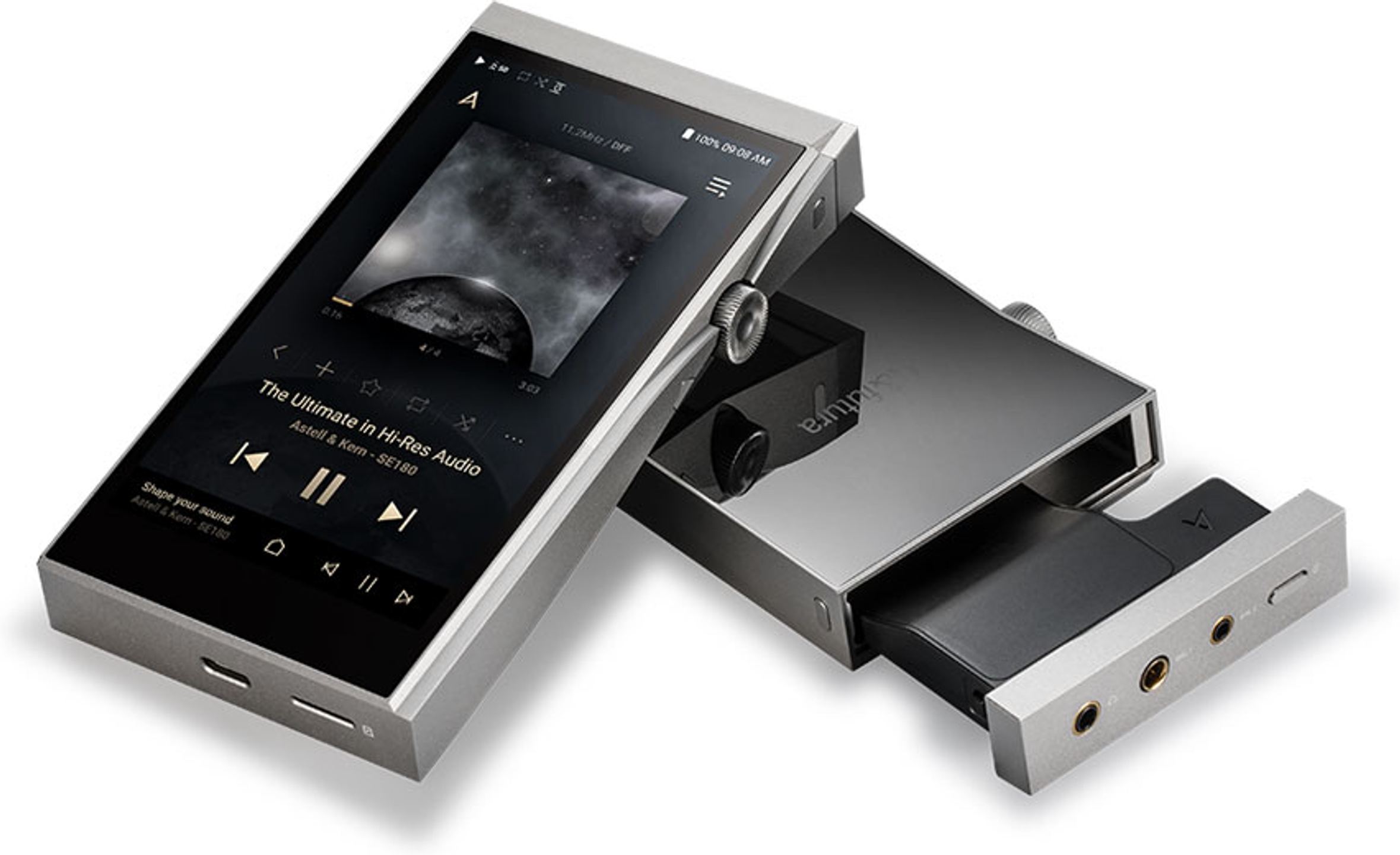
The SEM-2 is a conversion and amplification module developed by Astell&Kern for the SE180 portable player. It features two AKM AK4497EQ DACs and uses proprietary TERATON ALPHA technology. Weighing 100 grams, this module allows users to tailor sound reproduction to their preferences. It boasts a signal-to-noise ratio of up to 127 dB.
Dual DAC Architecture and Isolated Design
At the heart of the SEM-2 lies a dual-mono configuration using two AKM AK4497EQ chips. This architecture enables independent conversion for each channel, drastically reducing crosstalk and optimizing stereo separation. Each DAC processes only its assigned channel, an approach that minimizes mutual interference and preserves the integrity of the audio signal.
The module’s physical design deserves special attention. Complete isolation between the main body of the SE180 and the module creates an effective barrier against electromagnetic interference and power supply noise. This physical separation is more than just a technical feature: it establishes an independent structure where analog and digital circuits operate in electrically distinct environments.
The integrated precision clock plays a crucial role in reducing jitter, the timing fluctuations that can degrade sound quality. Meticulous synchronization of digital data ensures analog conversion with surgical precision, especially noticeable in transients and micro-details.
TERATON ALPHA Technology: The Sound DNA of Astell&Kern
TERATON ALPHA is much more than a marketing claim. This patented sound solution, the result of tens of thousands of hours of research, embodies Astell&Kern’s philosophy: to reproduce sound as it was recorded. The name itself reveals the ambition of the project—TERA meaning trillion, combined with TONE to represent the vastness of the accessible sound spectrum.
This technology operates on three main fronts. First, active power noise suppression uses specific patents to maintain an exceptionally low noise floor. Next, optimized power management supplies the amplification circuits with perfectly stable voltage, even during demanding dynamic passages. Finally, the audio output interface benefits from a completely redesigned layout to minimize distortion.
The implementation of TERATON ALPHA in the SEM-2 results in impressive objective measurements: total harmonic distortion of just 0.0005% on the balanced output and a linear frequency response of ±0.06 dB between 20 Hz and 20 kHz.
Amplification Section and Advanced Connectivity
The SEM-2’s amplification section reflects meticulous attention to every component. The choice of operational amplifiers, PCB routing, and component placement—every technical decision aims to extract the maximum potential from the AK4497EQ DACs.
The module offers three carefully differentiated connection options. The unbalanced 3.5 mm output delivers up to 3 Vrms in high-gain mode, sufficient to comfortably drive most headphones on the market. The balanced 2.5 mm (4-pole) and 4.4 mm (5-pole) outputs push this capability to 6 Vrms, providing substantial power reserves for the most demanding headphones.
This generous power output is paired with particularly low output impedance: 1 Ω on the 3.5 mm output and 1.5 Ω on the balanced outputs. These values ensure optimal control across the entire frequency spectrum, which is especially crucial with multi-armature earphones whose impedance varies with frequency.
Format Compatibility and Measured Performance
The SEM-2 natively supports an impressive variety of audio formats. PCM files are handled up to 32 bits and 768 kHz, while native DSD is supported up to DSD512 (22.4 MHz). This extensive compatibility also includes MQA files, allowing users to access high-resolution streaming catalogs without compromise.
Measured performance places the SEM-2 among the elite of portable converters. Crosstalk reaches -147 dB in balanced high-gain mode, a figure that exceeds the measurement capabilities of many laboratory instruments. SMPTE intermodulation distortion—a particularly revealing test of complex non-linearities—remains as low as 0.0002%.
The extended frequency response is also noteworthy: linearity remains exemplary up to 70 kHz, with a maximum variation of ±0.67 dB. This extension into the ultrasonic range, though inaudible directly, contributes to temporal precision and the naturalness of transients.
Installation and User Ergonomics
Installing the SEM-2 in the SE180 reveals sophisticated mechanical engineering. The clip-on mounting system ensures a reliable electrical connection while allowing for quick module changes. Two side release buttons free the module with a precise motion—though the operation requires some getting used to, as the module may eject rather briskly during initial handling.
The compact dimensions (77 × 76 × 19.9 mm) and moderate weight (100 g) preserve the overall balance of the SE180. The module integrates seamlessly into the player’s industrial design, maintaining the aesthetic coherence of the whole.
A crucial point: the module must be changed only when the player is turned off. This precaution avoids any risk of damage to sensitive electronic circuits. Once installed, the SE180 automatically recognizes the new module and adapts its interface accordingly.
Technical Specifications
Audio Performance
Frequency Response
- Unbalanced:
- ± 0.07 dB (20 Hz - 20 kHz)
- ± 0.68 dB (20 Hz - 70 kHz)
- Balanced:
- ± 0.06 dB (20 Hz - 20 kHz)
- ± 0.67 dB (20 Hz - 70 kHz)
Signal-to-Noise Ratio
- Normal gain: 122 dB at 1 kHz (unbalanced), 124 dB at 1 kHz (balanced)
- High gain: 125 dB at 1 kHz (unbalanced), 127 dB at 1 kHz (balanced)
Crosstalk
- Normal gain: -138 dB at 1 kHz (unbalanced), -145 dB at 1 kHz (balanced)
- High gain: -138 dB at 1 kHz (unbalanced), -147 dB at 1 kHz (balanced)
Total Harmonic Distortion + Noise (THD+N)
- Normal gain: 0.0006% at 1 kHz (unbalanced), 0.0005% at 1 kHz (balanced)
- High gain: 0.0008% at 1 kHz (unbalanced), 0.0006% at 1 kHz (balanced)
SMPTE Intermodulation Distortion (IMD SMPTE)
- 0.0002%, 800 Hz / 10 kHz (4:1) unbalanced
- 0.0002%, 800 Hz / 10 kHz (4:1) balanced
Output Impedance
- 3.5 mm: 1 Ω
- 2.5 mm: 1.5 Ω
- 4.4 mm: 1.5 Ω
Connectivity
- Unbalanced output: 3.5 mm
- Balanced outputs:
- 2.5 mm (4-pole only)
- 4.4 mm (5-pole only)
Physical Characteristics
- Dimensions (W × H × D): 77 × 76 × 19.9 mm
- Weight: 100 g
Frequently Asked Questions
What sonic difference does the SEM-2 offer compared to the SEM-1 module supplied with the SE180?
The SEM-1 uses an ESS ES9038PRO DAC in an 8-channel configuration, favoring analytical precision and transparency. The SEM-2, with its AKM AK4497EQ DACs, offers a more organic presentation, with a slight emphasis on harmonic richness and timbral smoothness. The differences remain subtle but perceptible during attentive comparative listening.
Is the SE180’s battery life affected by using the SEM-2?
The SEM-2 consumes slightly more than the standard SEM-1 module, reducing battery life by about 10–15%. In practice, expect 12–13 hours of continuous use versus 14–15 hours with the SEM-1. This difference is due to the dual DAC configuration and more sophisticated amplification circuits.
Can I use the 2.5 mm and 4.4 mm balanced outputs simultaneously?
No, only one output can be active at a time. The SE180 automatically detects which output is in use and disables the others to optimize performance and prevent short circuits. This limitation also ensures that all available power is directed to the active output.
How does the SEM-2 handle DSD files?
The SEM-2 natively decodes DSD up to DSD512 without prior conversion to PCM. This approach preserves the integrity of the DSD format and its specific sonic characteristics. The SE180’s user interface clearly displays when a DSD file is playing and indicates its sampling rate.
Does the module require burn-in?
While electronic components do not require mechanical burn-in, some users report a slight sonic evolution during the first 50–100 hours of use. This perception may be due to the thermal stabilization of components and the ear’s acclimatization to the new sound signature.
Are there specific accessories to protect the SEM-2 during transport?
Astell&Kern does not offer a dedicated case for the module alone. During transport, it is recommended to keep the module in its original packaging or in a generic hard case. The module’s aluminum housing provides reasonable protection against minor impacts.
- Eco-contribution included in the sale price.