Jørn
Really good, but difficult to set up optimally
Comment from October 06, 2026 — Experience from August 08, 2026
Automatically translated — Show original (Danish)
Super god, men svær at opsætte optimalt
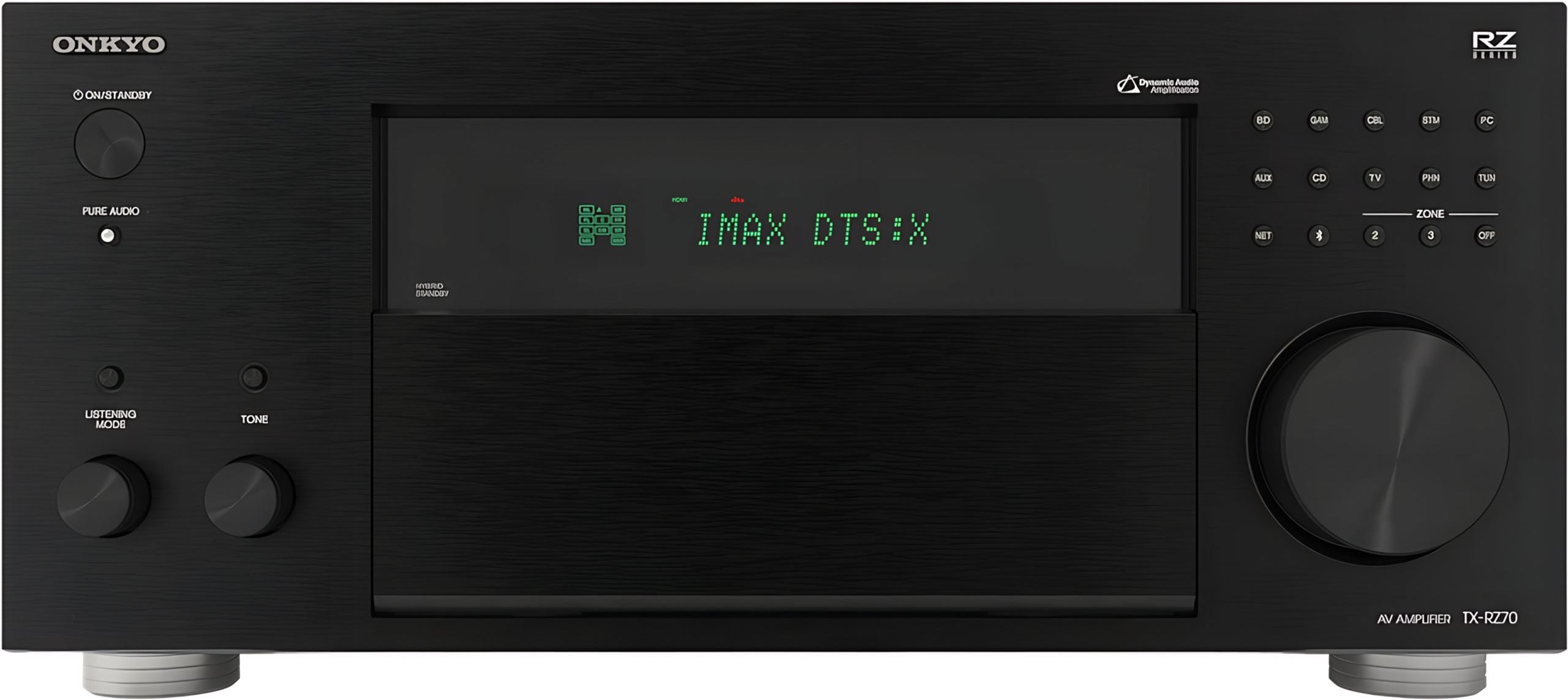
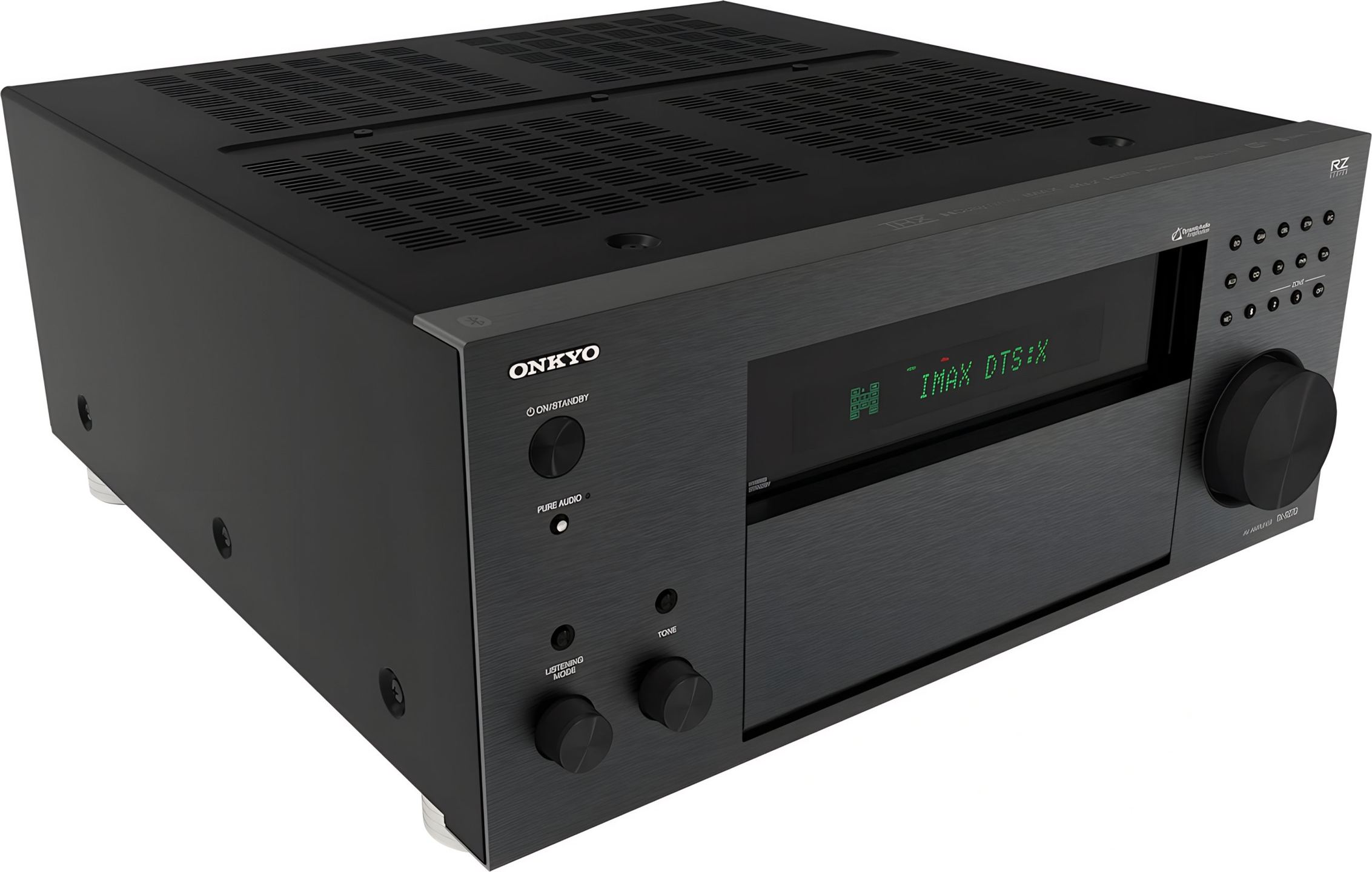
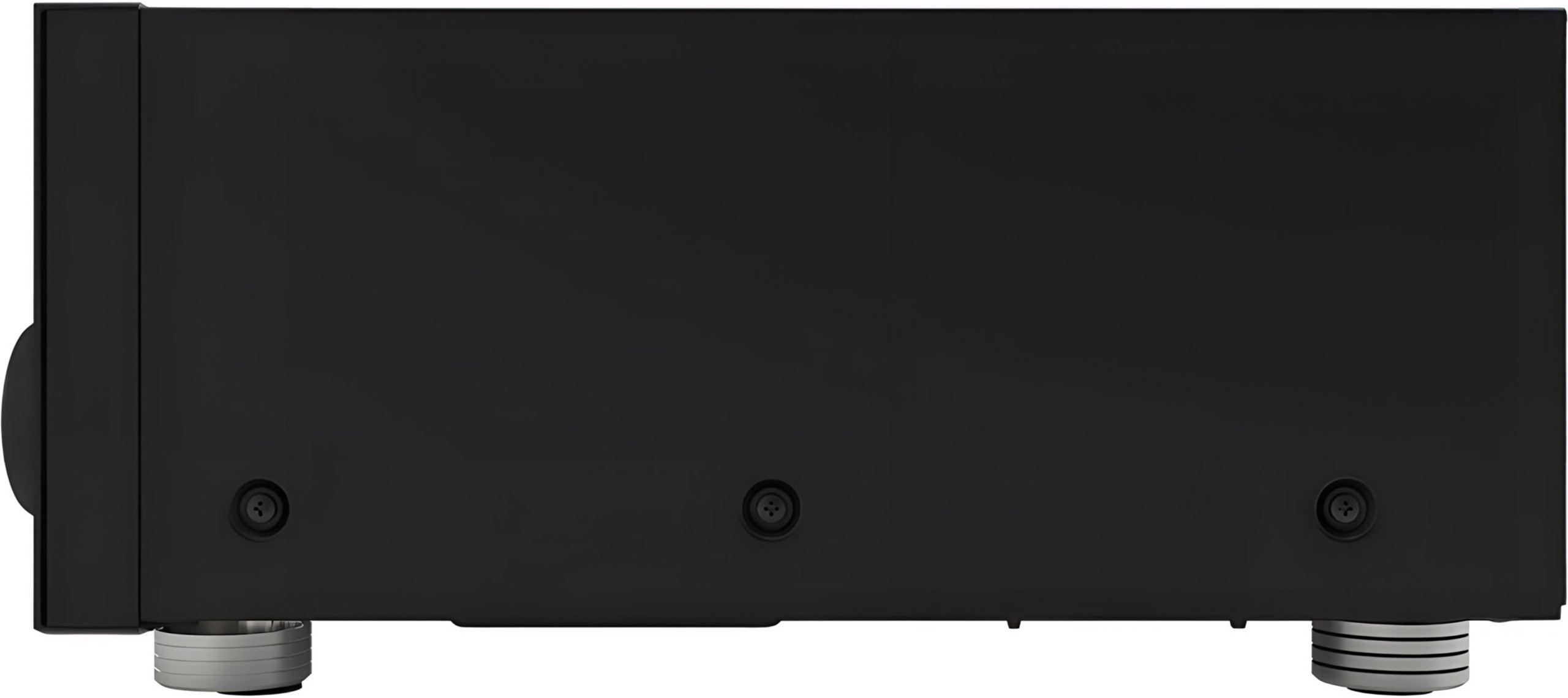
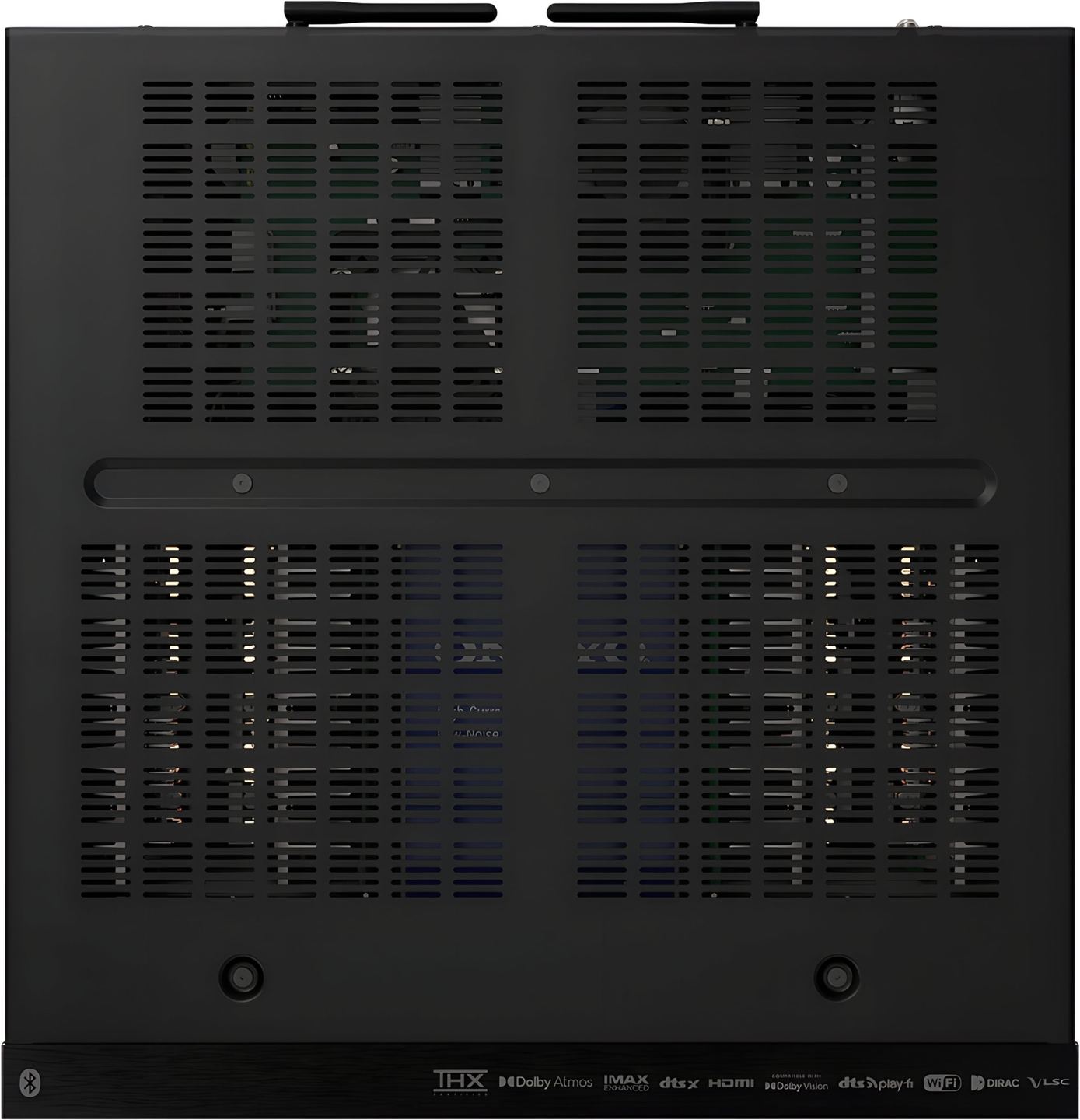
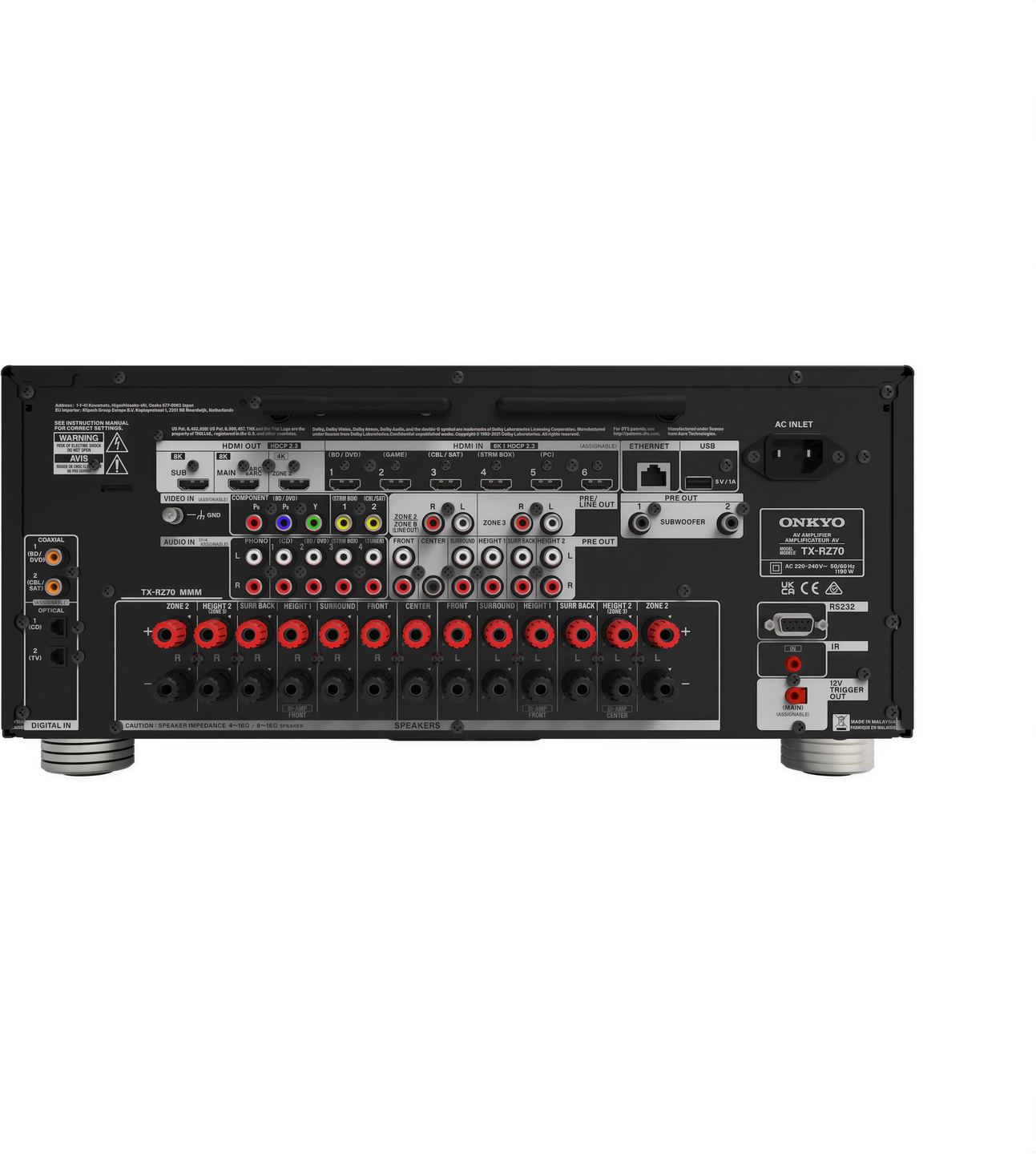


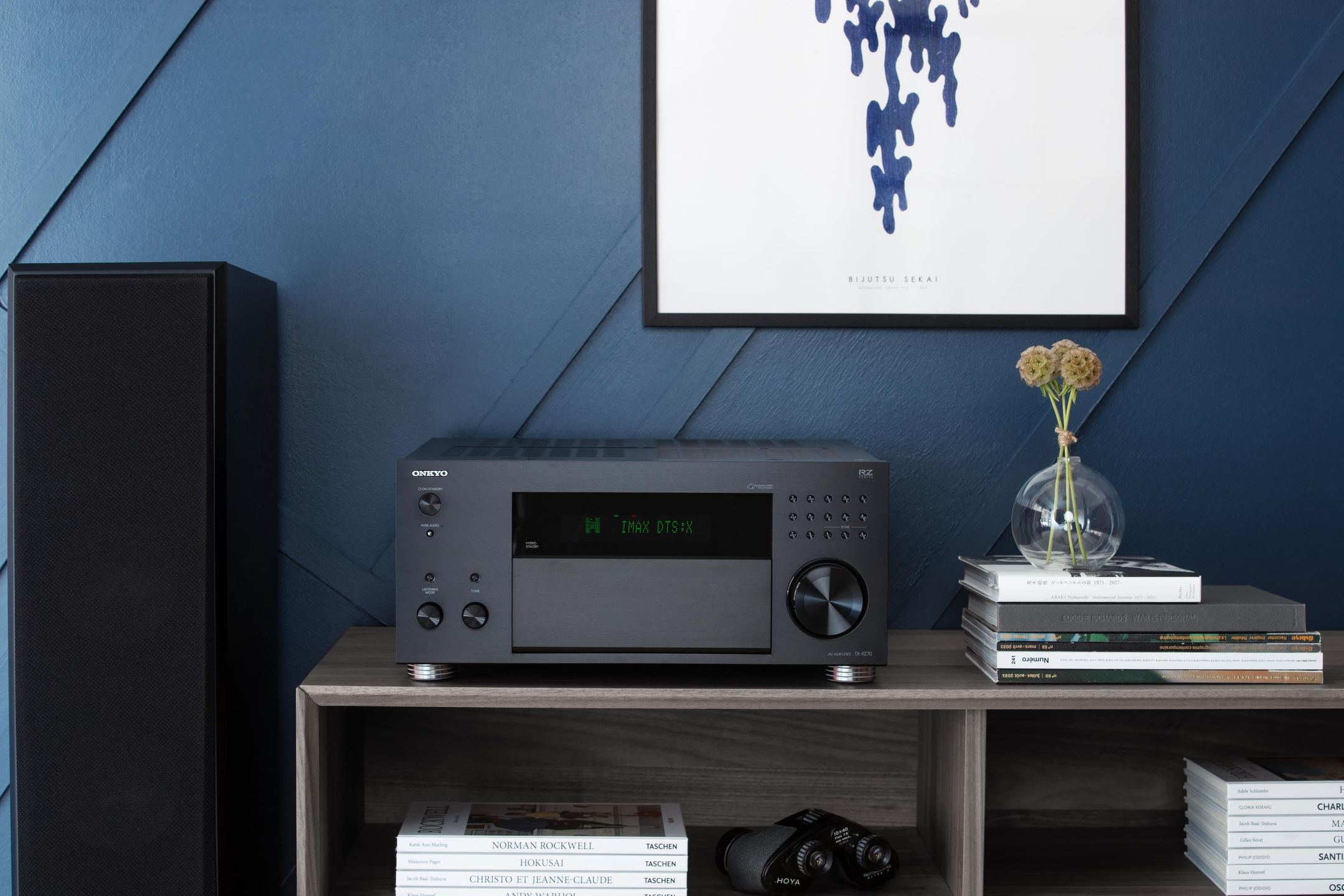
After the success of the TX-RZ50, Onkyo returns with the flagship of its RZ range. The TX-RZ70 features eleven amplified channels, a reinforced power supply section, and an architecture designed to take advantage of the latest audio and video formats. Equipped with 32-bit ESS Sabre DACs and supplied with a Dirac Live Full Bandwidth license, this amplifier aims to reconcile cutting-edge digital processing with faithful sound reproduction, all in a chassis capable of powering 7.2.4 configurations.
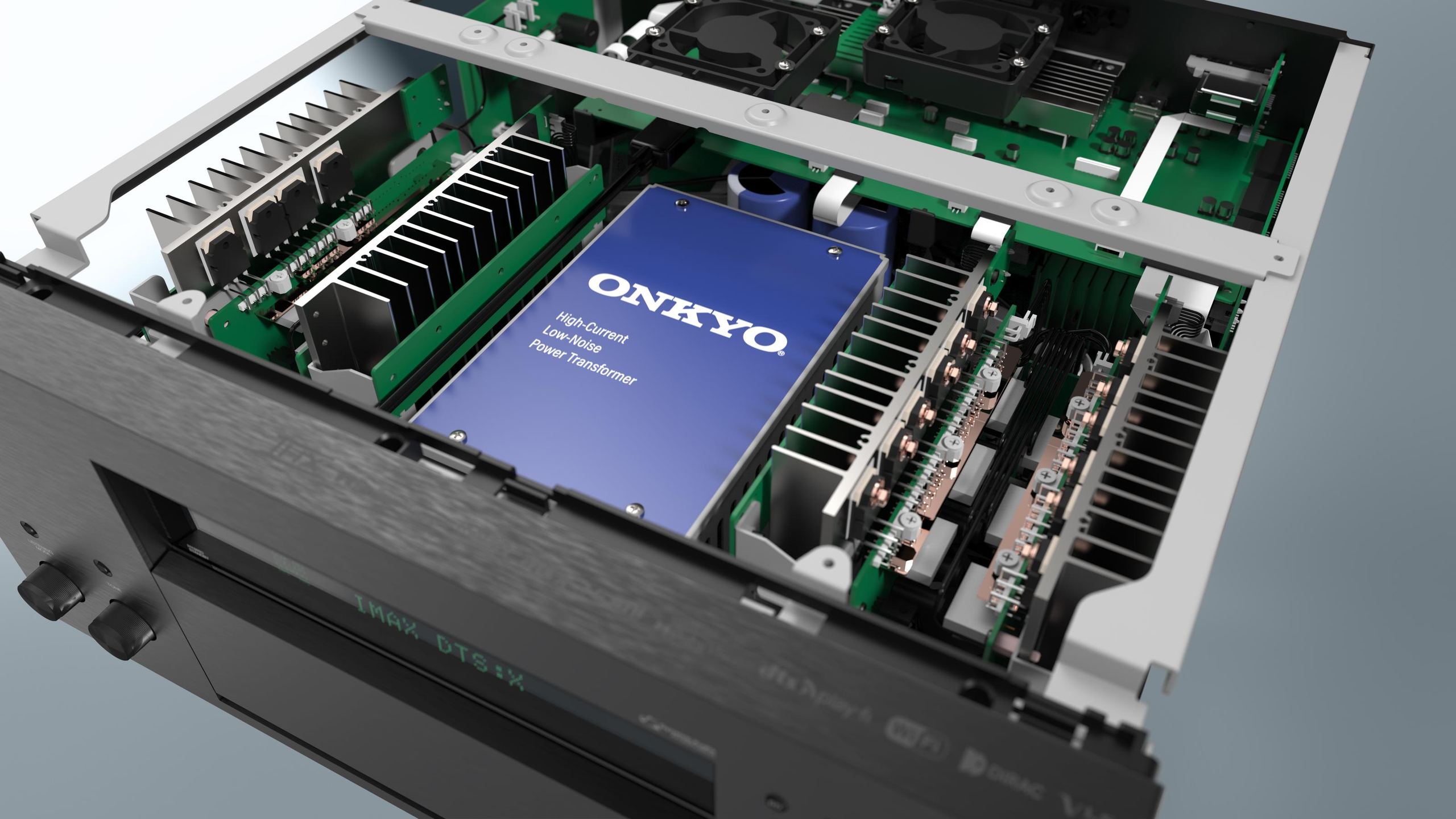
The TX-RZ70 relies on eleven discrete class AB output stages, each delivering 140 W into 8 ohms (two channels driven, 0.08% THD). The chosen architecture favors phase-linear operation thanks to a two-stage amplification circuit. Onkyo has custom-sized the toroidal transformer to handle the sudden current demands of dynamic soundtracks without triggering protection. Extruded aluminum heat sinks ensure heat dissipation, while two internal fans, practically inaudible according to Onkyo, take over during extended high-volume sessions.
Compatibility extends to loads from 4 to 16 ohms, broadening the choice of speakers. The preamplified outputs also allow the TX-RZ70 to be used as a preamp-processor, with amplification of the main channels entrusted to a separate power amp if the room requires it.
Two ESS Sabre ES9026PRO chips handle digital-to-analog conversion for all channels. This family of 32-bit DACs is distinguished by a high signal-to-noise ratio and particularly low distortion. VLSC (Vector Linear Shaping Circuitry) filtering comes into play downstream to eliminate high-frequency artifacts resulting from oversampling, while a PLL (Phase-Locked Loop) circuit stabilizes the clock of SPDIF signals in order to reduce jitter.
The network module benefits from dedicated shielding. This isolation limits electromagnetic interference that could spread to sensitive audio circuits, a detail that matters when using Wi-Fi or Bluetooth streaming alongside a high-resolution source.
Onkyo includes a Dirac Live Full Bandwidth license as standard, an acoustic correction system renowned in professional circles. The software analyzes measurements from the supplied microphone (or a third-party USB mic for greater precision) and then generates corrective filters tailored to the room’s resonances and standing waves. The license covers the entire audible spectrum.
For setups with multiple subwoofers, an optional upgrade to Dirac Live Bass Control manages each subwoofer independently and optimizes the coupling between them. This function is aimed at rooms where physical placement of the subs does not allow optimal time alignment without digital correction.
The AccuEQ system developed by Onkyo remains available for those who prefer an integrated solution controllable from the OSD or the mobile app.
The TX-RZ70 natively decodes Dolby Atmos, DTS:X, and Auro-3D. IMAX Enhanced certification guarantees faithful reproduction of soundtracks mixed according to IMAX specifications, with a reference level calibrated for a screen-to-listener distance of around 3.5 m. Four THX modes (Cinema, Music, Gaming, Surround EX) round out the palette to adapt sound reproduction to the content being viewed.
The maximum configuration uses seven ear-level channels, two independent subwoofer outputs, and four height channels (7.2.4). Users equipped with Klipsch Reference speakers or Reference Premiere can enable Klipsch Optimize mode, which automatically applies the crossover frequencies defined by the American manufacturer.
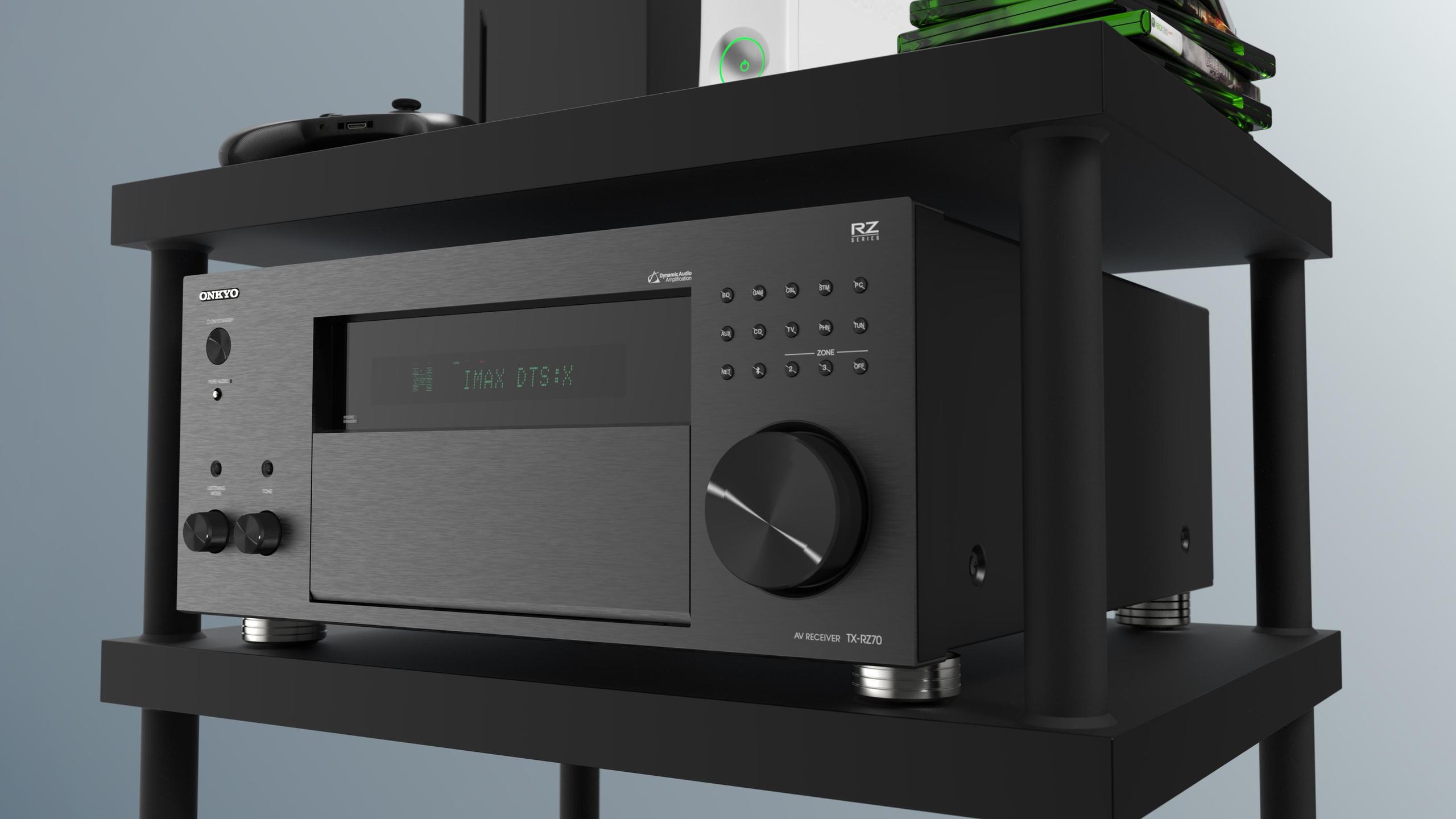
Seven HDMI 2.1 inputs (three of which support 40 Gbit/s) accept 8K/60 Hz and 4K/120 Hz signals. Three HDMI outputs are available, including one dedicated to Zone 2 and capable of delivering a 4K source different from that in the main room. Video signal passthrough is carried out without processing, with support for Dolby Vision, HDR10+, and HLG.
VRR (Variable Refresh Rate), ALLM (Auto Low Latency Mode), and QMS (Quick Media Switching) features reduce latency and screen flicker during source transitions. Gamers on recent consoles thus benefit from smooth images without tearing or micro-stutter.
The TX-RZ70 manages three distinct audio zones. Zone 2 has its own HDMI output, while Zones 2 and 3 can be powered either by reassigned surround channels or via preamp outputs. The DTS Play-Fi protocol allows synchronized streaming to compatible speakers located in other rooms. AirPlay 2, Chromecast built-in, and Spotify Connect complete the streaming options.
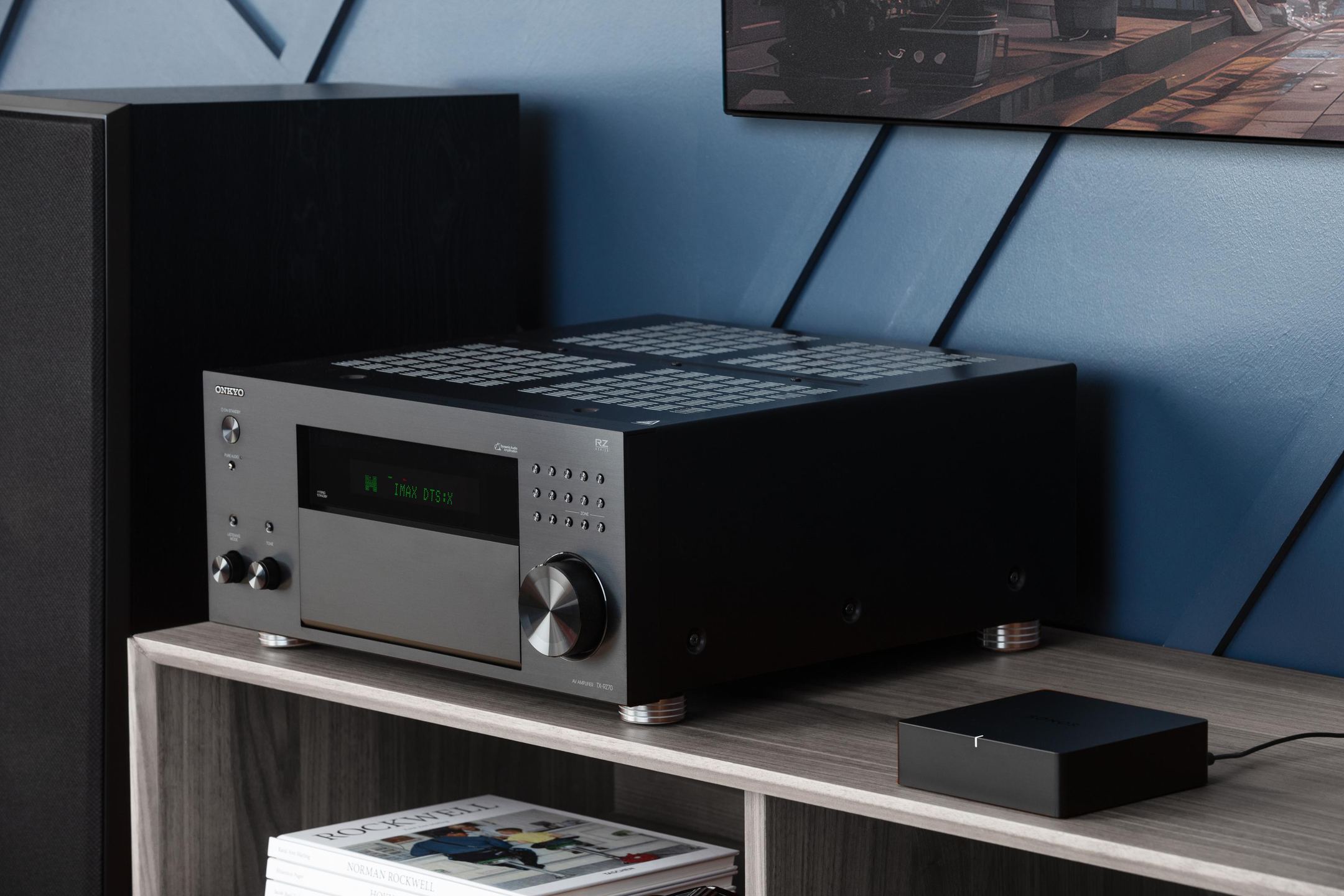
Works with Sonos certification allows the amplifier to be integrated into an existing Sonos system via Sonos Port units (up to three, one per zone). Volume and source control are then handled via the Sonos app, with support for Volume Pass-Through.
Pure Audio mode switches off the video circuits, network, and DSP processing, turns off the display, and isolates the analog path in order to limit sources of electromagnetic noise. This approach brings the sound reproduction closer to that of a dedicated hi-fi amplifier.
The MM phono input (3.5 mV, 47 kΩ) directly accommodates a turntable without an external preamp. Bass and treble tone controls remain available on the main zone and Zone 2, and can be disabled for those who prefer linear listening.
The chassis weighs 22 kg and measures 435 × 201.5 × 480 mm. Anti-vibration steel feet stabilize the unit on standard AV furniture (17-inch width). The front panel features a green matrix display readable from a distance, a direct input selector, and a flip-down door concealing secondary controls, the front HDMI input, and the headphone jack.
The backlit remote control includes a dedicated Dirac Live button, speeding up switching from one correction profile to another. The Onkyo Controller app (iOS/Android) and the web interface accessible from a browser enable advanced setup, including real-time monitoring of internal temperature.
Yes. The amplifier supports loads from 4 to 16 ohms on all channels. The oversized transformer and heat sinks maintain stability even during prolonged use with demanding speakers.
The supplied wired microphone is suitable for basic calibration via the mobile app. For more precise measurements, Dirac recommends a calibrated third-party USB mic (such as the miniDSP UMIK-1 or UMIK-2), which can be used with the Dirac Live software on PC or Mac.
No. This mode applies predefined crossover settings for the Klipsch Reference and Reference Premiere lines only. With other speakers, it is still possible to manually set the crossover frequencies or let Dirac Live optimize the system.
The Zone 2 output can deliver an HDMI source different from that in the main room, in 4K resolution. This setup allows, for example, a movie to be watched in the living room while other content plays in a bedroom equipped with a compatible TV.
Based on reviews from customers who purchased this product, summarised by AI
Jørn
Really good, but difficult to set up optimally
Comment from October 06, 2026 — Experience from August 08, 2026
Thomas
It was supposed to replace a denon AVR-X2000, but not everything went as planned... the unit was a display model, a great deal!
The specifications seemed ideal for my use, but the ergonomics made me reconsider my choices.
The settings are tedious when you're coming from the Denon world, and the philosophies of the two brands are poles apart.
It wouldn't have taken much for me to keep it, but my home cinema / music use isn't suited to this type of unit.
The pros:
- Impeccable quality
- Built-in Dirac
- Really effective factory calibration
- Power of the unit
- the different listening modes
The cons:
- Having to use several apps to access streaming functions
- Connectivity problems with the network card
- Unreliable chromecast operation
- Complicated switching between cinema and music use when Dirac is enabled
- Inability to switch between the unit's calibration and Dirac calibration
Comment from October 03, 2026 — Experience from August 03, 2026
Philippe
Amp lives up to my expectations in terms of power and audio quality, with greater ease of use compared to my previous Yamaha 2080…
Much more musical in stereo use…
Comment from September 20, 2026 — Experience from September 04, 2026