Optoma Photon Beam PK52
This product is no longer available for sale!



Similar products from Optoma

Specifications and features


Overview
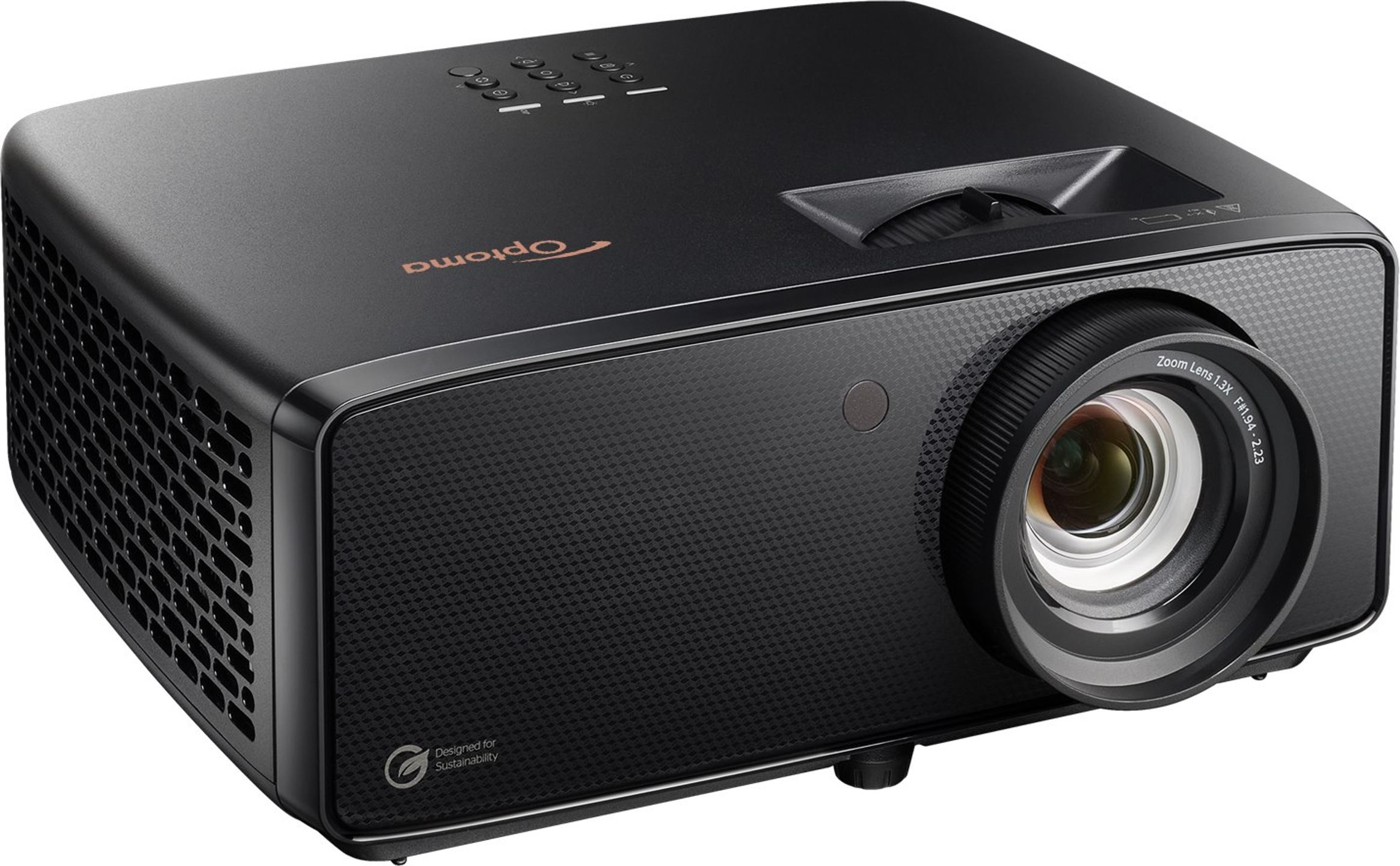
The Photon Beam PK52 is Optoma’s latest 4K UHD laser projector, unveiled at the ISE 2026 trade show in Barcelona. The DuraCore light source, HDR support, and proprietary image processing make it a versatile device, equally suited to movie nights and 120 Hz gaming sessions.
DuraCore laser source and longevity
The PK52 abandons traditional lamps in favor of a single DuraCore laser source. This technology offers near-instant power-on, with no warm-up time, and immediate power-off. Optoma claims a lifespan of 30,000 hours, or about ten years based on eight hours of viewing per day. During this period, brightness (3,500 lumens) and colorimetry remain stable, whereas a conventional lamp gradually loses intensity. The optical block benefits from IP6X certification: it is dustproof, which contributes to long-term reliability. The device supports continuous 24/7 operation, a useful feature for digital signage or museum installations.
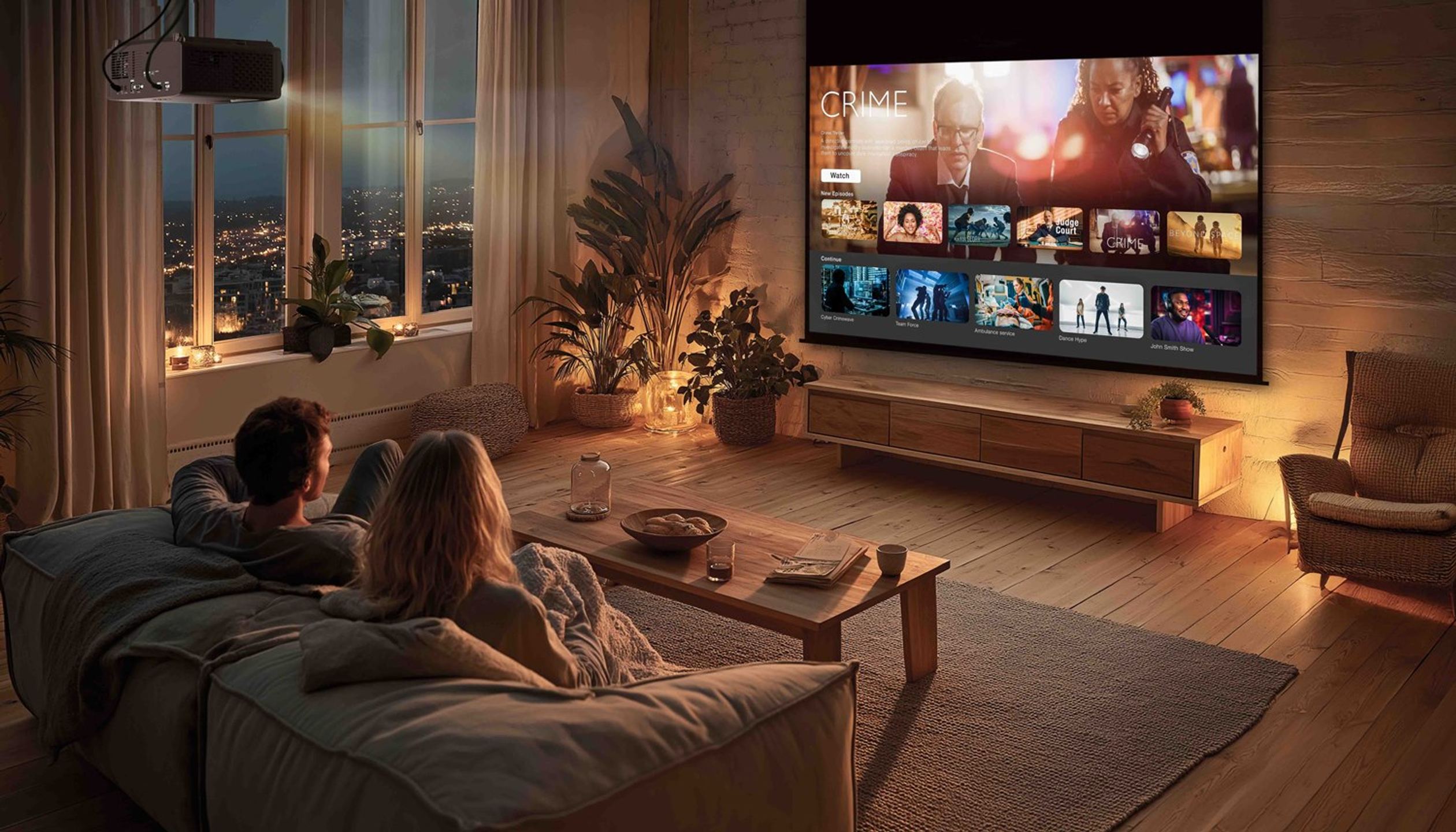
4K built via pixel shifting
UHD resolution (3840 × 2160 pixels) is achieved via XPR processing: the DLP system rapidly displays images shifted by half a pixel to reach 8.3 million pixels on screen. This method, common in DLP projectors in this segment, produces a detailed and sharp image. It differs from a native 4K matrix, but the end result is more than satisfactory for home cinema use. The claimed dynamic contrast reaches 1,500,000:1. In practice, as with most single-chip DLPs, very dark scenes can reveal slightly grayish blacks rather than absolute black.

Calibrated colors and picture modes
Optoma claims coverage of 95% of the DCI-P3 color space, the color standard for digital cinema. Deep reds and saturated greens gain intensity compared with a projector limited to Rec. 709. The PureEngine Ultra processing engine adjusts sharpness, gradients, and color calibration based on preset or customizable profiles.
Filmmaker Mode disables superfluous video processing (smoothing, automatic adjustments) in order to preserve the original frame rate and the colorimetry intended at mastering. ISF (Imaging Science Foundation) modes adapt the image to ambient light conditions, with separate settings for day and night. HDR is supported, but the PK52 does without Dolby Vision and HDR10+.

Smoothness and gaming
PureMotion MEMC technology interpolates frames to reduce motion blur and judder. It proves useful for sports broadcasts or fast-paced action scenes. For films at 24 frames per second, it is better to disable it to preserve the original cinematic look.
The projector accepts signals up to 120 Hz, making it compatible with the latest generation consoles. Latency (input lag) is not specified in the official specifications, a point that competitive gamers will want to check.

Installation and placement flexibility
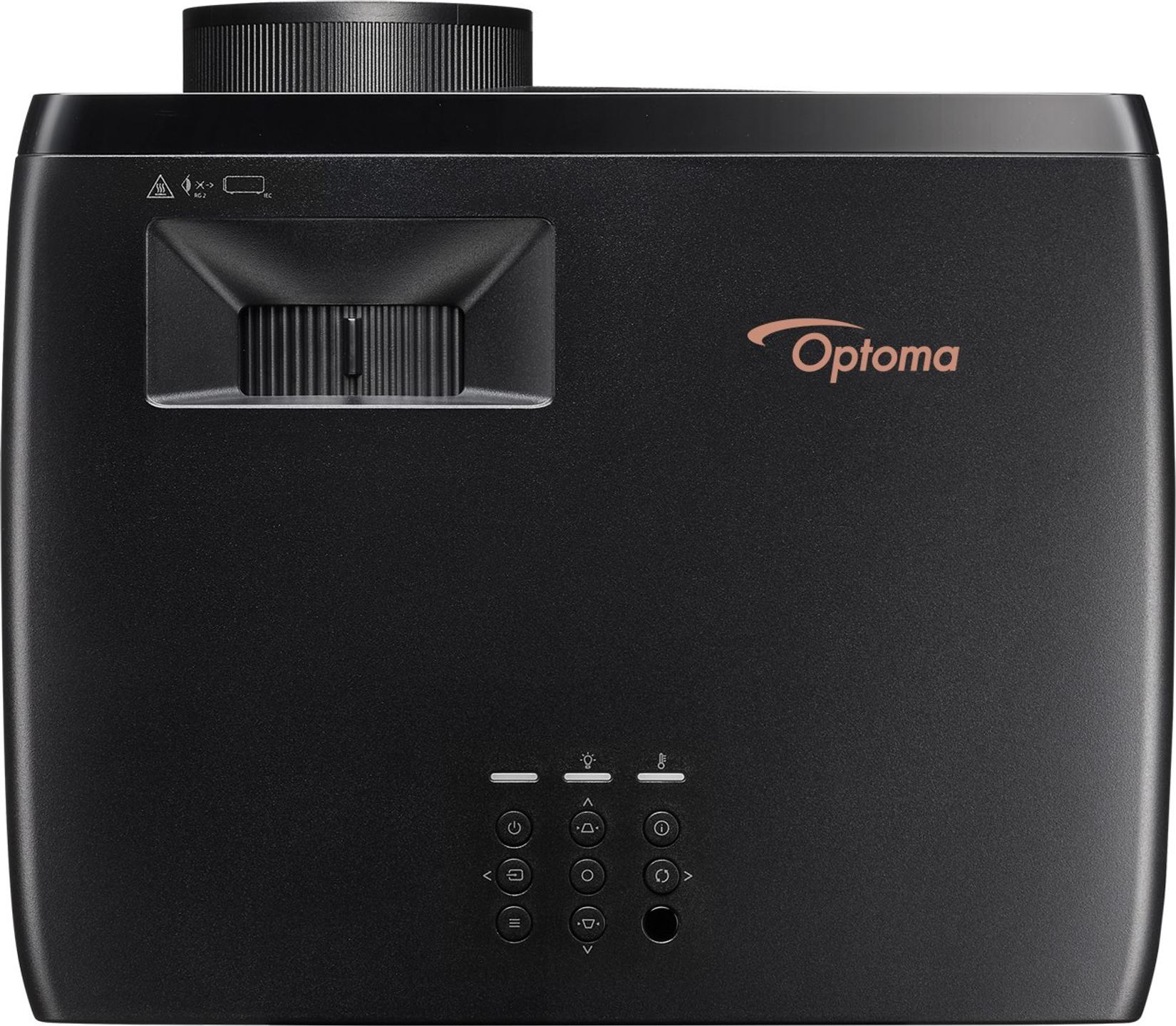
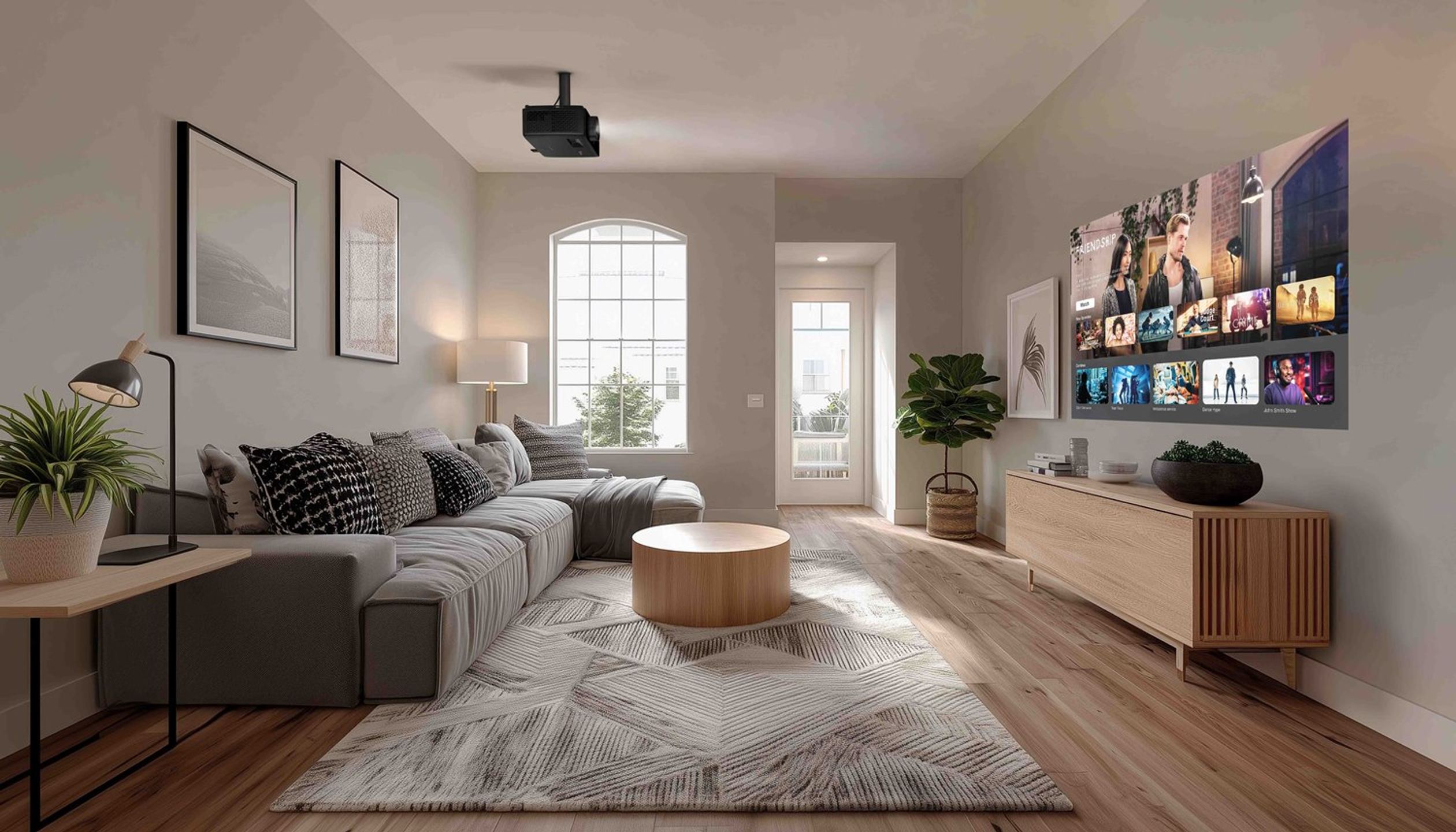
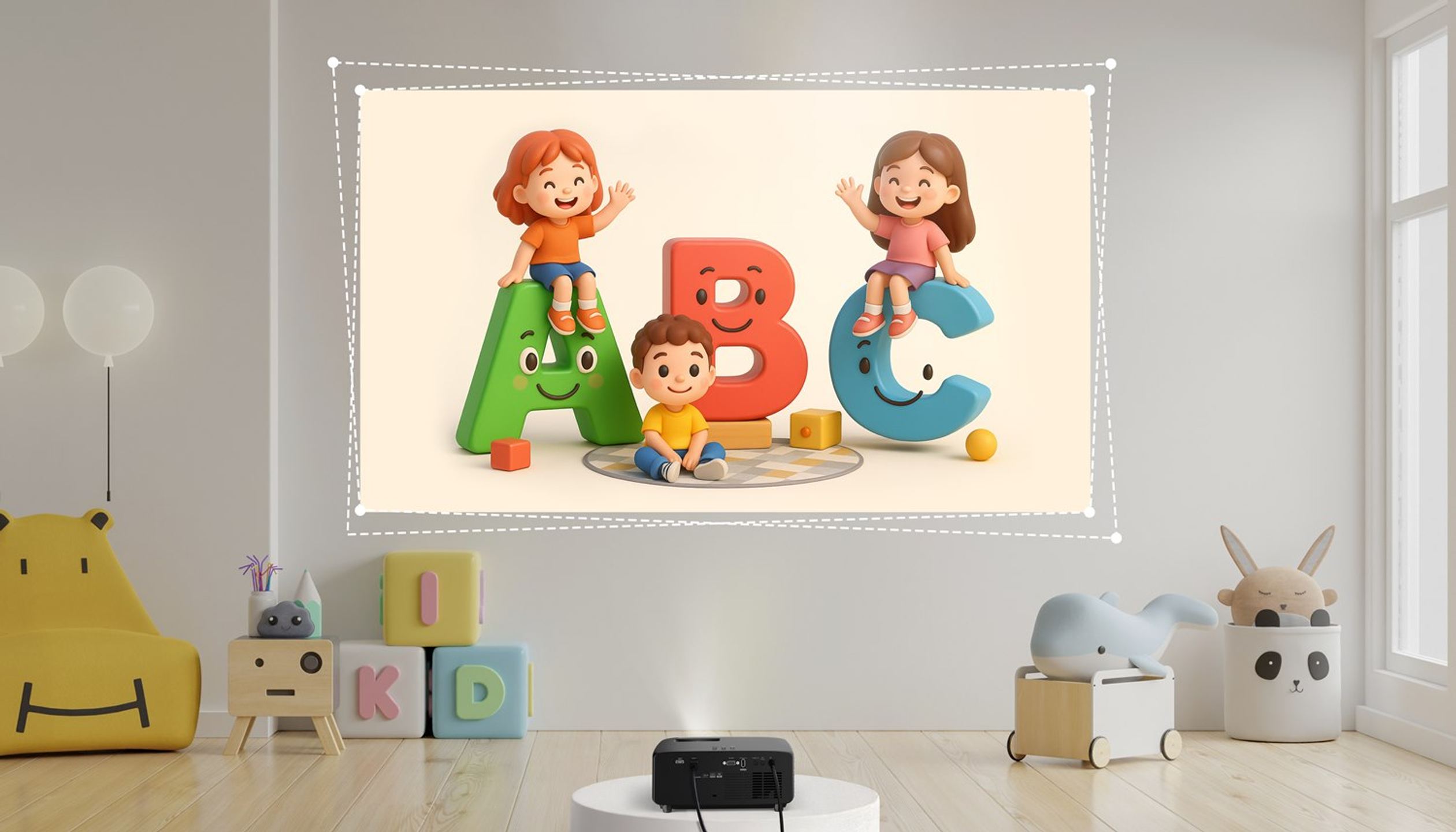
The lack of optical lens shift has to be compensated for with other adjustments. The 1.3× manual zoom lets you adjust image size without moving the unit. Keystone correction reaches ±30° vertically (automatic) and horizontally (manual), sufficient to correct for an off-center placement. The native 105% offset simplifies ceiling or high-shelf installation: the image is projected slightly above the lens axis.
The throw ratio ranges from 1.21:1 to 1.59:1. In practical terms, a 100-inch (2.54 m) image is obtained at a distance of about 3 to 4 meters. The range runs from 28 inches (0.71 m) to 300 inches (7.62 m), covering anything from a bedroom to a small auditorium. 360° projection allows for unconventional configurations: portrait orientation, projection onto the floor or ceiling.
Connectivity and built-in audio
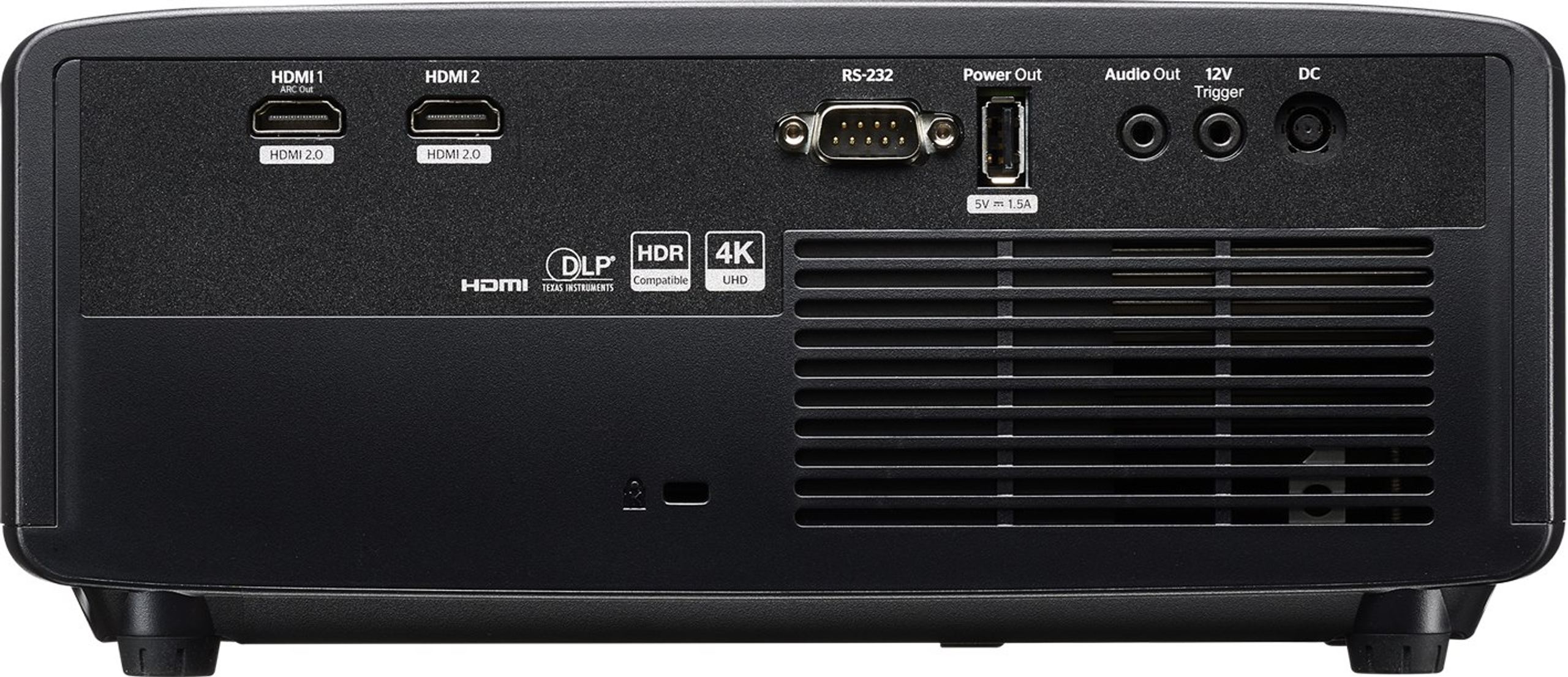
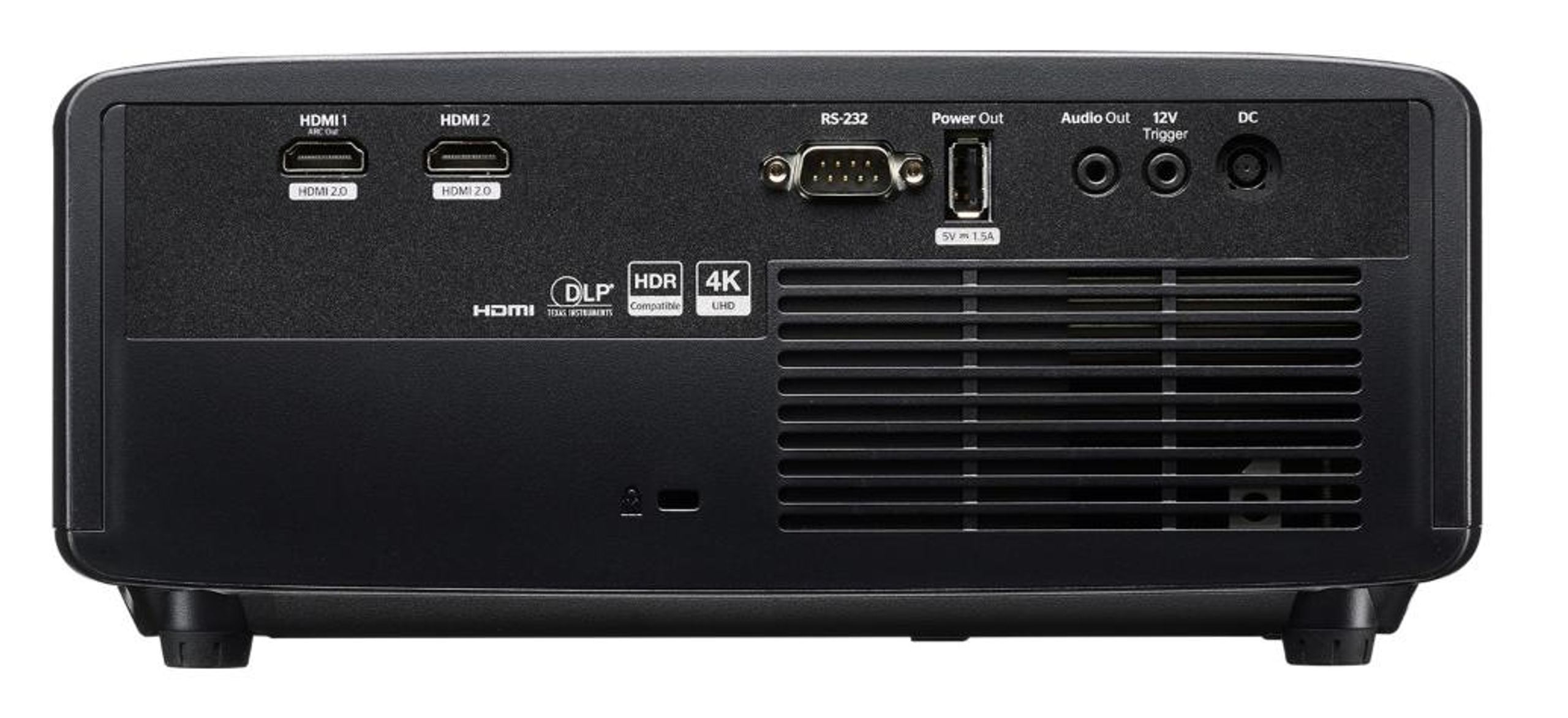
The PK52 has two HDMI 2.0 inputs. The absence of HDMI 2.1 limits bandwidth for ultra-high-bitrate 4K content or features like VRR (Variable Refresh Rate), but it remains sufficient for most everyday uses. An RS232 port allows integration into a home automation system or a controlled multimedia installation. The USB-A output (5V/1.5A) powers an HDMI dongle or a small accessory, while the 3.5 mm audio output passes sound through to an amp or soundbar.
The built-in 15-watt speaker is fine for occasional projection or background audio. For cinema or gaming, an external audio system is still preferable.
Technical specifications
Display and image
- Display technology: DLP
- Native resolution: UHD 3840 x 2160 (True 4K UHD, 8.3 million pixels)
- Brightness: 3,500 lumens
- Contrast: 1,500,000:1
- Color gamut: 95% DCI-P3
- Advanced technologies
- PureEngine Ultra: calibrated colors, precise details
- PureMotion MEMC: smooth and clear motion, reduced blur
- Filmmaker Mode: preserves the director’s vision
- ISF modes: automatic day and night adjustment
Projection
- Native aspect ratio: 16:9 (compatible 4:3, 16:9)
- Keystone correction: ± 30° horizontal / vertical
- Automatic vertical correction: yes
- Projected screen size: 0.71 m to 7.62 m (71 cm to 762 cm)
- Projection distance: 1 m to 8 m
- Throw ratio: 1.21:1 – 1.59:1
- Zoom: 1.3x (manual)
- Native offset: 105%
- Scanning frequency
- Horizontal: 15 ~ 255 kHz
- Vertical: 24 ~ 120 Hz
- Uniformity: 80%
Light source
- Type: DuraCore Laser
- Lifespan: 30,000 hours
- Advantages: stable brightness, instant on / off, improved color accuracy, dust resistance
Connectivity
- Inputs: 2 x HDMI 2.0
- Outputs
- 1 x USB-A (5 V / 1.5 A)
- 1 x 3.5 mm audio
- 1 x 12 V trigger
- Control: RS232
Audio and multimedia
- Built-in speaker: 1 x 15 W
- 3D: Full 3D compatible
Installation and operation
- Noise level: 28 dB (min) / 33 dB (max)
- Security: security bar, Kensington lock slot
- Protection rating: IP6X (optics only)
- On-screen menu: 25 languages
- 24 / 7 operation: yes
- 360° projection: yes
- Easy installation: lens shift, automatic keystone correction, 4 corners
Power
- Voltage: 100-240 V (50 / 60 Hz)
- Power consumption
- Standby: 0.5 W
- Minimum: 83 W
- Maximum: 150 W
Dimensions and weight
- Dimensions (W x D x H): 238 x 215 x 130 mm
- Net weight: 3.4 kg
- Gross weight: 5 kg
Package contents
- Power adapter
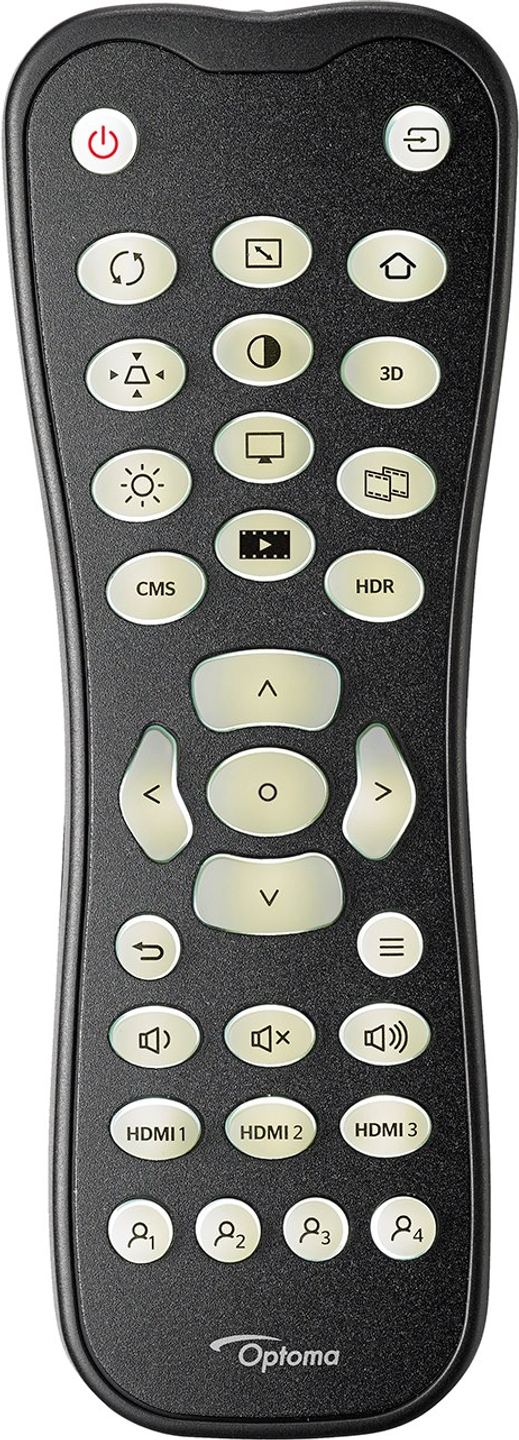
- Remote control with 2 AAA batteries
- Quick start guide
Frequently asked questions
Which 3D glasses are compatible with the PK52?
The projector works with active shutter 3D glasses using the DLP-Link protocol. Optoma offers its own models (ZF2300 series), but other DLP-Link–compatible brands will also work. Passive glasses are not supported.
Can the PK52 receive a signal from a smartphone or tablet?
The projector does not include built-in wireless connectivity. To cast content from a mobile device, you’ll need an HDMI dongle (Chromecast, Fire TV Stick, Apple TV) connected to one of the two HDMI inputs. The USB-A port can power these small devices.
What projection surface is recommended?
A matte white wall will work, but a dedicated screen (gain 1.0 to 1.3) improves uniformity and perceived contrast. For partially lit rooms, a higher-gain screen or an ALR (Ambient Light Rejecting) screen will optimize image quality.
Is the projector suitable for outdoor use?
Yes, as long as it is protected from humidity and rain. Its brightness of 3,500 lumens allows for a visible projection at nightfall, but in full daylight the contrast will be greatly reduced.
How does automatic keystone correction work?
An internal sensor detects the projector’s vertical tilt and adjusts the image to keep it rectangular. Horizontal correction, meanwhile, is done manually via the menu or remote control.
Does the PK52 accept 1080p or 720p signals?
Yes. The projector accepts sources from 480i up to 4K UHD. Signals below 4K are upscaled by the internal processor.
Can the projector be ceiling-mounted without a dedicated mount?
The PK52 has mounting points compatible with most universal projector mounts. Optoma also offers mounts in its own range. The 105% offset makes alignment easier without having to tilt the device sharply.
- Eco-contribution included in the sale price.
- Manufacturer reference: E3P7P61E111
- GTIN / EAN: 5055387668980