

Surround, Effects, Bipolar Speakers
Rear and effects speakers are essential components of a 5.1, 7.1, or larger home theater setup. Placed to the sides or behind the listening area, they reproduce the lateral and rear sound effects of multichannel soundtracks. Bipole and dipole models stand out thanks to their specific design featuring multiple drivers oriented in different directions, creating an enveloping, diffuse sound field for optimal immersion. Learn more
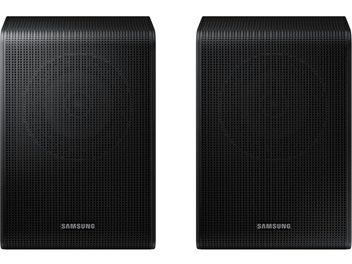
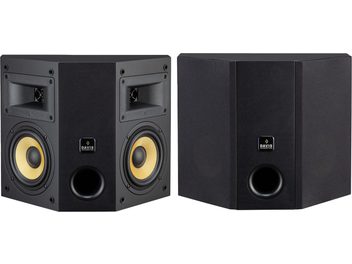
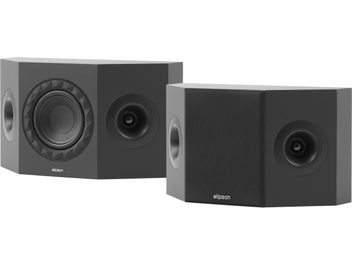
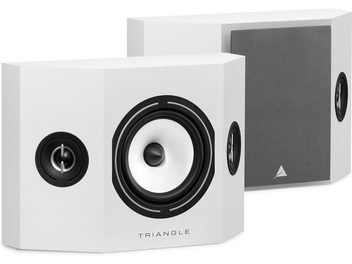
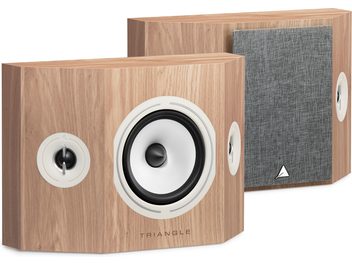
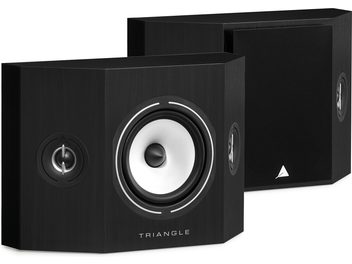
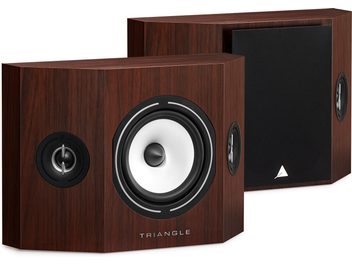
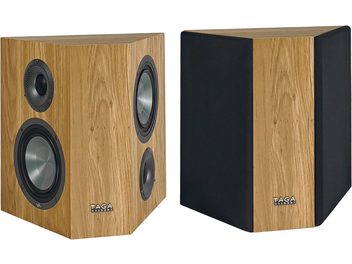
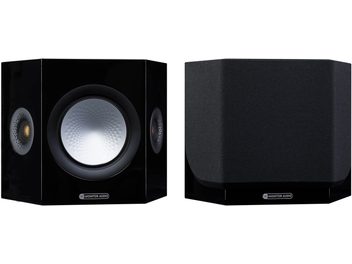
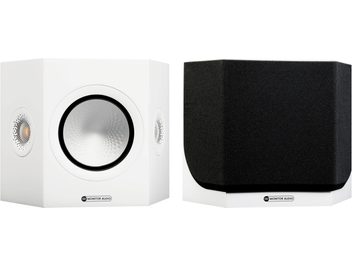
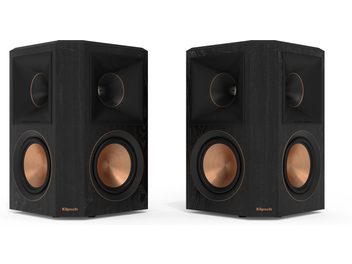
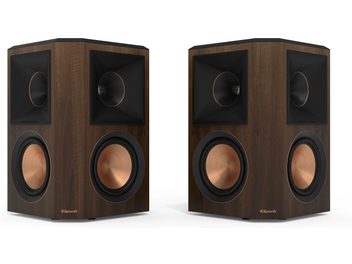
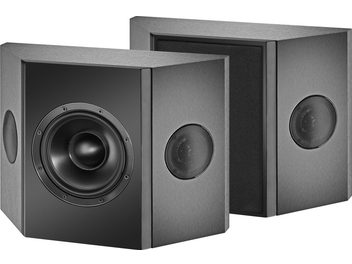
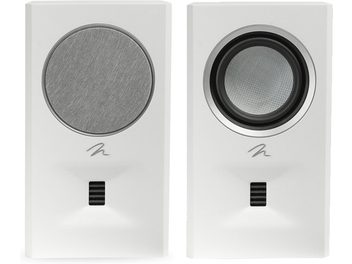
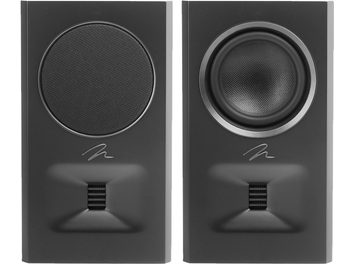
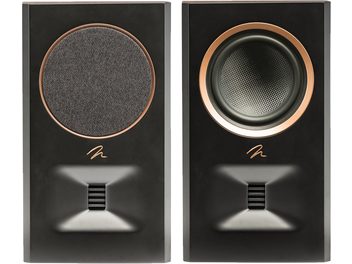
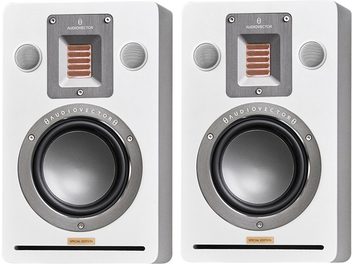
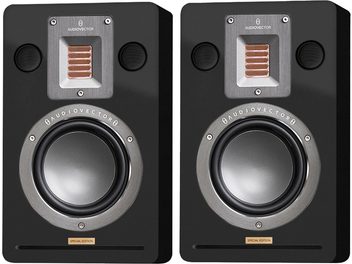
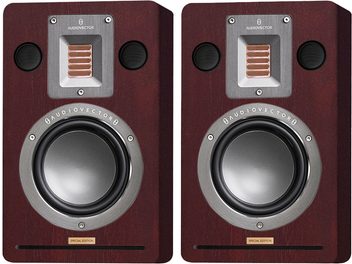
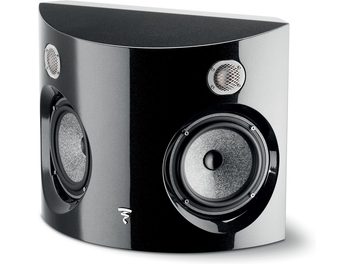
The role of surround speakers in your home theater system
Rear effects speakers, also called surround speakers, reproduce ambient sounds and spatialized effects present in 5.1, 7.1 mixes and immersive formats such as Dolby Atmos or DTS:X. Connected to your AV receiver with audio cables, they handle sound spatialization by delivering ambient noises, echoes, reverberation, and all the directional effects that bring the sonic environment of movies, series, and video games to life.
A pair of surround speakers is the minimum for a 5.1 configuration. You can add one or two additional pairs to achieve 7.1 or 9.1 setups, offering even more enveloping immersion.
The different types of effects speakers
Unipole (monopole) speakers Conventional compact speakers project sound directly toward the listener. They allow precise localization of sound effects and are particularly well-suited to setups using three-dimensional audio formats (Atmos, DTS:X) where each channel must be precisely localized.
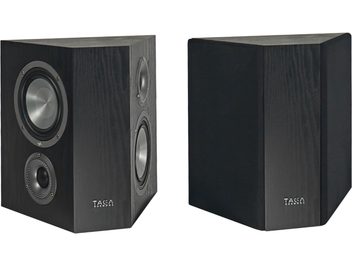
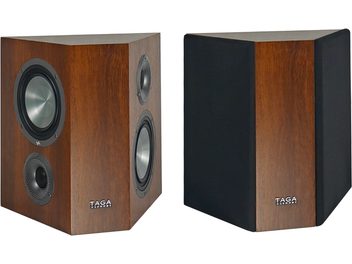
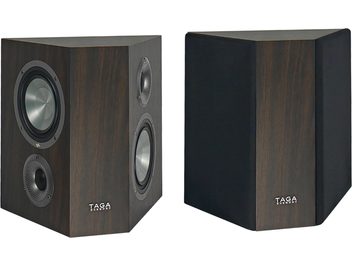
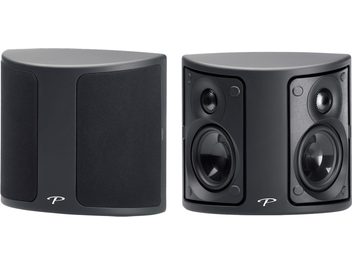
Bipole speakers These speakers feature drivers at the front and rear of the cabinet operating in phase. The two groups of drivers are coordinated so the cones move forward and backward simultaneously. They project sound in two opposite directions, creating a more diffuse sound field that prevents pinpoint localization of the source. This design reproduces the spatial spread of multiple conventional speakers using only two units.
Dipole speakers Similar in design to bipoles, dipole speakers have one major technical difference: their drivers operate out of phase. When one cone moves forward, the other moves backward. This offset creates an acoustic null and an even more diffuse sound field, ideal for maximum immersion without direct localization of the sound. Dipoles are particularly recommended in THX-certified configurations.
Placement and installation
Surround speaker positioning follows established standards. For a 5.1 configuration, they should be placed to the sides of the listening area, at an angle of 90 to 110 degrees relative to the center line toward the screen. In a 7.1 configuration, one pair is positioned laterally (90–110°) and a second pair at the back (135–150°).
The recommended mounting height is between 50 cm and 1 meter above seated ear level, allowing sound to pass over listeners’ heads for a naturally enveloping effect. Bipole and dipole speakers are particularly effective when the listening area is close to side or rear walls, but their performance can decrease with excessive distance.
Tonal coherence and compatibility
To ensure a consistent listening experience, it’s essential to choose surround speakers that are compatible with your current system, both technically and aesthetically. Ideally, select speakers from the same range and manufacturer as your front speakers, preferably equipped with the same drivers. Home theater speaker packages ensure optimal tonal coherence across all channels.
Surround speakers should be connected to the receiver using the same type of cable as the other speakers in the system to maintain a uniform sonic signature and natural reproduction across all channels.
Which configuration should you choose?
The choice between unipole and bi/dipole speakers depends on your usage and setup. Bipole and dipole speakers excel in exclusively horizontal configurations (standard 5.1, 7.1) and are recommended for the side channels. They create a wide, immersive dispersion, particularly appreciated for movies and music.
For configurations that include height channels (Atmos, DTS:X), unipole speakers are preferable because they allow precise localization of each channel, which is essential for rendering three-dimensional effects. Some models offer a switch to toggle between bipole and dipole modes, providing maximum flexibility depending on the content being played.