

External Power Supplies for Turntables
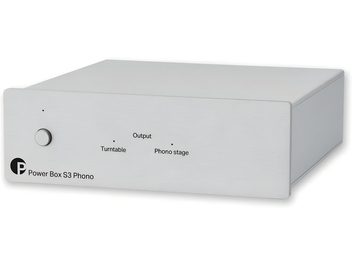
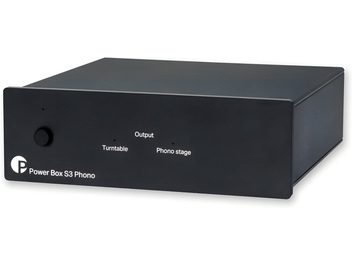
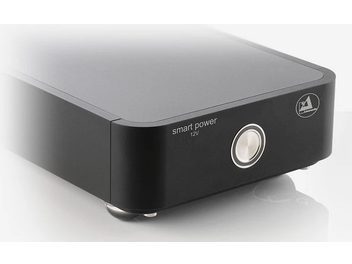
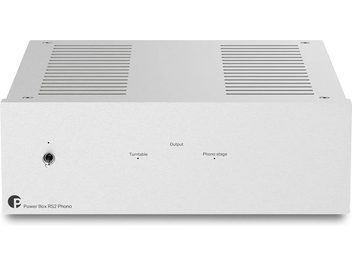
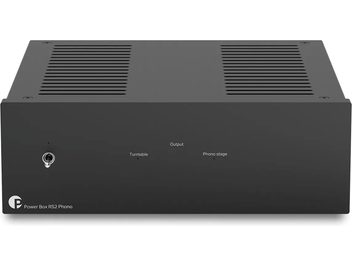
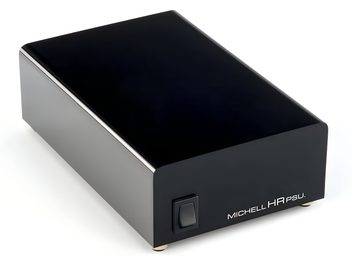
An external power supply for a turntable provides a stable, filtered electrical current to the motor, ensuring the constant rotational speed essential for faithful record playback. By eliminating mains fluctuations and noise, it preserves tonal accuracy and musical timing. Brands such as Pro-Ject, Rega, Clearaudio, and EAT offer upgrade solutions compatible with their turntables. Learn more
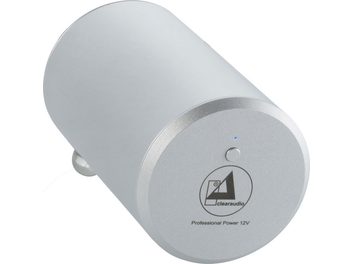
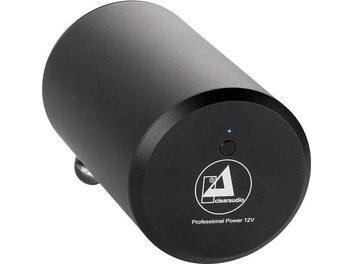
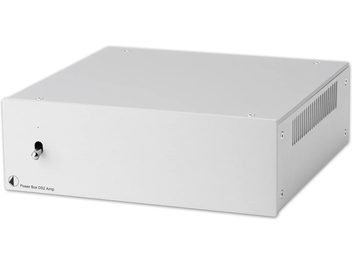
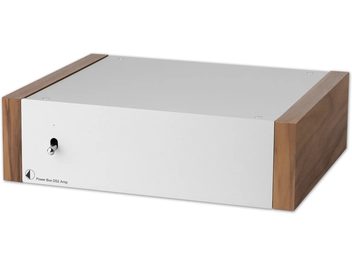
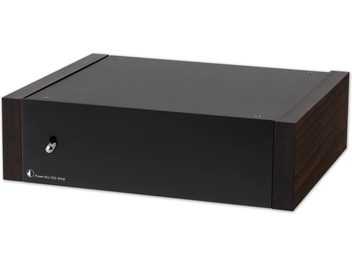
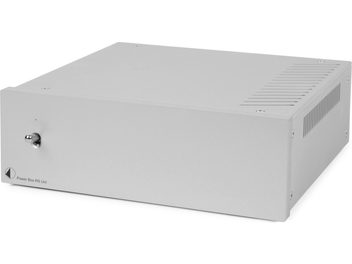
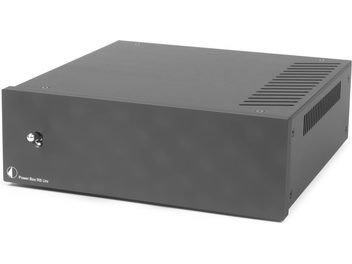
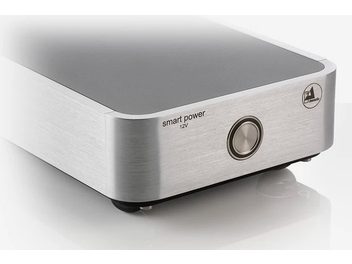
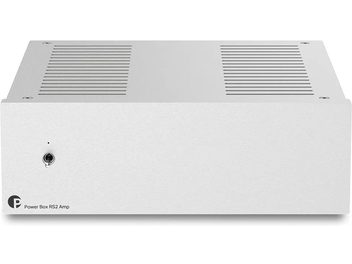
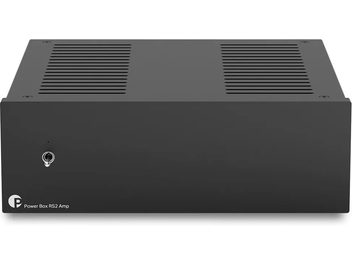
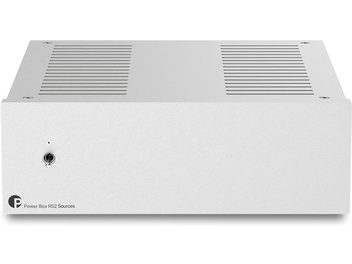
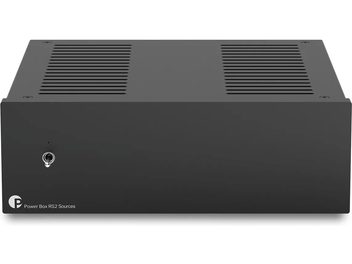
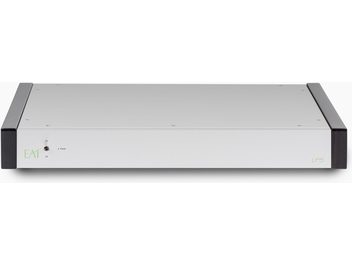
The crucial role of the power supply
A turntable’s motor must run at a perfectly stable speed: 33.33 rpm for LPs, 45 rpm for 45s. The slightest variation, even imperceptible to the eye, affects pitch and musical tempo. The stock power supplies on entry- and mid-range decks, often basic for cost reasons, pass mains impurities straight to the motor. A dedicated external power supply addresses this by precisely regulating voltage and effectively filtering interference.
Speed stability and sound quality
Mains pollution manifests as micro-variations in frequency and voltage. Transferred to the motor, these fluctuations cause irregularities in the platter’s rotation. The result? Inaccurate pitch and approximate musical timing. An external power supply stabilizes rotational speed and eliminates wow and flutter. Music gains in accuracy, clarity, and definition, revealing subtle nuances previously masked.
Reduction of parasitic vibrations
Beyond current quality, some external power supplies physically isolate the motor’s regulation electronics. By relocating the control circuits outside the turntable chassis, they eliminate electromagnetic and mechanical vibrations that could disturb the phono cartridge. This separation is especially beneficial on decks with heavy platters that place greater demands on the motor.
Advanced features
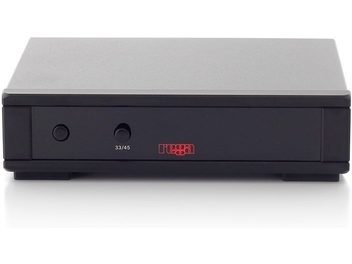
High-end separate power supplies often include electronic speed control. A simple button lets you switch between 33 and 45 rpm without moving the belt on the motor pulleys. Some models even offer fine speed adjustment, useful for correcting slight drift or accommodating records pressed with looser tolerances. The most sophisticated units use a precise frequency generator that is completely independent of mains variations.
Technologies and design
Linear power supplies offer the best quality. They convert AC into stable DC using an oversized toroidal transformer, a fast-diode bridge rectifier, and discrete regulation without operational amplifiers. Hand-selected filter capacitors ensure residual ripple below the microvolt. This complex yet effective architecture is found at EAT, Clearaudio, and in high-end models from Pro-Ject and Rega.
Switch-mode (switching) power supplies, more compact and cost-effective, suit entry-level models. When well designed, they filter the signal properly and already provide a notable improvement over the basic stock supplies.
Compatibility and installation
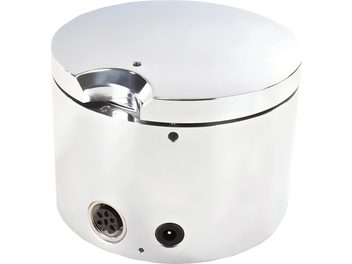
Before purchasing, check compatibility with your turntable. The output voltage (typically 12V, 15V, 16V, or 24V in DC or AC depending on the model) must match the motor’s specifications exactly. Connector types also vary: jack, DIN, or proprietary three-pin connectors. Manufacturers like Pro-Ject, Rega, or Thorens offer power supplies specifically designed for their turntable ranges.
Installation is generally straightforward. Simply unplug the original power supply and connect the new unit between the wall outlet and the turntable’s motor. This ease of installation makes the upgrade accessible without any special electronics skills. No modification to the turntable is required in most cases.