

Hi-fi, Bluetooth or vintage vinyl turntables
A turntable plays your 33 and 45 rpm records, reproducing analogue sound in all its richness. The choice is wide: hi-fi models for precise playback, Bluetooth turntables for wireless listening, or record players with a retro design that evoke the 60s and 70s. Each type suits a different use and budget. Learn more
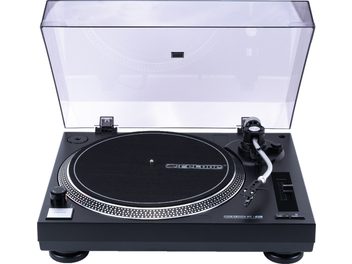
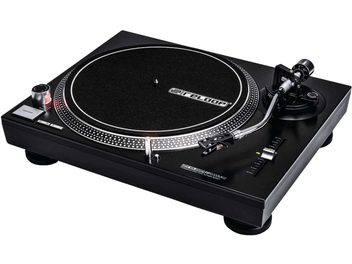
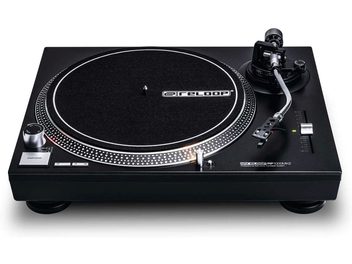
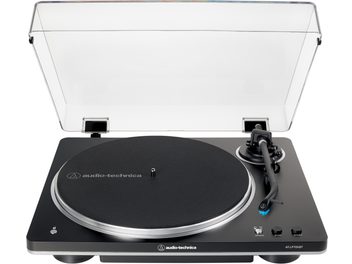
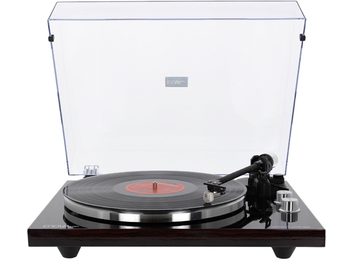
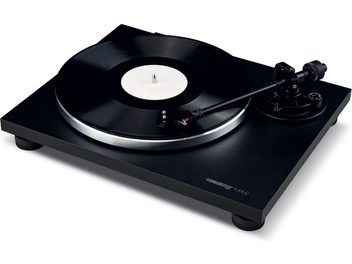
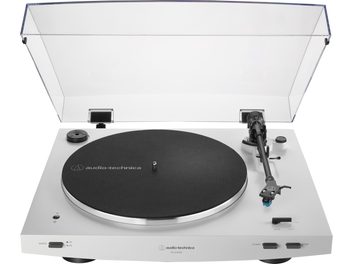
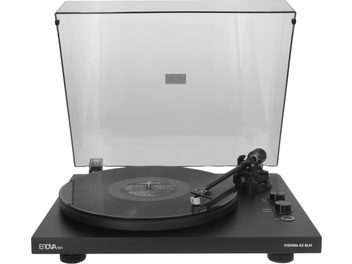
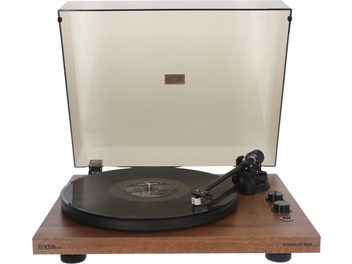
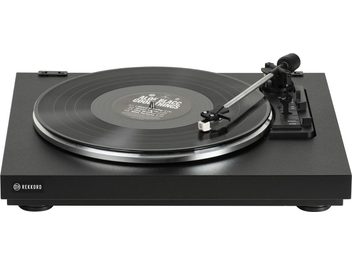
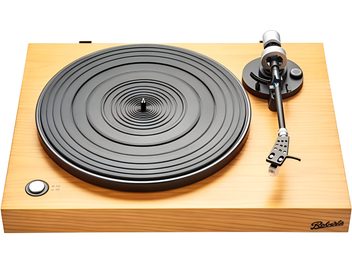
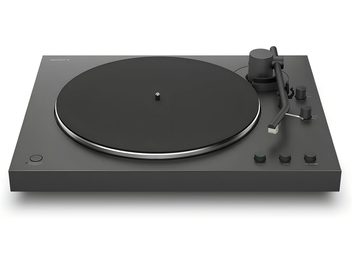
How a turntable works
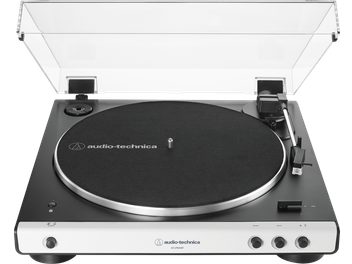
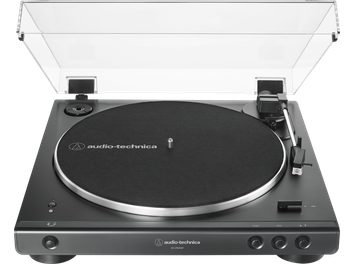
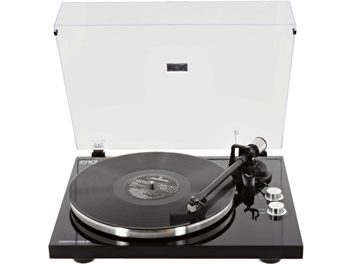
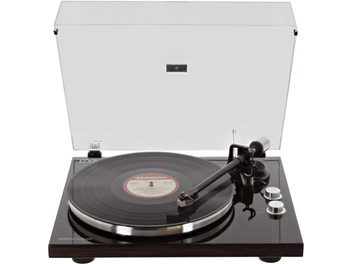
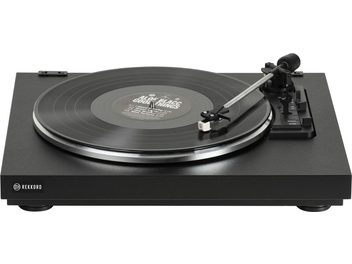
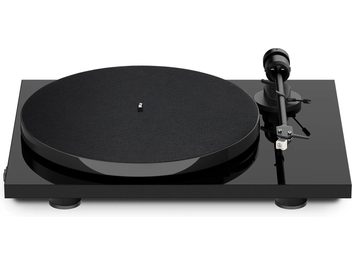
The principle hasn’t changed since the invention of the microgroove record. A platter rotates at a constant speed (33⅓ or 45 revolutions per minute), a tonearm carries a cartridge fitted with a diamond stylus that follows the undulations of the groove, and these mechanical vibrations are converted into an electrical signal. This very weak signal passes through a phono preamplifier (built-in or external) before reaching the amplifier and speakers.
The quality of each component matters. A heavy, well-balanced platter ensures stable rotation. A rigid yet lightweight tonearm tracks the groove without straying. A quality cartridge extracts more musical information. The chassis must isolate the whole assembly from external vibrations, whether they come from the floor or the speakers themselves.
Belt drive or direct drive
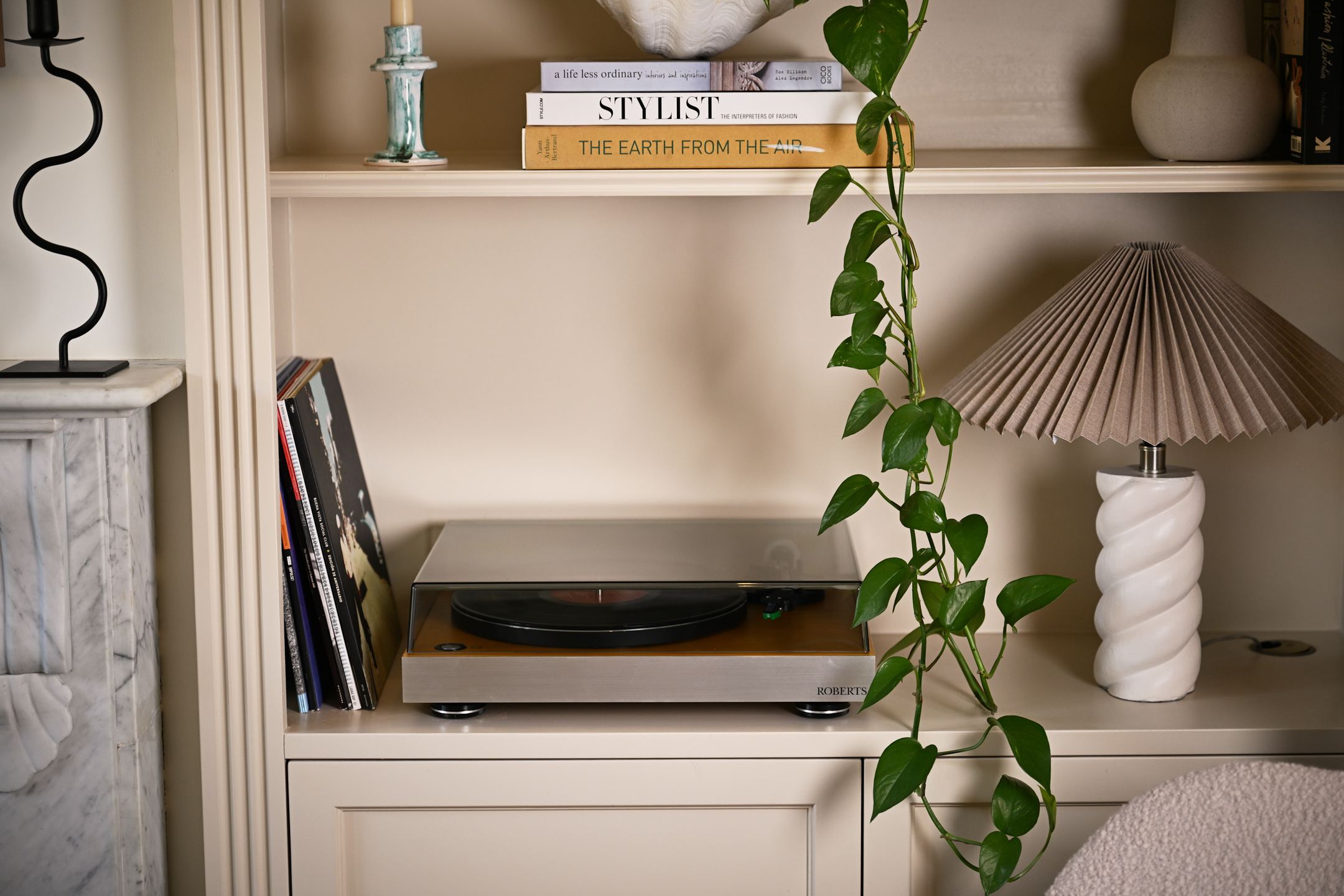
Belt-drive turntables use an elastic belt to transmit the motor’s rotation to the platter. This physical separation reduces motor vibrations and produces a purer sound. The belt can slacken over time and may need replacing, but this is simple and inexpensive maintenance.
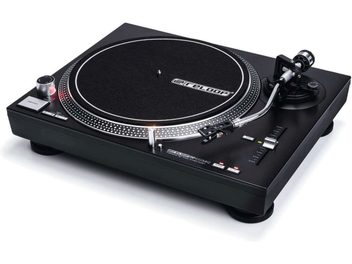
Direct drive, where the motor is mounted directly beneath the platter, offers instant start-up and very stable speed. DJs have long favoured it for scratching and mixing. Some high-end models combine direct drive with advanced isolation to satisfy the most demanding enthusiasts.
Manual, semi-automatic, or automatic turntables
On a manual turntable, you position the tonearm at the start of the record yourself and lift it at the end of the side. This gesture is part of the listening ritual and allows total control. Hi-fi models favour this approach: less mechanics means fewer sources of unwanted vibration.
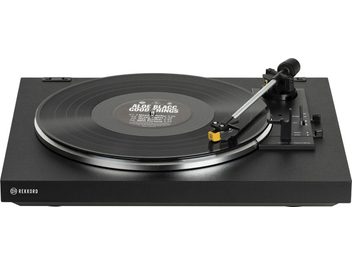
Semi-automatic turntables lift the tonearm and stop the platter automatically at the end of playback. You no longer risk leaving a record spinning, which protects the stylus. Automatic turntables manage the entire cycle: a button starts playback, the tonearm positions itself, then returns to its rest when the side is finished. More convenient, but these mechanisms add complexity.
Phono cartridges: MM or MC
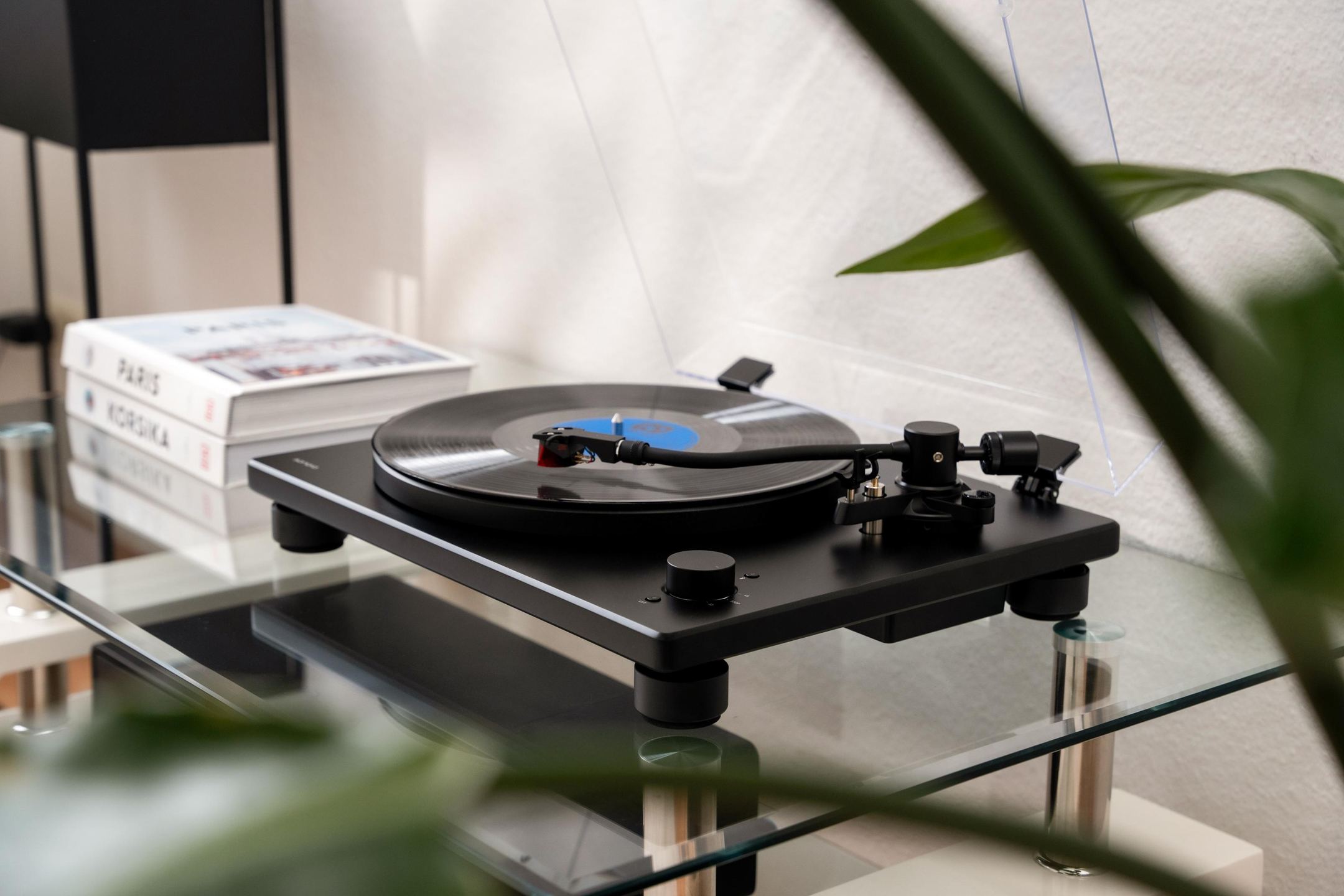
The cartridge converts the movement of the stylus into an electrical current. Moving magnet (MM) cartridges produce a relatively strong signal and are easy to fit. Their stylus is replaceable, which simplifies maintenance. They are found on the vast majority of turntables.
Moving coil (MC) cartridges offer finer, more detailed playback, but their signal is weaker: an MC-compatible phono preamp is required. Their stylus is generally not replaceable; the cartridge is sent back to the manufacturer for retipping. The price is higher, and so is the performance.
The phono preamplifier
The signal coming from a cartridge is too weak for a standard hi-fi amplifier, and its frequency curve must be corrected (RIAA equalisation). The phono preamp fulfils both of these functions.
Many turntables include a built-in preamp, sometimes switchable. You can then connect them directly to an amplifier without a phono input, or disable the internal preamp to use a higher-quality external model. Hi-fi amplifiers equipped with a phono input have their own built-in preamp.
Bluetooth turntables and digital outputs
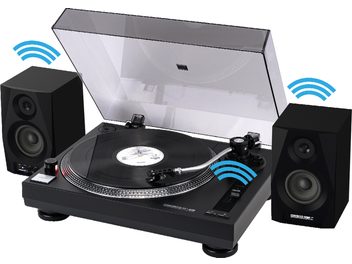
Some turntables offer a Bluetooth output to stream sound to wireless speakers or headphones. The signal is digitised and then compressed: playback loses dynamics and detail compared to a direct analogue connection. But this option simplifies setup and allows you to listen to your records without cables.
Some models also include a USB output with an analogue-to-digital converter. Connected to a computer, the turntable allows you to digitise your vinyl records as audio files (MP3, FLAC). The free software Audacity handles this task very well. The final quality depends on the converter built into the turntable.
The vintage look
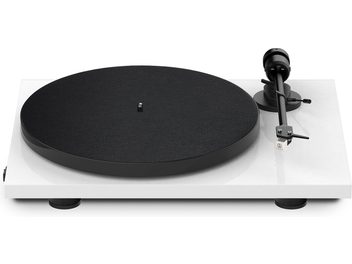
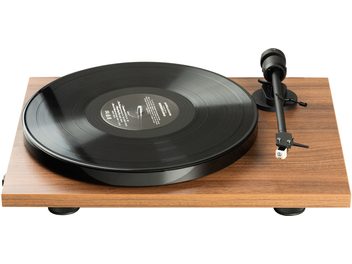
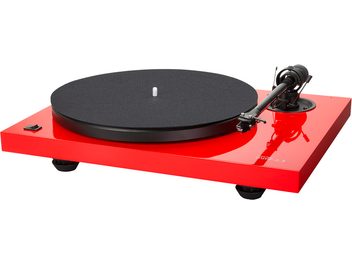
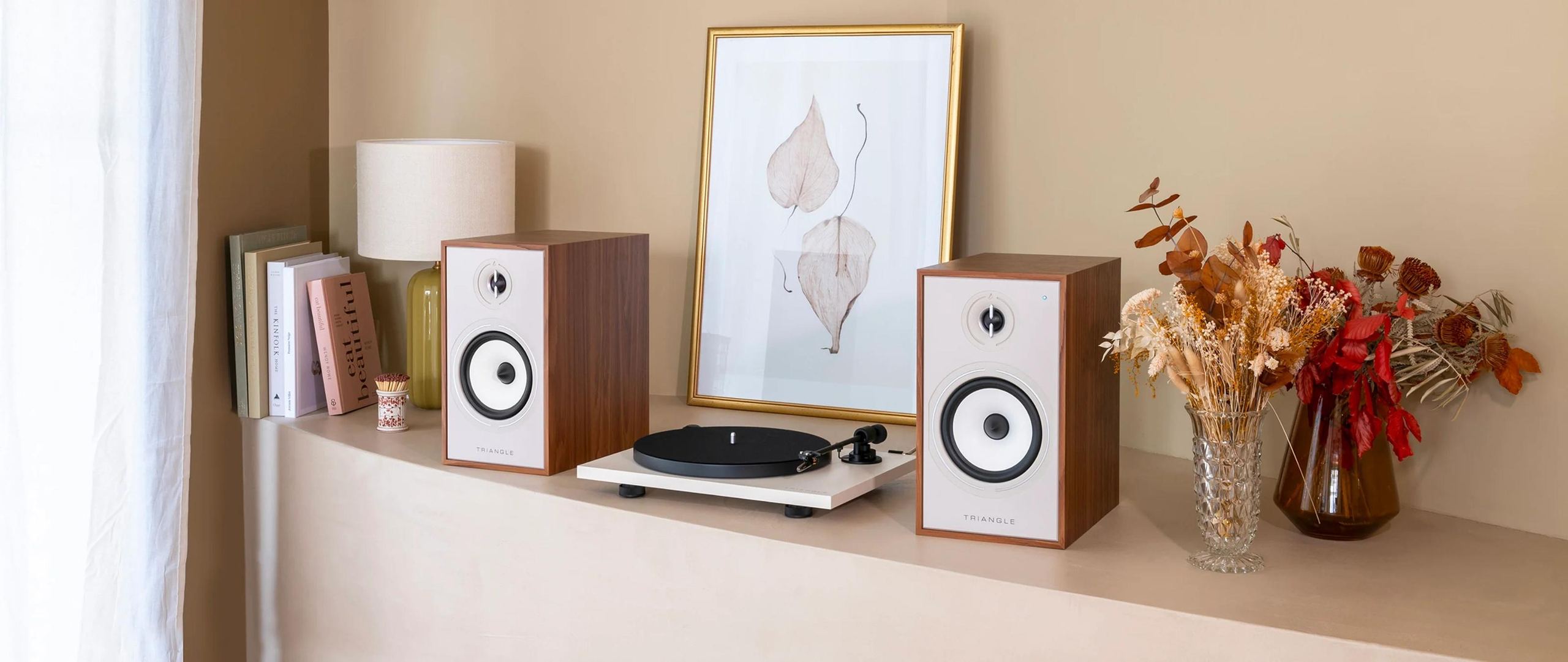
Retro-design turntables appeal through their aesthetic inspired by the 60s and 70s: wood finishes, chrome detailing, rounded shapes. Some are presented in a suitcase format with built-in speakers, making them easy to carry.
A word of caution: a vintage appearance does not guarantee sound quality. Entry-level models often use poorly performing ceramic cartridges and basic mechanisms. For a decent sound, it is better to choose a genuine hi-fi turntable dressed in a retro design than a mere decorative object fitted with a mediocre stylus.
Choosing based on your equipment and budget
Entry-level turntables (€100–300) are ready to use with a pre-mounted cartridge and built-in preamp. They are suitable for rediscovering an old record collection without a heavy investment.
The mid-range (€300–1,000) offers a better sound quality-to-price ratio. These turntables require some initial adjustment and can be upgraded: changing the cartridge, cables, or adding an external preamp.
Above €1,000, audiophile turntables make use of premium materials (machined aluminium, carbon, solid wood) and advanced technologies: heavy platters for maximum inertia, 12-inch tonearms, elaborate suspension systems. They require careful installation and reveal the finest details in recordings.
If you have neither an amplifier nor speakers, a Bluetooth turntable or a model with built-in speakers lets you get started straight away. With an existing hi-fi system, check whether your amplifier has a phono input; if not, choose a turntable with a built-in preamp.
Upgradability and accessories
Most turntables accept a cartridge change. Upgrading from an entry-level cartridge to a finer model noticeably improves playback. Some tonearms also allow the headshell to be swapped, making comparisons easier.
Accessories reduce unwanted vibrations: platter mats, decoupling feet, and a clamp to press the record flat. Properly cleaning your vinyl records (carbon fibre brush, record-cleaning machine) eliminates crackles caused by dust. Regularly replacing the stylus, after a few hundred hours of listening, preserves playback quality and protects your records.