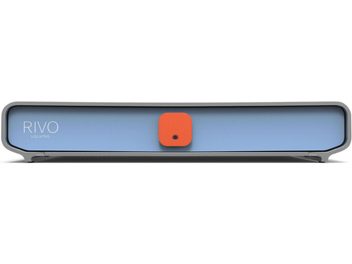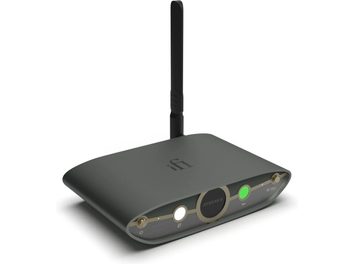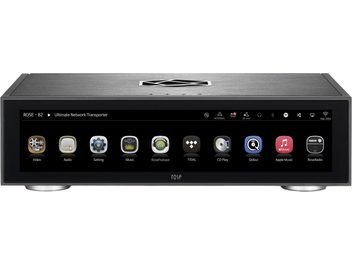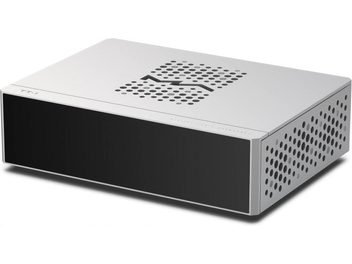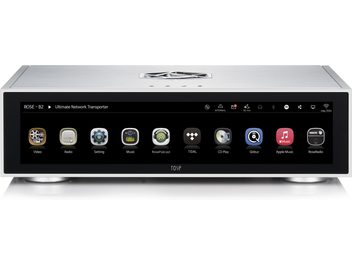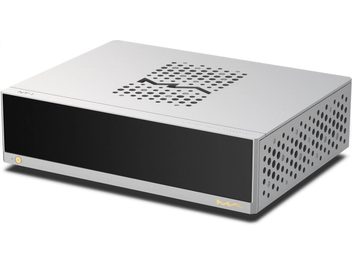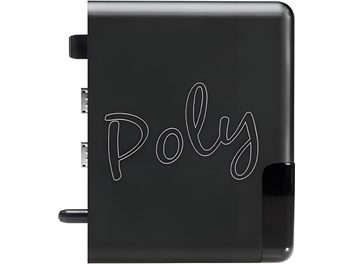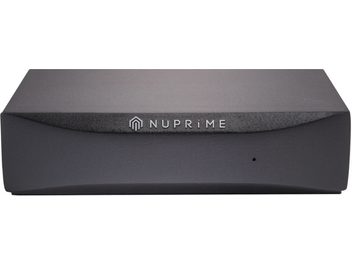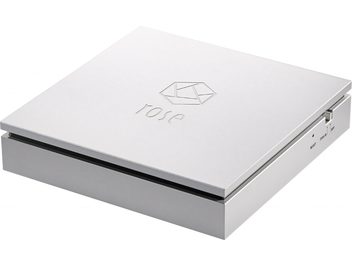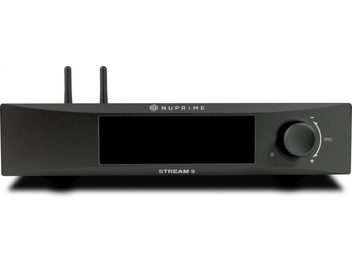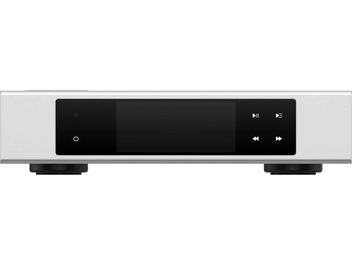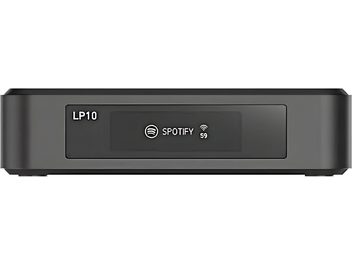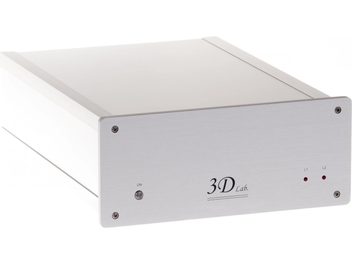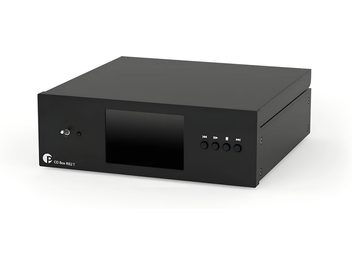

Digital transports
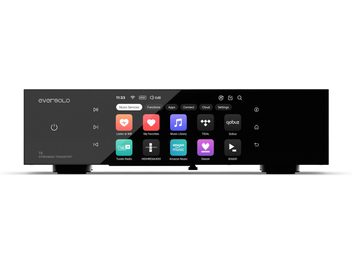
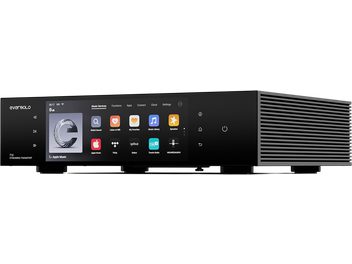
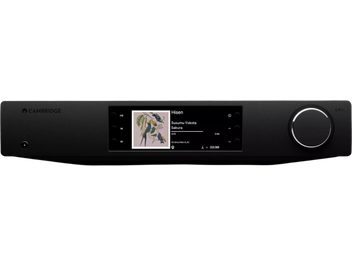
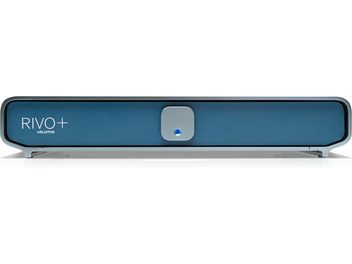
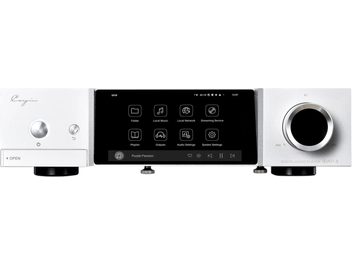
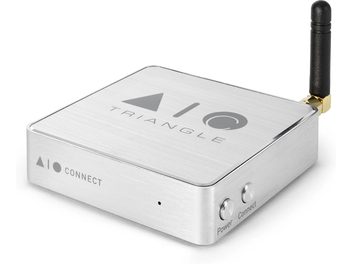
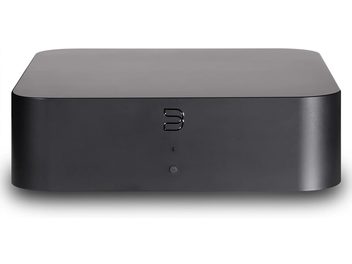
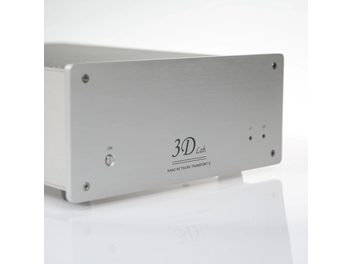
A network digital transport, or streamer without a converter, retrieves dematerialized music and sends it digitally to an external converter, without ever producing an analog signal itself. It is a network player deliberately stripped of its conversion stage: it connects to the home network via Wi-Fi or Ethernet, retrieves files from a NAS or a streaming service such as Qobuz or Tidal, and outputs the stream unchanged through a digital output. The principle is one of task separation. Isolating network playback from conversion allows each stage to be optimized independently, away from the interference generated by conversion electronics, and gives you the freedom to choose the converter that will shape the overall sound. The focus is then on the cleanliness of the transmitted signal: a precise clock to reduce jitter, a dedicated power supply to limit noise, and a stable output. The connection determines the available resolutions, with the USB output handling the highest-resolution PCM and DSD streams, while AES/EBU, coaxial and optical each have their own limitations. The benefit lies in scalability: the converter can be replaced without changing the transport, with each component evolving independently. The trade-off is the number of components and the reliance on a quality downstream converter. This transport differs from network players with an integrated converter, ready to connect to an amplifier, and only makes sense when paired with a converter (DAC) connected via a digital coaxial cable or another connection.