

Sonos In-Ceiling 6 inches (set of 2)


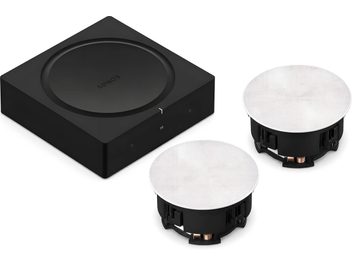
Buy as a bundle and save
Overview
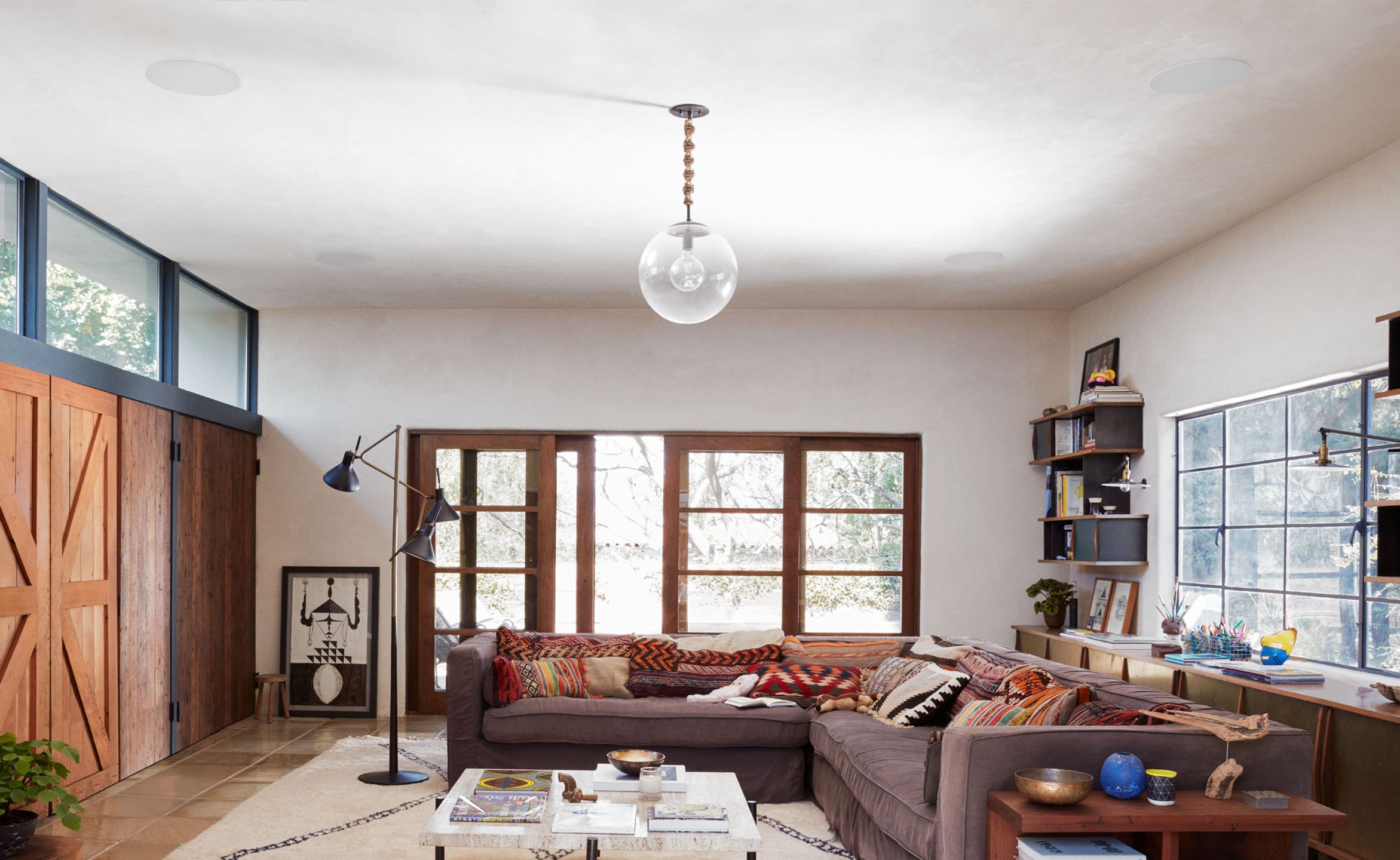
Sonos In-Ceiling 6-inch in-wall speakers deliver integrated sound diffusion while maintaining a discreet ceiling installation. Developed in collaboration with Sonance, they combine Sonos’s signature audio quality with an architectural design tailored for in-wall installations.

Acoustic architecture and technical innovation
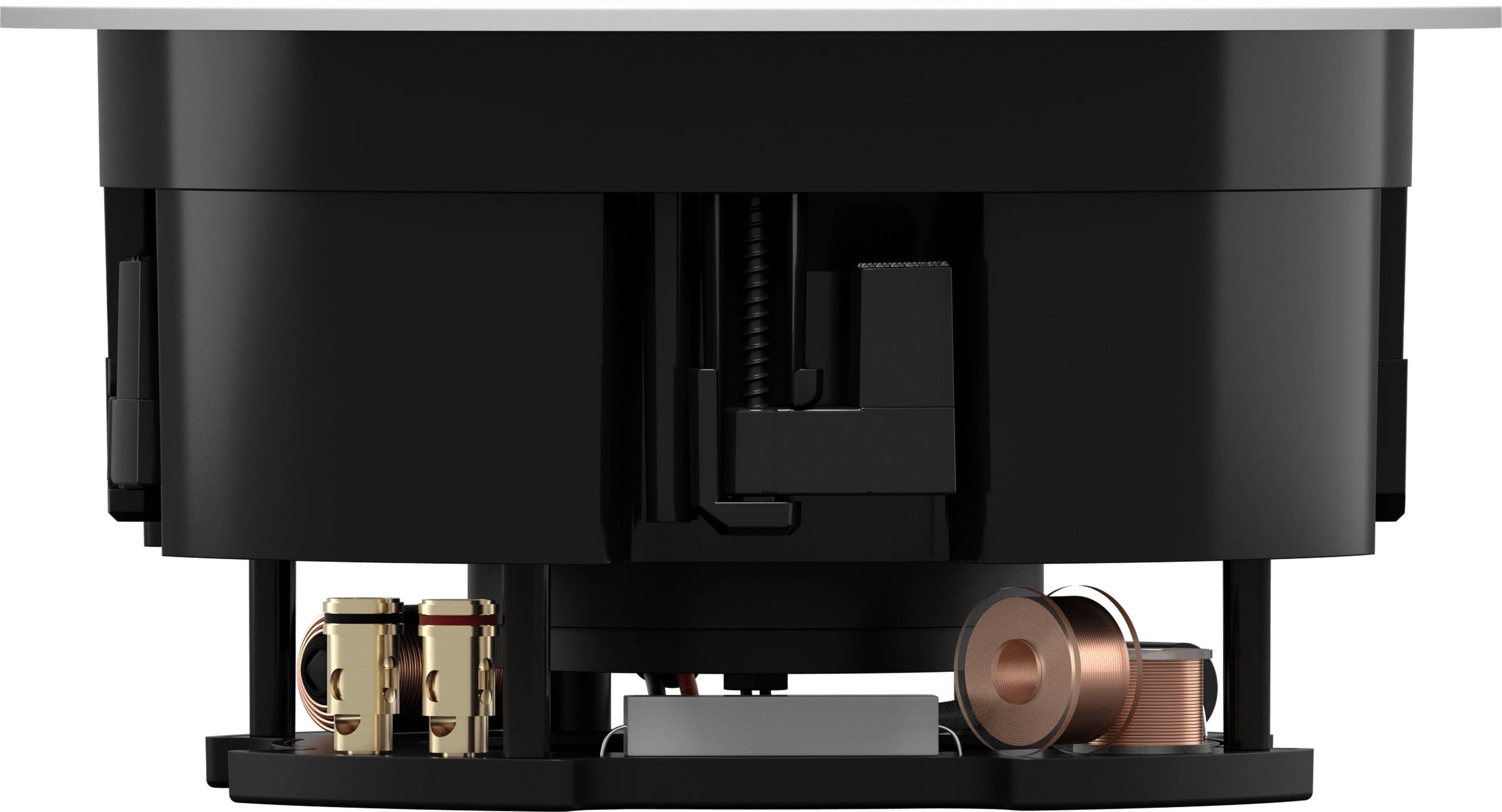
The internal architecture of the Sonos In-Ceiling 6-inch speakers reveals a meticulous approach to acoustic engineering. The main driver, a 16.5-centimeter polypropylene woofer, forms the beating heart of the system. This material, chosen after countless comparative tests, strikes an optimal balance between rigidity and internal damping. The polypropylene diaphragm features a molecular structure that minimizes unwanted resonances while maintaining a fast transient response, essential for faithfully reproducing musical nuances.
The 2.5-centimeter soft-dome tweeter is another crucial element of this architecture. Unlike metal tweeters favored by some manufacturers for their apparent brilliance, Sonos and Sonance opted for a composite textile material that naturally smooths high frequencies without sacrificing definition. This approach allows for extended listening without fatigue, a fundamental criterion for speakers designed to play ambient music for hours.
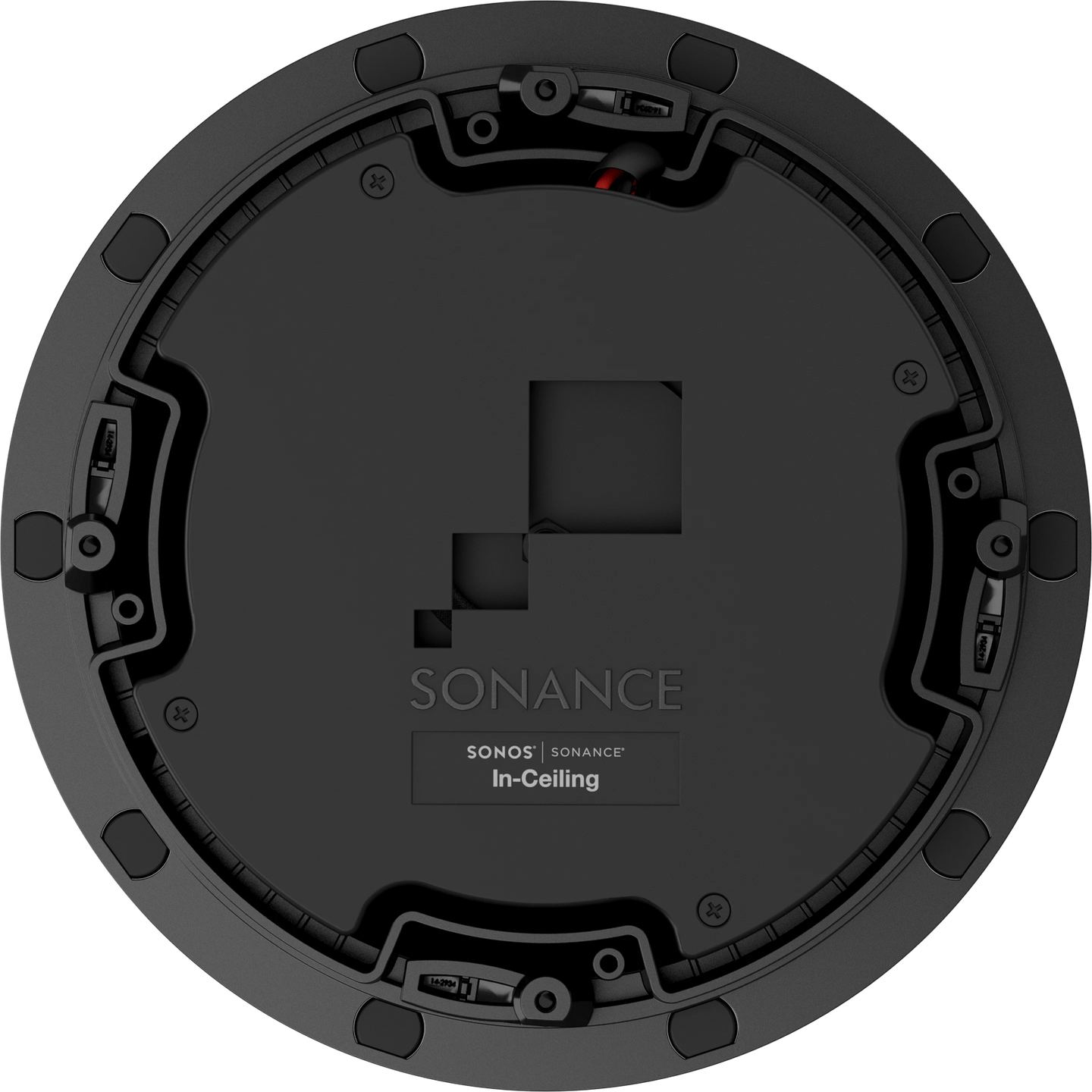
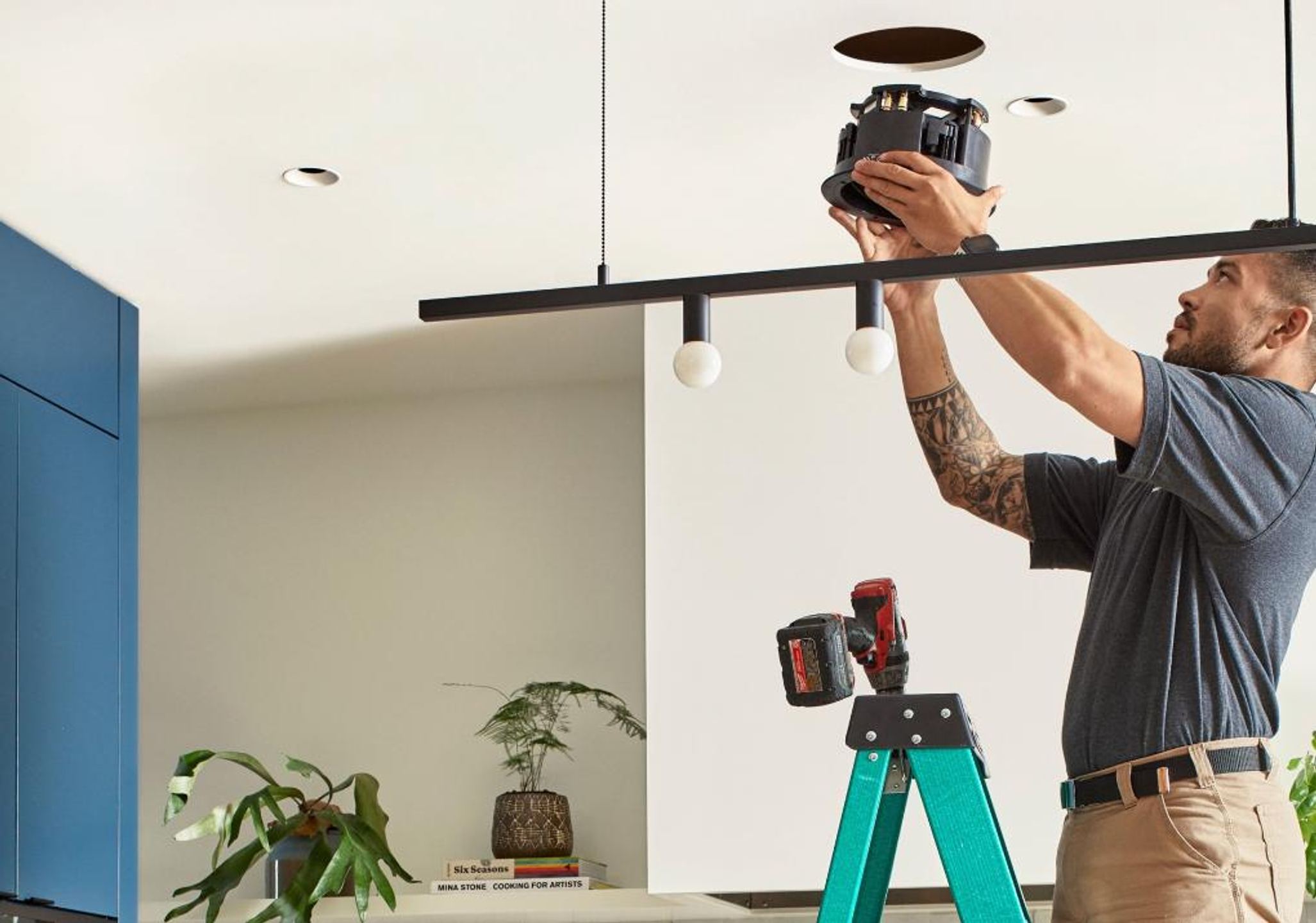
The mechanical design incorporates subtle yet decisive innovations. The die-cast aluminum frame ensures exceptional rigidity while effectively dissipating vibrations. Adjustable mounting tabs with calibrated springs allow secure installation in walls of varying thicknesses, from 9 to 38 millimeters. This mechanical flexibility is paired with careful attention to detail: the clamping screws include an integrated torque limiter to prevent damage to drywall during installation.
The protective grille, often overlooked in competing designs, receives an acoustically transparent treatment here. Its micro-perforated structure, calculated using complex mathematical models, ensures optimal transmission of sound waves while protecting the drivers. The absence of a visible frame and the option to paint the grille enable complete visual integration, turning the speaker into an invisible architectural element.
Digital intelligence serving acoustics
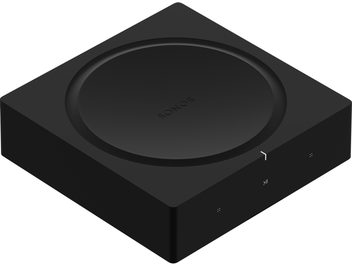
The true breakthrough of the Sonos In-Ceiling speakers lies in their deep integration with the Sonos Amp. When connected, the Amp automatically recognizes them thanks to a unique electrical signature built into their crossover network. This recognition triggers the activation of a digital signal processor (DSP) specifically calibrated for these drivers.
The DSP does more than apply a predefined EQ curve. It analyzes the audio signal in real time and dynamically adapts several parameters: multiband compression preserves clarity during complex passages, the intelligent limiter protects the drivers from overload while maximizing perceived dynamics, and adaptive equalization compensates for the typical acoustic characteristics of a ceiling installation.
Trueplay technology represents the culmination of this intelligent approach. Using the microphone of an iOS device, the system generates a series of frequency sweeps that precisely map the room’s acoustics. The algorithm analyzes primary and secondary reflections, identifies the room’s resonant modes, and calculates a bespoke correction. This calibration goes far beyond simple equalization: it accounts for the speakers’ relative position, their interaction with reflective surfaces, and even the acoustic absorption of materials present in the room.
The result of this software optimization yields measurable and perceptible improvements: frequency response becomes more linear, stereo imaging gains precision, and acoustic issues inherent to ceiling installations—particularly the tendency toward diffuse spatialization—are significantly reduced.

Acoustic performance and technical capabilities
The technical specifications reveal the ambition of the project: a frequency response extending from 36 Hz to 20 kHz (±3 dB) defies typical expectations for in-wall speakers of this size. This notably extended low end results from meticulous optimization of the rear volume and a sophisticated acoustic tuning. The ability to reproduce such low frequencies without a separate subwoofer greatly simplifies installation while preserving tonal coherence.
The sensitivity of 85 dB SPL (2.83 V / 1 m) may seem modest compared to some high-efficiency speakers, but this value reflects a deliberate choice favoring linearity and frequency extension. Paired with the generous power of the Sonos Amp (125 watts per channel), this sensitivity allows a maximum sound pressure level of 110 dB at one meter, more than sufficient to fill large spaces with comfortable headroom.
The nominal impedance of 8 ohms ensures optimal compatibility with Sonos amplification, as well as a stable electrical load that maximizes energy efficiency. The passive crossover design—unseen but essential—uses audiophile-grade components selected for transparency and thermal stability. Metallized polypropylene capacitors and air-core inductors minimize phase distortion, preserving the musical signal’s temporal coherence.
Directivity, with a 90° axisymmetric dispersion angle, represents an optimal compromise between spatial coverage and precision. This characteristic enables even sound distribution throughout the listening area while avoiding excessive reflections on adjacent walls, a potential source of undesirable coloration.

Installation flexibility and system scalability
One of the major strengths of these speakers is their ability to adapt to various configurations. A single Sonos Amp can power up to three pairs of In-Ceiling speakers connected in parallel, covering up to 180 square meters with six diffusion points. This scalable architecture radically reshapes the economics of multiroom installations: where traditional systems would require multiple amplifiers, the Sonos Amp / In-Ceiling pairing offers an elegant and cost-effective solution.
The supplied cutout template greatly simplifies installation. With a drilling diameter of 20.1 centimeters and a required depth of only 12 centimeters, these speakers accommodate most ceiling configurations, including tight spaces between the ceiling and insulation. Professional installers particularly appreciate the generous mounting tolerance and the progressive locking system that eliminates the risk of dropping during installation.
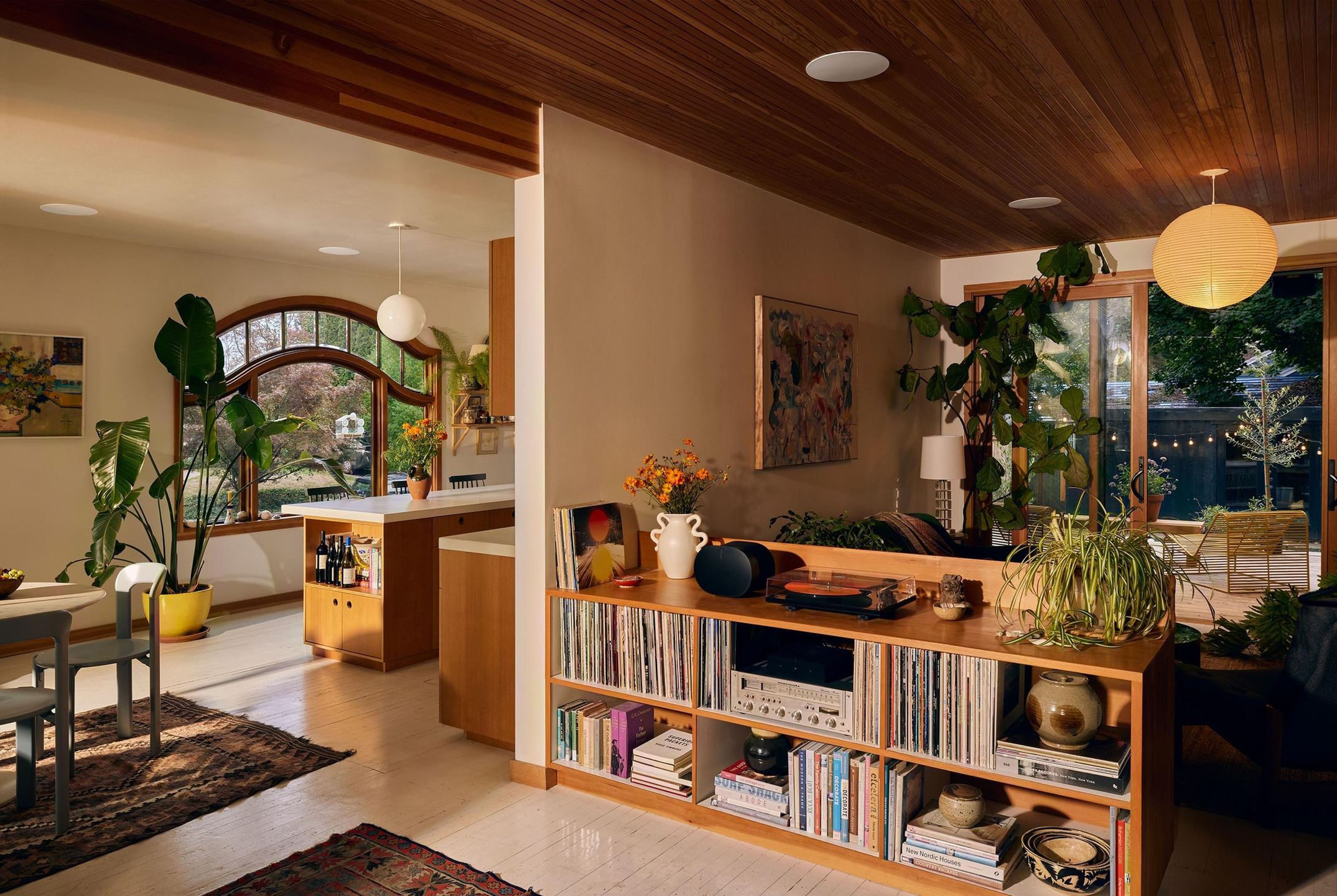
Integration within the Sonos ecosystem opens up endless creative possibilities. The speakers can serve as the primary system in a room, integrate into a home theater setup as surround or height channels, or simply play synchronized music with other Sonos zones. This versatility, combined with simple setup via the Sonos app, democratizes access to sophisticated audio installations once reserved for high-end projects with custom integration.
Documentation
Technical specifications
Acoustic components
- 6.5-inch model
- Woofer: 1 x 16.5 cm polypropylene
- Tweeter: 1 x 2.5 cm
Audio performance
- 6.5-inch model
- Frequency range: 36 Hz – 20 kHz ± 3 dB (with TNS)
- Nominal impedance: 8 Ω
- Sensitivity: 85 dB SPL (2.83 V / 1 m)
- Maximum SPL: 110 dB at 1 m
- Dispersion angle: 90°, axisymmetric
Dimensions and installation
- 6.5-inch model
- Overall diameter: 23.6 cm
- Mounting depth: 12 cm
- Cutout diameter: 20.1 cm
- Weight: 2.27 kg per speaker
Power and compatibility
- Maximum power: 130 W
- Optimized for: Sonos Amp
- Requires a Sonos Amp for TNS and Trueplay optimization
Box contents
- 2 Sonos in-ceiling speakers
- 2 speaker grilles
- Cutout template
- Documentation: installation guide, legal notices, warranty
General information
- Recommended applications: home theater, multiroom audio, architectural integration
- Optional square replacement grilles available to suit any aesthetic needs
- Clear, precise sound with deep bass
- Discreet, elegant installation
- Automatic sound optimization via Sonos Amp and Trueplay
- Easy control via the Sonos app
- Ability to group multiple speakers for multiroom sound
Frequently Asked Questions
Can these speakers work without the Sonos Amp?
Technically, the Sonos In-Ceiling speakers are passive and compatible with any amplifier that supports their 8-ohm impedance. However, using a third-party amplifier forfeits all the benefits of Sonos integration: no automatic recognition, no dedicated DSP optimization, no Trueplay, and of course no access to the Sonos multiroom ecosystem. Pairing with the Sonos Amp is therefore strongly recommended to fully exploit their potential.
What is the difference between the 6-inch and 8-inch models?
Beyond the obvious size difference, the 8-inch model offers extended bass (29 Hz versus 36 Hz), a slightly higher maximum SPL (113 dB versus 110 dB), and a wider dispersion angle (100° versus 90°). The choice mainly depends on room size and listening preferences: the 6-inch model is ideal for spaces up to 30 m², while the 8-inch excels in larger rooms or for listeners seeking more imposing low-frequency reproduction.
Does installation require a professional?
While installation is technically within reach of an experienced DIYer, hiring a professional installer offers several advantages: expertise in optimal speaker placement based on room acoustics, assurance of compliance with electrical standards, and often access to specialized tools that make cable routing through walls easier. For a first installation, the investment in professional setup is well justified.
Can these speakers be mixed with other Sonance models in the same installation?
The Sonos Amp can technically power other Sonance speakers, but the auto-detection and DSP optimization only work with the Sonos Architectural by Sonance range. To maintain tonal consistency and benefit from all optimizations, it is preferable to use only models from the same range and of the same size on a single amplifier.
Are these speakers suitable for a bathroom or kitchen?
The Sonos In-Ceiling speakers do not carry an IP rating for humid environments. In a well-ventilated bathroom, an installation away from direct moisture sources can work, but for complete peace of mind, models specifically designed for damp rooms are preferable. In the kitchen, there are no particular restrictions, provided you avoid immediate proximity to intense heat sources.
How do they perform in a home theater configuration?
Excellently, particularly as surround or Atmos channels. Their controlled dispersion and ability to create an enveloping ambiance without drawing attention to their physical location align perfectly with the demands of modern immersive cinema. The near-zero latency of the Sonos system ensures perfect sync with the picture, a key criterion for a convincing cinematic experience.
Does painting the grille affect acoustic performance?
If paint is applied correctly—in a thin coat without clogging the perforations—the acoustic impact remains negligible. Sonos recommends using spray paint applied from a distance to avoid buildup in the holes. Some professional installers use specific dilution techniques to guarantee uniform coverage without compromising acoustic transparency.
- Eco-contribution included in the sale price.
- Manufacturer reference: INCLGWW1
- GTIN / EAN: 8717755775993