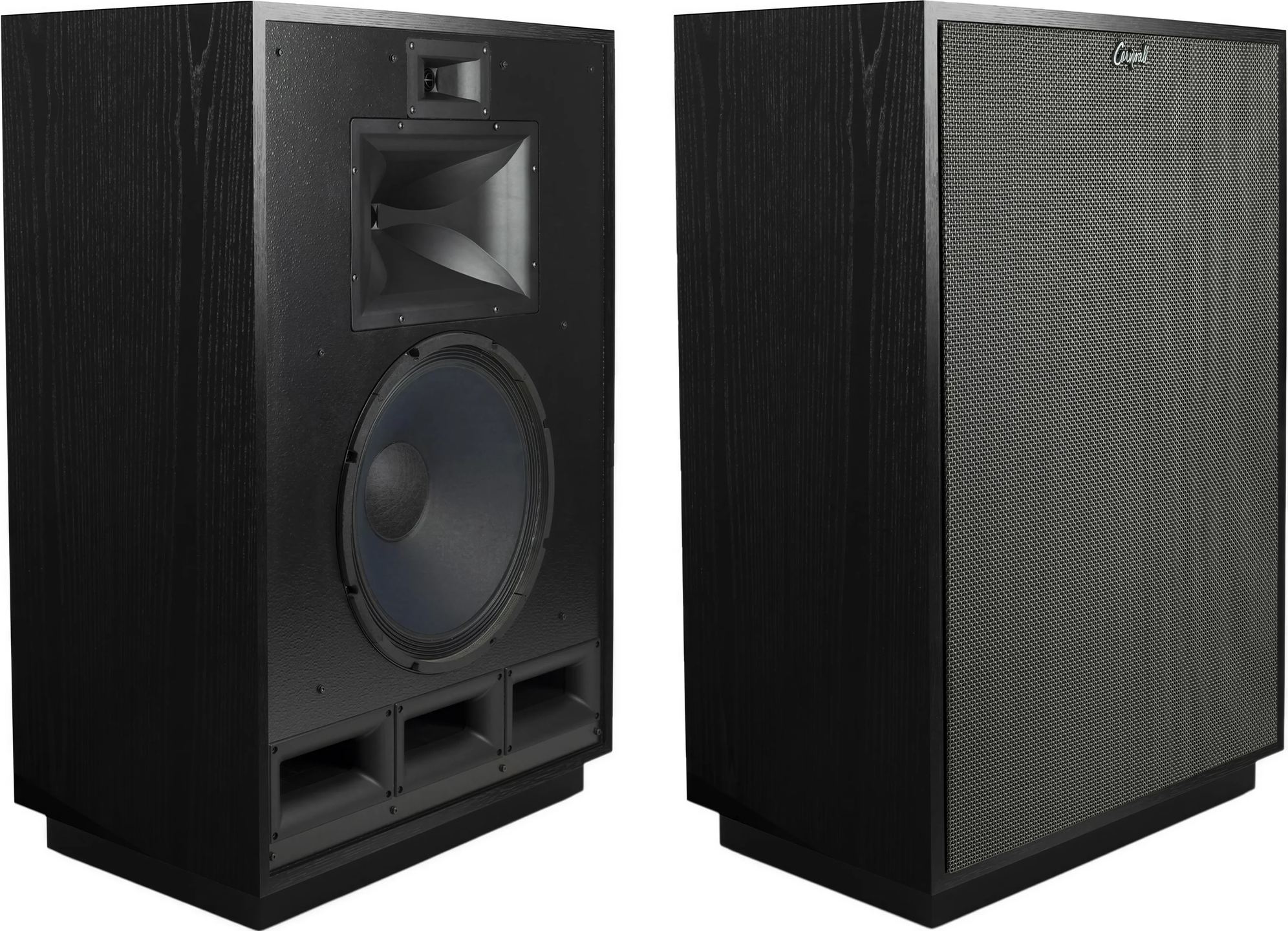
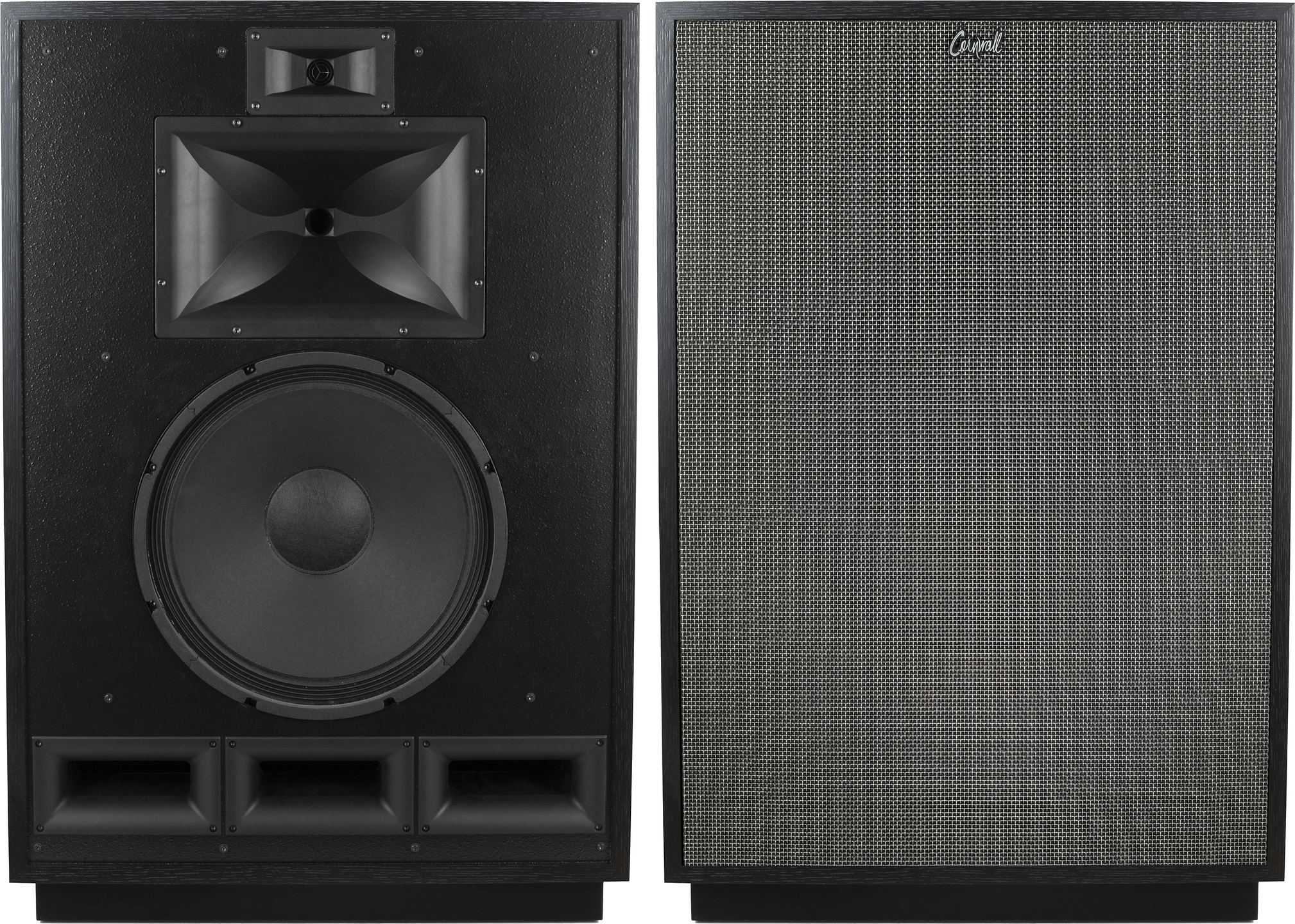
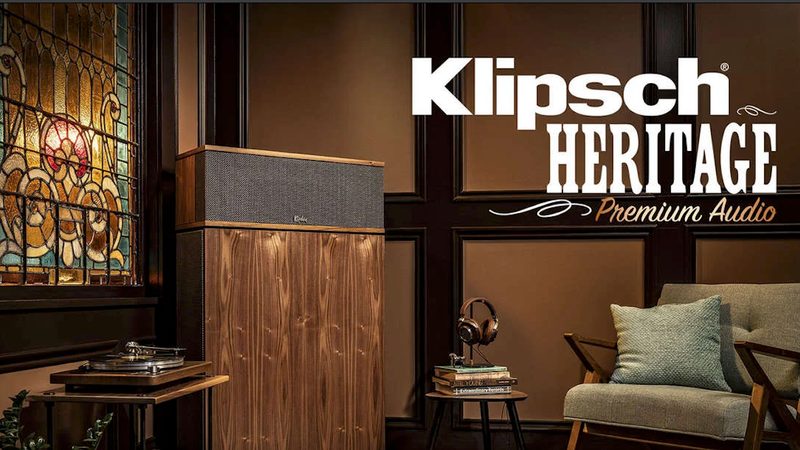
Born from the American audio tradition, the Cornwall IV American Club Edition represents the culmination of six decades of Klipsch acoustic excellence. This special edition, limited to just 100 pairs worldwide, features an exclusive Dark Cherry finish that enhances its timeless design. Combining modern technologies with proven acoustic philosophy, this high-efficiency three-way speaker carries on the legacy of Paul W. Klipsch while delivering remarkably precise sound reproduction. Impressive in both size and performance, it is an audiophile investment designed to be passed down through generations.
A Legendary Heritage in an Exclusive Edition
First introduced in 1959, the Cornwall speaker was originally designed as an alternative to the Heresy, serving as a center channel between two Klipschorns. After production was temporarily halted in 1990, a wave of protests from enthusiasts led to its triumphant return to the Klipsch catalog.
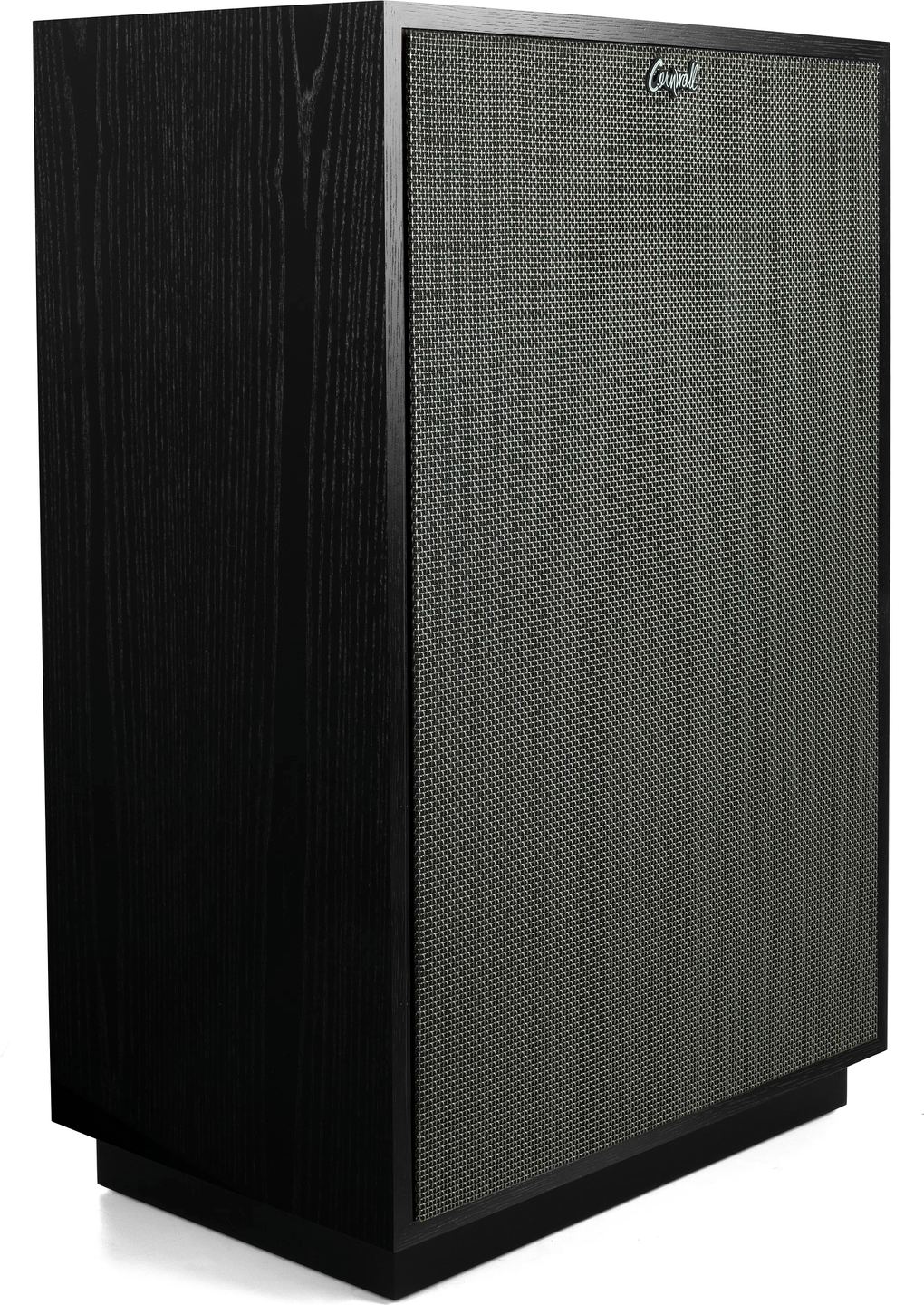
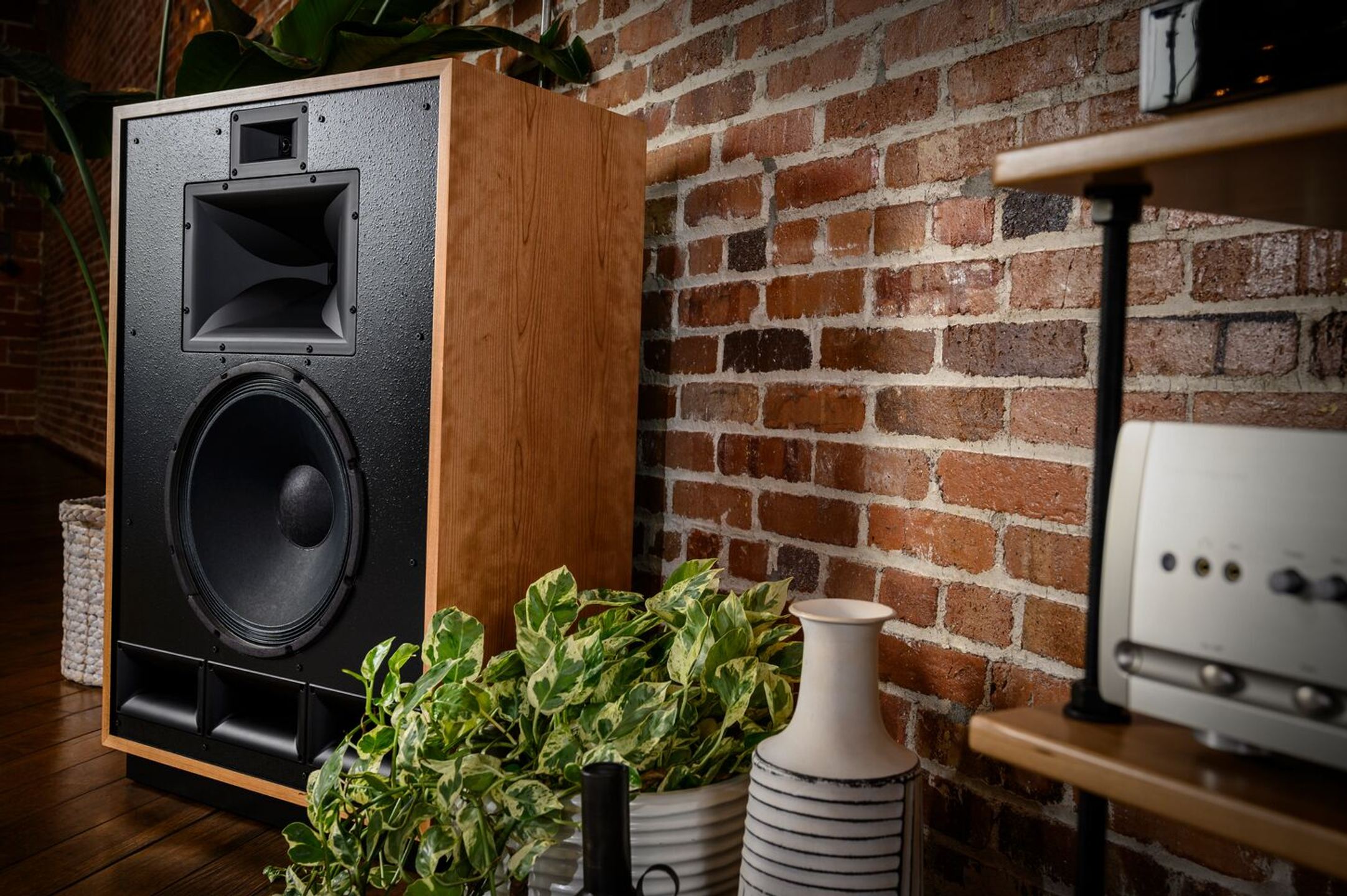
The American Club Edition celebrates this heritage with an ultra-limited series of 100 pairs in a unique Dark Cherry finish, giving the speakers an exceptional visual presence. This collector’s status is matched by the acoustic performance that has made this iconic Heritage range model so renowned.
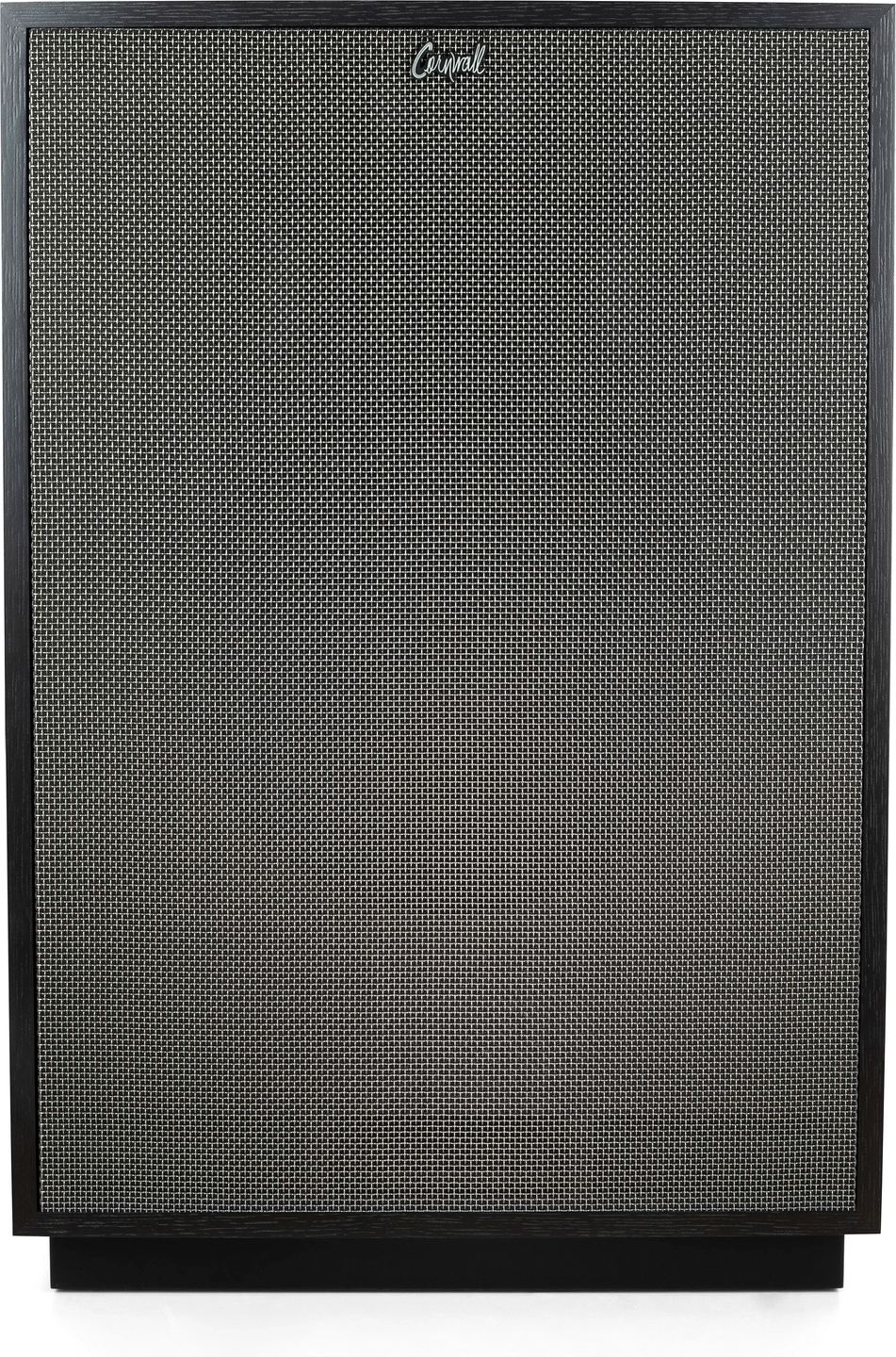
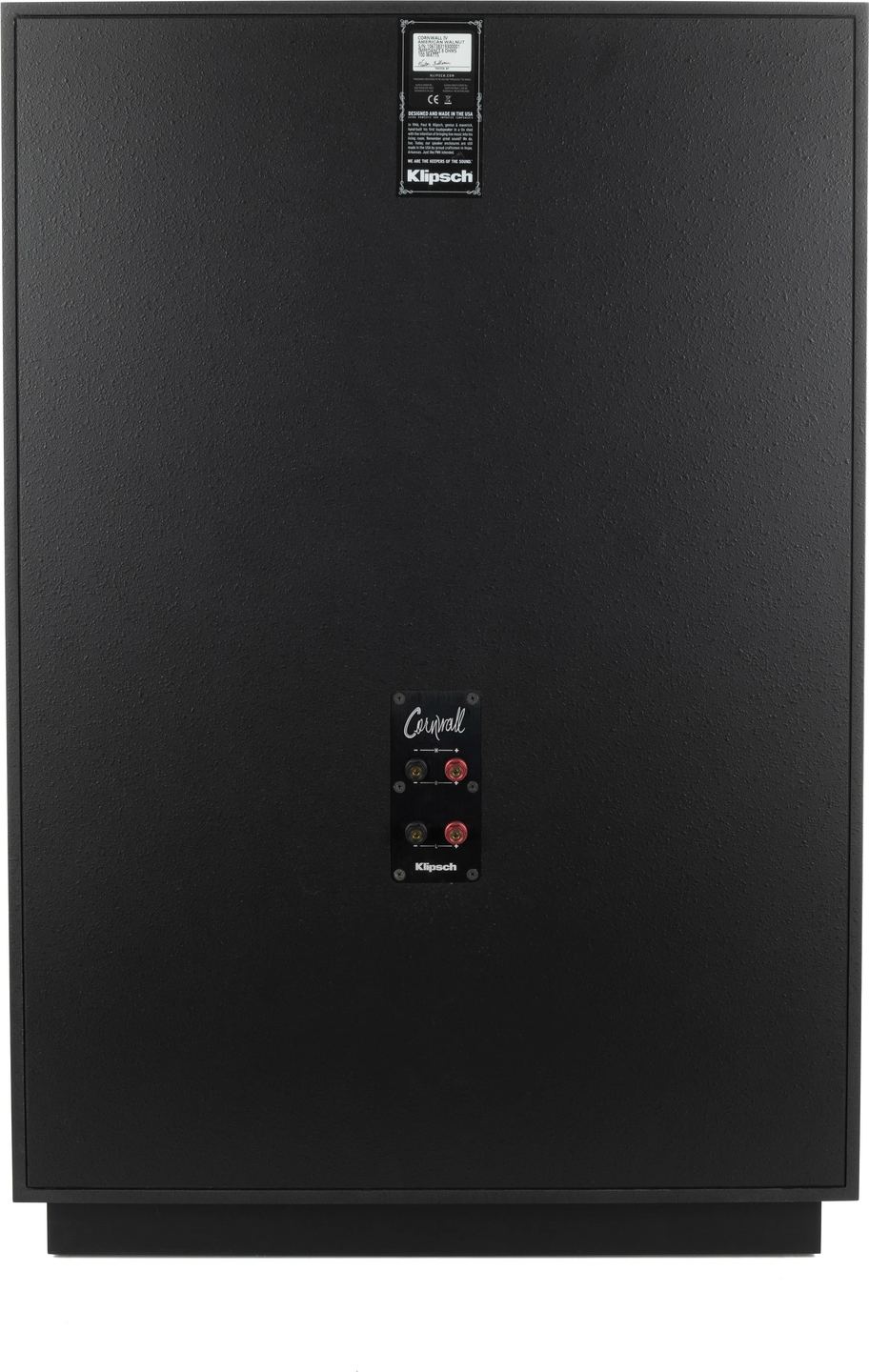
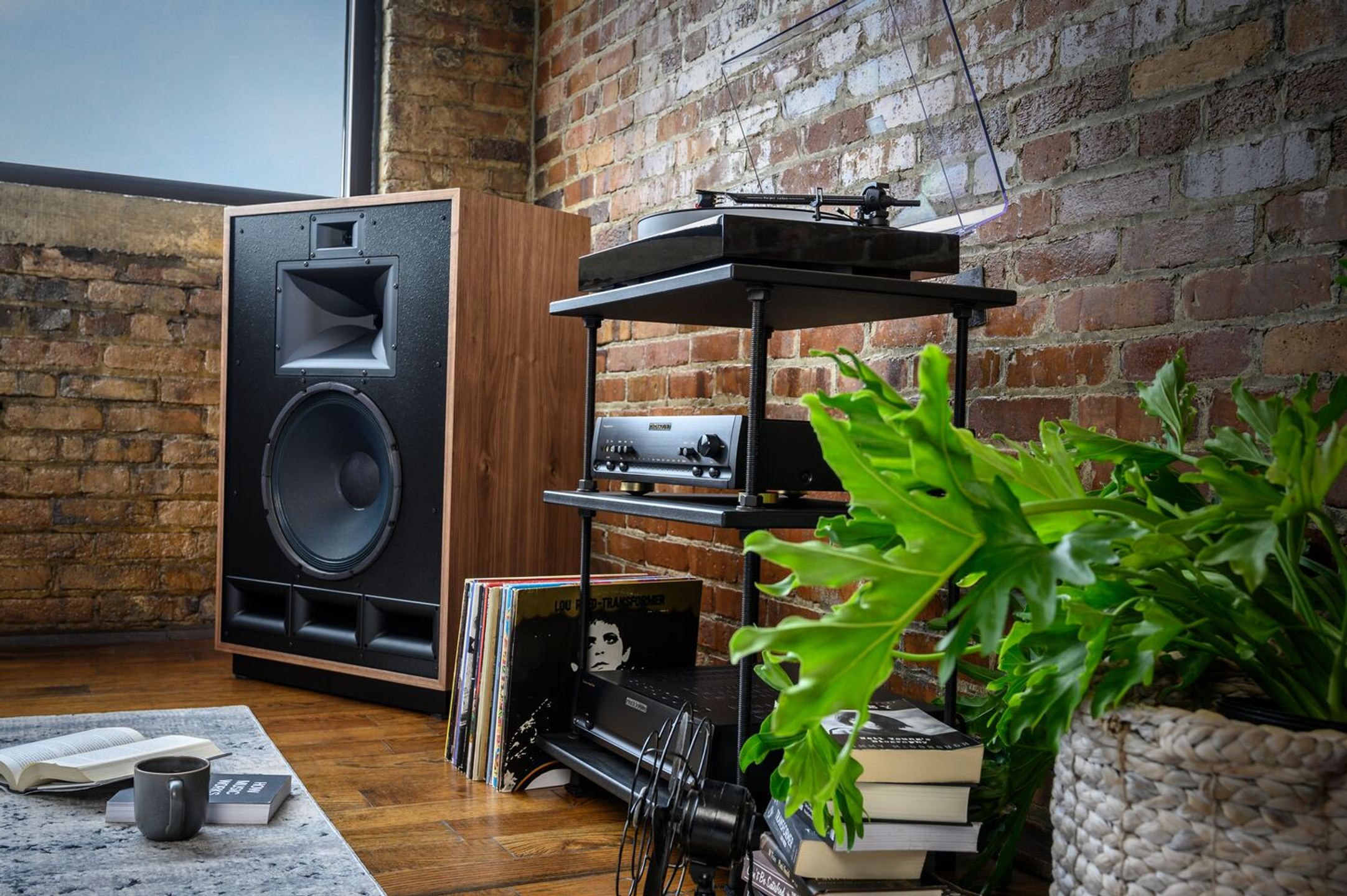
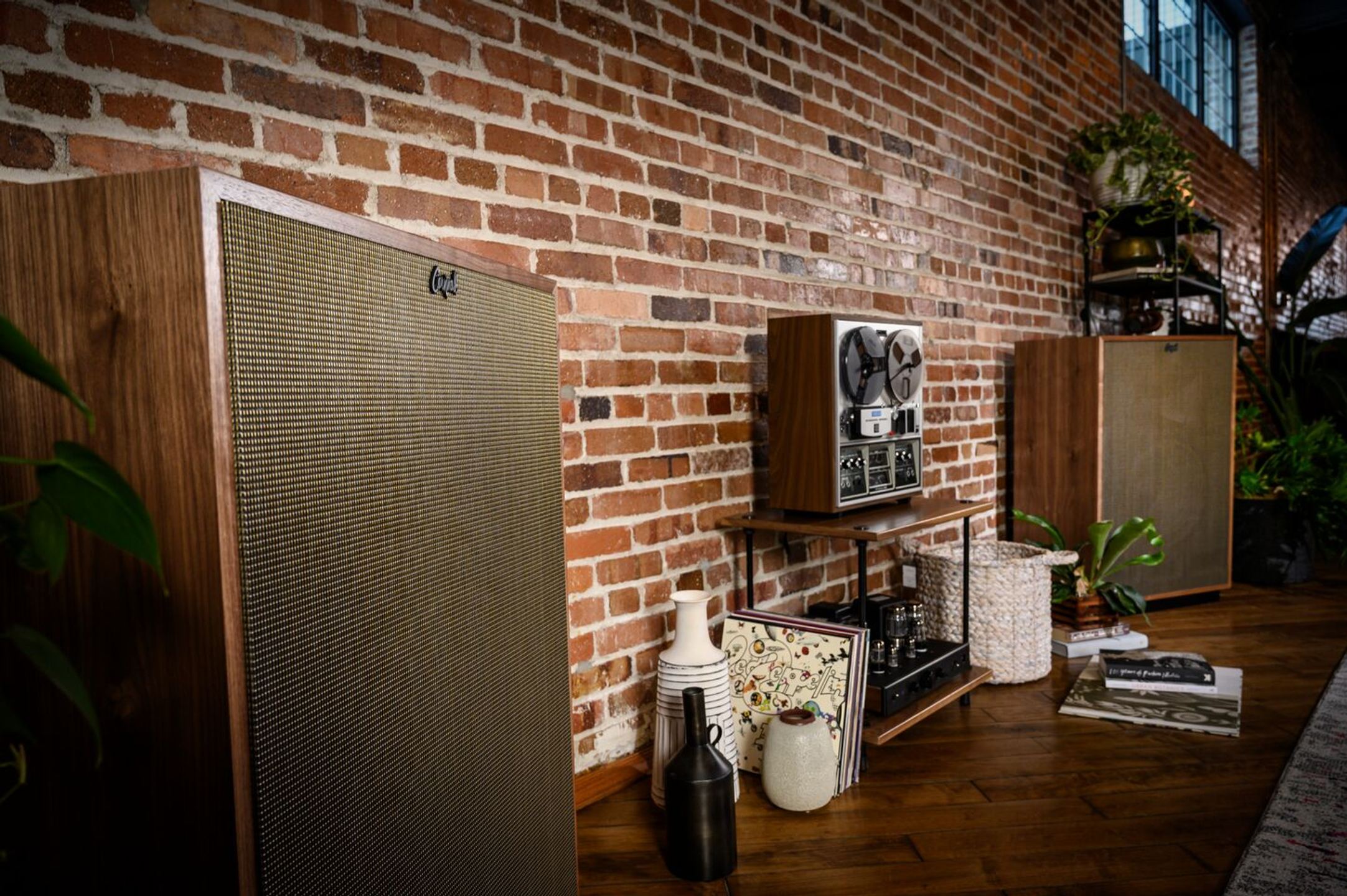
The design of the Cornwall IV retains the visual identity that has made it successful since its origins, with a few contemporary refinements such as the new black plinth, which creates a floating effect for the front panel. Its redesigned logo harmonizes with the rest of the current Heritage range, while its dual binding posts, compatible with bi-amping, are set on an elegant brushed metal panel.
Sophisticated Acoustic Architecture
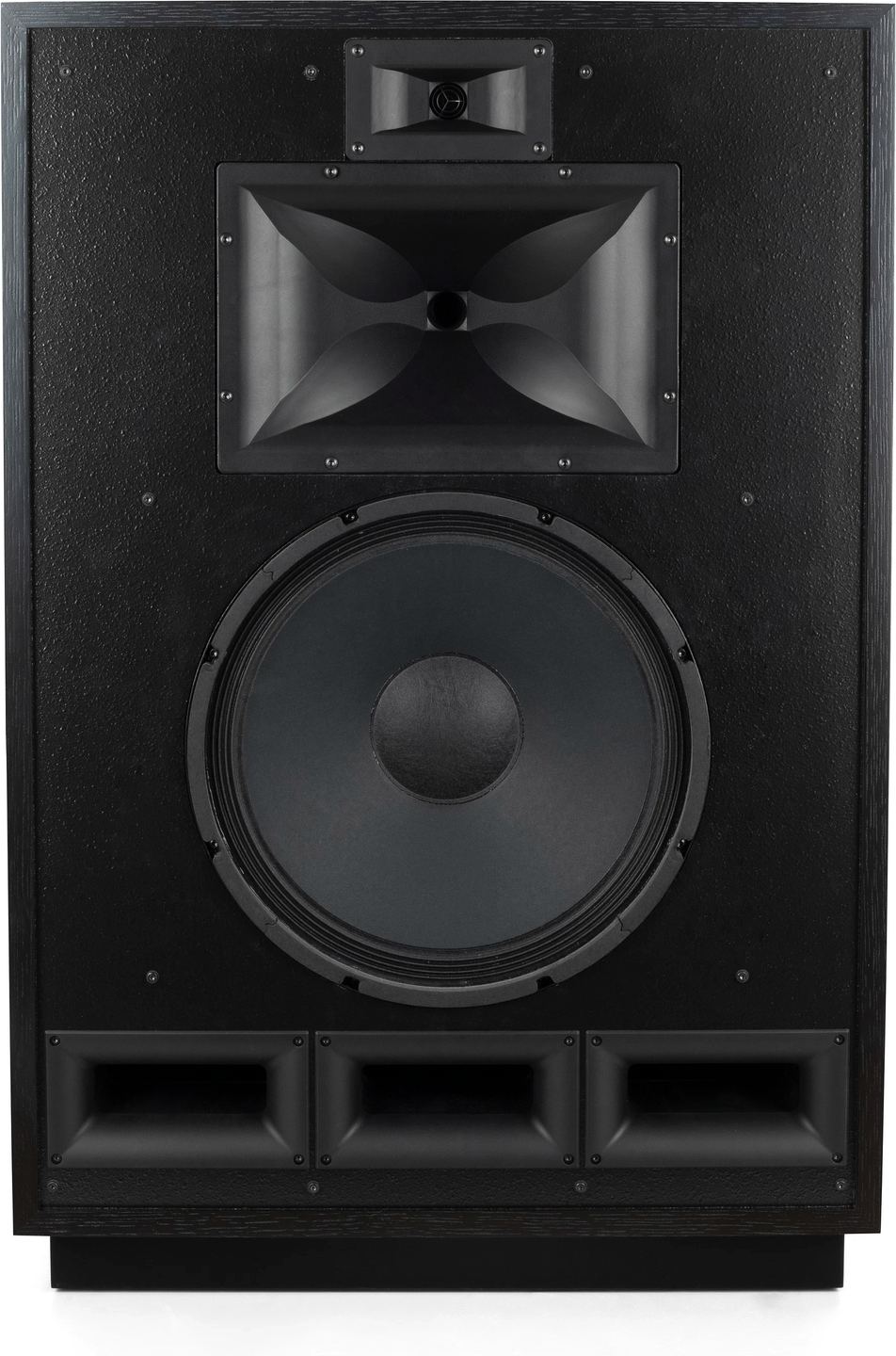
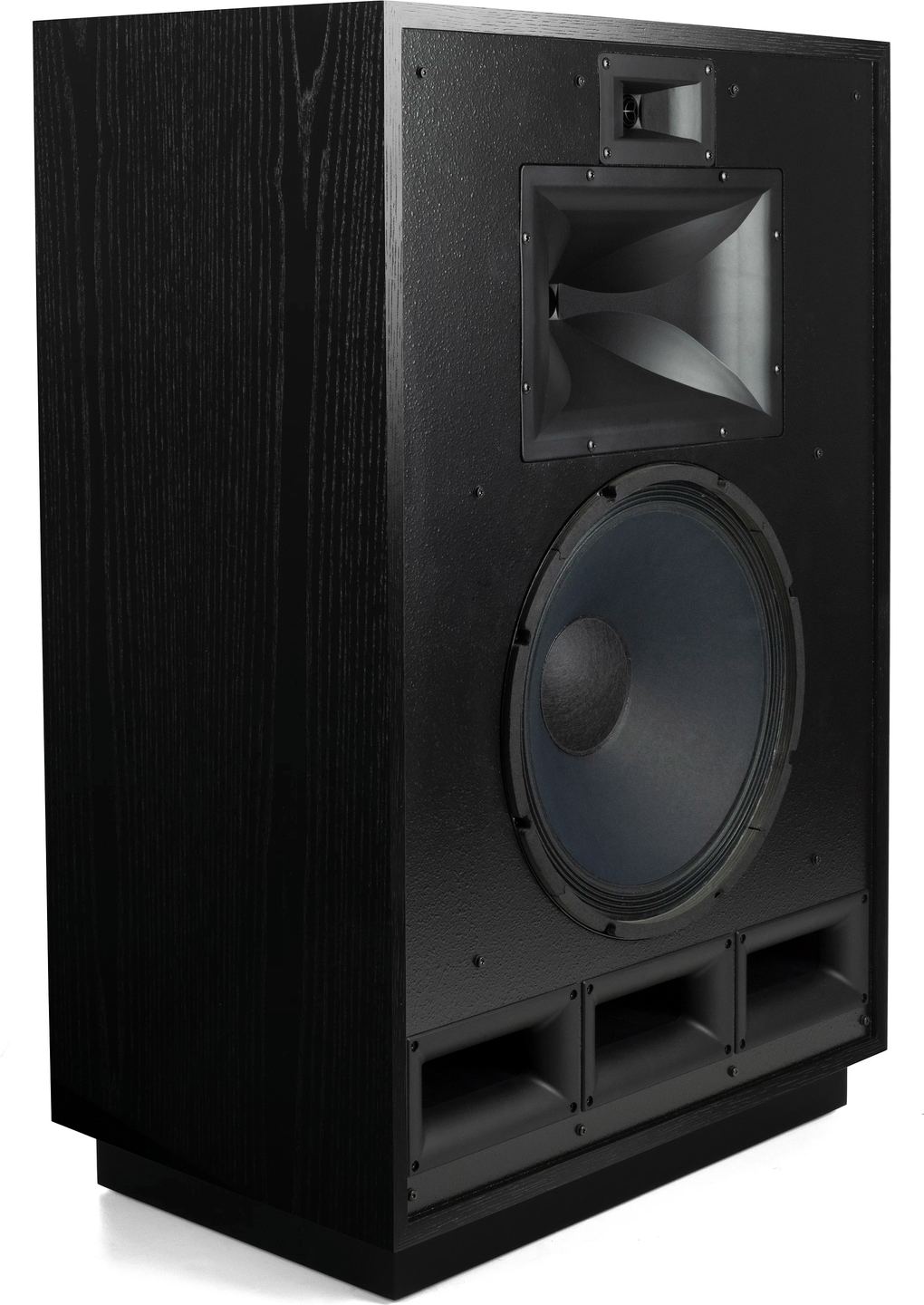
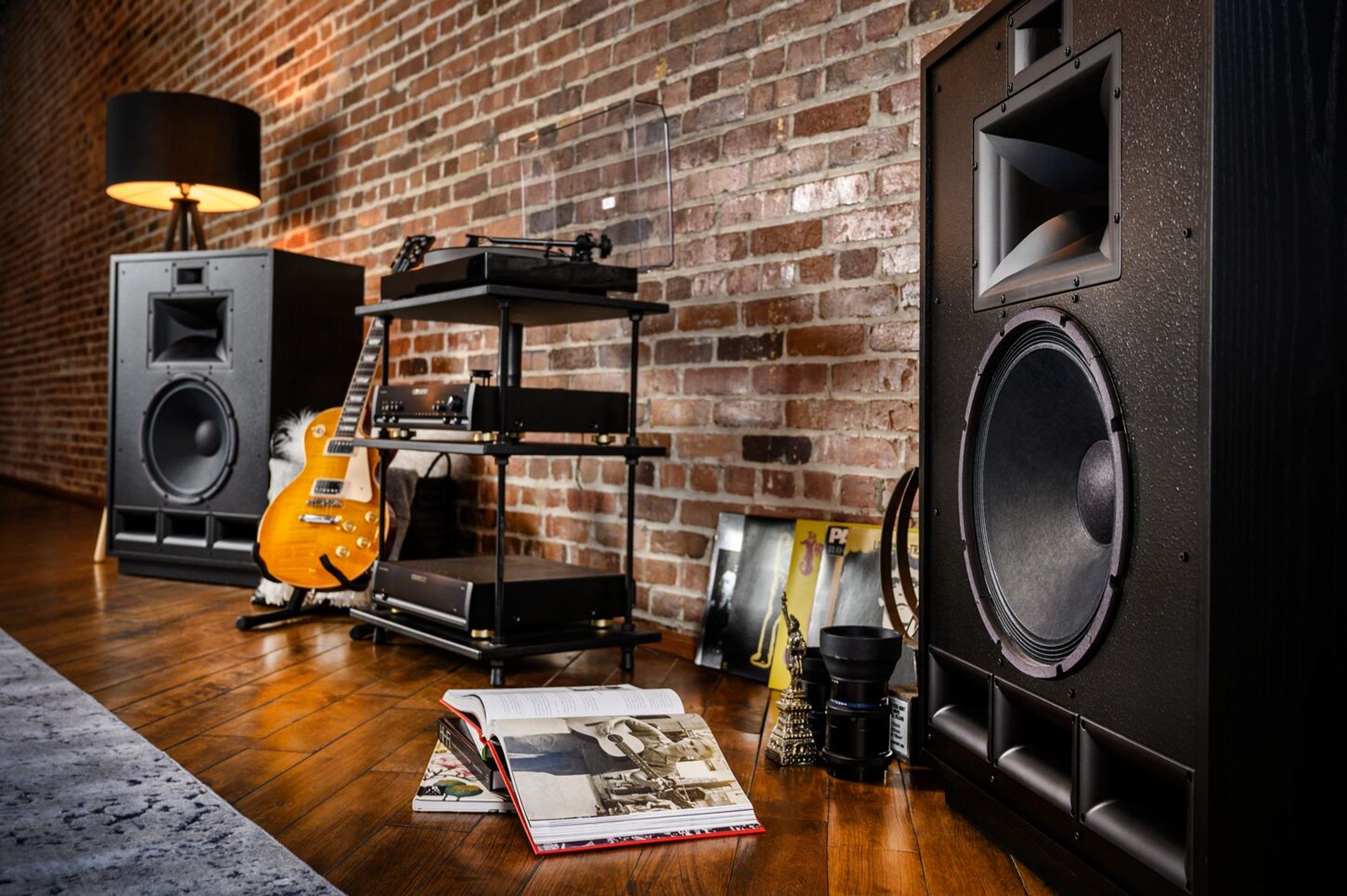
True to Klipsch’s philosophy, the Cornwall IV American Club is based on a highly efficient three-way design. Its architecture combines a 38 cm (K-33-E) direct-radiating woofer for low frequencies with two horn-loaded compression drivers for the midrange and treble.
The K-702 midrange driver uses a 4.45 cm polyimide diaphragm for exceptional detail and dynamic reproduction. It is paired with a modified Tractrix horn featuring patented “Mumps” technology, which optimizes the polar dispersion of midrange frequencies, ensuring remarkable sonic coherence throughout the listening area.
For the treble, the K-107-TI compression driver with a 2.54 cm titanium diaphragm delivers exemplary precision and extension, without the aggressiveness that characterized some older Klipsch models.
The passive crossover has been completely redesigned with a steep-slope topology inspired by the legendary Klipschorn and La Scala, using high-end components to minimize electrical degradation and preserve signal integrity.
Technical Advancements of the Fourth Generation
The Cornwall IV marks a significant step forward from its predecessor with several major improvements. The new K-702 midrange compression driver, paired with a redesigned horn, offers increased clarity and more detailed reproduction of the midrange frequencies, where most musical information resides.
The front-firing Tractrix ports have been optimized to improve air transfer efficiency, reducing port noise while increasing bass pressure and depth. This design delivers deeper and better-defined bass than the previous generation.
The internal wiring has been completely revised to maintain signal integrity, while the new binding posts make connections easier and allow for bi-wiring or bi-amping.
These improvements result in a faster, more expressive, and less directional listening experience than the Cornwall III, with a more natural and engaging sound presentation.
A Captivating Sound Signature
The Cornwall IV American Club stands out for its ability to deliver a life-sized soundstage with striking dynamics. Its extraordinary efficiency of 102 dB (2.83V/1m) allows it to reach impressive sound levels with very little power, even when driven by amplifiers of just a few watts.
Listeners often report discovering musical details they had never noticed before in their familiar recordings—subtle bass lines, keyboard nuances, or complex rhythms that were previously masked. This ability to reveal the texture and structure of recordings transforms the listening experience into a true musical exploration.
Contrary to common misconceptions about horn speakers, the Cornwall IV does not exhibit tonal coloration or harshness. After a break-in period of about 400 hours, it offers a natural and refined reproduction of acoustic instruments and voices. The accuracy of timbres and tonal coherence allows it to excel with symphonic music as well as jazz, rock, or electronic genres.
The bass performance is particularly remarkable—despite the large 38 cm woofer, the bass is fast, articulate, and free from artificial resonance, effectively reaching down to 34 Hz. This speed preserves the clarity of the midrange without masking or frequency overlap.
Integration into Your Audio System
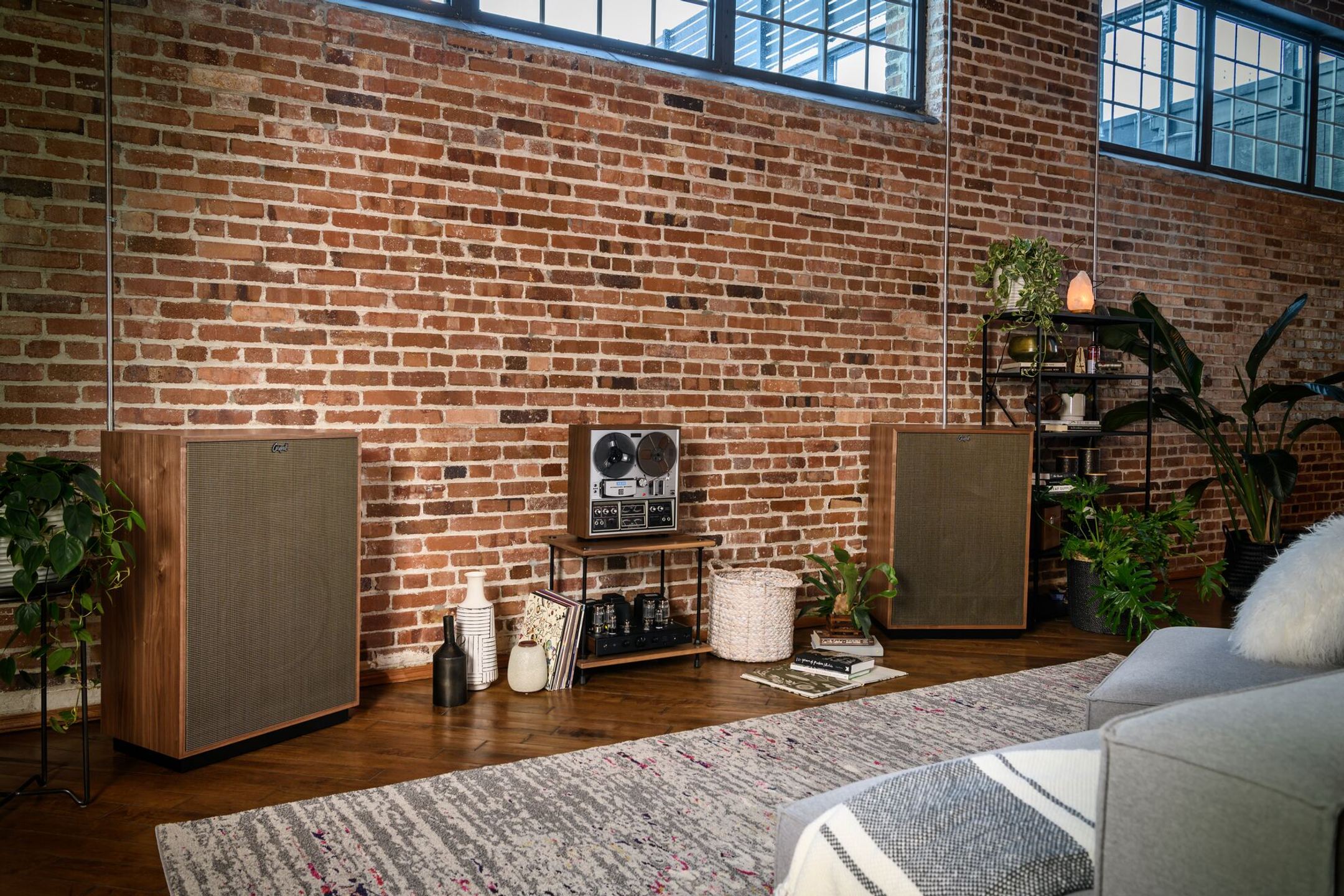
Although its imposing size (96.5 cm high, 64.3 cm wide, 39.4 cm deep) requires substantial space, the Cornwall IV is more flexible in placement than it might appear. Originally designed as a corner speaker (hence the name “Corn-wall”), it can be positioned against a wall without compromising its acoustic performance.
Its exceptional efficiency allows it to pair with amplifiers of any power. Low-power tube amp enthusiasts will particularly appreciate this feature, as it enables comfortable listening levels with just a few watts. The nominal 8-ohm impedance also facilitates compatibility.
For optimal integration into a listening room, it is recommended to maintain sufficient distance from the listening position. The Cornwall IV projects a powerful and expansive sound that benefits from some space—unlike speakers designed for nearfield listening.
Demanding users can take advantage of the dual binding posts for bi-wiring or bi-amping, further optimizing separation between frequency ranges.
What is the difference between the American Club Edition and the standard Cornwall IV?
+
The American Club Edition is an ultra-limited series of 100 pairs worldwide, featuring an exclusive Dark Cherry finish not available on standard models. The technical specifications and acoustic performance remain identical, but the collector’s status of this special edition makes it a particularly sought-after investment for brand enthusiasts.
Are these speakers suitable for small spaces?
+
With their large dimensions and expansive sound character, the Cornwall IV is ideally suited for medium to large rooms. In a small space, their physical and acoustic presence may be overwhelming. For more modest spaces, other models in the Heritage range, such as the Heresy IV, offer a more appropriate alternative while retaining the Klipsch sound signature.
What amplifier power is recommended for these speakers?
+
Thanks to their exceptional efficiency of 102 dB, the Cornwall IV can reach comfortable sound levels with just 2 to 20 watts. They are particularly well-suited to low-power tube amplifiers. The maximum admissible power of 100W RMS (400W peak) also allows for the use of more powerful amplifiers, though this is rarely necessary for home listening.
User reviews
Bertrand
Very happy with my purchase, pairs perfectly with my Line Magnetic LM-216IA. I’m rediscovering my music with an incredible amount of detail
Comment from June 29, 2026 — Experience from June 18, 2026
Automatically translated — Show original (French)
Très content de mon achat, se marie parfaitement avec mon line magnetic l216ia. Je redécouvre ma musique avec énormément de détails
Frédéric
In the same vein as the klf30 Very good reproduction with a tube amplifier both at low power 2 to 3 W and at 6-7 W Then the reproduction will depend on the amplifier and the listening room After the klf30, no disappointment with the Cornwall
Comment from May 18, 2026 — Experience from May 07, 2026
Automatically translated — Show original (French)
Dans la lignée des klf30
Très bonne restitution avec un ampli tube aussi bien à faible niveau 2 à 3 w qu à 6-7w
Après la restitution sera fonction de l amplificateur et de la pièce d écoute
Après les klf30 pas de décu avec la Cornwall
Eric
Slight cabinet and midrange horn resonance. Listening experience radically different from the RF-7s they replace: remarkable tonal balance and treble that extends smoothly. On first listens, there’s a strong bass resonance that makes you want to send everything back, but it disappears with break‑in. Full, expansive bass, very different from the ultra-tight upper bass of the La Scala and RF-7. On paper, the crossover frequency is too high for the woofer and too low for the mid compression driver. In practice, the bass driver has a bit of trouble reproducing complex symphonic passages without intermodulation. On the other hand, the whole setup excels on live rock or jazz, or on tracks with soloists. The 15" woofer moves very little yet shifts large volumes of air. The result is very low distortion, even at high volume. Very high efficiency: you can hear tube hum. On the scope, I very rarely reach 250 mW. At that level, many class A/B amps are actually running in class A, and single-ended tube amps operate with “reasonable” distortion levels. Under these conditions, in fact, many amps with undersized power supplies and output transformers become usable and musical. With an SMSL SU9 + DIY tube buffer + NAD C298: ultra-realistic, ultra-dynamic, and musical listening. With an AN 300B kit, very pleasant but you can hear the bandwidth limitations of the transformers. With an Aleph 3 clone, superb sound. With a Yaqin VK2100, a big surprise with a pleasant sound, far less colored than on 92 dB Triangle speakers. It really makes you want to try a 2A3 or a First Watt F4. Choose an amp with low gain, or a 32‑bit digital preamp, otherwise you’ll end up with the volume at minimum. As for soundstage, with the 15" drivers there’s a sense of a sort of sound wall, not unpleasant. Would deserve a DSP for time alignment between bass and midrange. All in all, a very fine achievement by the engineers at Klipsch. And a VERY good pair of speakers for those who listen to jazz or rock. Not disappointed with the purchase.
Comment from January 10, 2026 — Experience from November 06, 2025
Automatically translated — Show original (French)
Légère résonnance de caisse et du pavillon medium. Ecoute radicalement différente des RF7 qu’elles remplacent: équilibre tonal remarquable et aigus qui filent doux.
Aux premières écoutes, grosse résonnance dans le grave qui donne envire de tout renvoyer, mais qui disparait avec le rodage. Grave ample, très différent du haut grave ultra tendu des La Scala et RF7.
Sur le papier, fréquence de coupure trop haute pour le grave et trop basse pour la compression medium. A l'ecoute, petite difficulté du HP grave a transcrire sans inter moduler des passages symphoniques complexes. L’ensemble excelle par contre sur des live rock ou jazz , ou des morceaux avec solistes.
Le 38cm bouge très peu pour déplacer de gros volumes d’air. Il en résulte une distorsion très faible, même à fort volume.
Rendement très élevé: on entend la ronflette des tubes. A l'oscillo, j'atteins exceptionnellement les 250mW. A ce niveau, beaucoup de classe A/B opèrent en classe A, et les amplis à tube SE opèrent avec des niveau de distorsion "raisonnables". Ds ces conditions, d'ailleurs, bcp d’amplis avec des alims et transfo de sortie sous dimensionnés deviennent utilisables et musicaux.
Avec un SMSL SU9 + buffer a tubes maison + NAD C298 : écoute ultra réaliste, ultra dynamique et musicale. Avec kit AN 300b, très agréable mais on entend les limites en bande passante des transfos . Avec clone d'aleph3, écoute superbe. Avec Yaqin vk2100, grosse surprise avec une écoute agréable, bien moins colorée que sur des Triangle a 92dB. Ca donne envie des tester une 2A3 ou un Firstwatt F4. Prendre un ampli avec un faible gain, ou un preamp digital 32bits, sinon vous vous retrouvez avec le volume au min. Côté image, avec les 38 cm, impression d’une sorte de mur sonore, pas désagréable. Mériterait un DSP pour l'alignement temporel grave/medium. Au final, une très belle réalisation des ingénieurs de chez Klipsch. Et une TRES bonne paire d’enceintes pour ceux qui écoutent du jazz ou du rock. Pas déçu de l’achat.
To better understand our visitors, measure marketing effectiveness and personalise ads, we and our partners use cookies and mobile advertising identifiers on your device. This data makes it possible to display personalised and non-personalised ads and measure their performance. Some cookies, which are technically necessary, are exempt from consent. You can accept those that require your consent, refuse them by clicking "Refuse", or customise your choices via the settings screen.
To find out how Google uses the data collected once you have given your consent, see Google’s Business Data Responsibility site.
You can change or withdraw your consent at any time via the "Consent and cookies" link. Your choices will apply on our site for 12 months.