

Accuphase T-1300
Overview
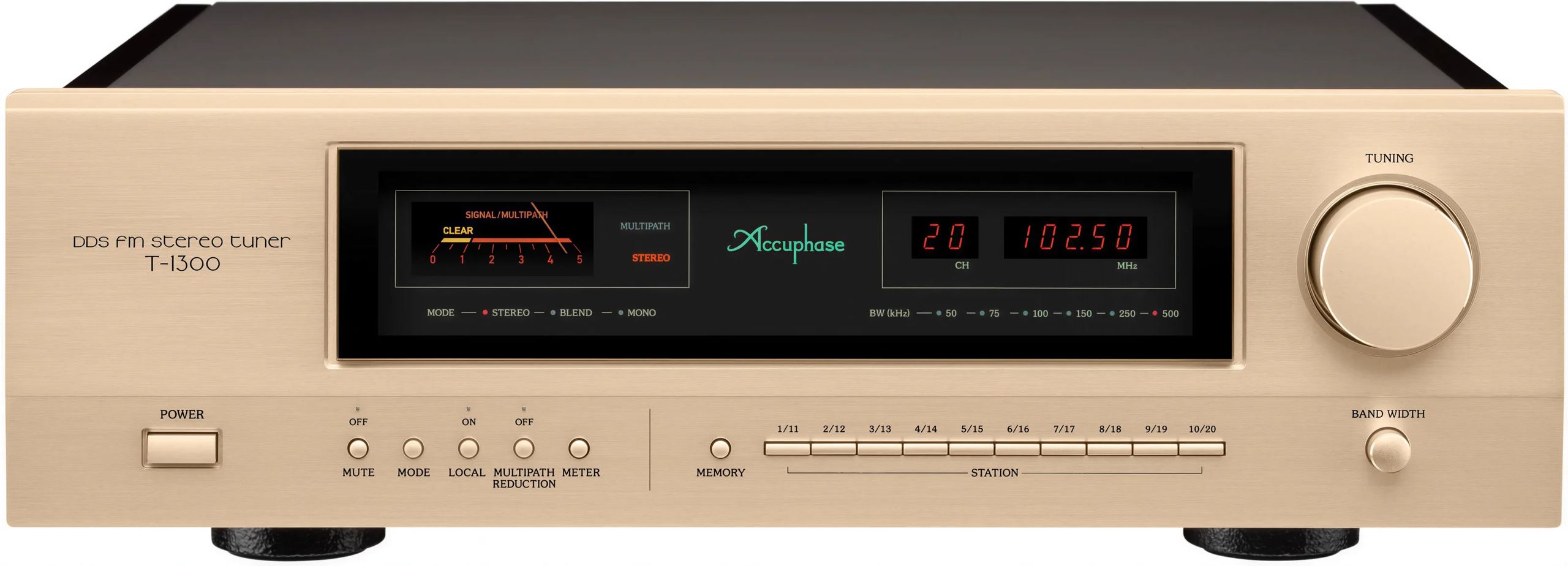
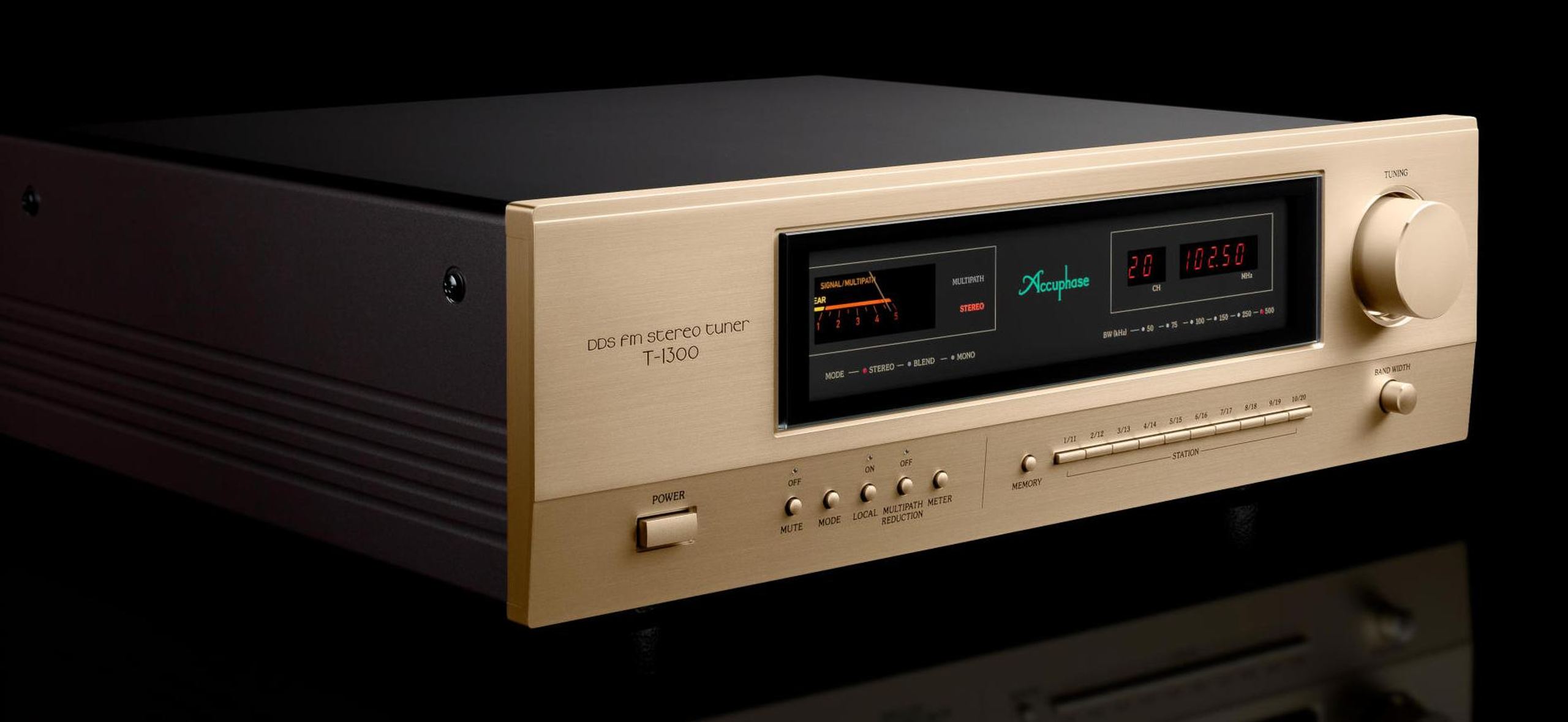
Accuphase’s T-1300 represents the culmination of decades of expertise in the design of reference FM tuners. This latest evolution of the Japanese lineup incorporates an exclusive-design DDS local oscillator, remarkably sophisticated DSP-based digital processing, and an analog input section engineered to stringent standards. With a 94 dB signal-to-noise ratio in mono and the ability to maintain 65 dB stereo separation, this tuner redefines FM reception standards for enthusiasts seeking uncompromising sound reproduction.
The DDS oscillator: the technological heart of the T-1300
The T-1300 leverages DDS (Direct Digital Synthesis) technology for its local oscillator—an approach that radically elevates signal purity from the very frequency-conversion stage. Unlike traditional analog oscillators that inevitably generate phase noise and spurious harmonics, the DDS system produces a mathematically pure sine wave. This architecture uses a master clock running at 196.608 MHz, then generates the local oscillator signal via a 14-bit digital-to-analog converter operating at 786.432 MHz.
This exceedingly high sampling frequency enables particularly effective suppression of spurious components. The resulting signal exhibits outstanding frequency stability, virtually eliminating the thermal drift that affects conventional tuners. The absence of unwanted modulation components in the local oscillator signal translates directly into a substantial improvement in signal-to-noise ratio, reaching 94 dB in mono—a value that places the T-1300 at the top of its class.
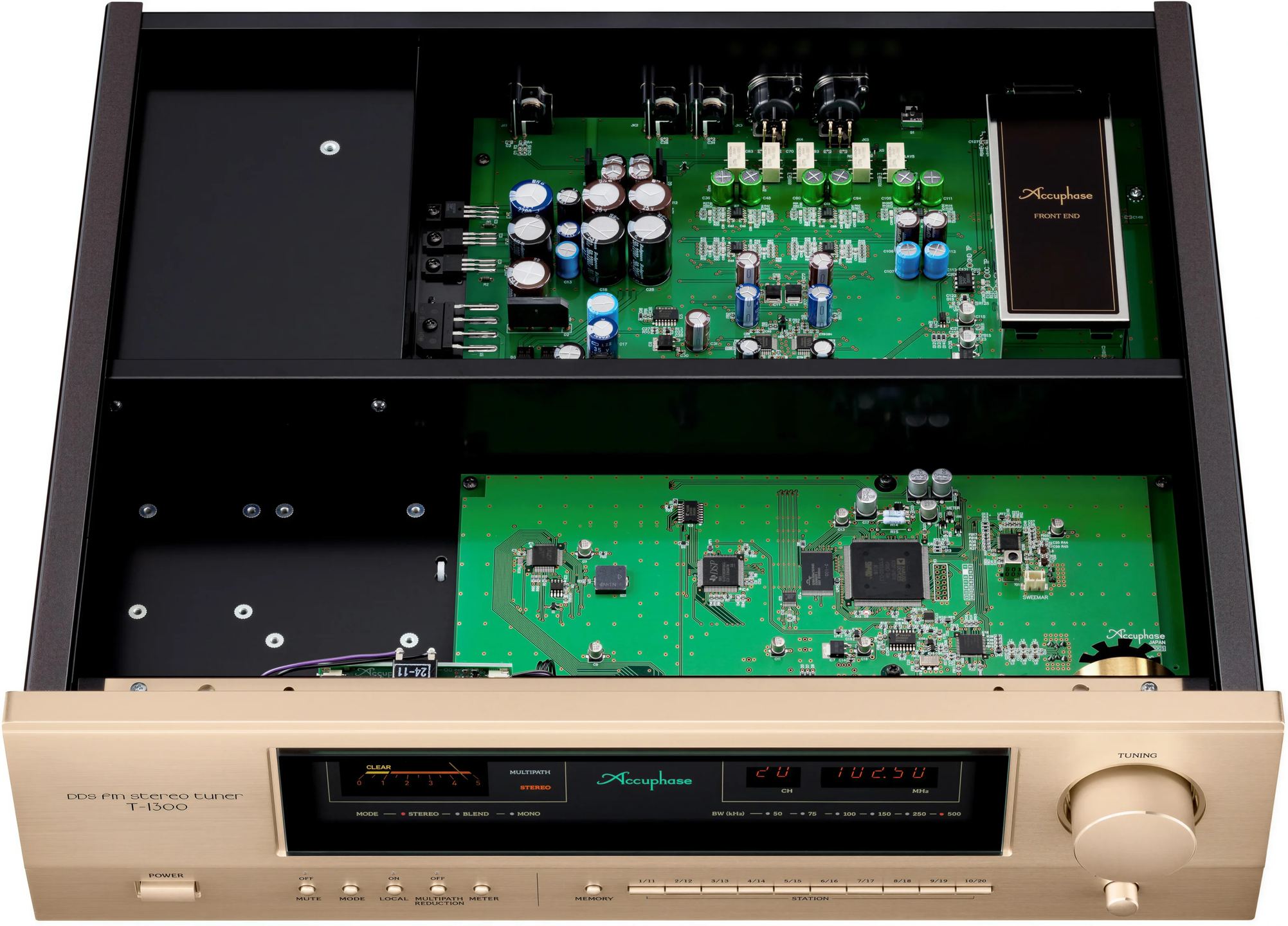
The T-1300’s front end deploys a two-stage, double-tuned architecture, a configuration that gives it exceptional robustness against high-level signals. Low-noise dual-gate MOSFETs used in the RF amplification stage are selected for their linearity and minimal noise figure. Spaced-winding RF coils, with a turns ratio optimized specifically for this application, help maximize sensitivity while preserving signal integrity.
DSP architecture and digital signal processing
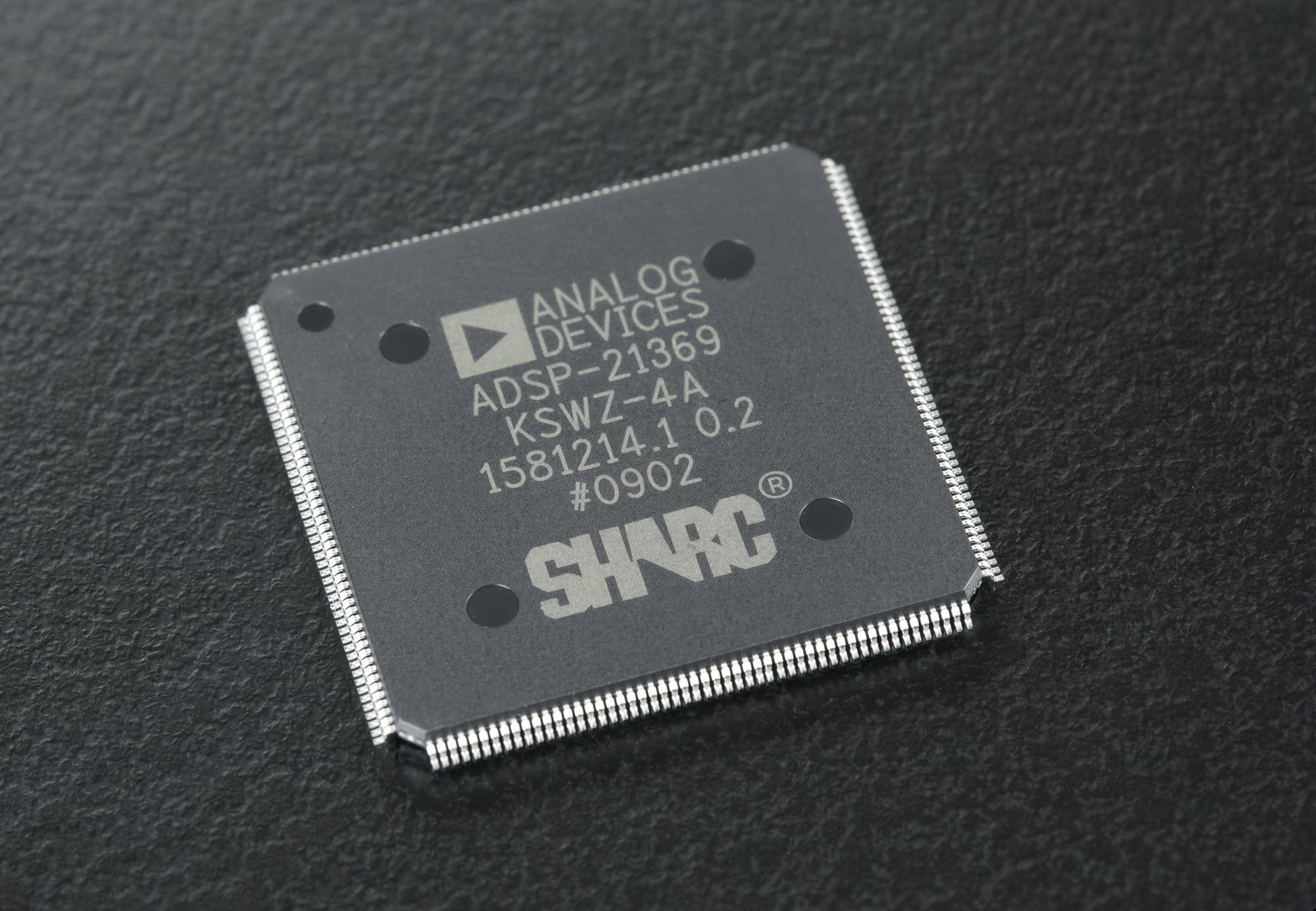
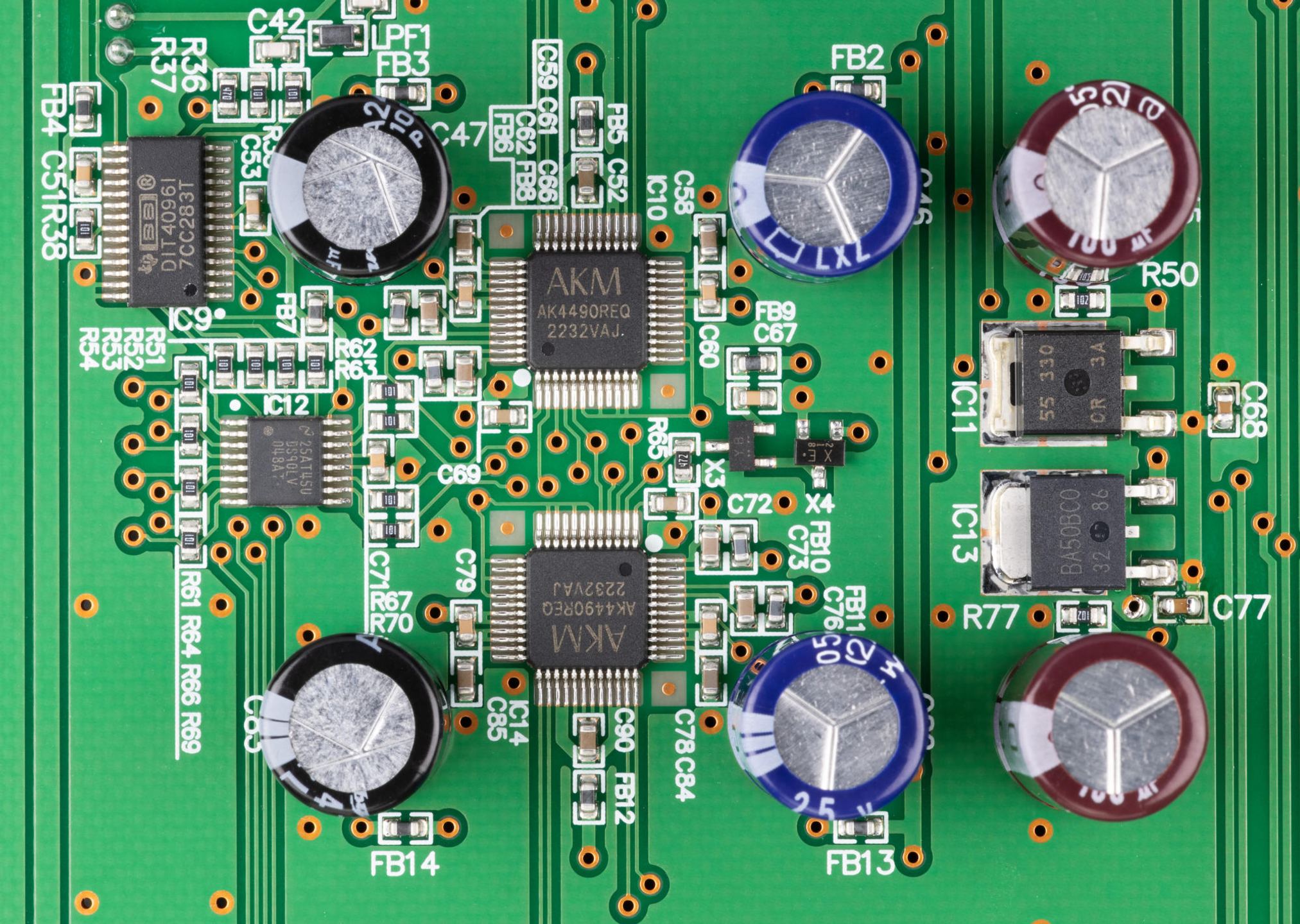
The T-1300’s major innovation lies in the complete implementation of signal processing in the digital domain after the intermediate frequency (IF) stage. A high-speed DSP handles all critical functions: variable IF filtering, multipath reduction, FM demodulation, and DS-DC stereo demodulation. This software-based approach achieves near-ideal performance, free from the constraints and tolerances of analog components.
The digital IF filter offers six selectable bandwidths: 50, 75, 100, 150, 250, and 500 kHz. This flexibility allows precise tailoring of selectivity to reception conditions. In dense urban environments where adjacent stations may cause interference, the narrow 50 or 75 kHz bands effectively isolate the desired signal. For a strong local station without interference, the 500 kHz band preserves the full audio spectrum, ensuring absolutely transparent reproduction.
The MPR (Multipath Reduction) function analyzes signal components in real time to identify and suppress reflected waves. These reflections, caused by buildings or terrain, typically generate distortion and degrade stereo separation. DSP processing computes the necessary corrections with a precision only possible in the digital domain, restoring the signal’s original clarity.
DS-DC demodulation: a revolutionary approach
Accuphase’s DS-DC (Direct Synthesis – Double Cancellation) technology represents a fundamental advance in stereo demodulation. This approach combines two major innovations executed entirely by digital computation in the DSP.
Direct synthesis of the pilot signal is the first innovation. Conventional tuners use a PLL (phase-locked loop) to extract the 19 kHz pilot tone, but this method becomes problematic when pilot level drops, introducing noise and reducing separation. The DS-DC system identifies the pilot waveform directly within the input signal and regenerates it mathematically. This approach maintains exceptional stereo separation even with weak or noisy signals.
Dual crosstalk cancellation is the second pillar of this technology. After the initial left/right channel separation, the circuit applies a crosstalk suppression algorithm that accounts for phase components. This dual approach virtually eliminates inter-channel interference, achieving 65 dB separation at 1 kHz—a value that far surpasses the best analog implementations.
Conversion section and output stage
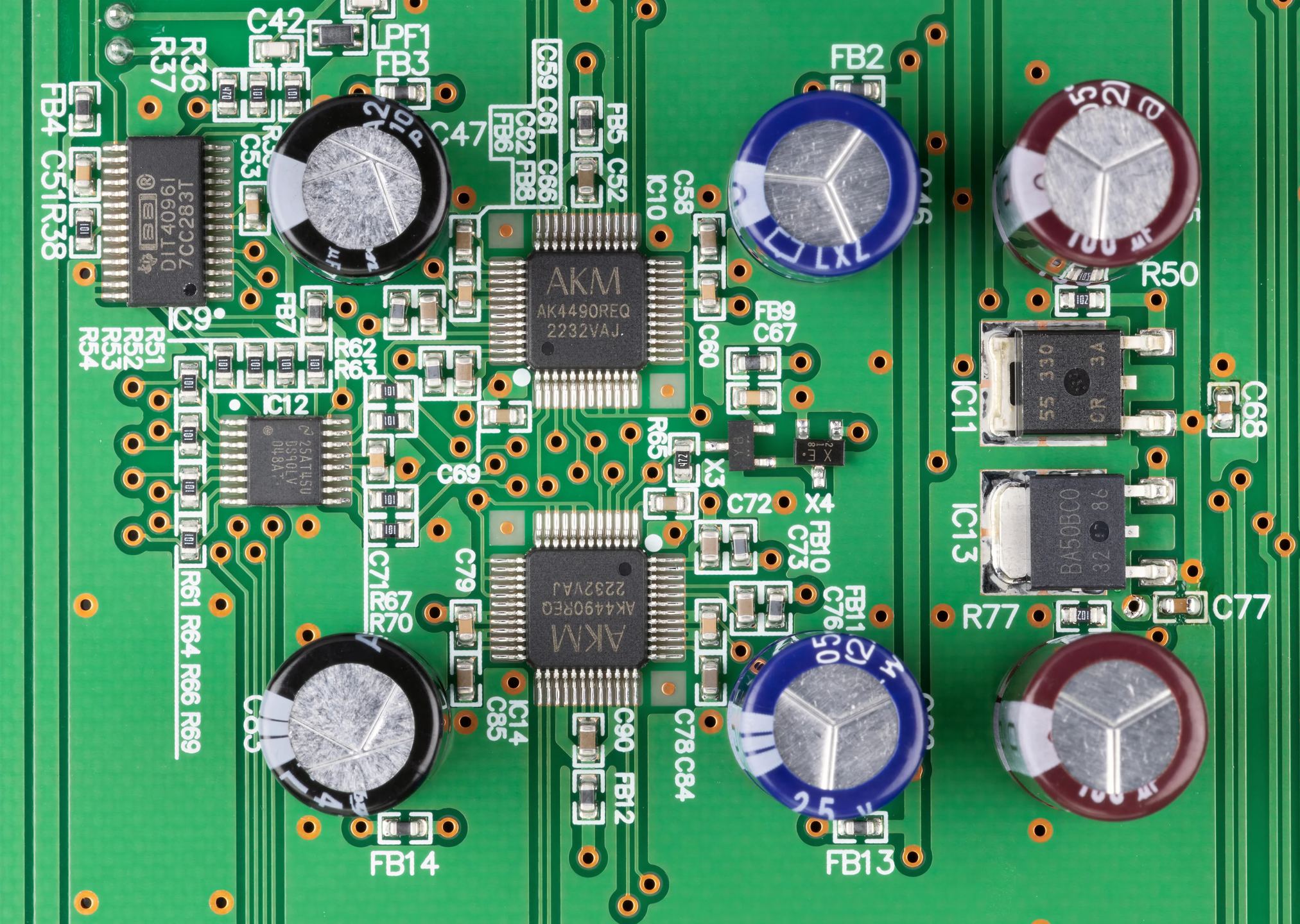
The T-1300 employs Accuphase’s MDS (Multiple Delta Sigma) technology for digital-to-analog conversion. This approach uses multiple converters operating in parallel for each channel, mathematically reducing conversion errors by a factor proportional to the square root of the number of converters. The converter outputs are summed, raising the level of the useful signal while the uncorrelated errors partially cancel.
This MDS architecture uniformly improves performance across the entire operating range, regardless of frequency or signal level. Ultra-low-level linearity, traditionally problematic for converters, particularly benefits from this approach. The result is extended dynamic range, minimal harmonic distortion, and exceptionally precise rendering of micro-details.
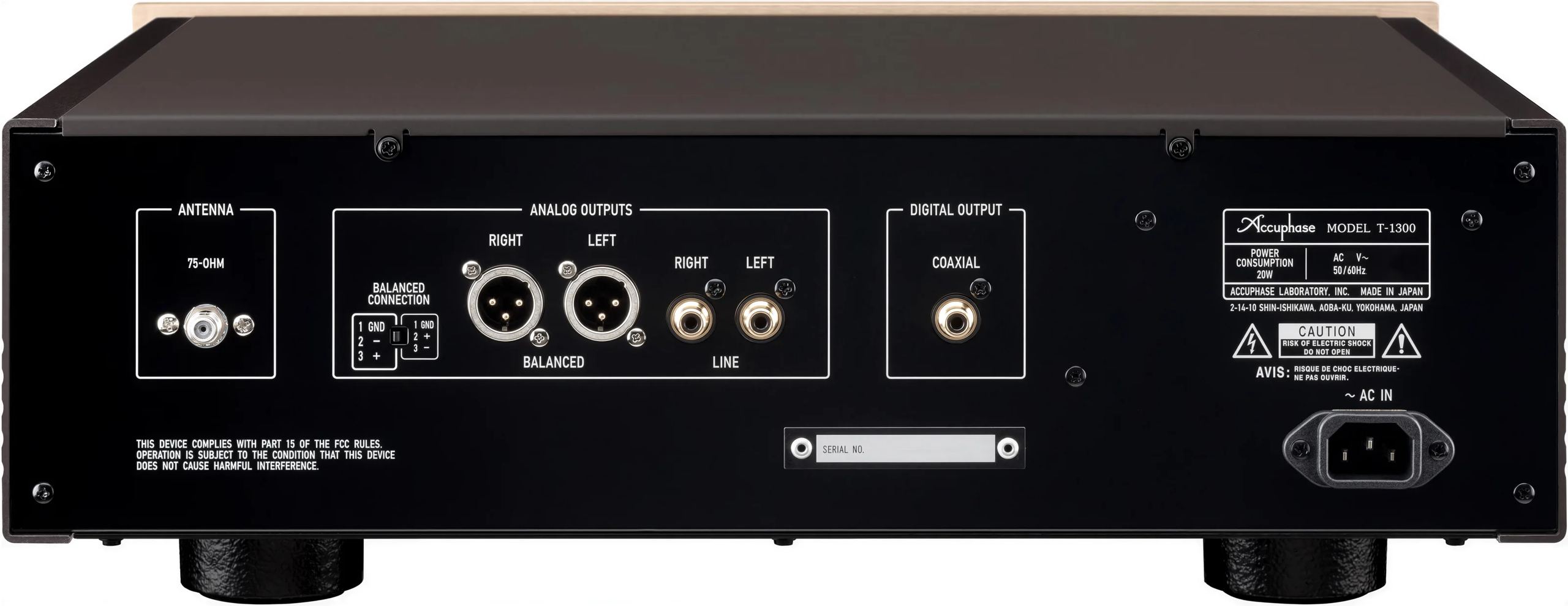
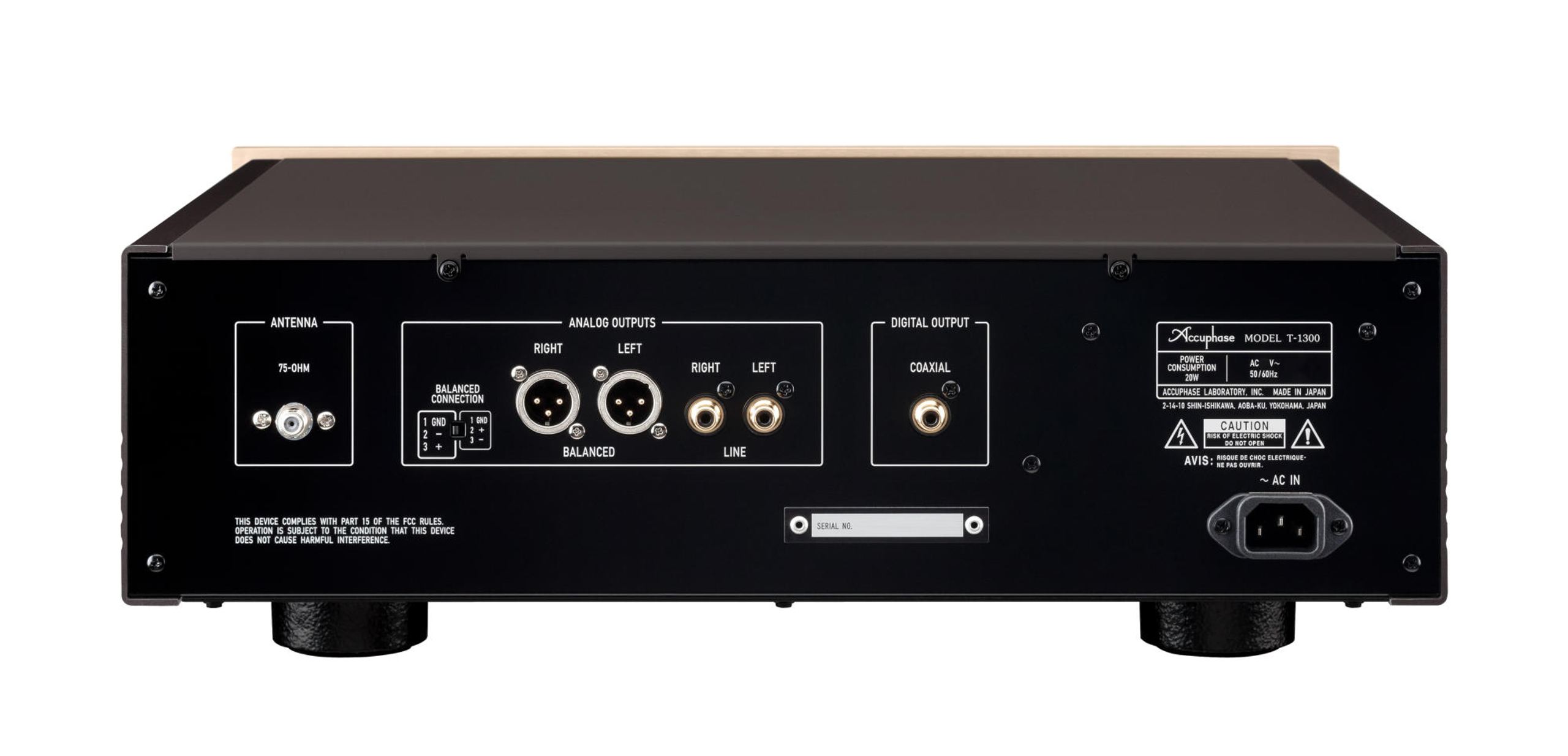
The output stage is meticulously executed, with balanced outputs on XLR connectors and unbalanced outputs on RCA. The output circuits use direct-balanced filters, preserving signal integrity right up to the output terminals. A polarity selector for the XLR output (pin 2+ or pin 3+) ensures compatibility with all professional equipment. The coaxial digital output delivers a 48 kHz/24-bit signal compliant with IEC 60958/AES-3, allowing the use of an external converter if desired.
Ergonomics and Pulse Tuning control
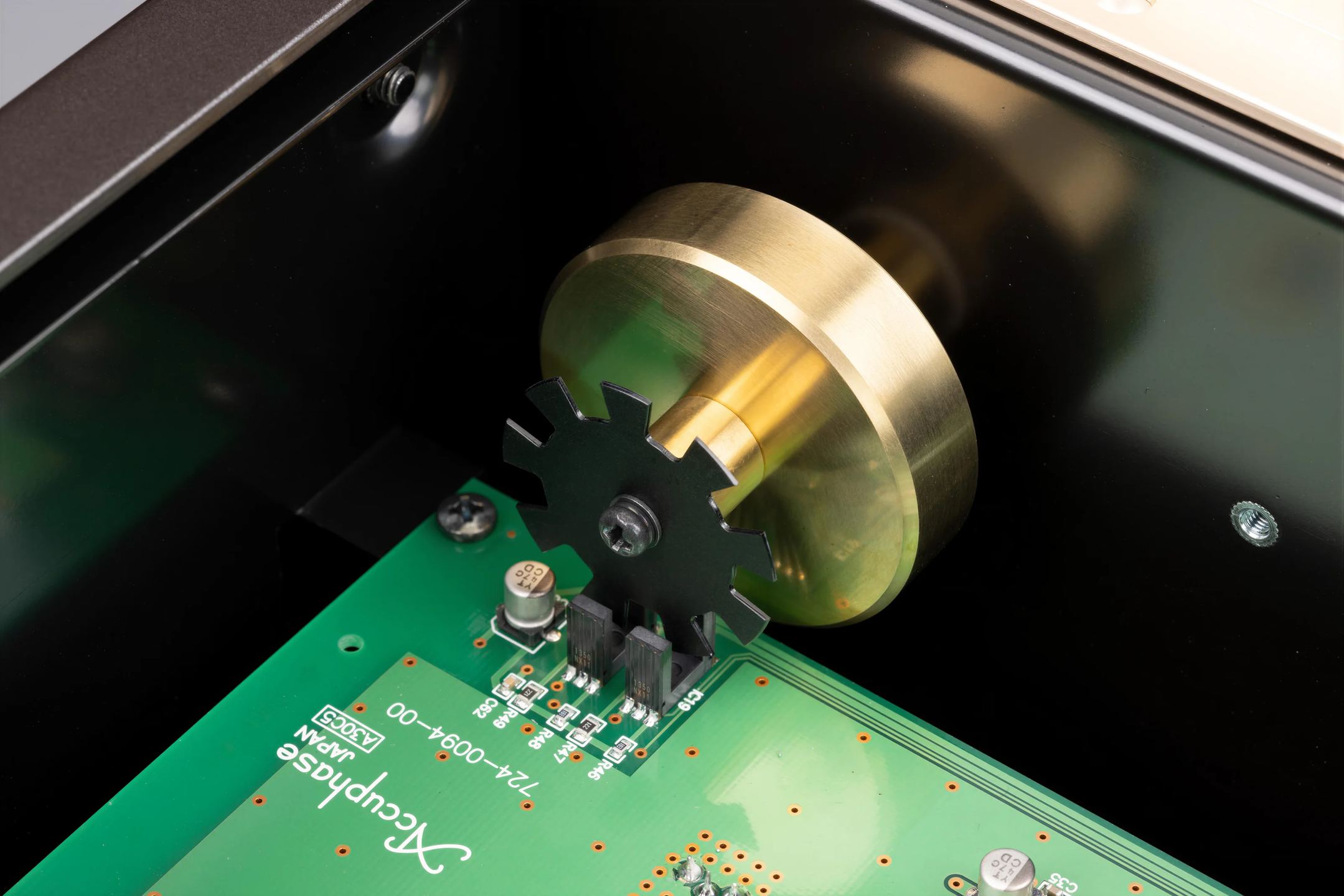
Accuphase has developed its exclusive Pulse Tuning system for the T-1300—an interface that reconciles the precision of digital control with the tactile feel of traditional manual tuning. The tuning knob generates pulses via radial slots on its shaft, which are counted to control frequency with exceptional resolution. This approach offers an intuitive user experience, allowing rapid band scanning or fine adjustment depending on rotation speed.
Memory can store 20 stations with all their associated parameters: MUTE status, operating mode (stereo/blend/mono), LOCAL attenuation setting, MPR activation, and IF filter bandwidth. This comprehensive storage allows instant recall of the optimal configuration for each station, tailored to its specific reception conditions.
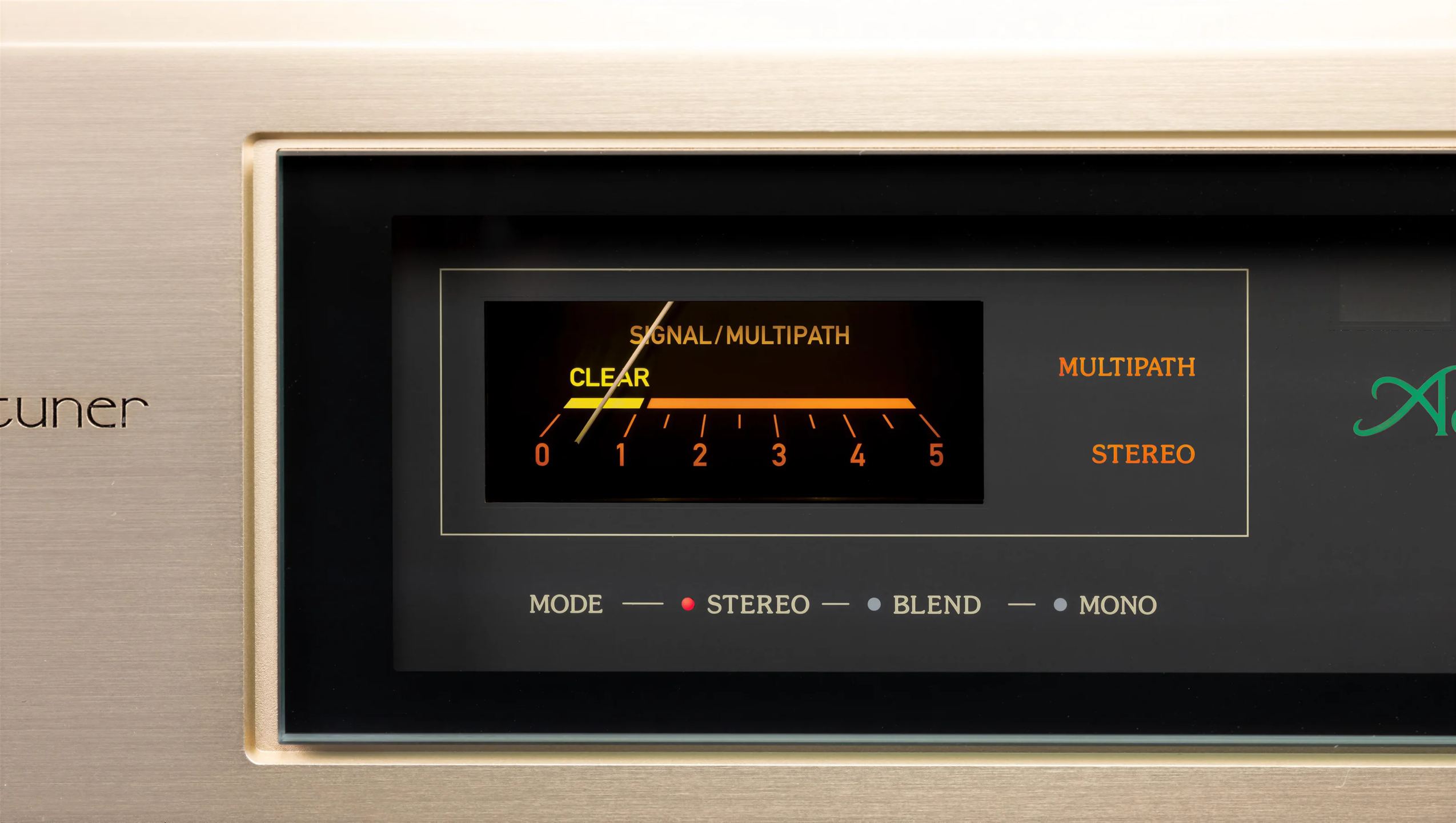
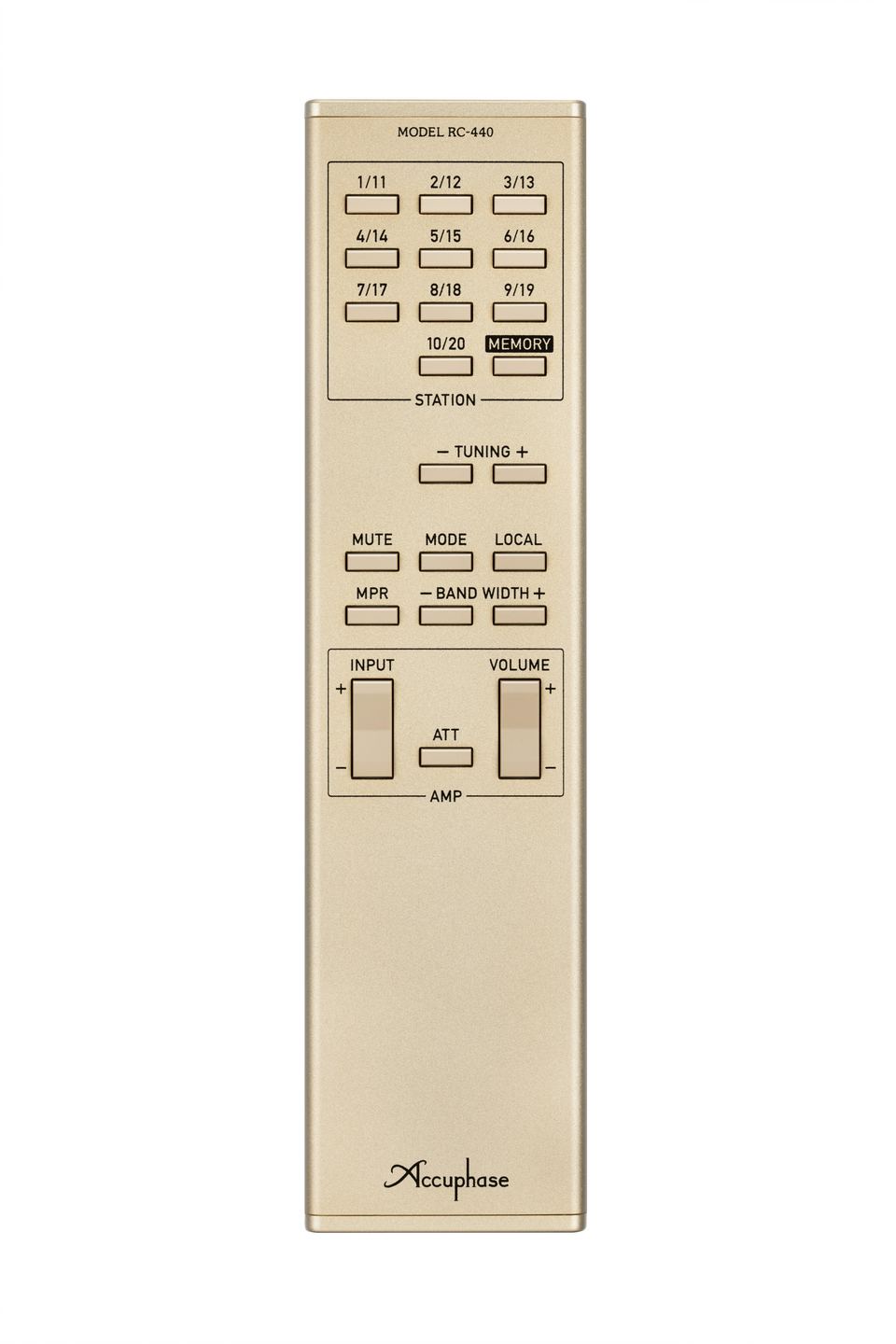
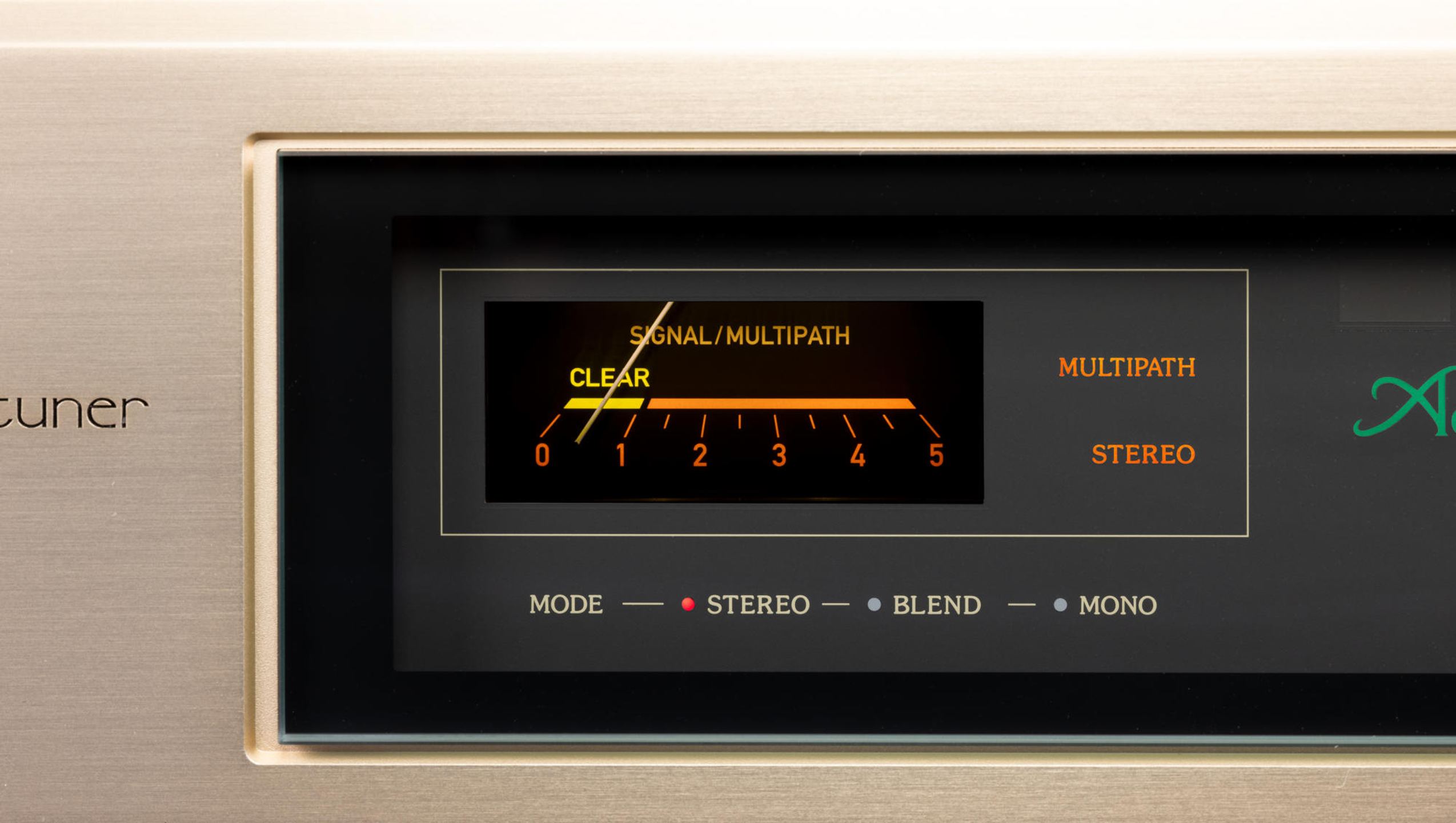
The multifunction display can toggle between signal level indication and multipath detection, providing valuable information for antenna alignment. Front-panel controls provide direct access to all essential functions, while the supplied RC-440 remote control offers full operation from the listening position.
Documentation
Technical Specifications
Reception and Tuning
- Direct Digital Synthesis (DDS) local oscillator: exceptional signal purity and signal-to-noise ratio
- Frequency range: 87.5 to 108.0 MHz
- Antenna input: 75 Ω coaxial (F connector)
- Tuning principle: DDS, 20 random-access presets
- Intermediate frequency filter bandwidth: 50 / 75 / 100 / 150 / 250 / 500 kHz (6 positions)
- Multipath Reduction (MPR) function via digital signal processing
- Digital FM demodulator: minimized distortion and noise
- DS-DC stereo demodulation (Direct Synthesis – Double Cancellation): optimal left/right separation
Mono Audio Performance
- Usable sensitivity: 8.6 dBf
- Sensitivity (50 dB S/N): 10.8 dBf
- Signal-to-noise ratio: 94 dB (A-weighted)
- Total harmonic distortion: 0.02% (20 Hz / 1 kHz / 10 kHz)
- Frequency response: 20 Hz – 15 kHz (+0 / -0.3 dB)
- Adjacent channel selectivity (IF 250 kHz): 50 dB
- RF intermodulation rejection: 80 dB
- Spurious response rejection: 120 dB
- Image rejection: 100 dB
- AM suppression: 80 dB
Stereo Audio Performance
- Sensitivity (40 dB S/N): 20.2 dBf
- Sensitivity (50 dB S/N): 38.3 dBf
- Signal-to-noise ratio: 78 dB (A-weighted)
- Total harmonic distortion: 0.04% (20 Hz / 1 kHz / 10 kHz)
- Frequency response: 20 Hz – 15 kHz (+0 / -0.3 dB)
- Stereo separation: 65 dB (100 Hz / 1 kHz), 50 dB (10 kHz)
- Stereo switching threshold: 36.6 dBf
- Subcarrier suppression: 70 dB
Connectivity and Outputs
- Antenna input: 75 Ω coaxial, F type
- Balanced analog outputs: XLR (balanced, 50 Ω) with direct balanced filter
- Line-level analog output: RCA (50 Ω)
- Digital output: 75 Ω coaxial, 48 kHz / 24-bit (IEC 60958 / AES-3)
- High-quality MDS digital-to-analog converter
- Polarity selector for XLR output (pin 2+ or pin 3+)
Controls and Functions
- Pulse tuning control providing the feel of traditional manual tuning
- 20-station memory with parameter storage: MUTE, MODE, LOCAL, MPR, BANDWIDTH
- MUTE: inter-station noise muting
- MODE: stereo / blend / mono
- LOCAL: antenna input level attenuation
- MPR: multipath reduction
- BANDWIDTH: 6 IF bandwidth selections
- METER: signal or multipath indicator
General Information
- Power supply: 120 / 220 / 230 VAC (depending on version), 50 / 60 Hz
- Power consumption: 20 W
- Dimensions (W × H × D): 465 × 151 × 406 mm
- Weight: 13.1 kg (net) / 19 kg (packaged)
- Included accessories: RC-440 remote control, AC power cord (2 m), AL-10 audio cable (1 m)
Frequently Asked Questions
What is the difference between the T-1300 and the previous T-1200 model?
The T-1300 brings substantial improvements in several key areas. Signal-to-noise ratio has progressed significantly, especially in stereo mode. The MDS converters use newer chips for better resolution. The input stage benefits from optimized MOSFETs and redesigned RF coils. The digital IF filter provides steeper slopes and improved rejection of adjacent signals.
Does the DDS system offer tangible advantages over traditional oscillators?
DDS technology virtually eliminates frequency drift, a recurring problem with temperature-sensitive analog oscillators. The spectral purity of the digitally generated signal suppresses intermodulation products that normally degrade reception. This stability and purity yield a quieter noise floor and better definition of subtle details—particularly noticeable on weak-signal stations.
How does Multipath Reduction (MPR) work?
The MPR system analyzes the received signal to detect echoes caused by reflections from surrounding structures. The DSP computes, in real time, the corrections needed to cancel these spurious components. The multipath indicator visualizes the interference level, making optimal antenna alignment easier. This function significantly improves reception in dense urban environments.
Why six bandwidths for the IF filter?
This flexibility optimizes the trade-off between selectivity and audio quality depending on conditions. Narrow bands (50–100 kHz) excel at isolating a station in a crowded spectrum but may slightly trim frequency response. Medium bands (150–250 kHz) suit most situations. The wide band (500 kHz) preserves the full signal for optimal quality with strong local stations.
Does the digital output offer a real advantage?
The 48 kHz/24-bit digital output allows the use of a very high-quality external converter or integration of the signal into a digital audio system. However, the T-1300’s internal MDS converters already deliver exceptional performance. This output is particularly useful for digital archiving of broadcasts or integration into signal-processing systems.
Is the T-1300 compatible with DAB digital radio?
The T-1300 is a pure analog FM tuner, optimized exclusively for that format. It does not receive DAB/DAB+ signals. This specialization enables FM performance superior to that of hybrid tuners. For areas where FM remains predominant, or for audiophiles who value FM transmission quality, the T-1300 is a compelling choice.
- Eco-contribution included in the sale price.




