Klipsch Heresy IV: An Iconic Floor-Standing Speaker
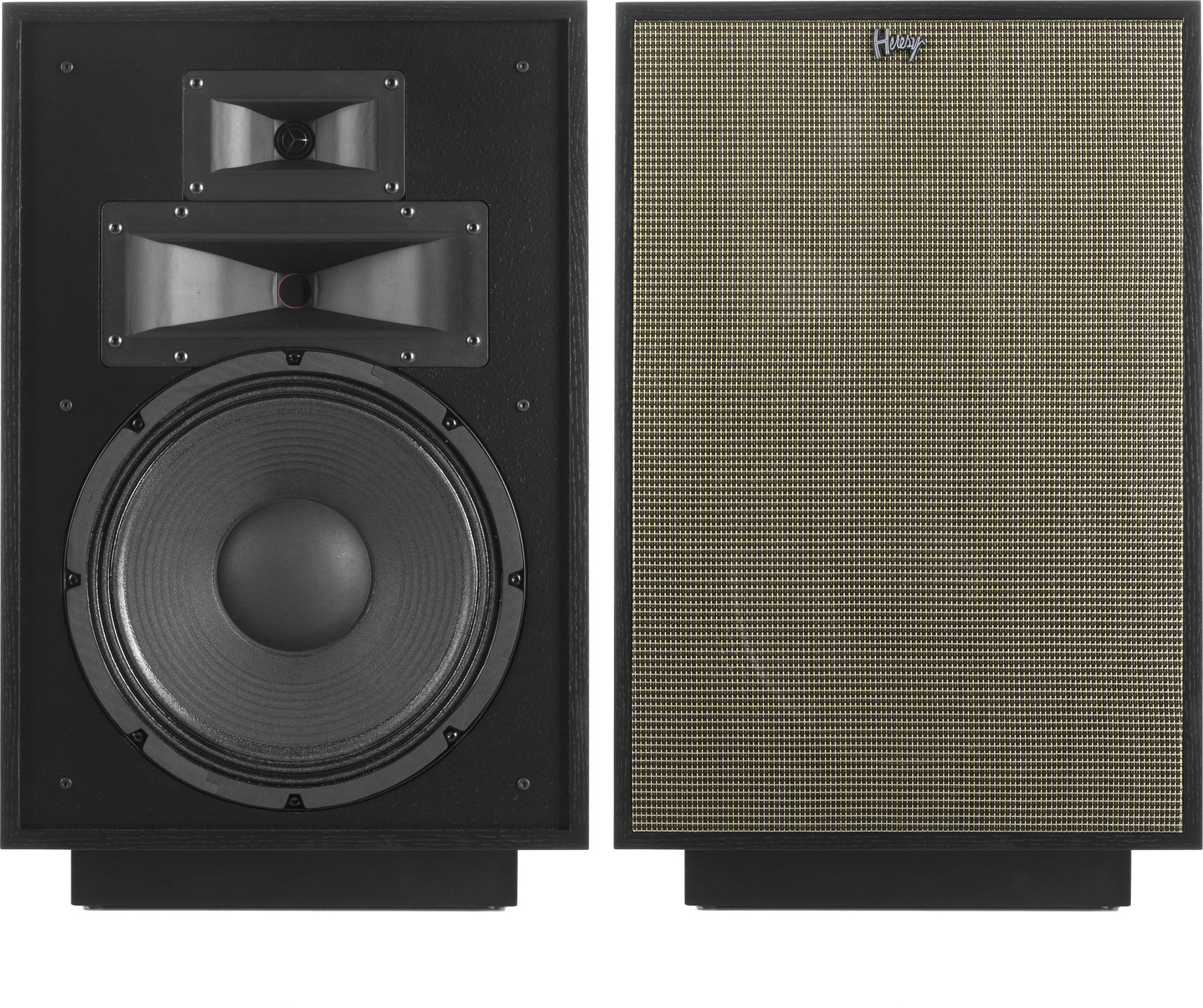
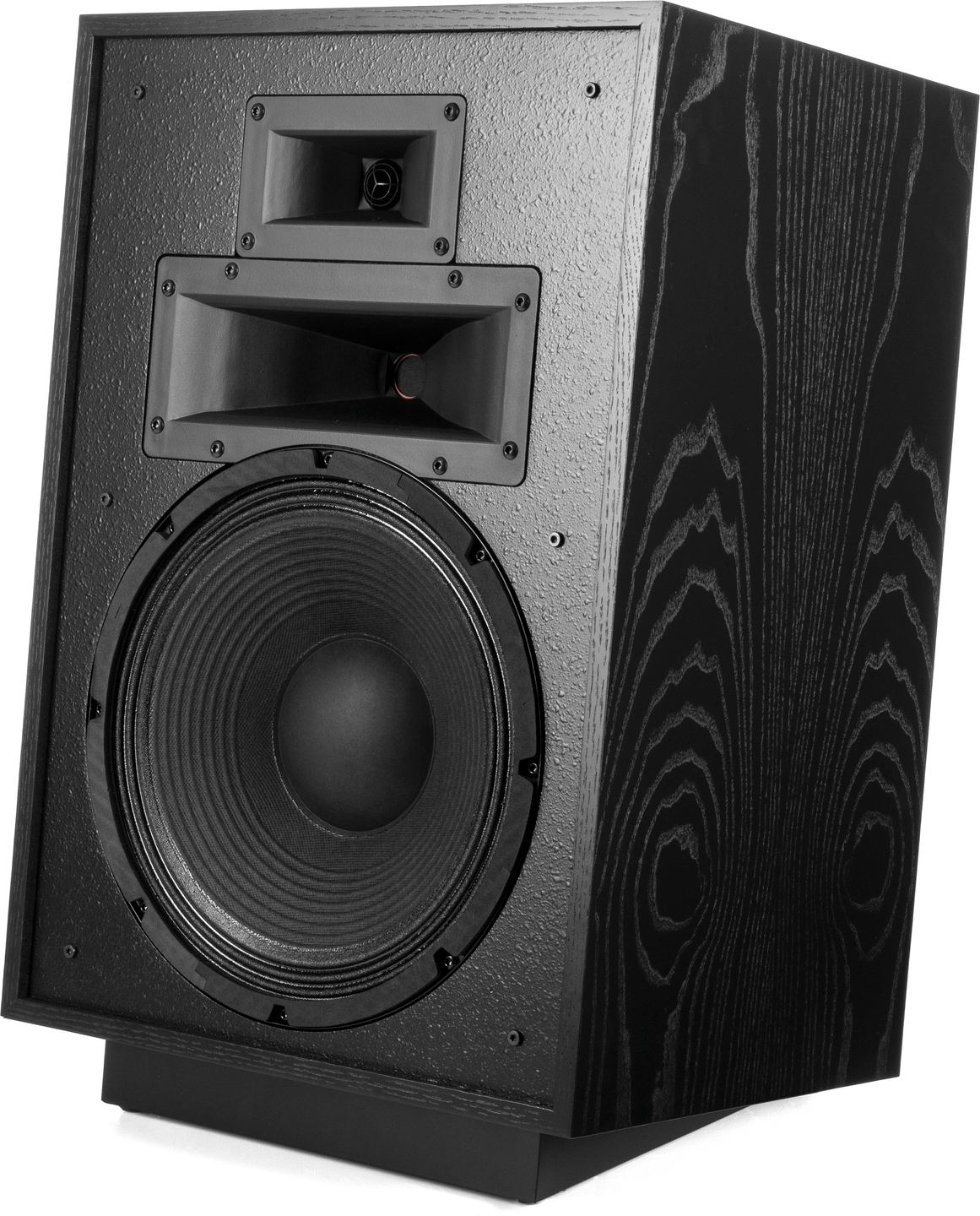
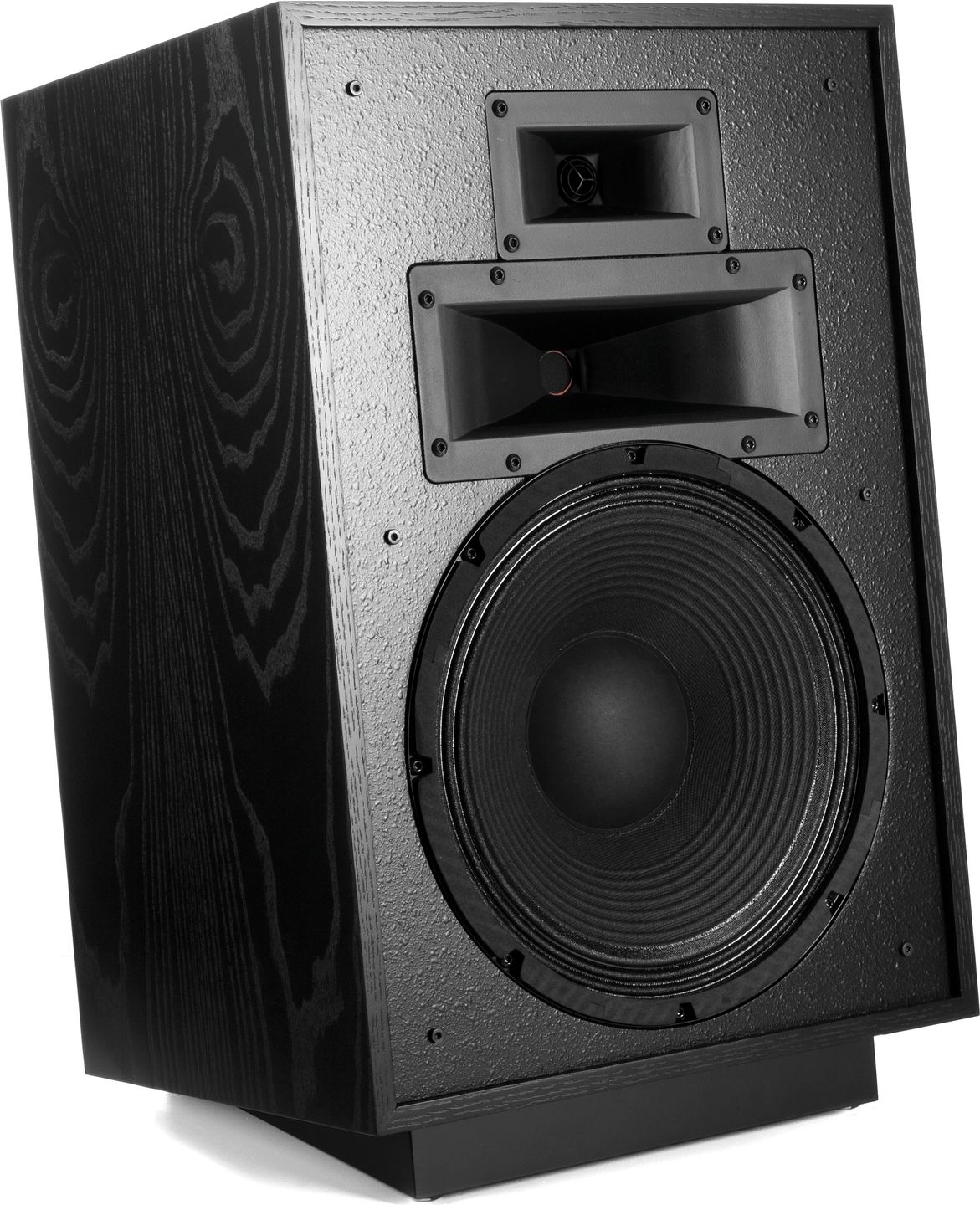
The Klipsch Heresy IV floor-standing speaker is an iconic model from the manufacturer, beloved by audiophiles who adore the Klipsch speaker range. First launched in 1957, this three-way horn-loaded speaker is capable of delivering the impressive, immersive sound that Klipsch fans know and love.
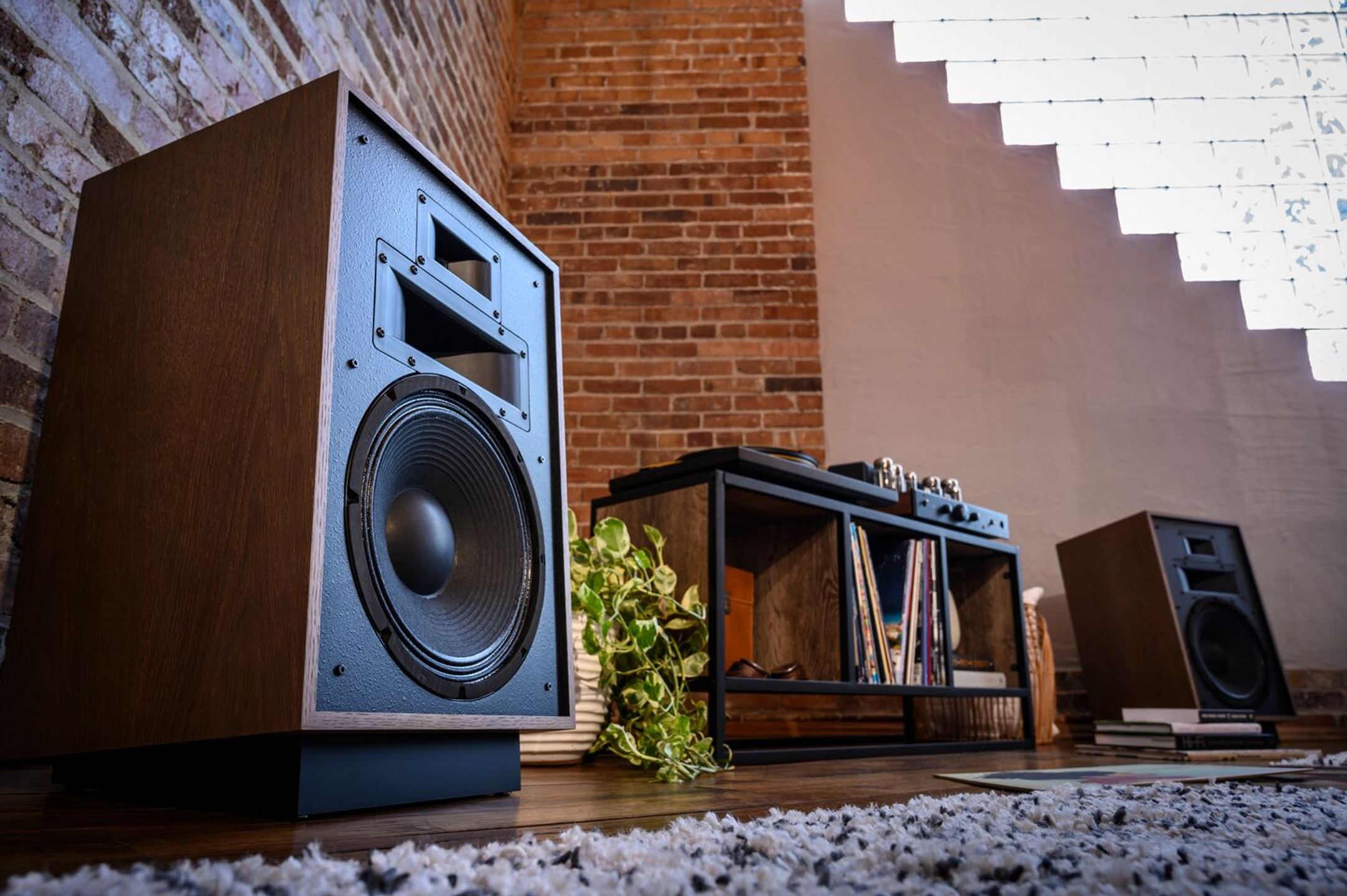
With its compact size, the Heresy IV offers great placement flexibility, making it the most versatile model in the Heritage range.
Handcrafted in Arkansas, USA, the Heresy IV is the result of the hard work and expertise of Klipsch’s artisans, who have focused on the quality and durability of each component.
Three-Way Configuration
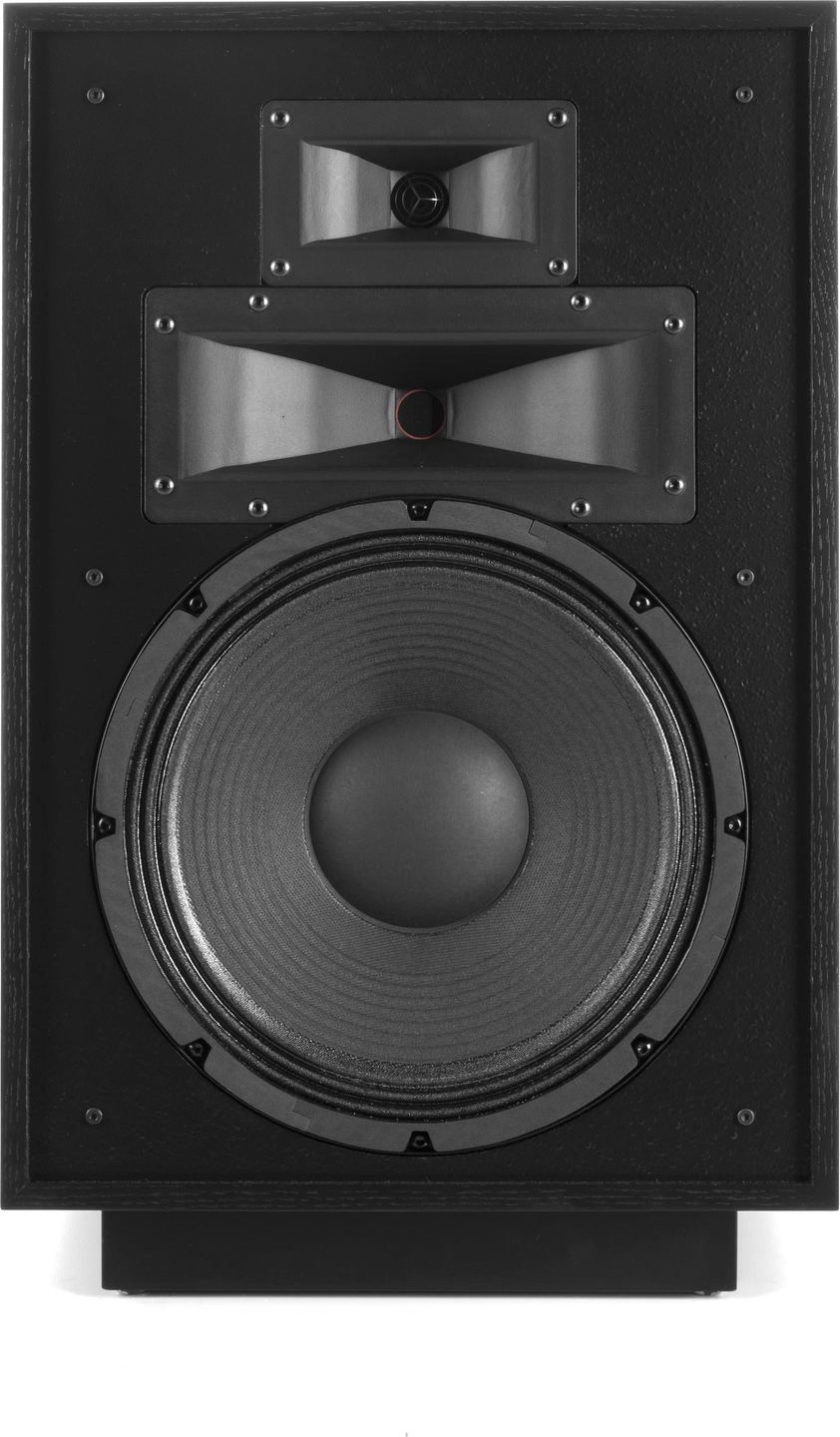
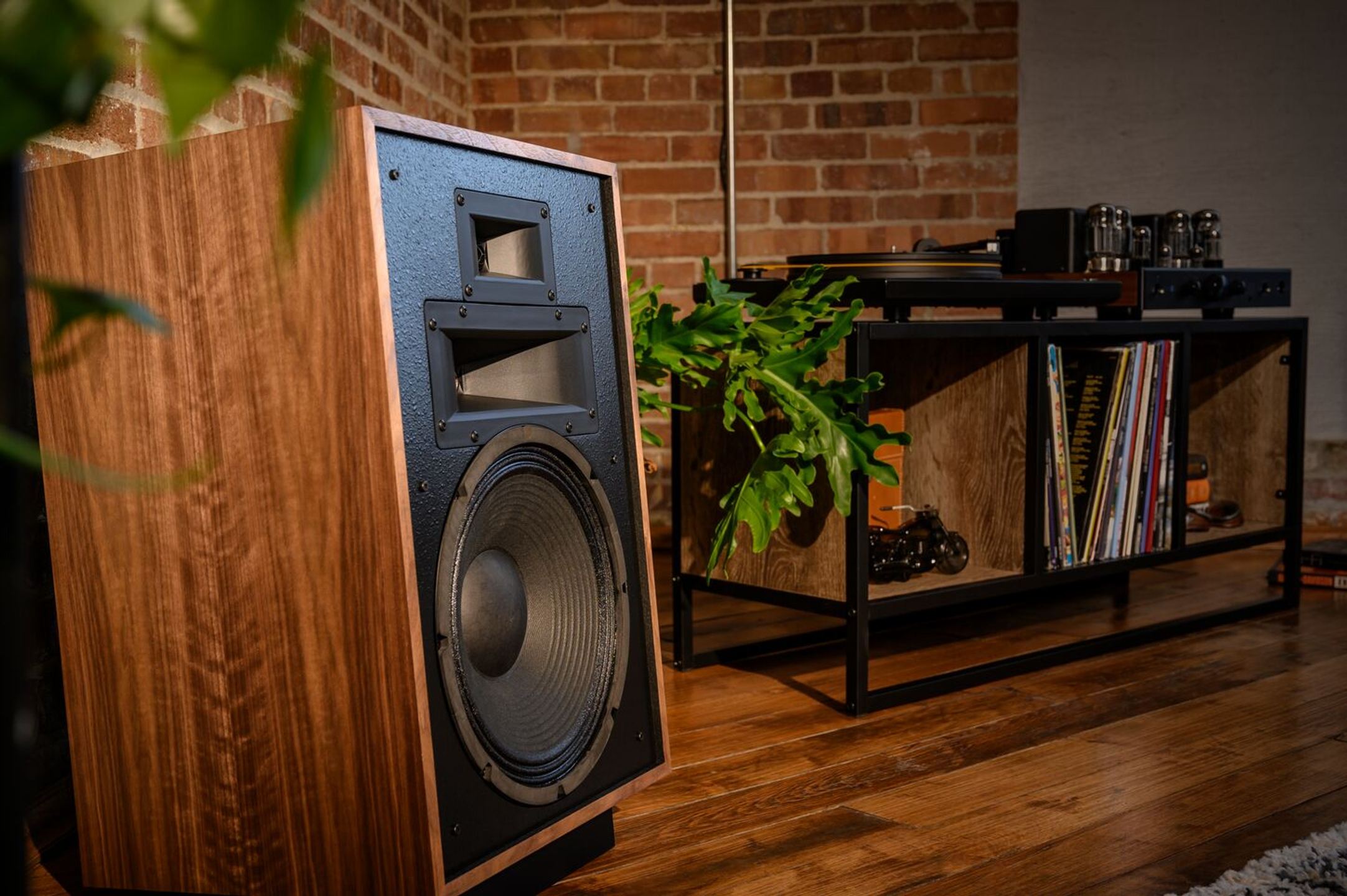
The Klipsch Heresy IV features a three-way bass-reflex configuration, meaning it uses three distinct speakers to reproduce different frequency ranges. This configuration allows for more accurate and detailed sound reproduction across the entire audio spectrum.
The speaker is equipped with a 12-inch woofer for deep, powerful bass, a midrange driver for clear, natural voices, and a tweeter for crisp, detailed high frequencies. Each speaker is mounted with its own acoustic horn, which helps optimize sound dispersion and enhance overall performance.
Superior Quality Construction
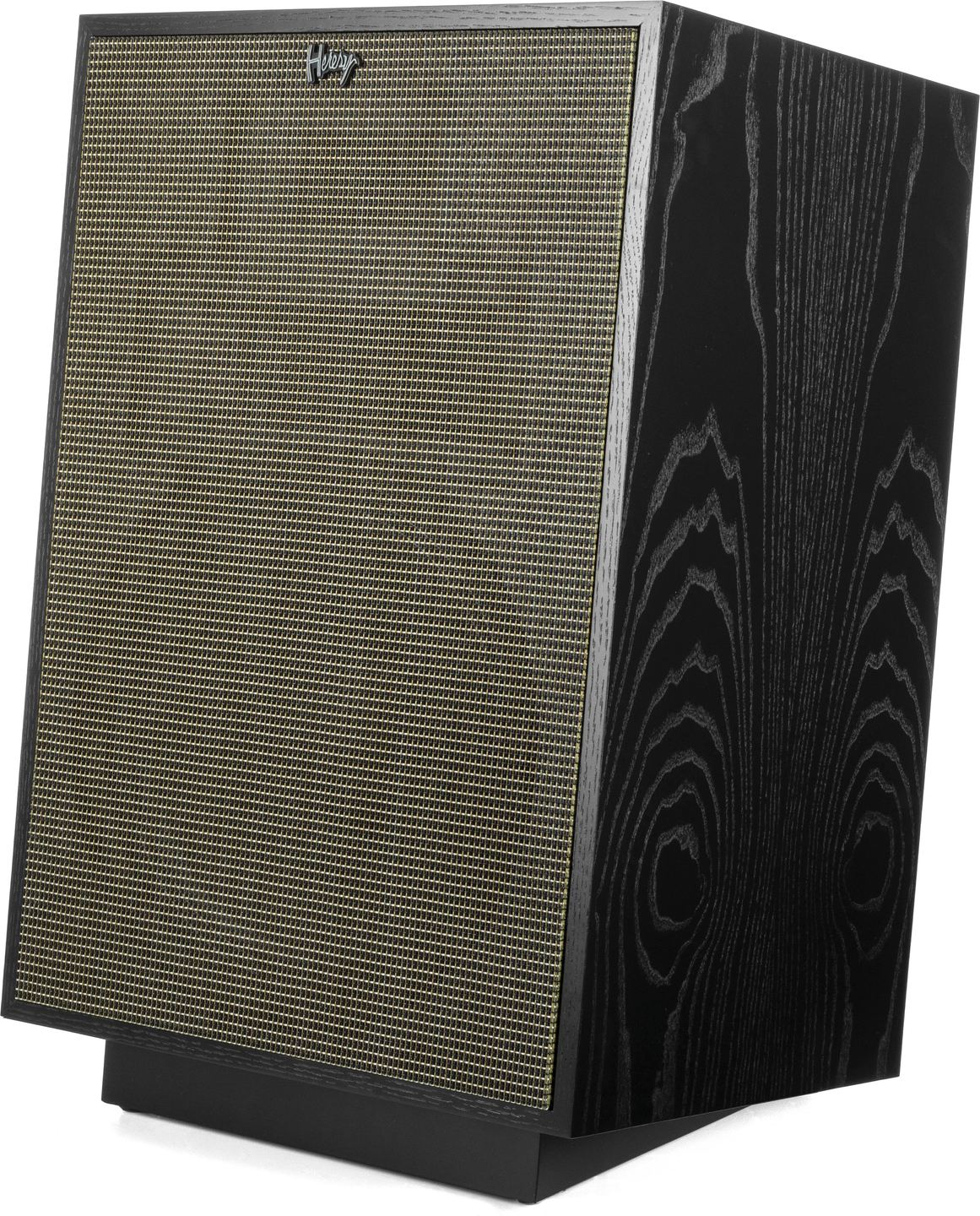
The Heresy IV is crafted with high-quality materials and meticulous workmanship to ensure durability and sonic excellence. The speaker is constructed from solid wood panels, which not only enhances the speaker’s aesthetics but also reduces resonances and distortions.
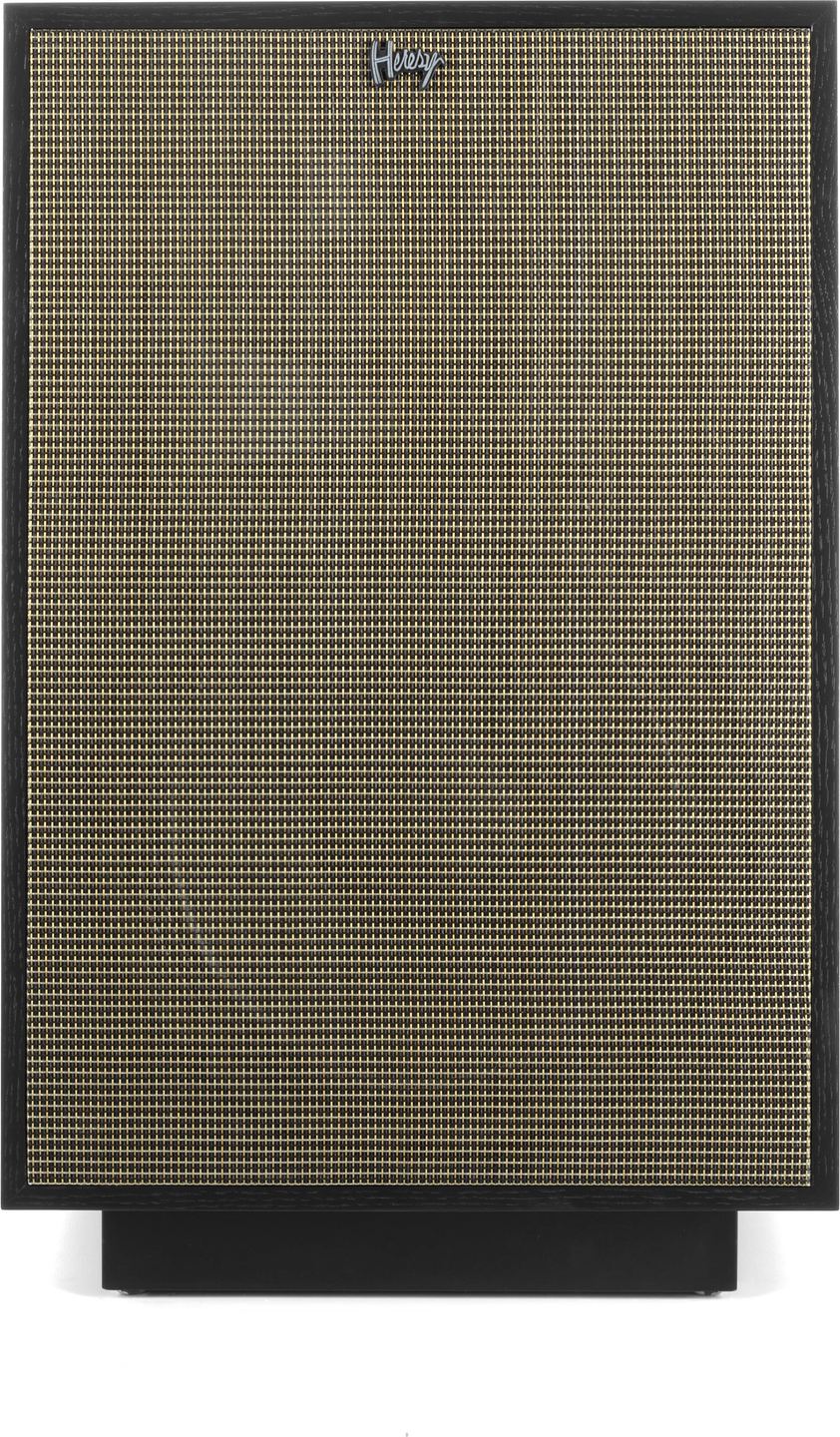
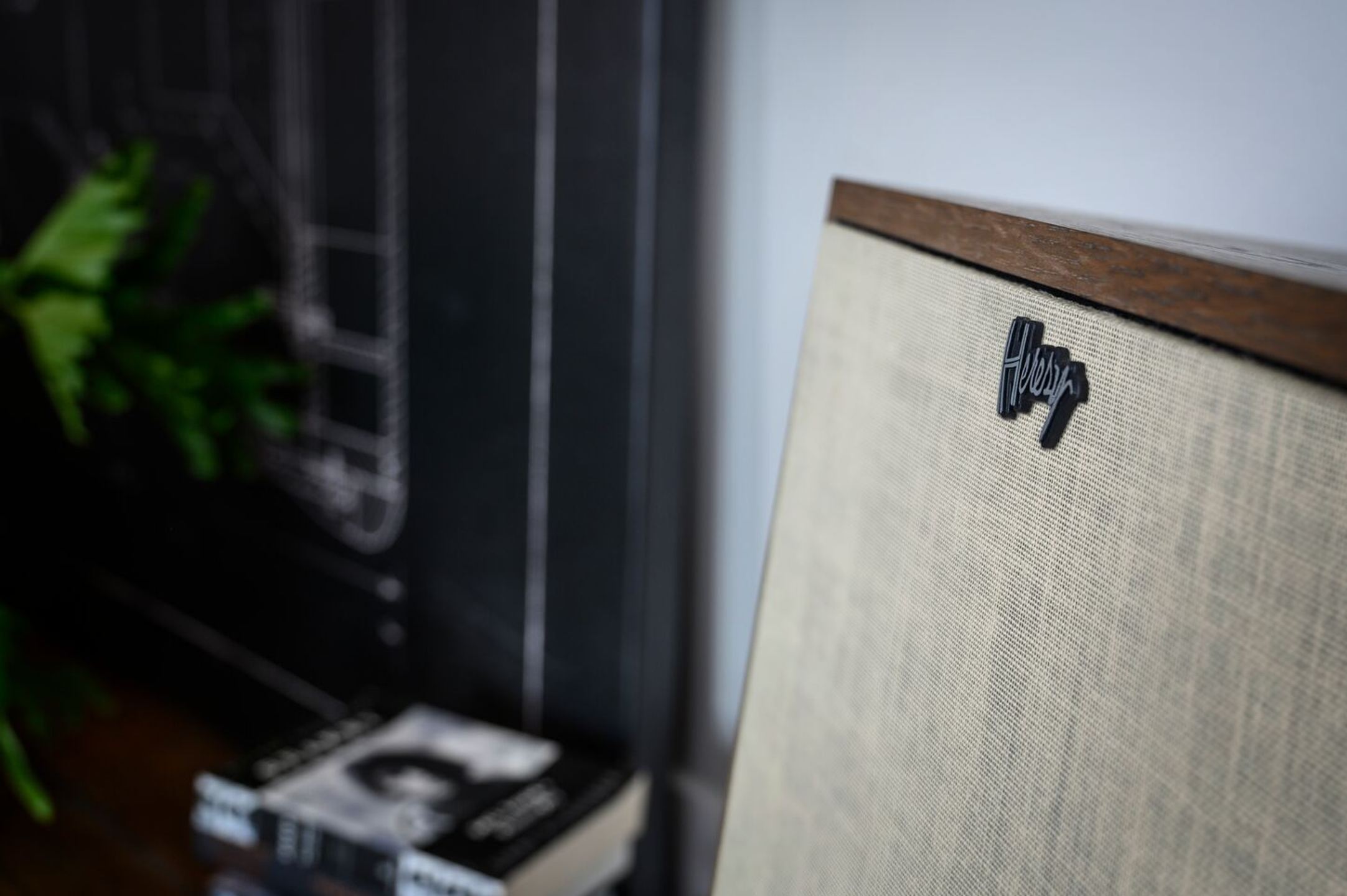
The speaker grille is removable, allowing you to showcase the speaker’s stunning design or protect the drivers from dust and damage. The speaker also features a rear bass port, which extends the low-frequency response and improves bass performance.
Bi-Wiring and Bi-Amping Capabilities
The Klipsch Heresy IV is designed with bi-wiring and bi-amping capabilities, meaning you can use separate cables or amplifiers to independently power the low-frequency and high-frequency drivers.
This allows for better control over the speaker’s performance and can result in improved clarity and detail in audio reproduction. Bi-wiring involves using separate cables for the woofer and the midrange/tweeter, while bi-amping involves using separate amplifiers for each driver.
This flexibility allows you to tailor the speaker’s sound to your personal preferences and optimize its performance in your listening environment.
Benefits
Compact, elegant design
Three-way configuration for accurate, detailed sound reproduction
High-quality construction for durability and sonic excellence
Bi-wiring and bi-amping capabilities for enhanced performance
Removable grille
Rear bass port for extended low-frequency response
The Klipsch Heresy IV is a powerful and versatile floor-standing speaker that delivers exceptional audio performance. With its three-way configuration, superior build quality, and bi-wiring/bi-amping capabilities, it is designed to provide a dynamic and immersive listening experience. Whether you are a music lover or a home theater enthusiast, the Klipsch Heresy IV will impress you with its outstanding sound quality.
Midrange: 44.5 mm K-702 compression driver with polyamide diaphragm
Tweeter: 25 mm K-107-TI compression driver with titanium diaphragm
Physical Characteristics
Dimensions with stand: 394 × 630 × 337 mm (W × H × D)
Weight: 20.4 kg
User reviews
Jérome
These speakers are astonishing for their size and the realism of the soundstage. Replacing big tower speakers, they fit in perfectly, and their vintage look is just gorgeous.
Comment from August 18, 2025 — Experience from August 07, 2025
Automatically translated — Show original (French)
Ces enceintes sont surprenantes par la taille et le réaliste de la scène sonore. Remplaçant de grosses colonnes, elles s intégrent parfaitement et leur côté vintage est juste magnifique
Stephane
Dear Hi-Fi Friend, Regarding the Klipschs = Top Speakers powered by a Primaluna Evo 200 tube amplifier - Magnificent sound. Cabling: Wireworlds Oasis 8.
Stef from Belgium.
Comment from February 17, 2025 — Experience from February 06, 2025
Automatically translated — Show original (French)
Cher Ami de la Hi-Fi . Concernant les Klipschs = Top Enceintes alimentés par un Ampli a lampes Primaluna Evo 200 - Magnifique son. Câblage : Wireworls Oasis 8.
Stef de Belgique.
Dylan
Absolument amoureux des Klipsch Heresy IV ! J'ai remplacé une ancienne paire d'enceintes colonnes Klipsch, et la scène sonore, la clarté et la qualité sonore globale de celles-ci sont incroyables. En plus, elles sont aussi belles qu'elles sonnent.
Comment from February 10, 2025 — Experience from January 30, 2025
To better understand our visitors, measure marketing effectiveness and personalise ads, we and our partners use cookies and mobile advertising identifiers on your device. This data makes it possible to display personalised and non-personalised ads and measure their performance. Some cookies, which are technically necessary, are exempt from consent. You can accept those that require your consent, refuse them by clicking “Reject”, or customise your choices via “More options”.
To find out how Google uses the data collected once you have given your consent, see Google’s Business Data Responsibility site (opens in a new window).
You can change or withdraw your consent at any time via the “Cookies” link. Your choices will apply on our site for 12 months.