

Cayin N6 III R202
Specifications and features


Overview
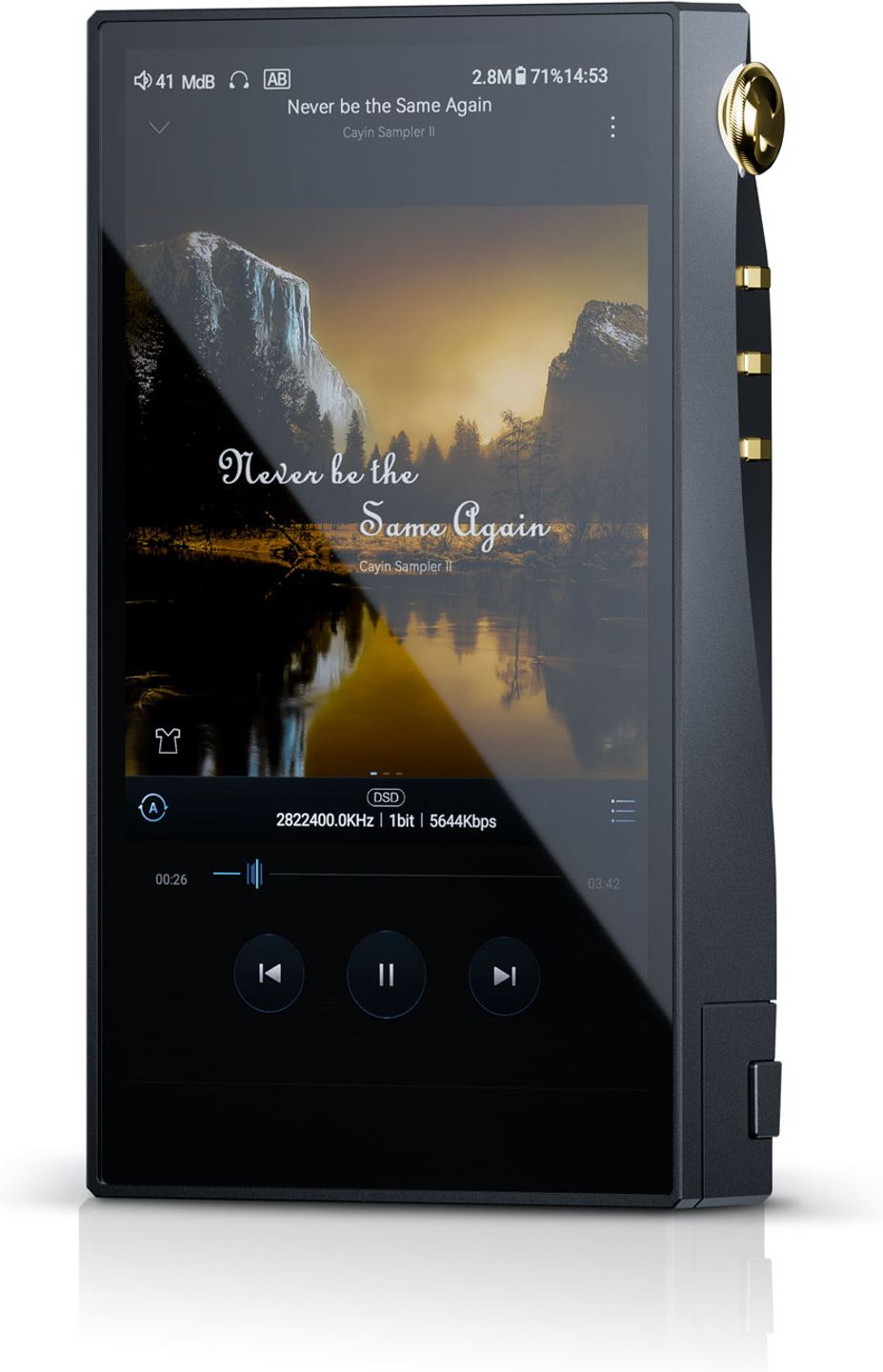
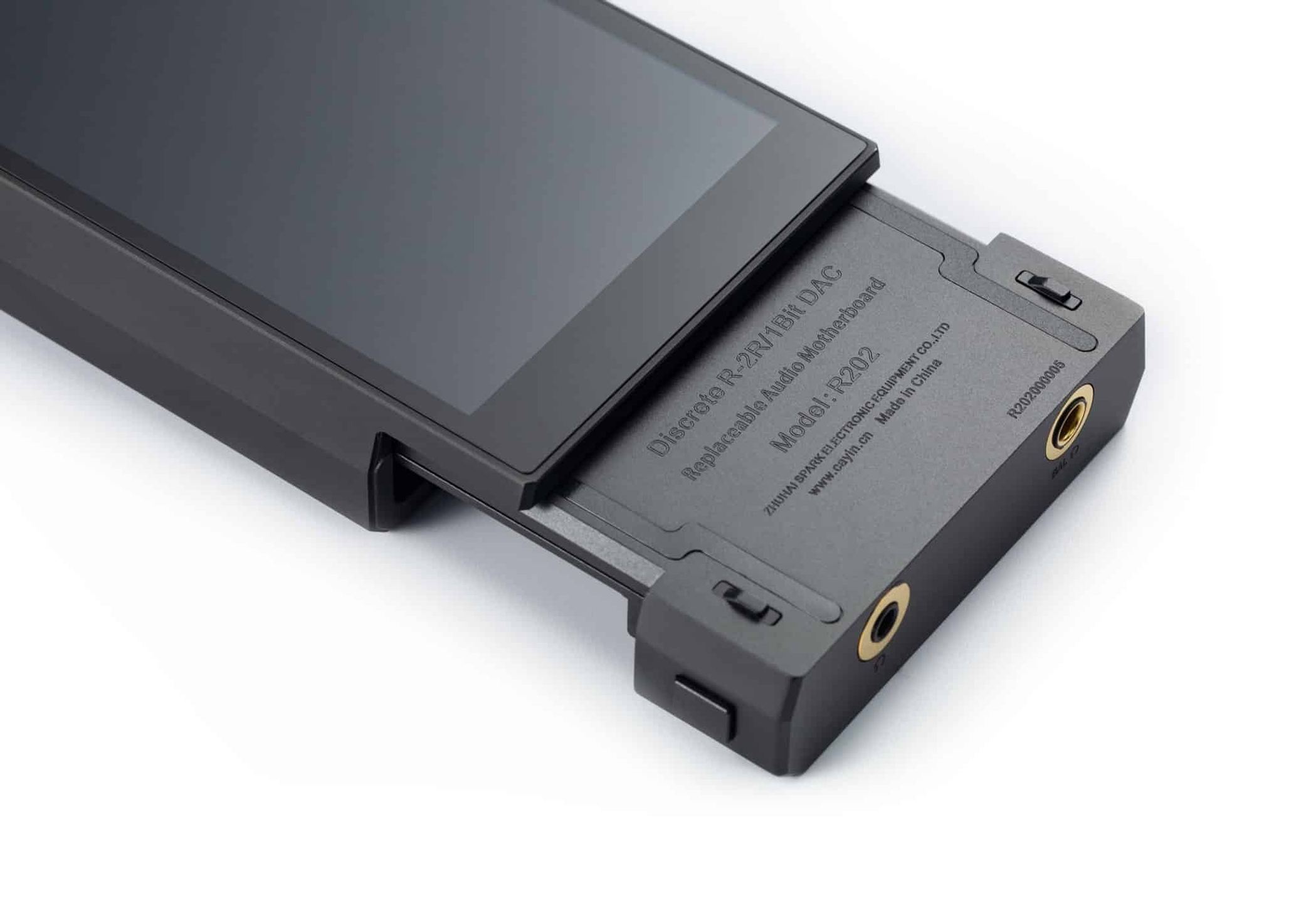
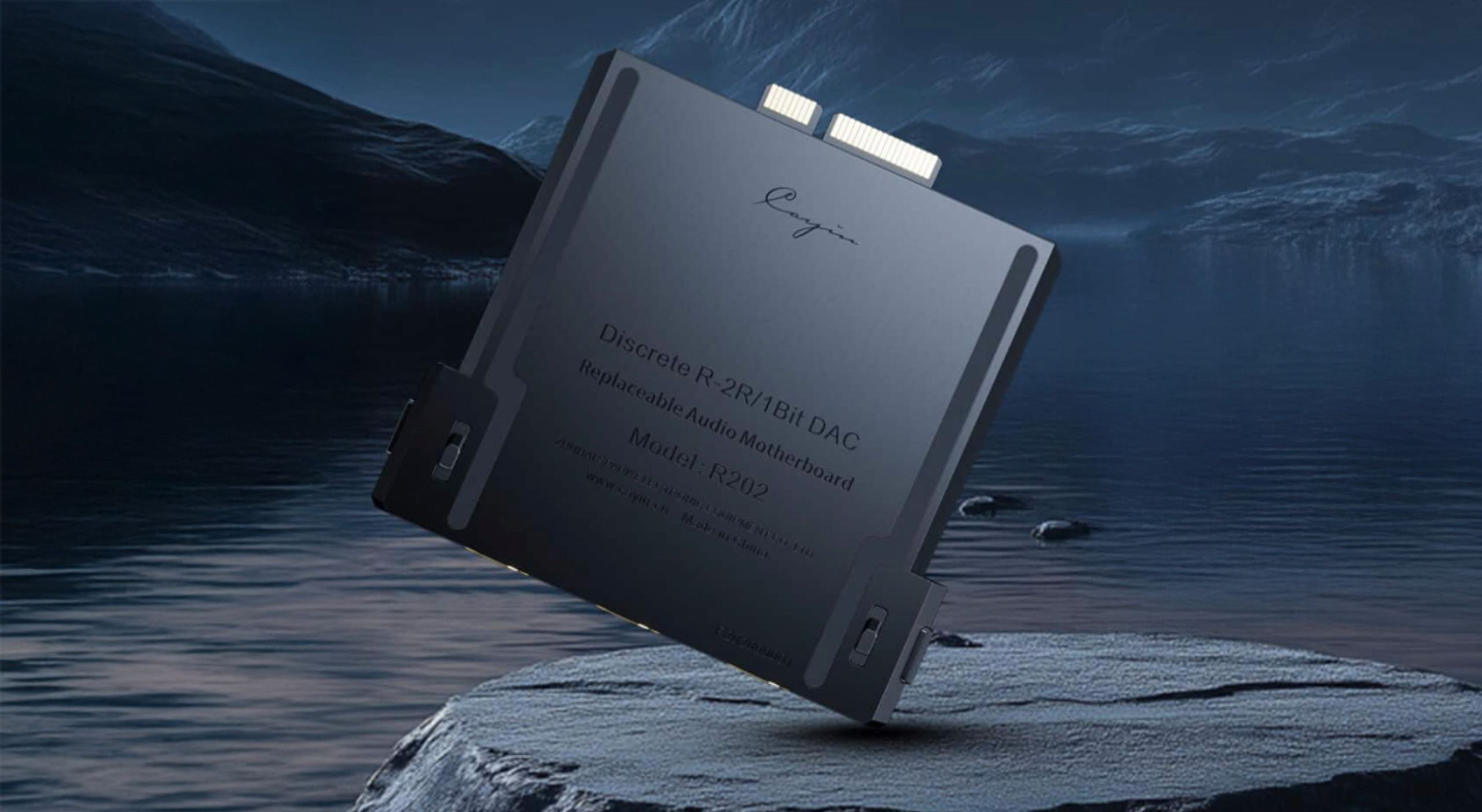
The Cayin N6 III R202 combines two distinct digital-to-analog conversion circuits: a 24-bit discrete R-2R DAC using 192 precision resistors and a 1-bit DAC with 128 resistors for DSD. This audio motherboard allows switching between three operating modes depending on the format or listening preferences, transforming the portable player into a versatile tool suited to different musical content.
The third-generation N6 III modular platform
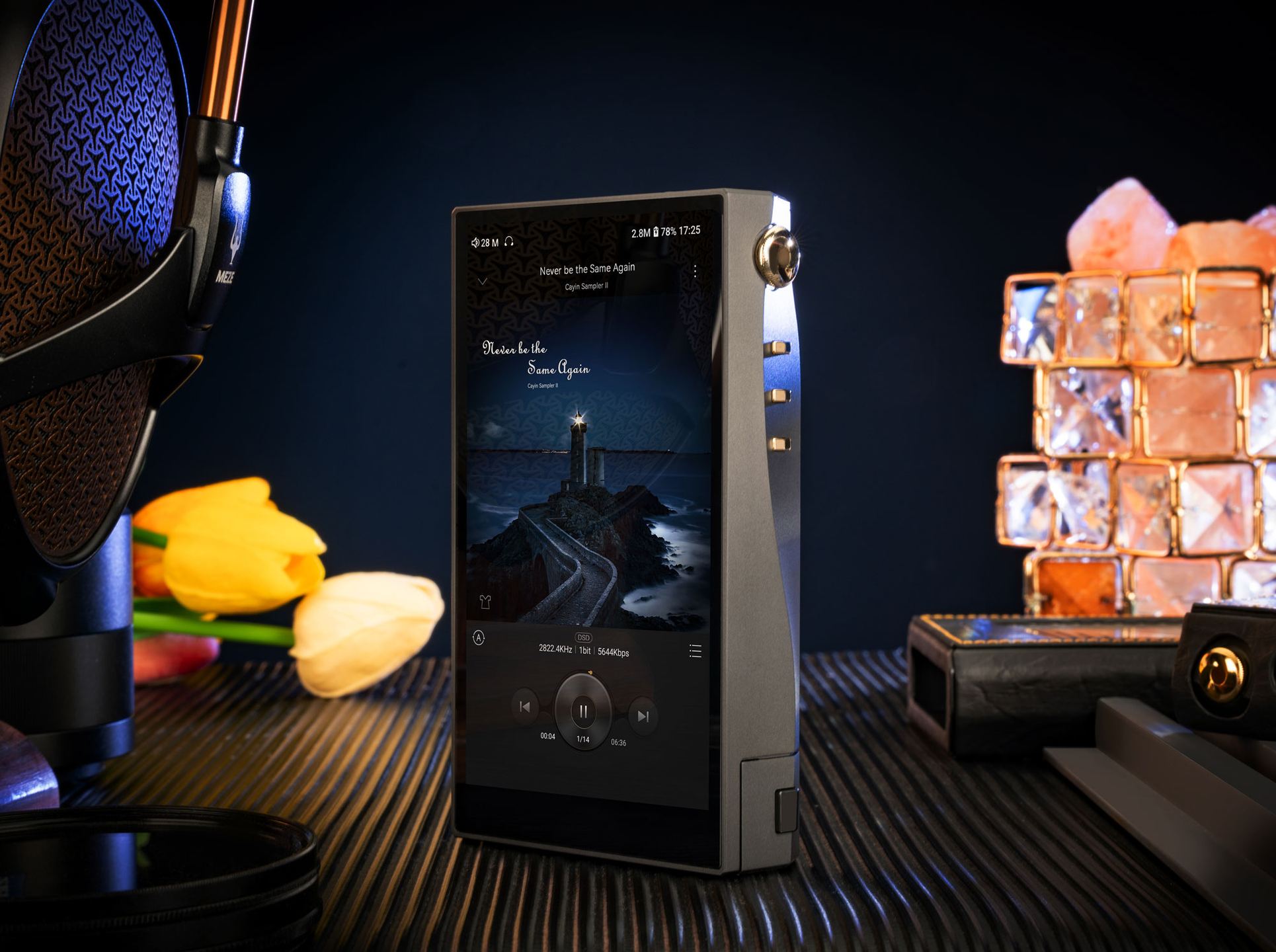
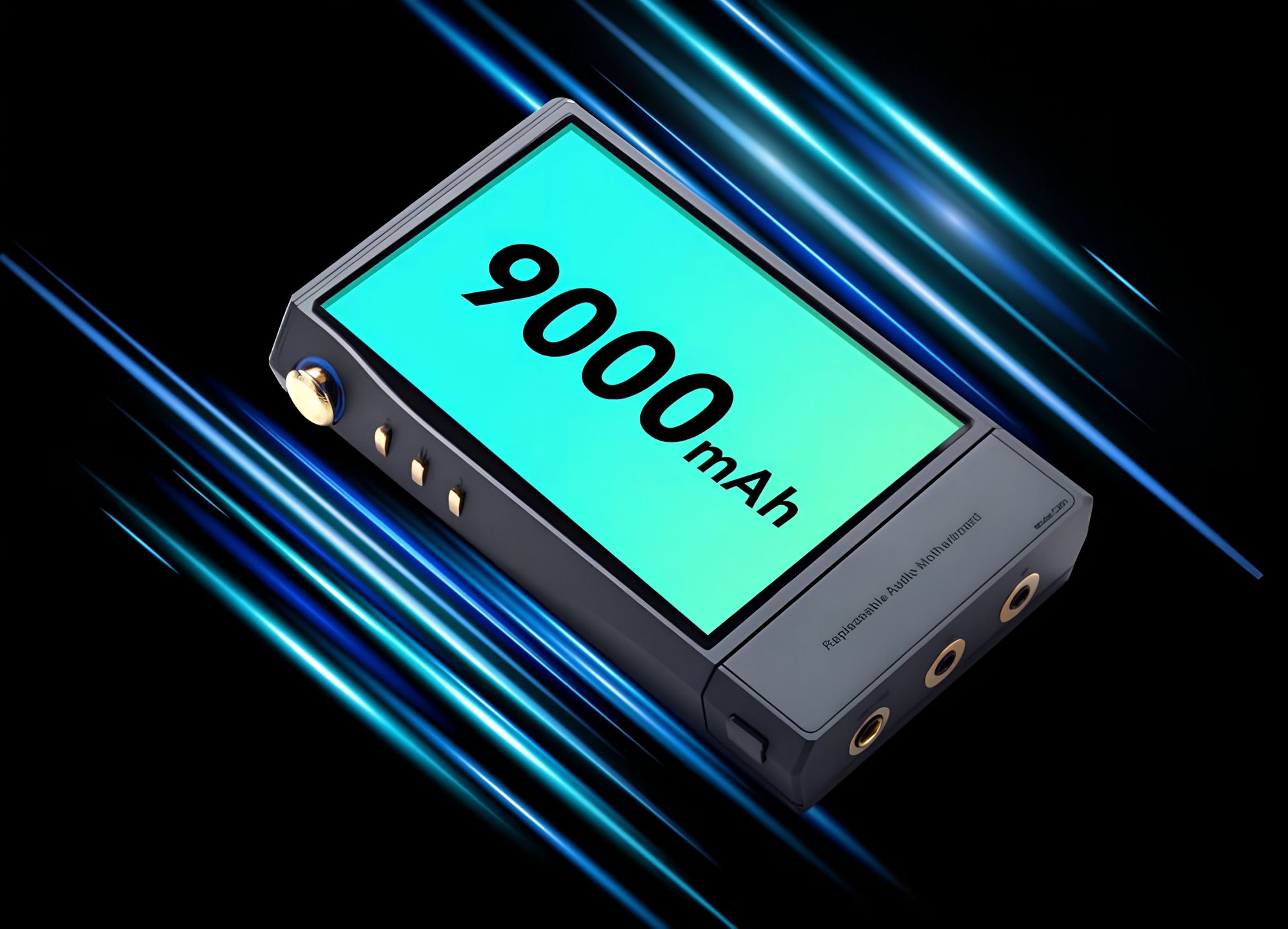
The N6 III is the third generation of Cayin’s mid-range modular portable audio player. Compared with the N6 II, the N6 III brings substantial upgrades: Snapdragon 665 processor vs. 425, 6 GB RAM vs. 4 GB, 5-inch screen vs. 4.2-inch, 9,000 mAh battery vs. 5,900 mAh, and 128 GB of internal storage vs. 64 GB.
The N6 III features a three-point quick-lock system that lets you swap audio motherboards without tools. The mechanism is activated via two buttons on the left and right sides and works in plug-and-play mode without needing to power off the player. The second-generation boards are larger for enhanced performance but are not backward compatible with those of the N6 II.
Discrete dual DAC: R-2R and 1-bit technology
The R202 uses a dual-circuit design with two different DACs, unlike classic configurations that employ two identical chips. This unconventional approach leverages the specific strengths of each conversion type.
R-2R DAC for PCM
The first DAC is an R-2R PCM circuit built with 192 high-precision thin-film resistors (0.1% tolerance) in a 24-bit balanced configuration. The R-2R ladder uses only two resistor values—R and 2R—arranged in a ladder to create a voltage divider that converts digital signals to analog. This topology offers high linearity and accurate signal reproduction, while delivering a sound often perceived as more natural.
The R-2R DAC in the R202 natively handles PCM streams up to 384 kHz. In discrete R-2R DACs, sound quality depends entirely on resistor matching, and even slight inaccuracies in the MSB resistors can affect the overall result.
1-bit DAC for DSD
The second DAC is a discrete 1-bit circuit built with 128 precision 0.1% resistors in a balanced layout, natively handling DSD up to DSD256. A 1-bit DAC uses a noise-shaping delta-sigma modulator operating at a high multiple of the sampling frequency to feed a true 1-bit DAC. DSD encodes sound as “density” over time, with many ‘1’s and ‘0’s sampled millions of times per second, whose average determines the analog output level.
The R202 also integrates two digital audio processors capable of handling up to PCM 768 kHz and DSD512, with sample rate and format conversion.
Three distinct operating modes
In Auto mode, the system intelligently selects the DAC according to the source format: PCM signals are decoded by the R-2R DAC, while DSD signals are processed by the 1-bit DAC. This seamless switching ensures each type of decoding operates at its full potential.
R-2R mode produces a rich, fluid sound with a relaxed spatial presentation, suitable for long listening sessions. This mode creates a more colorful signature with increased emphasis in the bass and lower midrange, as well as a more present and smooth vocal timbre.
1-bit mode reveals high-frequency harmonics with natural clarity, offering a well-defined soundstage and precise source positioning. This configuration is characterized by a more analytical rendering, with better blackground definition and faster note decay.
Headphone amplification circuit and power supply
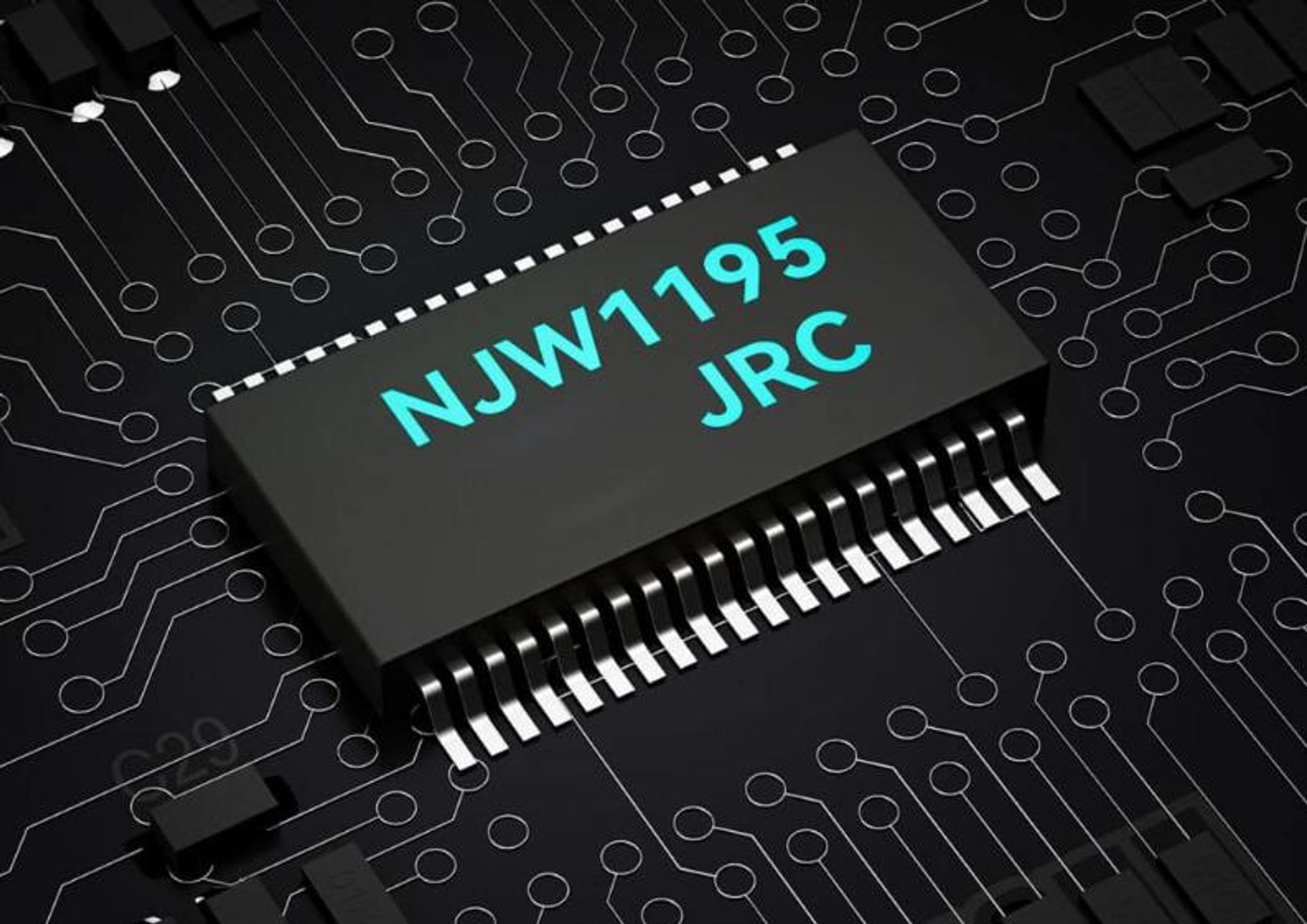
The headphone amplification circuit uses four TI OPA1612 dual-channel operational amplifiers, two OPA1662, and four INA1620 in parallel, in a fully differential four-channel balanced topology. Volume control uses the JRC NJW1195, a fully balanced analog circuit offering 256 steps of 0.5 dB.
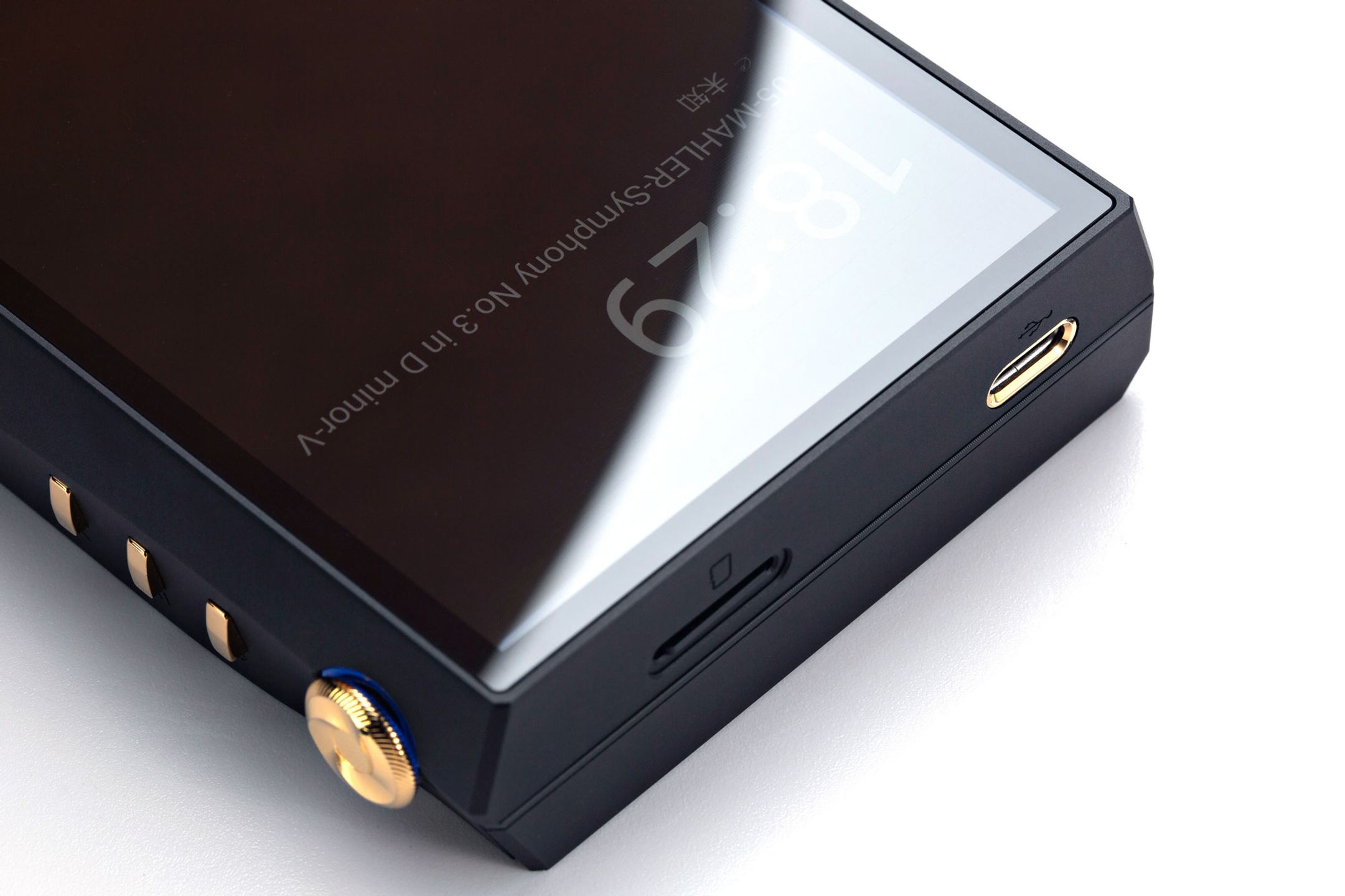
Headphone outputs include a 3.5 mm jack (output impedance 0.5 ohm) and a 4.4 mm balanced output (output impedance 0.8 ohm). The power supply uses a matrix design with multiple ultra-low-noise LDO regulators providing independent sources to the DAC, amplification, and circuit components.
Evolution from the N6 II R01
Launched in 2021, the N6 II R01 was the first R-2R motherboard for the N6 II, using 96 Viking resistors matched to ±0.01% (48 per channel). This board handled PCM up to 384 kHz and DSD up to DSD256, with an output power of 430 mW balanced and 240 mW single-ended.
The R202 represents a different approach with its two distinct DACs rather than a single R-2R, and integrates a total of 320 resistors versus 96 for the R01. The R202 is part of the second-generation boards with the quick-lock system, whereas the R01 required a screwdriver for installation.
Battery life and usage
Battery life for the N6 III equipped with the R202 varies depending on the mode used: around 15 hours in Auto mode, 16 hours in R-2R mode, and 14 hours in 1-bit mode. These durations also depend on the type of output used and the volume level.
The R202 only offers headphone outputs (Phone Out), with no line output (Line Out). This design choice focuses resources on the quality of the direct headphone output, avoiding compromises related to integrating multiple output types within the card’s limited space.
Technical Specifications
Audio Architecture
- R202 audio motherboard combining two DAC technologies
- R-2R multibit DAC: 192 resistors with 0.1% precision, 24-bit / 384 kHz PCM
- 1-bit DAC: up to 256× DSD, up to 768 kHz PCM
- Headphone amplification: 4 × INA1620 in parallel, 4-channel balanced architecture
- Volume control: NJW1195, 256 steps, analog and balanced
Audio Outputs
- 3.5 mm balanced headphone output
- 4.4 mm balanced headphone output
Power Supply
- DAC power: TPS61087 + TPS61240 + 5 ultra-low-noise LDOs
- Headphone amplifier power: dual-polarity LT8582
Audio Performance
- Measurements on a 32 Ω load
- 3.5 mm output: 250 mW, THD+N 0.007 – 0.013%, SNR 115 – 117 dB, dynamic range 90 – 115 dB
- 4.4 mm output: 550 mW, THD+N 0.005 – 0.013%, SNR 115 – 117 dB, channel separation up to 110 dB
- Frequency response: 20 Hz – 20 kHz
Processor and Memory
- Processor: Qualcomm Snapdragon 665
- RAM: 6 GB
- Internal storage: 128 GB
- Expandable storage: up to 2 TB via microSD card
Display and Controls
- 5-inch Full HD touchscreen, multi-touch compatible
- Power button
- Volume potentiometer
- Playback buttons
Battery
- Capacity: 9000 mAh
- Battery life varies depending on DAC mode and amplification mode used
Dimensions and Weight
- Dimensions: 126 × 77.8 × 23 mm
- Weight: 350 g
Frequently Asked Questions
What is the difference between the R-2R DAC and the 1-bit DAC?
The R-2R DAC uses a resistor ladder network (values R and 2R) to directly convert the digital signal to analog with high linearity. The 1-bit DAC employs a delta-sigma modulator operating at very high frequency to create a stream of single bits whose density represents the signal amplitude. R-2R generally excels for PCM, while 1-bit is particularly suitable for DSD.
Which mode should I choose: Auto, R-2R, or 1-bit?
Auto mode automatically switches to the appropriate DAC depending on the file format, ensuring optimal decoding. R-2R mode delivers a warmer, more enveloping sound, ideal for long listening sessions, while 1-bit mode prioritizes clarity and spatial precision. The choice depends on musical content and personal preferences.
Is the R202 compatible with the N6 II?
No, second-generation boards like the R202 are not backward compatible with the N6 II. These new boards are larger to improve performance, which prevents their installation in the older player.
How many resistors does the R202 use in total?
The board integrates 320 precision resistors: 192 for the 24-bit balanced R-2R DAC and 128 for the 1-bit DSD DAC. All these resistors feature 0.1% tolerance (1/1000), ensuring conversion accuracy.
What is the R202’s output power?
The 3.5 mm output delivers 250 mW at 32 ohms with an output impedance of 0.5 ohm, while the 4.4 mm balanced output provides 550 mW at 32 ohms with an impedance of 0.8 ohm. These values can properly drive most in-ear monitors and portable headphones.
Can the R202 be used with other streaming apps?
The N6 III runs on Android 12 with Google Play preinstalled and supports many applications such as Tidal, Qobuz, Spotify, and Apple Music. The R202 works with all these applications without limitation, with the system automatically switching between DACs according to the stream format.
- Eco-contribution of €0.91 included in the sale price.
- Manufacturer reference: CAYN6IIIR202
- GTIN / EAN: 6957914912278