

Klipsch Flexus Core 200 + Surr 100 (set of 2) + Sub 100



Specifications and features


Overview
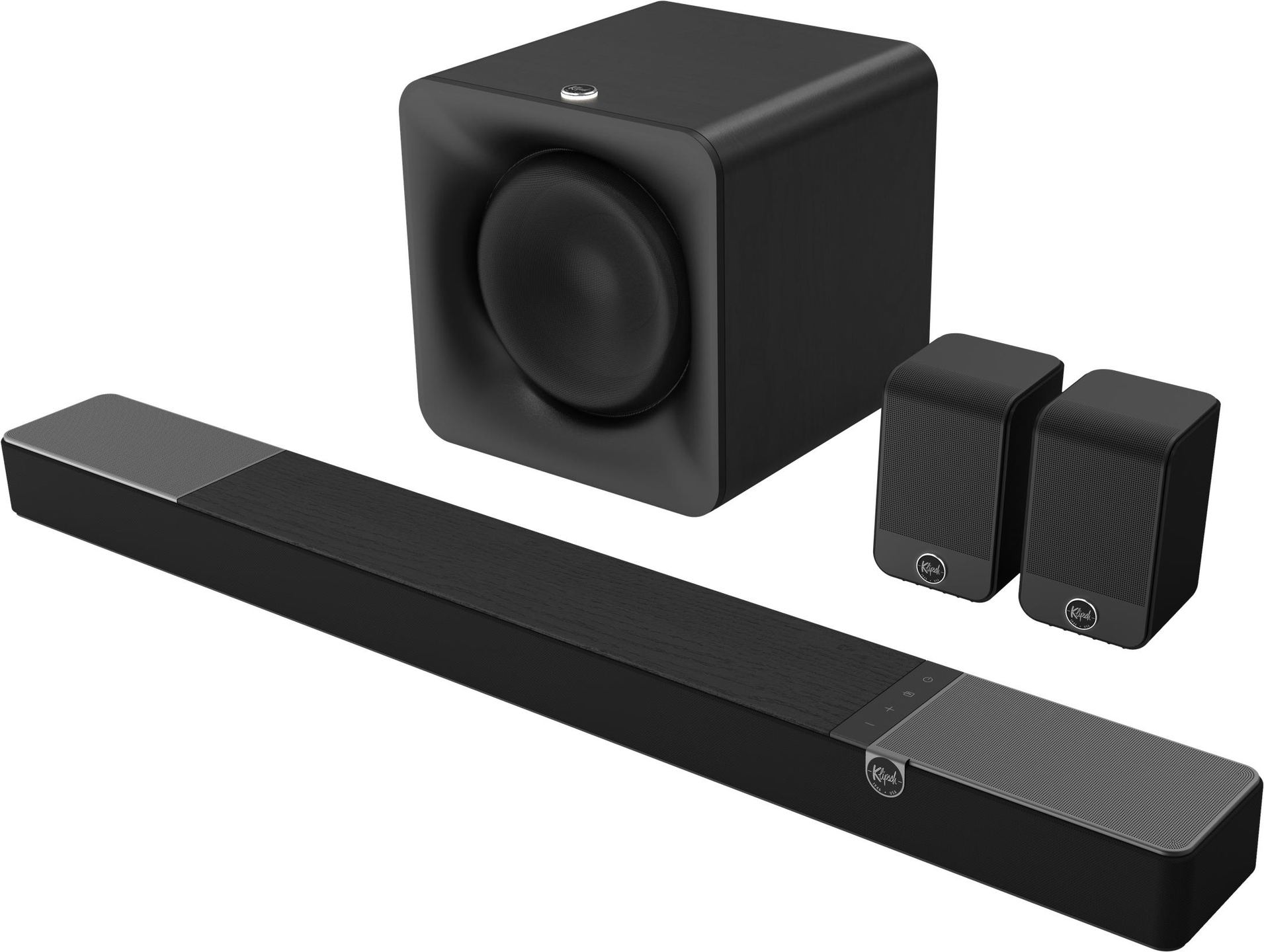
The Flexus range is the result of a partnership between Klipsch and Onkyo, combining American acoustic expertise with Japanese electronic precision. This complete system pairs the soundbar Core 200 in a 3.1.2-channel configuration with two rear speakers Surr 100 and the 254 mm subwoofer Sub 100. The system delivers Dolby Atmos with built-in elevation speakers, horn-loaded tweeter, and Klipsch’s proprietary 2.4 GHz wireless protocol, Klipsch Transport. Over 1,000 tests were jointly conducted by the two manufacturers to validate the performance and reliability of this modular solution.
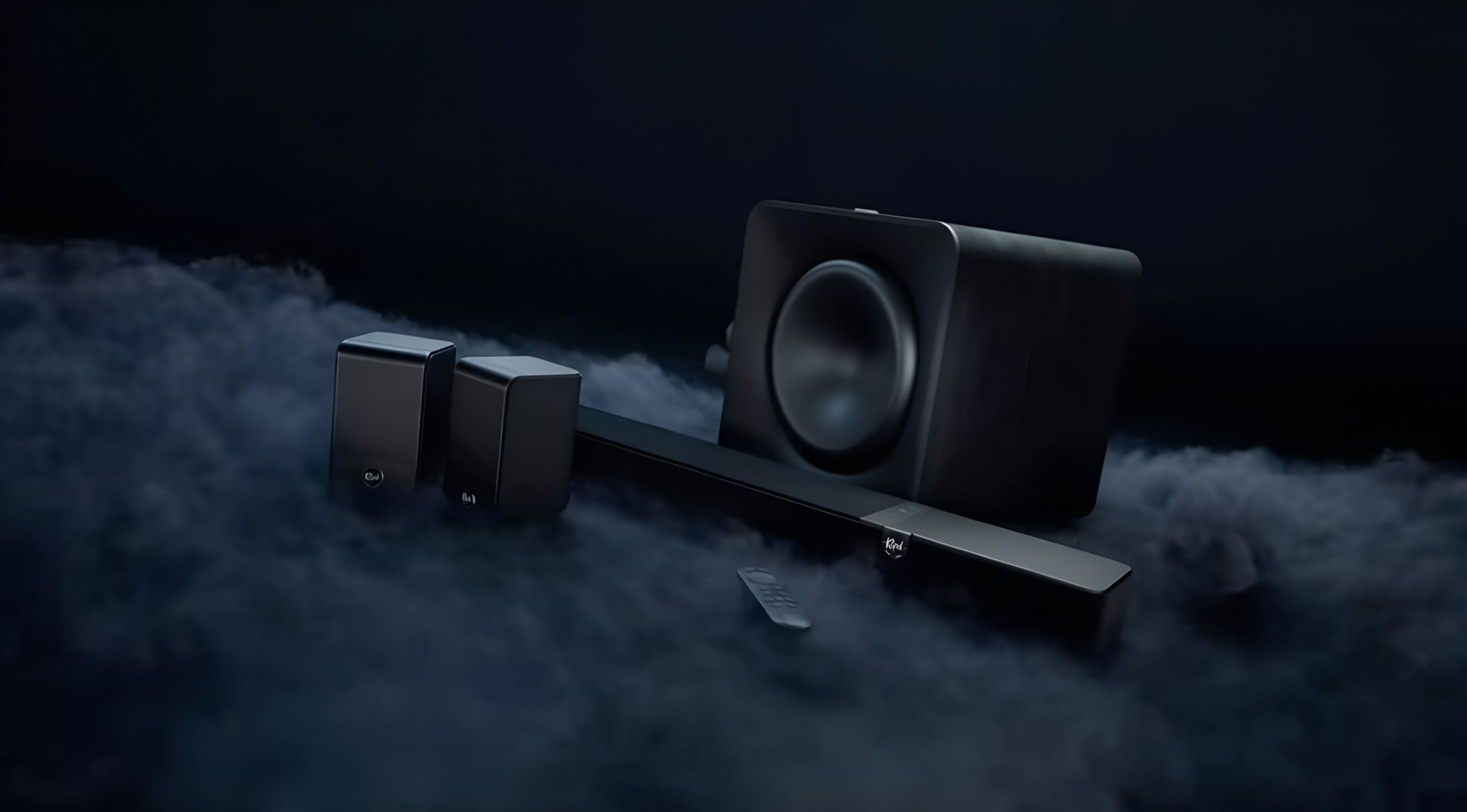
Core 200 soundbar: a dedicated center channel and elevation speakers
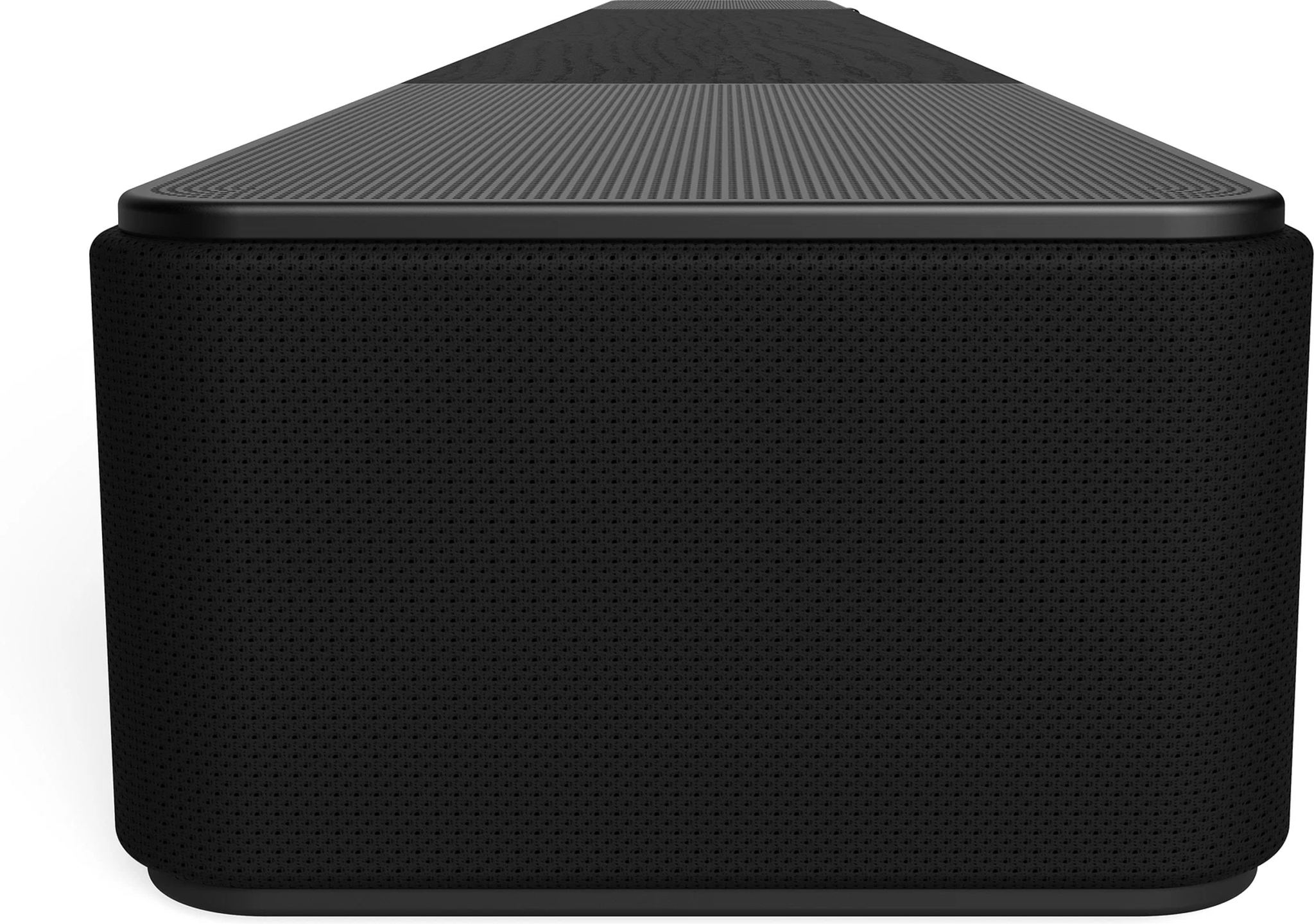
The Core 200 measures 1,118 mm long, 78 mm high, and 126 mm deep, with a weight of 8.5 kg. Its plastic, wood, and metal enclosure features a black ebony vinyl finish. The bar incorporates nine drivers: four 57 mm front speakers with aluminum diaphragms, a 19 mm tweeter mounted in an acoustic horn, two 102 mm paper-cone effects drivers, and two 57 mm full-range speakers dedicated to the Dolby Atmos elevation channels.
This 3.1.2 configuration offers a physical center channel thanks to the horn-loaded tweeter. Unlike bars that virtualize dialogue, the Core 200 firmly anchors voices on the center axis. The horn, a hallmark technology of the brand since 1946, controls the directivity of the highs and improves coupling with the surrounding air. The tweeter thus maintains clarity and precision even at moderate levels, without becoming harsh in loud passages.
The two 57 mm elevation speakers take advantage of the integrated Dolby Atmos processing. Aimed at the ceiling, they create reflections that simulate vertical sound origin. With Atmos-encoded soundtracks, this geometry lets certain elements – a helicopter flying overhead, rain, an exploding shell – appear above the listening area. The effectiveness of this spatialization depends, however, on ceiling height and material: acoustically reflective ceilings deliver better results than absorbent surfaces.
The Core 200 delivers 185 watts RMS and reaches a maximum sound pressure level of 99.8 dB. Its frequency response extends from 43 Hz to 20 kHz. Two built-in 102 mm drivers handle the low end: the bar can operate on its own without an external subwoofer, although adding the Sub 100 enhances bass depth and impact.
Connectivity includes an HDMI eARC input to connect to the TV, an optical digital input, Bluetooth, and a USB-C port. A dedicated RCA subwoofer output allows for connection of an additional wired subwoofer if needed. The 100–240 V power supply is integrated into the bar. The package includes a backlit Bluetooth remote, a 1.5 m HDMI cable, a 2 m power cable depending on region, two wall-mount brackets, and mounting hardware.
Surr 100 rear speakers: 2.4 GHz wireless transmission
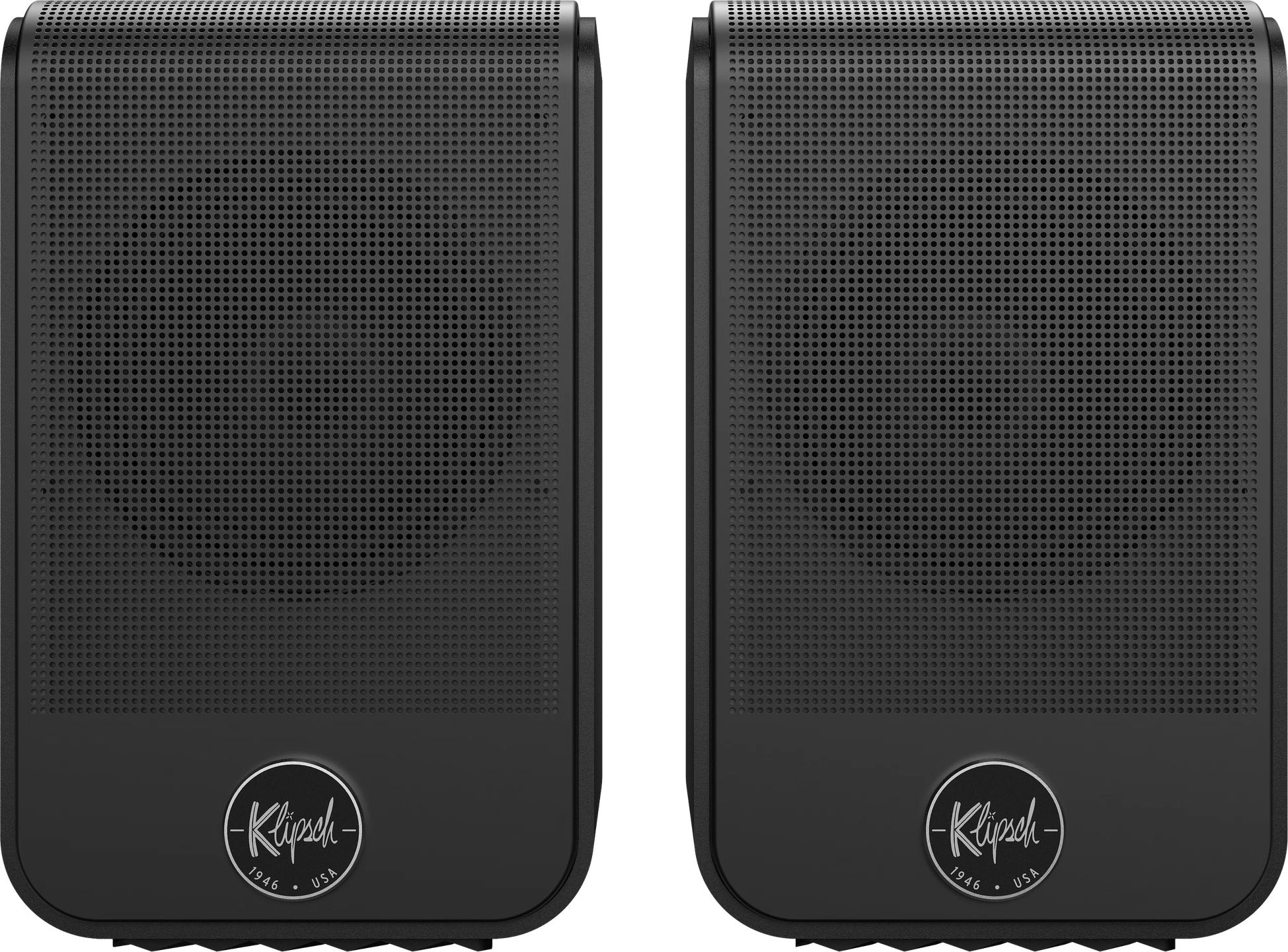
The Surr 100 measure 171 × 105 × 109.5 mm and weigh 1.13 kg each. Their sealed plastic and metal enclosures house a 7.6 cm full-range paper-cone driver. These satellites deliver 50 watts RMS per channel and can reach 103.5 dB at one meter. Their frequency response covers 235 Hz to 20 kHz: they reproduce mids and highs without extending into the deep bass, a task handled by the Sub 100 and the bar’s drivers.
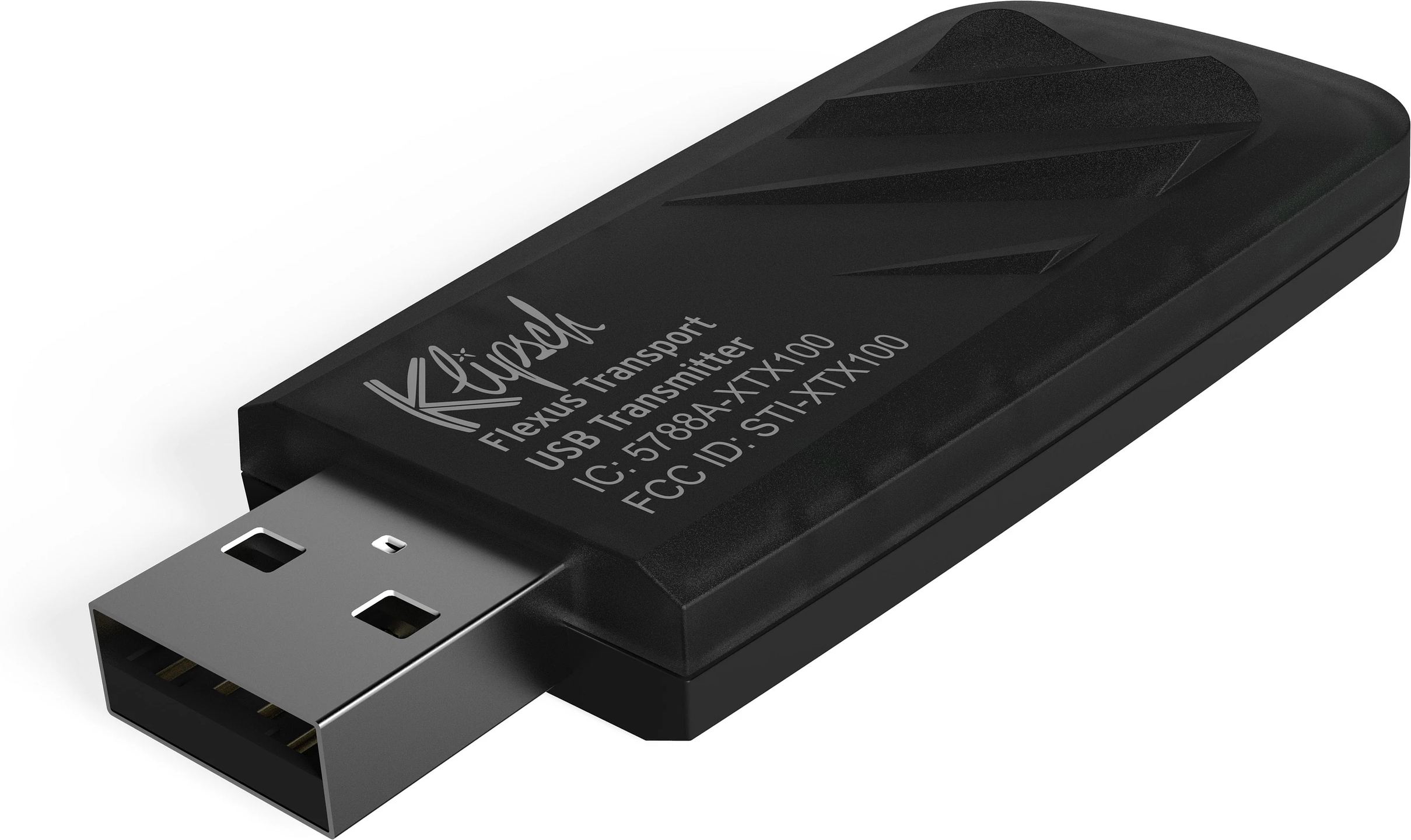
Klipsch Transport technology provides the wireless link between the Core 200 and the rear speakers. This proprietary protocol operates in the 2.4 GHz band, like Wi‑Fi and Bluetooth, but uses a dedicated channel to reduce interference. A Flexus wireless transmitter, supplied with the pack, carries the rear channels from the bar to the Surr 100. Klipsch claims imperceptible latency, a key factor for audio/video synchronization. Delays above 20 milliseconds create an audible mismatch between picture and sound, undermining realism.
Each speaker plugs directly into the mains via its angled 2 m power cable: no inter-speaker wiring is required, simplifying installation. A 1/4‑20 threaded insert on the back allows wall mounting. The controls, power switch, and indicator LEDs are hidden beneath the surface so as not to draw attention in a dark room. The user can aim the Surr 100 toward the listening area or point them at the side walls depending on room acoustics.

Sub 100 subwoofer: a compact 254 mm driver in a sealed enclosure
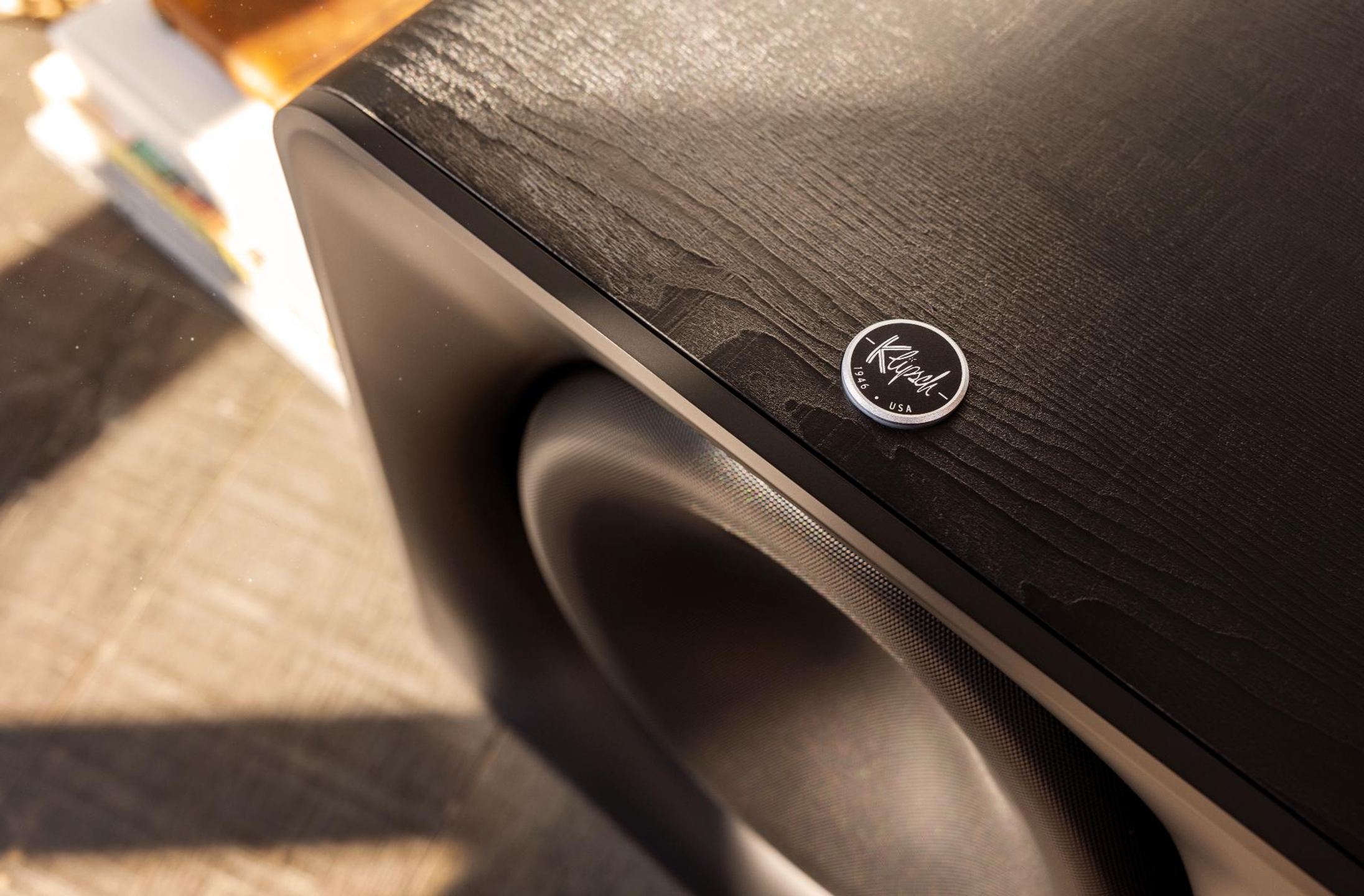
The Sub 100 adopts a cubic format of 335 × 340 × 349 mm and weighs 9.4 kg. Its medium-density MDF cabinet houses a 254 mm (10”) long-throw paper-cone driver. The sealed design avoids the drawbacks of bass-reflex – bass compression at high levels, overhang – at the cost of slightly larger dimensions. The Class D amplifier delivers 80 watts RMS and 160 watts peak.
The Sub 100’s frequency response extends from 26 Hz to 250 Hz (±3 dB) with a maximum sound pressure level of 103.7 dB. Those 26 Hz place the subwoofer below the threshold of tonal bass perception for most home-cinema content. Explosions, impacts, and earthquakes recorded in the infrabass range gain depth and realism. The ebony vinyl finish matches the other system elements.
The Sub 100 receives the audio signal in two ways: RCA/LFE wired connection or 2.4 GHz Klipsch Transport wireless transmission. The supplied wireless dongle plugs into the Core 200 and sends the LFE (Low Frequency Effects) channel to the subwoofer without any cable. This makes it easier to position the subwoofer optimally in the room. Specialists generally recommend placing the sub in a corner to benefit from wall reinforcement, or performing the “crawl test”: temporarily place the sub at the listening position, play a bass signal, then move around the room to find the spot where the bass sounds best.
Two angled 2 m power cords are included, as well as a Transport dongle and the manual. The Flexus system allows adding a second Sub 100 to smooth the frequency response and eliminate certain acoustic nulls. Standing waves, which create areas of bass build-up and cancellation, can be reduced by multiplying bass sources. This dual-sub configuration does, however, require more space and budget.
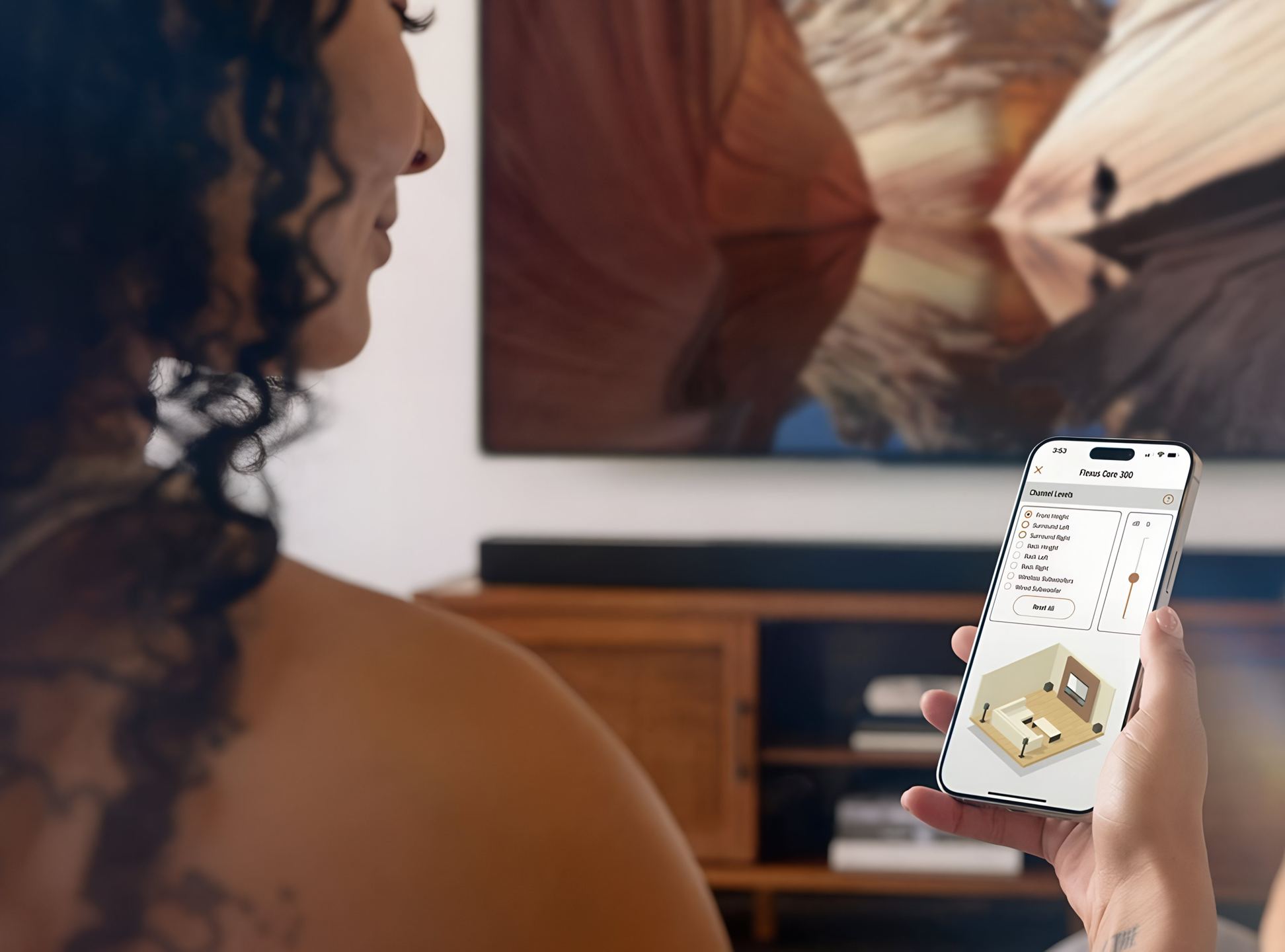
Setup and control via the Connect Plus app
The Klipsch Connect Plus app, compatible with iOS and Android, centralizes system settings. After Bluetooth pairing between the smartphone and the Core 200, the user gains access to several features: customizable graphic equalizer, sound presets (music, cinema, sports), night mode that compresses dynamics for low-volume listening without losing detail, dialogue boost that emphasizes the center channel, and independent volume control for the subwoofer and rear speakers.
The app also displays quick-start guides, product manuals, how-to videos, and the FAQ. It manages firmware updates and lets you contact technical support. Owners of other compatible Klipsch products (Music City speakers, The One+ and The Three+ models) can control multiple devices from the same interface.
The system supports HDMI‑CEC control: the TV remote directly adjusts the bar’s volume with no additional programming. The Core 200 powers on automatically when it detects a signal on the HDMI eARC input. This function simplifies daily use by reducing the number of remotes needed.
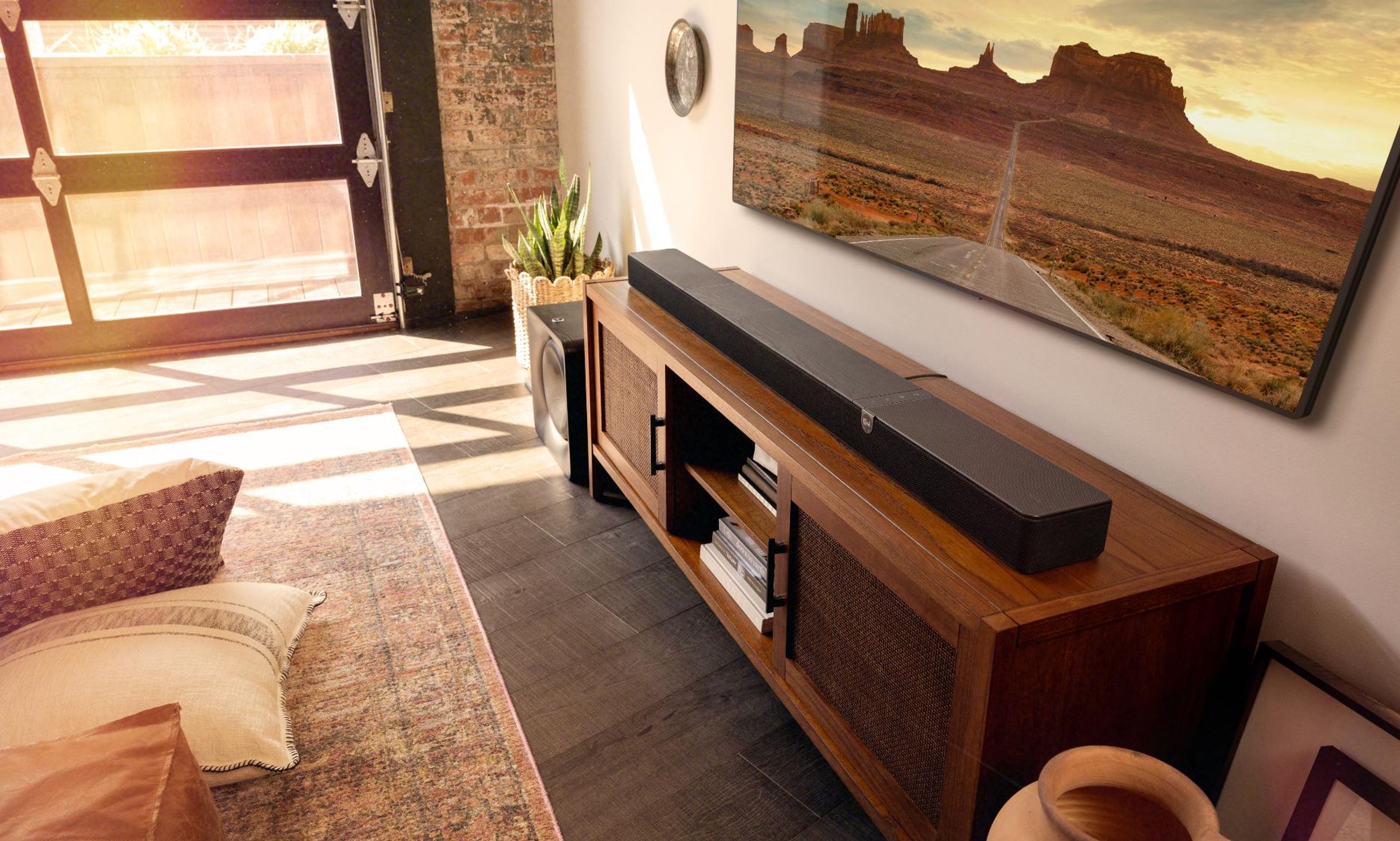
For wall mounting, the supplied brackets allow a flush installation against the wall. The bar uses a standard metric screw pitch. You should check that the TV wall mount leaves enough vertical space to place the Core 200 below the screen without obstruction. Some users prefer to place the bar on a TV stand: its four non-slip feet ensure stability.
What the press says
The Klipsch Flexus Core 200 soundbar is excellent for TV shows and dialogue-rich media. Its stereo frequency response provides a good amount of bass for a standalone bar, adding punch to action-packed series. Its discrete center channel delivers naturally sounding dialogue thanks to a well-balanced midrange.
Automatically translated — Show original (French)
For those looking for a soundbar to enhance their TV's audio system, the Klipsch Flexus Core 200 is worth considering but shouldn't top the list. It creates a wide sound field and handles Dolby Atmos well, but ultimately, it doesn't hit the core of the sound like its rivals do. If we were to buy at this level, our money would go to the Sonos Beam for its rich and expressive audio quality.
Automatically translated — Show original (French)
Klipsch Flexus Core 200 Soundbar
Acoustic configuration
- Speaker type: sealed (plastic, wood, metal)
- Front speakers
- 4 x 57 mm aluminum cone drivers
- 1 x 19 mm horn-loaded tweeter
- Effects speakers
- 2 x 102 mm high-performance paper cone drivers
- 2 dedicated full-range 57 mm drivers
Audio performance
- Maximum sound level: 99.8 dB
- System power: 185 W RMS
- Frequency response: 43 Hz to 20 kHz
Connectivity
- Inputs: HDMI eARC, Bluetooth, USB-C, optical digital
- Output: subwoofer (RCA)
Physical specifications
- Dimensions (H × W × D): 78 × 1118 × 126 mm
- Weight: 8.5 kg
- Finish: ebony black vinyl
- Power supply: 100-240 V, 50 / 60 Hz, built-in power supply
Installation
- Metric screw sockets
- Wall mounts included for flush mounting
Included accessories
- Low-consumption backlit Bluetooth remote control
- 2.0 m power cable (depending on region)
- 1.5 m HDMI cable
- 2 AAA batteries
- 2 mounting brackets
- Mounting kit
- User manual
Klipsch Flexus Surr 100 Rear Speakers (set of 2)
Acoustic system
- Speaker type: sealed (plastic, metal)
- Full-range driver: 7.6 cm paper cone
- Finish: ebony black vinyl
Audio performance
- Maximum sound pressure level: 103.5 dB at 1 m
- Rated power: 50 W RMS
- Frequency range: 235 Hz - 20 kHz
Physical specifications
- Dimensions (H × W × D): 17.1 × 10.5 × 10.95 cm
- Unit weight: 1.13 kg
- Power supply: 100-240 V / 50-60 Hz, integrated power supply
Included accessories
- 2 x 2.0 m angled mains power cables (depending on region)
- 1 Flexus wireless transmitter
- 1 user manual
Klipsch Flexus Sub 100 Subwoofer
Components and amplification
- 254 mm long-throw paper cone driver
- Class D amplification
Audio performance
- Power: 80 W RMS, 160 W peak
- Frequency response: 26 Hz - 250 Hz ± 3 dB
- Maximum sound pressure level: 103.7 dB
Construction
- Material: medium-density fiberboard (MDF)
- Type: sealed subwoofer
Connectivity
- Inputs
- RCA line / LFE
- Flexus Transport 2.4 GHz wireless
Physical specifications
- Height: 340 mm
- Width: 335 mm
- Depth: 349 mm
- Weight: 9.4 kg
Finish and accessories
- Finish: ebony vinyl
- Supplied accessories
- 2 x 2.0 m angled mains power cords (depending on region)
- 1 wireless dongle with Klipsch Transport technology
- 1 user manual
Frequently Asked Questions
Can the Core 200 be used without adding the rear speakers and subwoofer?
Yes, the bar operates independently. Its two built-in 102 mm drivers handle bass down to 43 Hz, covering the majority of content. The Surr 100 speakers and Sub 100 enrich spatialization and reinforce bass impact, but are not mandatory. Users can start with the bar alone and expand the system later.
What is the maximum distance between the bar and the wireless rear speakers?
Klipsch does not specify an exact distance for the Transport protocol, but 2.4 GHz wireless technologies generally work within a 15–20 meter range indoors, depending on obstacles (walls, furniture). Users report a stable connection in standard domestic rooms. In case of interference with the Wi‑Fi network, the app sometimes allows changing the transmission channel.
Is the tweeter’s acoustic horn visible on the bar?
The horn is located inside the cabinet, behind the acoustic grille covering the front face. Only a rectangular opening hints at its presence. This aesthetic choice differs from traditional Klipsch speakers where the square copper horn is a strong visual element. The Core 200 favors discretion while preserving the acoustic benefits of horn loading: controlled directivity and high sensitivity.
How many subwoofers can be connected to the system?
The Core 200 allows adding up to two Sub 100 subwoofers. One connects via the wired RCA output or the wireless Transport dongle. For a second subwoofer, you must use the other connection mode (wired if the first is wireless, or wireless with an additional Transport dongle if the first is wired). This dual-subwoofer configuration smooths bass response and increases available sound pressure.
Does the bar support lossless audio formats like Dolby TrueHD?
The HDMI eARC (enhanced Audio Return Channel) connection carries high-resolution multichannel streams, including Dolby TrueHD and DTS‑HD Master Audio found on Blu‑ray discs. The optical digital input is limited to standard-definition Dolby Digital and DTS (640 kbps). To achieve maximum quality, you should therefore use the HDMI link between the TV and the bar. Some older TVs only offer HDMI ARC (without the “e”) and are limited to Dolby Digital Plus.
Can a subwoofer from another brand be connected?
Yes, the RCA subwoofer output accepts any active subwoofer equipped with a line-level input. Users who already own a subwoofer can keep it and save the cost of the Sub 100. They will, however, need to adjust the volume and crossover frequency manually on the external sub, whereas the Sub 100 is configured directly from the Connect Plus app for optimal integration.
Can the rear speakers be placed on floor stands, or must they be wall-mounted?
The Surr 100 work in both setups. Their 1/4‑20 threaded insert is suitable for wall brackets, but they can also be placed on furniture, shelves, or dedicated speaker stands. The ideal position is slightly behind and to the sides of the listening area, at approximately ear height. Their compact size (17 cm high) makes discreet integration easier in various environments.
Is the Connect Plus app essential to use the system?
No, the supplied remote control lets you manage core functions: volume, input, and basic sound modes. However, the app provides extended access to settings (custom EQ, fine-tuning each speaker’s level) and simplifies firmware updates. Users who prefer a simple approach can rely on the remote alone, while those who want to optimize sound performance will benefit from the app.
- Eco-contribution included in the sale price.