

XGIMI Horizon 30 Max
Specifications and features


Overview
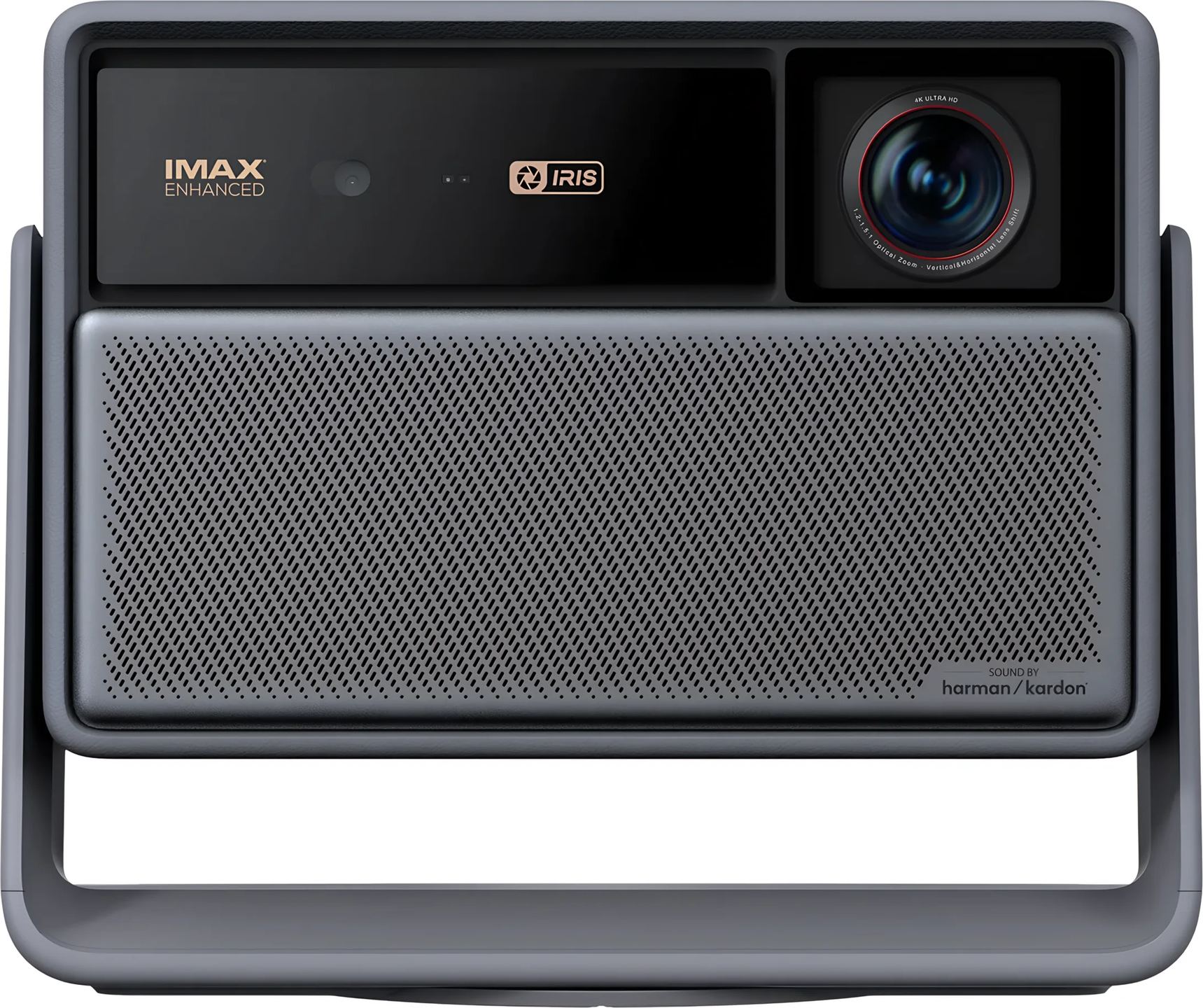
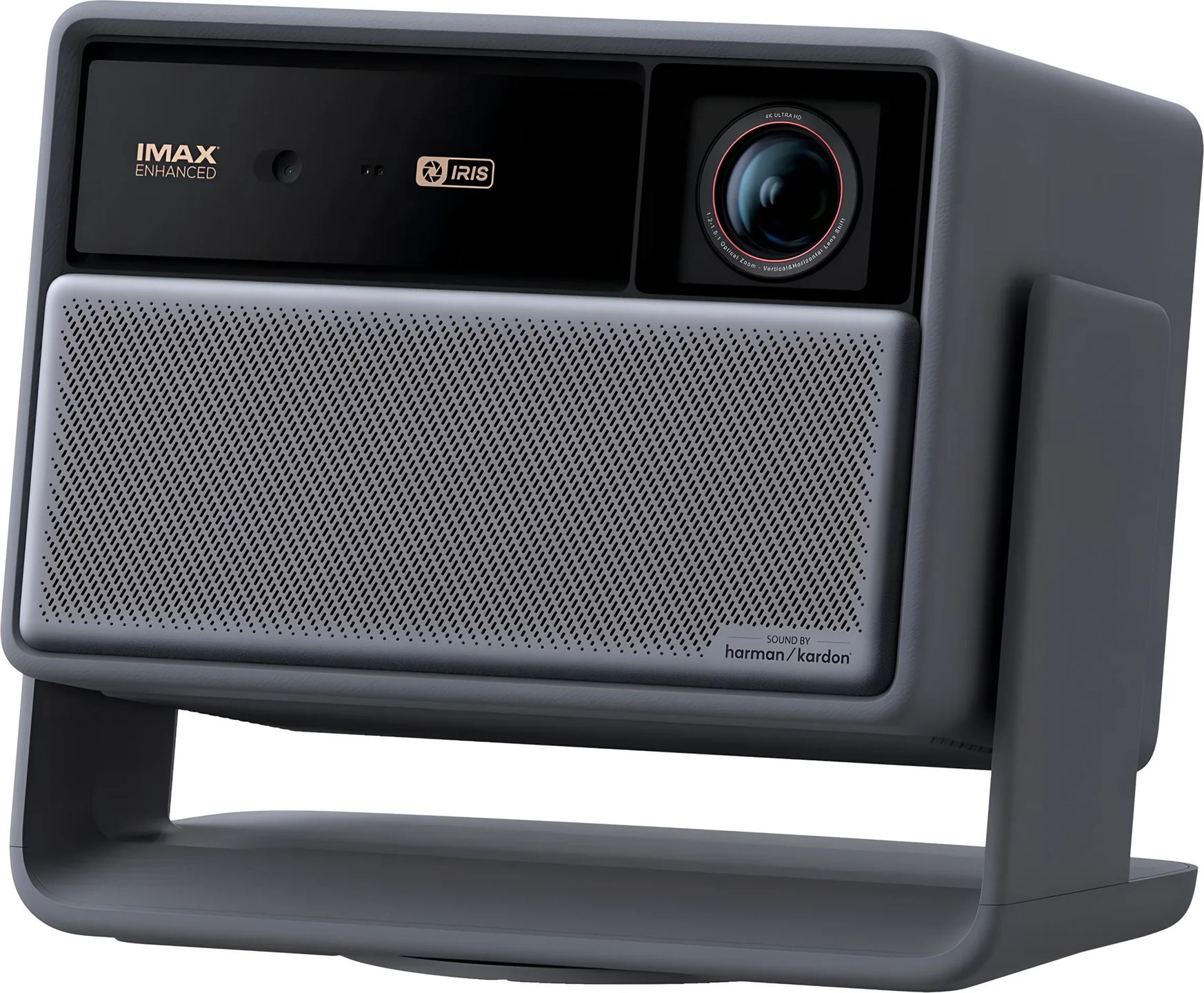
The big screen in the living room is no longer just for Saturday nights. You watch a match in the afternoon, a film after dark, then connect a console that demands 120 frames per second. This triple-laser projector builds on the strengths of the Horizon 20 series (optical zoom, lens shift, built-in Google TV) and takes them further with much higher native contrast and a doubled refresh rate in 4K.
A triple laser that focuses on contrast
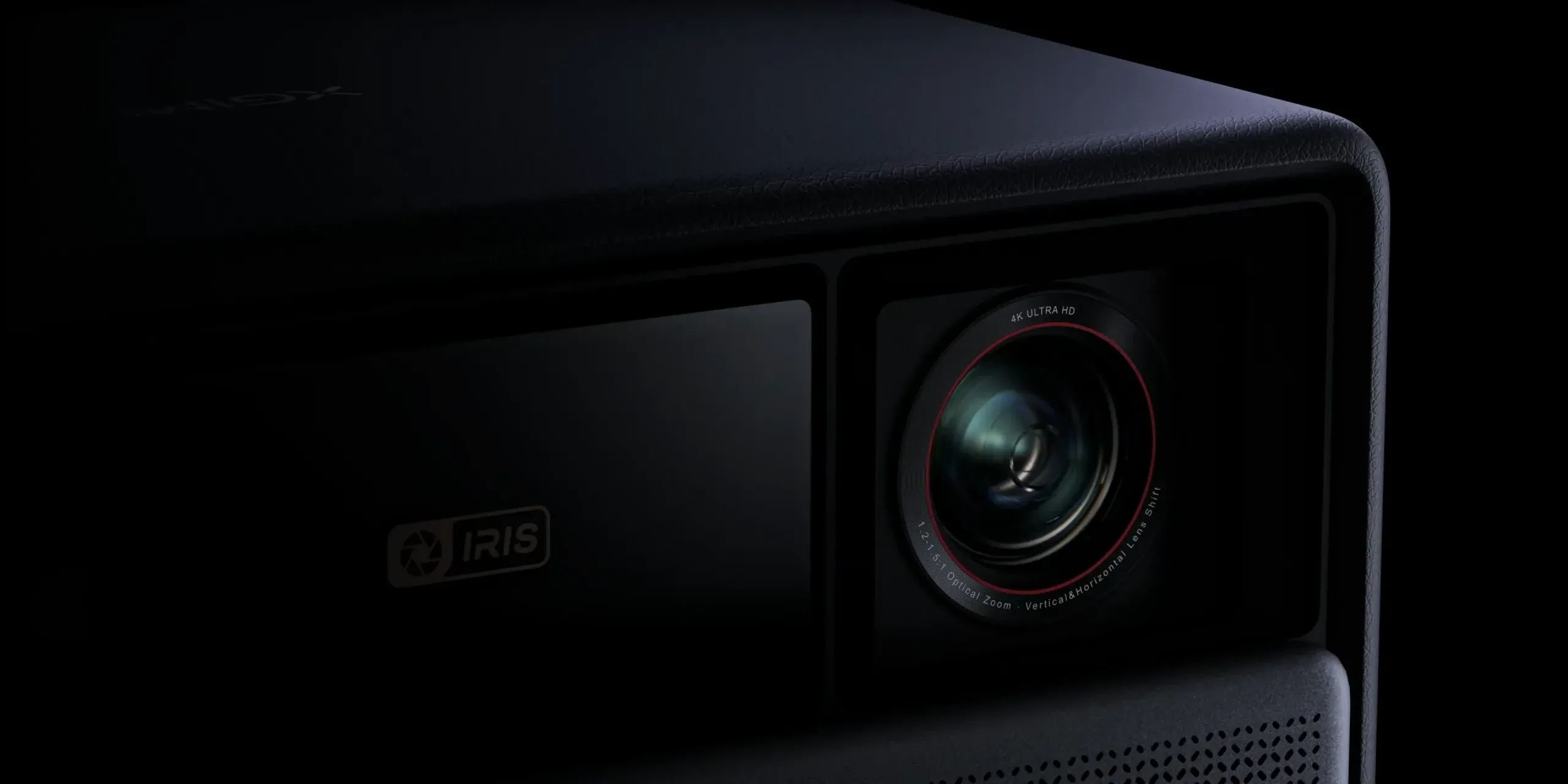
Light comes from three separate lasers, red, green and blue, whereas many laser projectors use a blue laser and a phosphor wheel to produce the other colors. Producing each primary directly delivers purer colors: the palette covers 110% of the BT.2020 color space, the widest reference for HDR content. With high color accuracy mode enabled, color deviation remains below 0.8 Delta E (below 1, the eye cannot perceive any difference from the target color). The 5300 ISO lumens, measured in Performance mode, are enough for a large image even with some ambient lighting in the room.
The most telling figure for this generation is the 9000:1 native contrast ratio, achieved through a dual iris that adjusts the amount of light according to the image content. Blacks are deeper at the source, without processing tricks. With the DBLE function, which adjusts light scene by scene, dynamic contrast reaches 90000:1. Compared with the Horizon 20 Max, the Horizon 30 Max gives up a little brightness (5300 lumens versus 5700) in favor of this image depth, a trade-off that is most noticeable in dark films. It also consumes less power, 230 W versus a maximum of 280 W.
The image is formed by a 1.19 cm DLP chip, which achieves 4K resolution (3840 × 2160 pixels) through ultra-fast pixel shifting, a process commonly used in 4K DLP projectors. The lens has a high-light-transmission coating to minimize light loss between the chip and the screen.
Dolby Vision and faithful film cadence at 120 Hz
Both dynamic HDR formats are supported, Dolby Vision and HDR10+, along with IMAX Enhanced certification and Filmmaker mode, which disables unnecessary processing to display the film as approved by its director. Dynamic tone mapping continuously recalculates how HDR scenes are displayed, which matters on a projector whose peak brightness remains lower than that of a TV.
The 120 Hz refresh rate also benefits films. A film shot at 24 frames per second is displayed by repeating each frame exactly five times, without the uneven cadence that causes slight judder in panning shots on a 60 Hz display. This faster rate also reduces the rainbow effect, the brief colored fringes that some people perceive on DLP projectors when moving their eyes. For those who prefer smoother motion, MEMC frame interpolation can still be enabled, useful for sports, but best switched off to preserve a film’s original look. 3D is supported with active glasses.
Zoom and lens shift for flexible placement
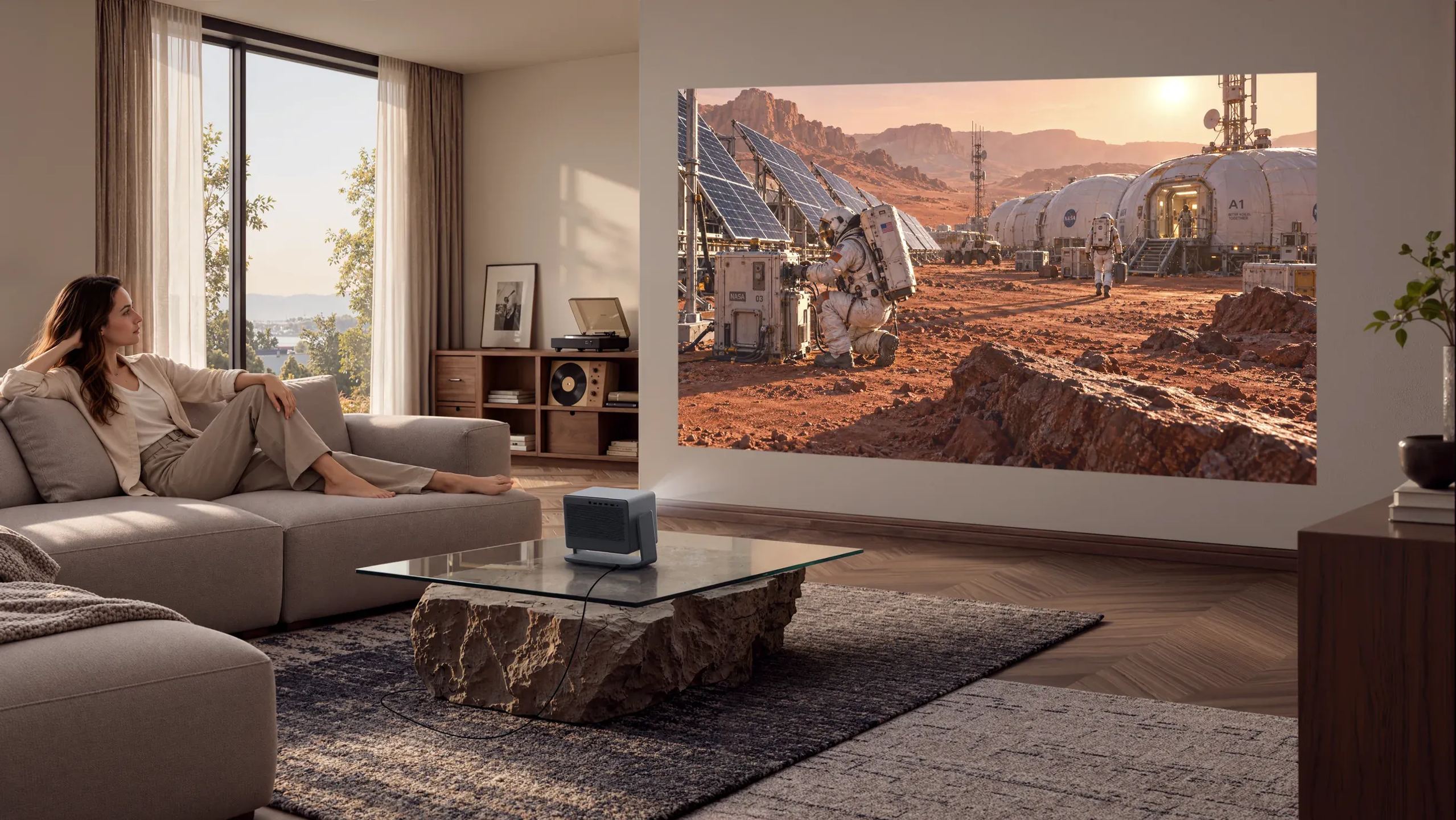
The optical zoom varies the throw ratio from 1.2 to 1.5:1, meaning the distance between the projector and the screen can change by roughly a quarter for the same image size. Lens shift covers 130% of the image height vertically and 50% of its width horizontally (versus 120% and 45% on the Horizon 20 Max), without moving the projector or resizing the image. From its default position, the image can move up by 30% or down by up to 130%, and achieving the maximum range on one axis requires keeping the other centered. Whether placed on a high shelf, offset to one side of the sofa or ceiling-mounted, it stays aligned with the screen. Lens memory saves settings and switches between screen formats with a single command. The diagonal ranges from 102 to 762 cm, or 40 to 300 inches.
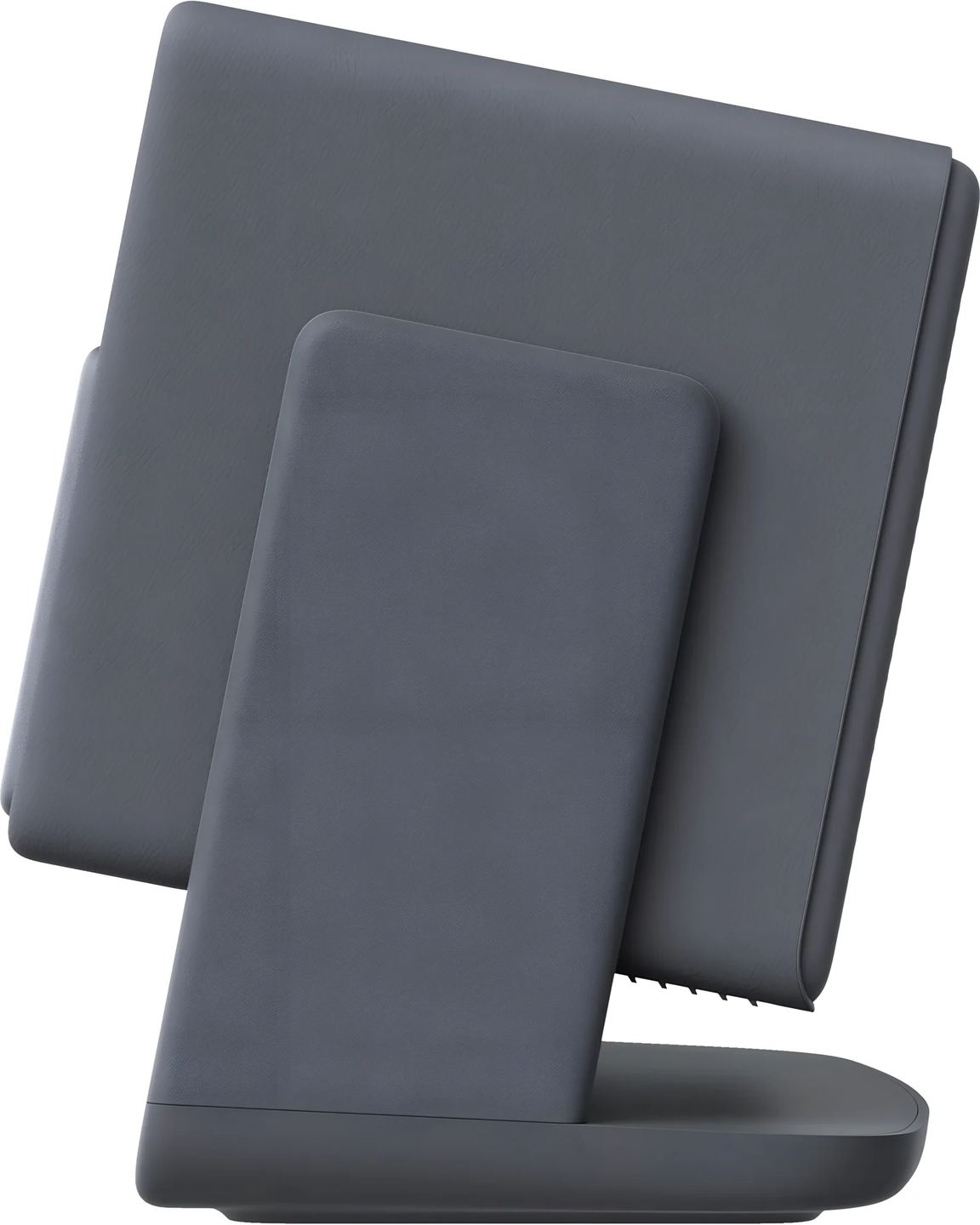
The built-in adjustable stand sets the tilt when placed on furniture, and four modes cover front, rear and ceiling projection. Autofocus, screen alignment (more accurate with a black-bordered screen), obstacle avoidance and wall color adaptation simplify setup when moving the projector around. Continuous keystone correction works at lateral angles of up to 40° and requires screen alignment and obstacle avoidance to be disabled. For a fixed installation, it is better to rely on lens shift: keystone correction is digital and resizes the image, at the cost of a slight loss of sharpness. Eye protection dims the light as soon as someone passes in front of the beam.
Monitor-like latency for consoles and PCs
Both HDMI inputs accept 4K at 120 Hz, the format used by current home consoles, while Full HD goes up to 240 Hz for PC gaming. Variable refresh rate (VRR) and AMD FreeSync Premium synchronize the display with the machine’s output, eliminating screen tearing when the game’s frame rate fluctuates. Auto low latency mode (ALLM) automatically switches to Game mode whenever a console requests it. Input lag drops to 1 ms in Full HD at 240 Hz, 2.2 ms in Full HD at 120 Hz, 1.9 ms in 4K at 120 Hz and 3 ms in 4K at 60 Hz. These figures are measured in Game mode, with VRR enabled and automatic keystone correction switched off, which is why it is worth adjusting the geometry using lens shift before playing.
Google TV, Harman Kardon and audio system connections
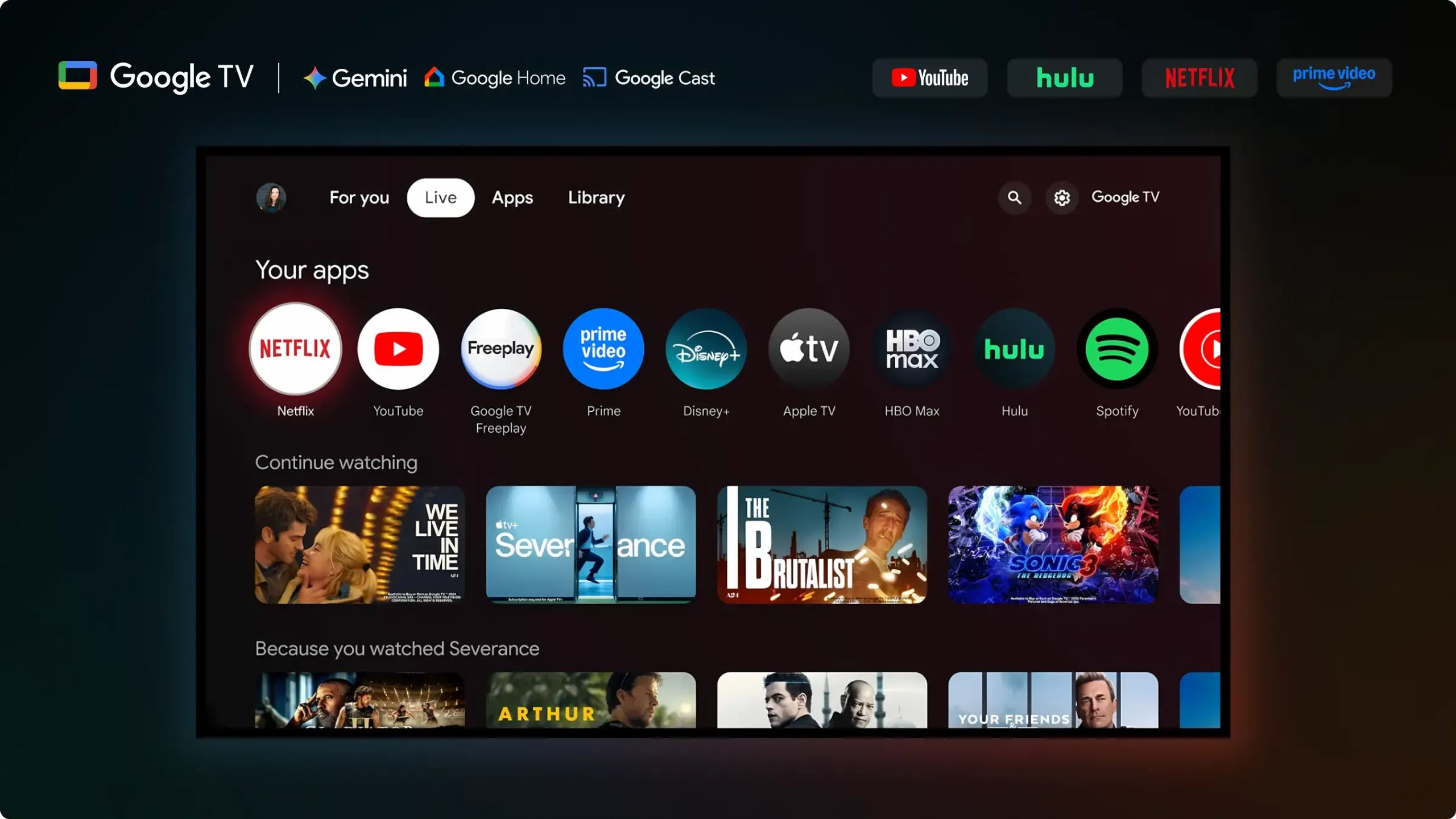
Google TV provides access to streaming apps and Google Cast directly from the projector, without an external box, with DLNA for playing files from a computer or home server. The MediaTek MT9679 processor, backed by 3 GB of RAM and 64 GB of storage, runs the interface smoothly, and quick standby (STR) brings the image back in a few seconds. Dual-band Wi-Fi 6 ensures stable 4K streams, while Bluetooth 5.2 connects the supplied backlit remote control.
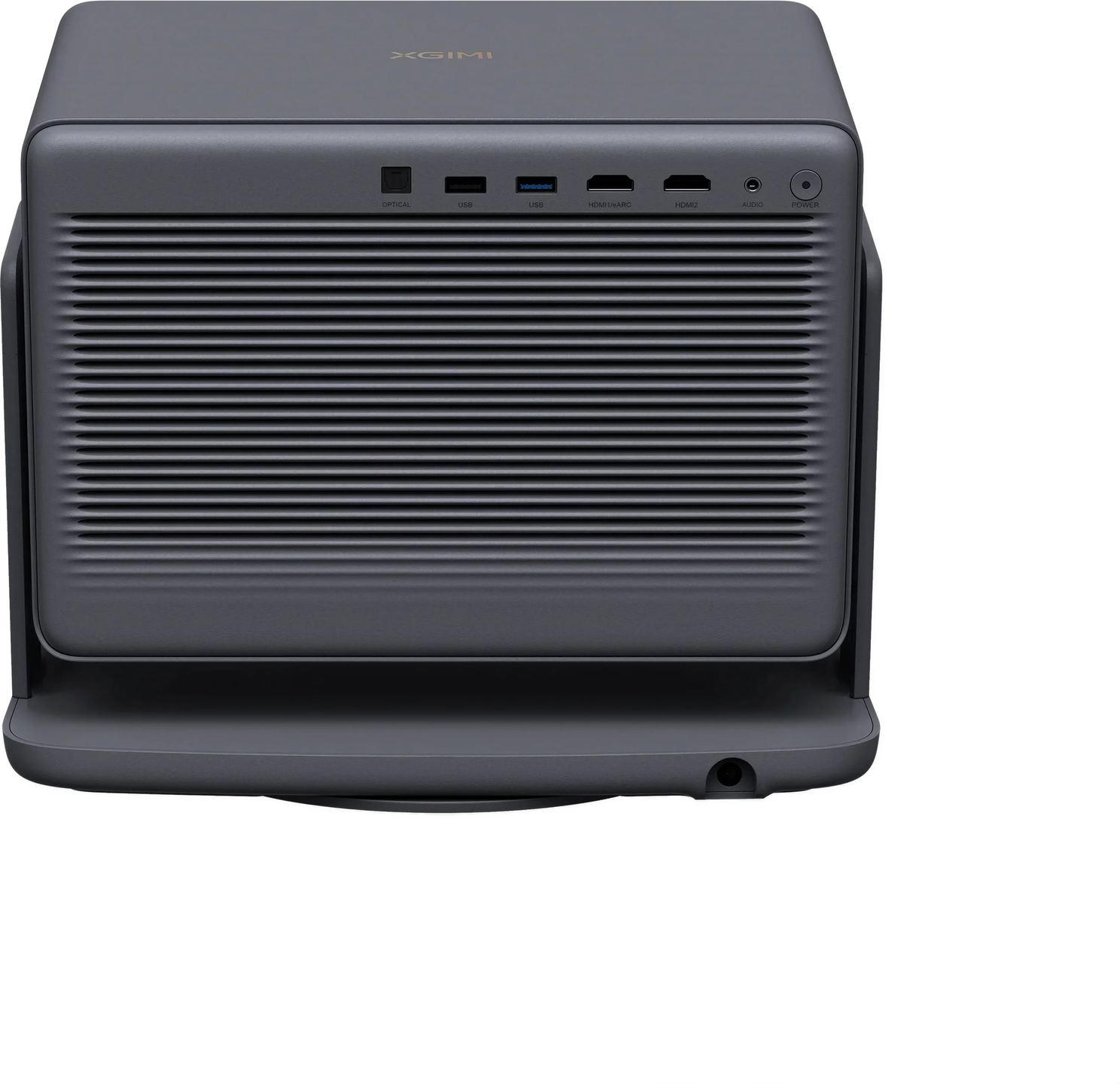
The two 12 W Harman Kardon speakers decode Dolby Digital Plus and DTS-HD, with DTS Virtual:X spatial audio. They do the job for an impromptu viewing session, but a large image calls for sound to match. The HDMI 1 port supports eARC and sends audio to a soundbar or home theater receiver; in this case, only the HDMI 2 port remains available for a source. With multiple sources, a home theater receiver placed upstream receives everything and sends just one cable to the projector. An optical output and an analog audio output round out the connections, along with a USB 3.0 port and a USB 2.0 port for file playback.
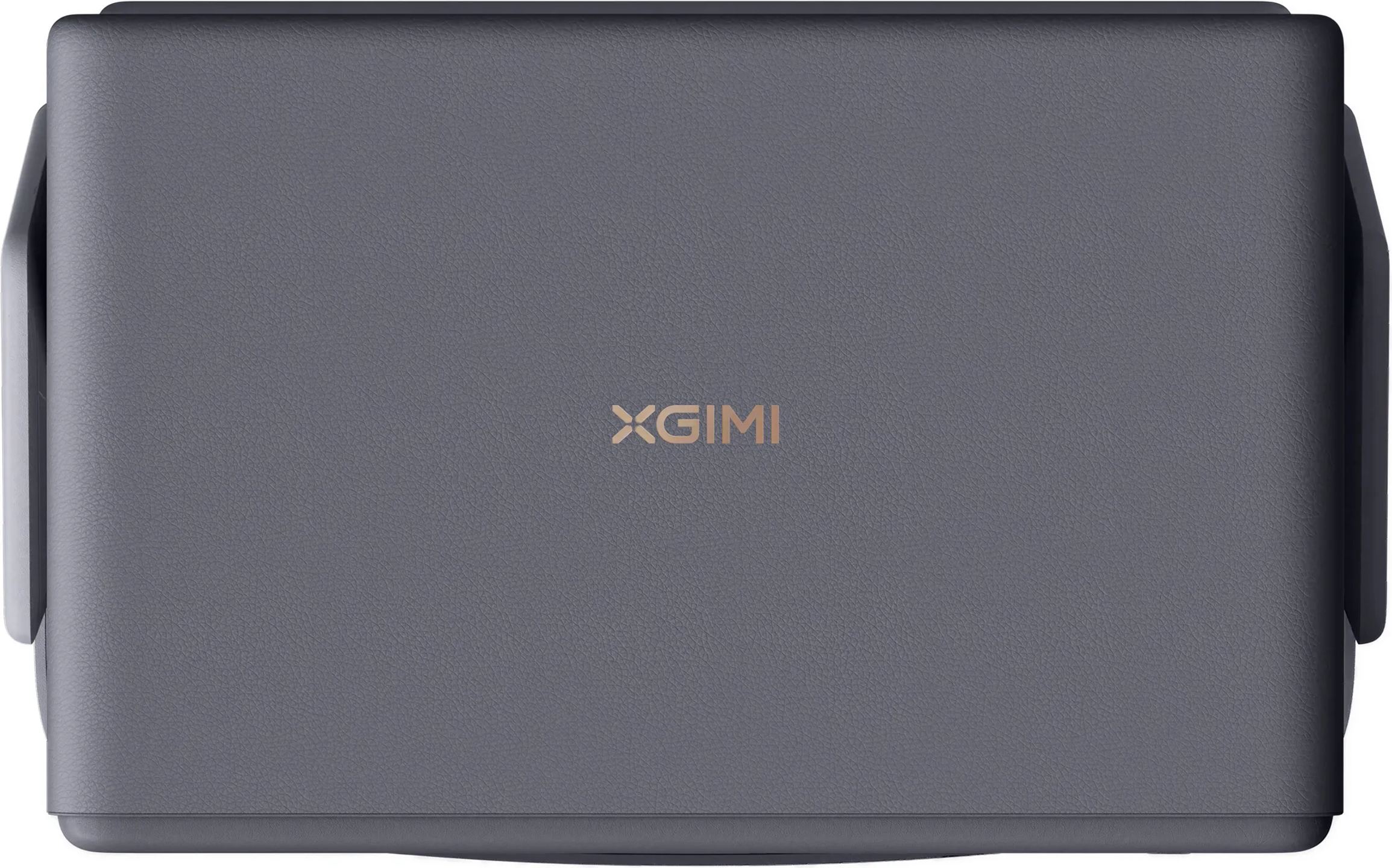
Noise levels do not exceed 28 dB at 1 m, discreet in a living room once a film starts. Power is supplied through an external power supply. The housing measures 298 × 249 × 190 mm and weighs 5.3 kg.
Technical specifications
Projection and image quality
- Projection technology: DLP
- DMD chip: 1.19 cm
- Light source: triple RGB laser
- Resolution: 4K UHD (3840 × 2160 pixels)
- Brightness: 5300 ISO lumens
- Contrast:
- Native: up to 9000:1
- Dynamic: up to 90000:1 (DBLE enabled)
- Color gamut coverage: 110% BT.2020
- Color accuracy: Delta E below 0.8
- HDR formats: Dolby Vision, HDR10+
- Certification: IMAX Enhanced
- Video processing: dynamic tone mapping, motion estimation and compensation (MEMC)
- Filmmaker mode
- 3D compatibility
Gaming performance
- Resolution and refresh rate: 4K UHD at 120 Hz, Full HD at 240 Hz
- Variable refresh rate (VRR)
- AMD FreeSync Premium
- Latency:
- Full HD at 240 Hz: 1 ms
- Full HD at 120 Hz: 2.2 ms
- 4K at 120 Hz: 1.9 ms
- 4K at 60 Hz: 3 ms
- Measurement conditions: Game mode, VRR enabled, automatic keystone correction disabled
Optics and projection format
- Coated lens with high light transmission
- Dual iris system
- Zoom: optical, digital
- Throw ratio: 1.2 to 1.5:1
- Lens shift:
- Vertical: ± 130%
- Horizontal: ± 50%
- Aspect ratio: 16:9
- Projection diagonal: 102 to 762 cm
Installation and adjustments
- Autofocus
- Continuous automatic keystone correction
- Intelligent image alignment
- Intelligent obstacle avoidance
- Eye protection
- Integrated adjustable stand
- Projection modes: front, rear, ceiling front, ceiling rear
System and connected features
- Operating system: Google TV
- Processor: MediaTek MT9679
- Graphics processor: Mali-G52
- RAM: 3 GB
- Storage: 64 GB
- Quick start (STR)
- Media streaming and sharing: Google Cast, DLNA
Audio
- Harman Kardon stereo sound system
- Speakers: 2 × 12 W
- Total power: 24 W
- Audio technologies and formats: DTS Virtual:X, DTS-HD, Dolby Audio, Dolby Digital, Dolby Digital Plus
Wireless connectivity
- Dual-band Wi-Fi 6:
- Frequency bands: 2.4 / 5 GHz
- Standards: IEEE 802.11a/b/g/n/ac/ax
- Bluetooth 5.2
Connections
- 2 HDMI inputs supporting 4K at 120 Hz, including one with eARC
- 1 USB 3.0 port
- 1 USB 2.0 port
- 1 optical digital audio output
- 1 analog audio output
- 1 DC power input
Power supply and noise level
- Power supply: 200 to 240 V AC, 50 Hz
- Power consumption: 230 W
- Noise level: ≤ 28 dB at 1 m
Included accessories
- Power cable
- External power supply
- Backlit Bluetooth remote control
- 2 AAA batteries
- User manual
- Warranty card
Dimensions and weight
- Dimensions (W × H × D): 298 × 249 × 190 mm
- Weight: 5.3 kg
Frequently asked questions
How far away should the projector be placed for a 100- or 120-inch image?
For a 100-inch image (approximately 2.21 m wide), the lens must be positioned between 2.66 and 3.32 m from the screen. For 120 inches (approximately 2.66 m wide), allow between 3.19 and 3.99 m. The optical zoom adjusts the size within this range without any loss of resolution. The maximum diagonal reaches 300 inches, but the most favorable range for image quality is between 150 and 300 cm.
Which projection screen should you pair with a triple laser projector?
A matte white or gray screen with a gain close to 1 is best suited. The projector is Low Speckle A+ certified, a measure of the low level of grainy shimmering characteristic of laser sources. Some long-throw ambient light-rejecting screens, designed for other types of light sources, are not recommended for use with RGB lasers. Standard UHD 4K screens do not have this issue.
Is the 4K resolution native?
The 1.19 cm DLP chip displays 4K by rapidly shifting its micromirrors, which position multiple successive pixels in each frame. The eye perceives a 3840 × 2160-pixel image, with a level of detail very close to that of a native 4K chip. This process is used by the vast majority of consumer 4K DLP projectors.
Why does the brightness vary depending on the picture mode?
The 5300 lumens are achieved in Performance mode, where the fan runs faster and colours deviate slightly from the default rendering. For everyday use, a more moderate brightness mode provides more accurate colours and quieter operation. Performance mode is best reserved for well-lit rooms or very large screen sizes.
Can it be used in a bright room?
The brightness holds up against supplementary lighting or in a dimly lit room, making it suitable for sports and daytime TV. As with any projector, contrast drops as soon as ambient light hits the screen: to enjoy the dual iris and deep blacks, a darkened room is still necessary.
Is the ceiling mounting bracket included?
No, only the integrated swivel stand is included for placement on furniture. Ceiling mounting requires a compatible mount, chosen to support the 5.3 kg weight. The menu offers front and rear ceiling projection modes to invert the image.
Are 3D glasses included?
No, the box contains the projector, its external power supply, the power cord, the remote control and its batteries, the manual and the warranty card. 3D requires active glasses purchased separately, and a 3D source connected via HDMI, such as a 3D Blu-ray player.
- Eco-contribution included in the sale price.








