What are the differences between the Marantz Series 08 AV Amplifiers?
September 24, 2013
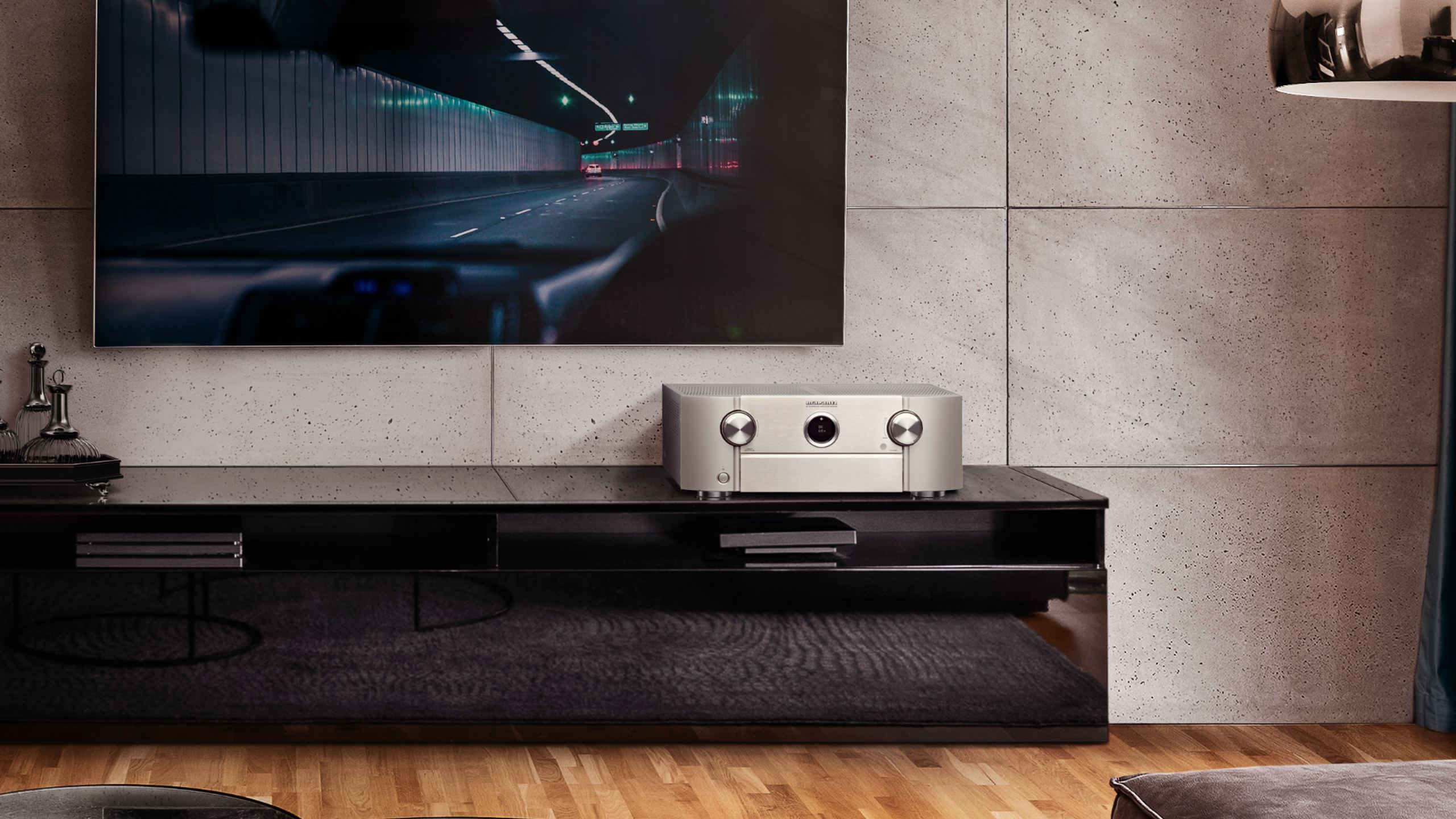
The new Marantz Audio Video Amplifier Series is now available, giving us the opportunity to review the differences between the three models it includes: the SR5008, SR6008, and SR7008.
As usual, let’s start with the common features and focus on the audio section. All models decode DTS HD Master Audio, DTS 5.1, DTS ES, DTS 96/24, as well as Dolby Digital Plus, Dolby TrueHD, Dolby Digital EX, and DPL IIz with Audyssey Dynamic EQ and Audyssey Dynamic Volume processes.
They also allow stereo sources to be played in multichannel mode and feature the M-DAX2 system (Marantz Digital Audio Expander 2) to enhance the quality of overly compressed files. They share the same HDAM (Hyper Dynamic Amplifier Module) current feedback amplification technology, a proprietary Marantz innovation that outperforms traditional amplification circuits and works perfectly with demanding speakers.
The network section is also common to all three models, with DLNA v1.5 certification, support for playing Lossless MP3, WMA, AAC files, and compressed files such as FLAC, ALAC, WAV, FLAC HD 192/24, WAV 192/24, and ALAC 96/24. Notably, FLAC and WAV files can be played without interruptions (Gapless Playback), which is a plus. On the network side, the 08 series is compatible with AirPlay, Windows 8 and RT, Internet Radio via vTuner, Spotify, and Last.fm. Marantz has left nothing out to satisfy its connected customers, even including an iOS and Android-compatible app to control everything!
However, Bluetooth enthusiasts will need to use the optional RX101 adapter, which is also compatible with the entire range. Wi-Fi connectivity is not available; only an Ethernet port is provided on the back of the devices.
Now let’s move on to the video section, where most features are also shared. Composite and Component inputs are converted to HDMI, with upscaling of all these inputs to Ultra HD 4K resolution! There are six HDMI inputs on the back and one on the front. The HDMI “Pass Through” mode supports 4K and 3D when the devices are in standby, along with ARC (Audio Return Channel) and an on-screen display in French.
So, what are the differences between these three models? Power, of course, as the SR7008 delivers 200 Watts per channel compared to 185 Watts for the SR6008 and 180 Watts for the SR5008. The number of channels also varies: 9 for the SR7008 and 7 for the other two. The DTS Neo:6 decoding is not available on the SR5008. Finally, the acoustic correction differs: Audyssey MultEQ XT32 Pro for the SR7008, MultEQ XT Pro for the SR6008, and MultEQ XT for the SR5008.
In terms of connectivity, the SR7008 is, unsurprisingly, the most equipped, with three HDMI outputs, including one dedicated to Zone 2, 11.2 outputs for external amplification, and two more for Zones 2 and 3. The SR6008 offers two HDMI outputs, one of which is dedicated to Zone 2, 7.2 outputs for external amplification, and one more for Zone 2. Finally, while the SR5008 has only one HDMI output, it still provides 7.2 outputs for external amplification and one for Zone 2.
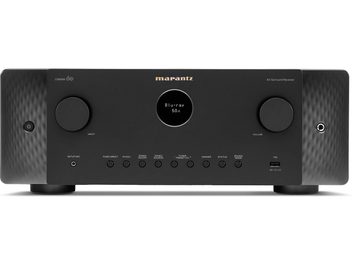
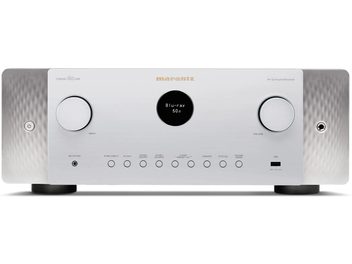
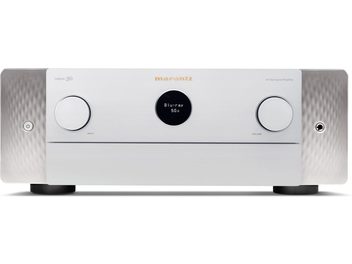
Beyond these internal differences, the models also differ in aesthetics. The SR7008 and SR6008 feature an aluminum front panel, while the SR5008 has a plastic front panel. The SR5008 and SR6008 have a discreet round display on the front, whereas the SR7008 hides a large LCD screen behind its front flap.
With this 08 Series, Marantz offers a range equipped with all the latest refinements necessary for setting up a custom home theater system without compromise, catering to high-fidelity enthusiasts, as Marantz continues to excel in this field.