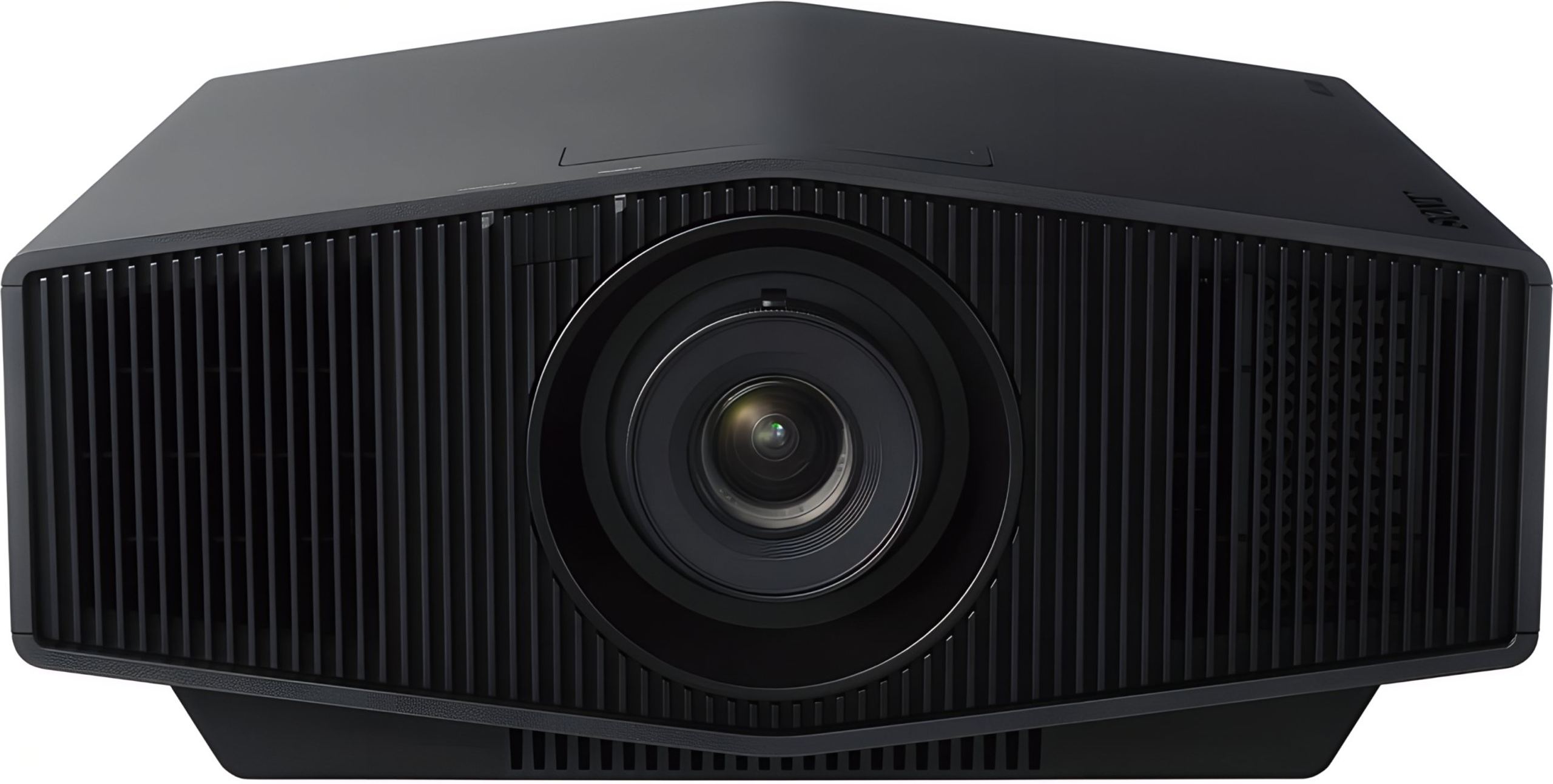
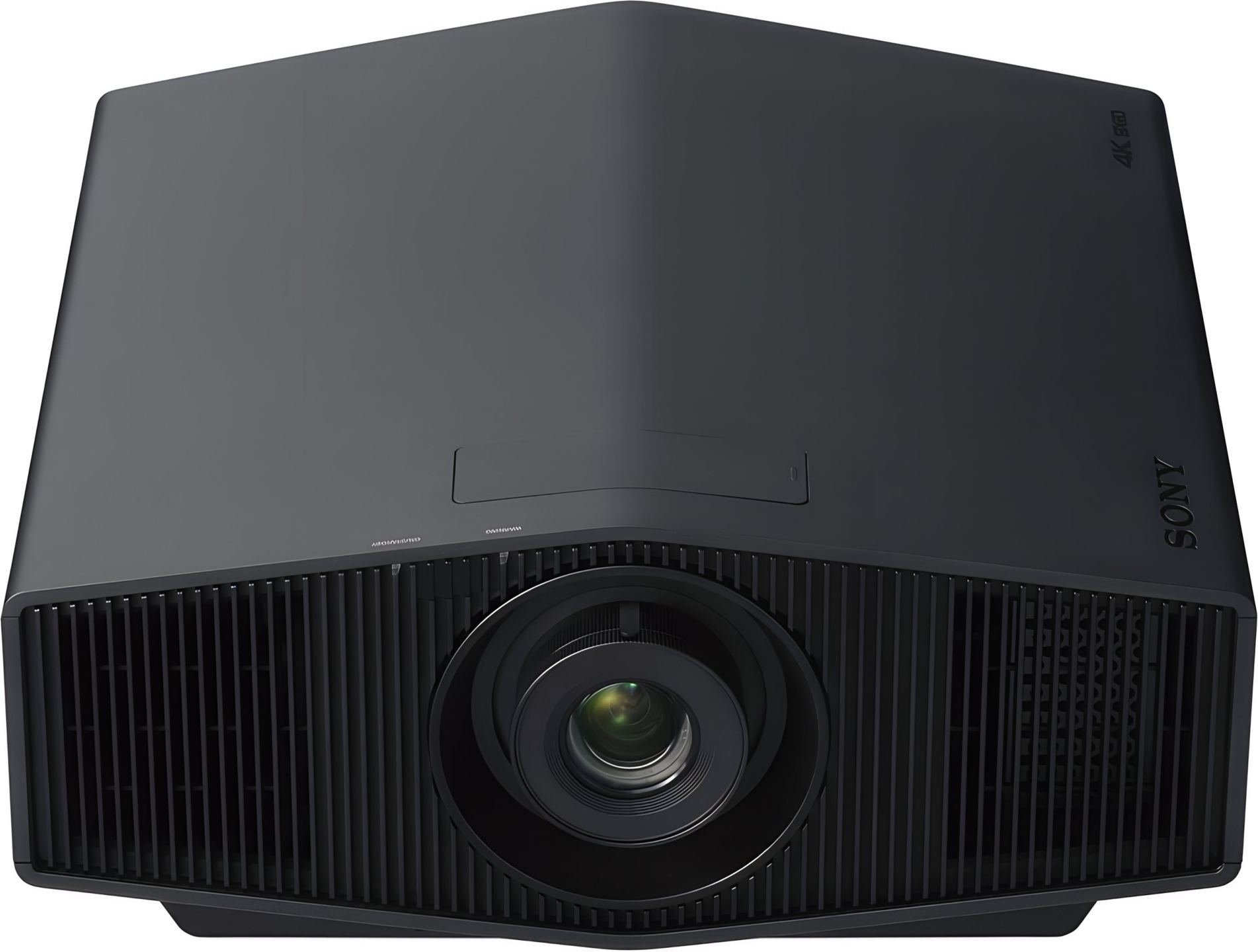
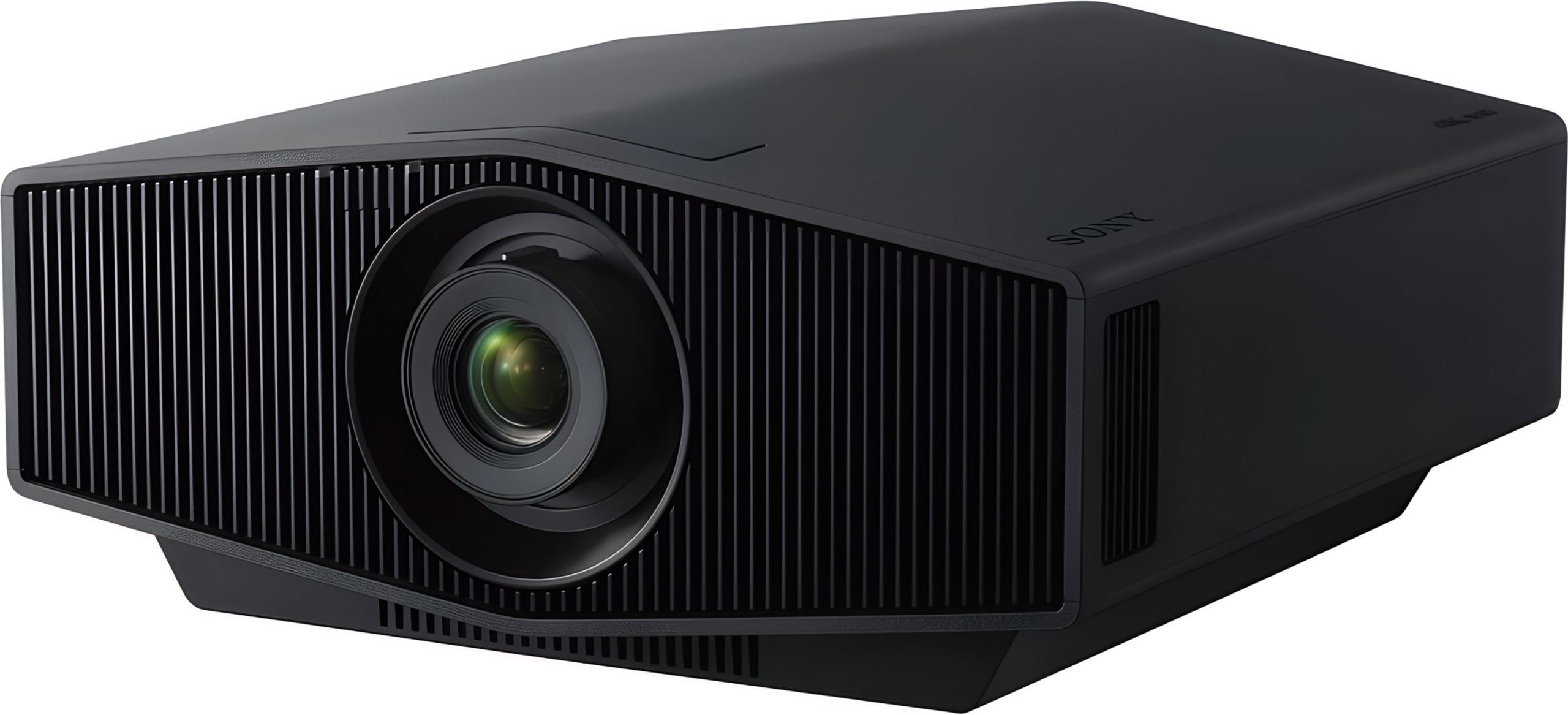
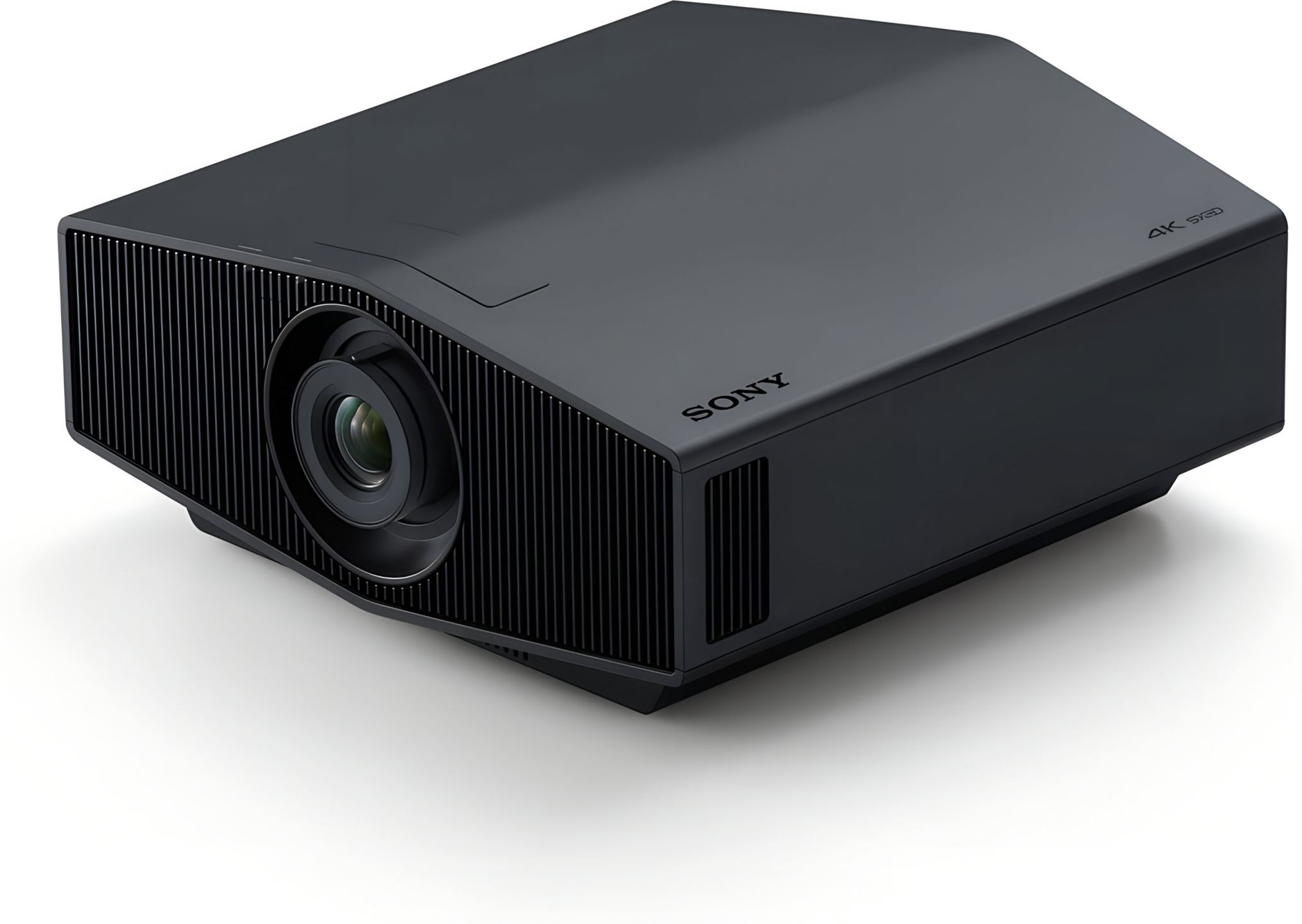
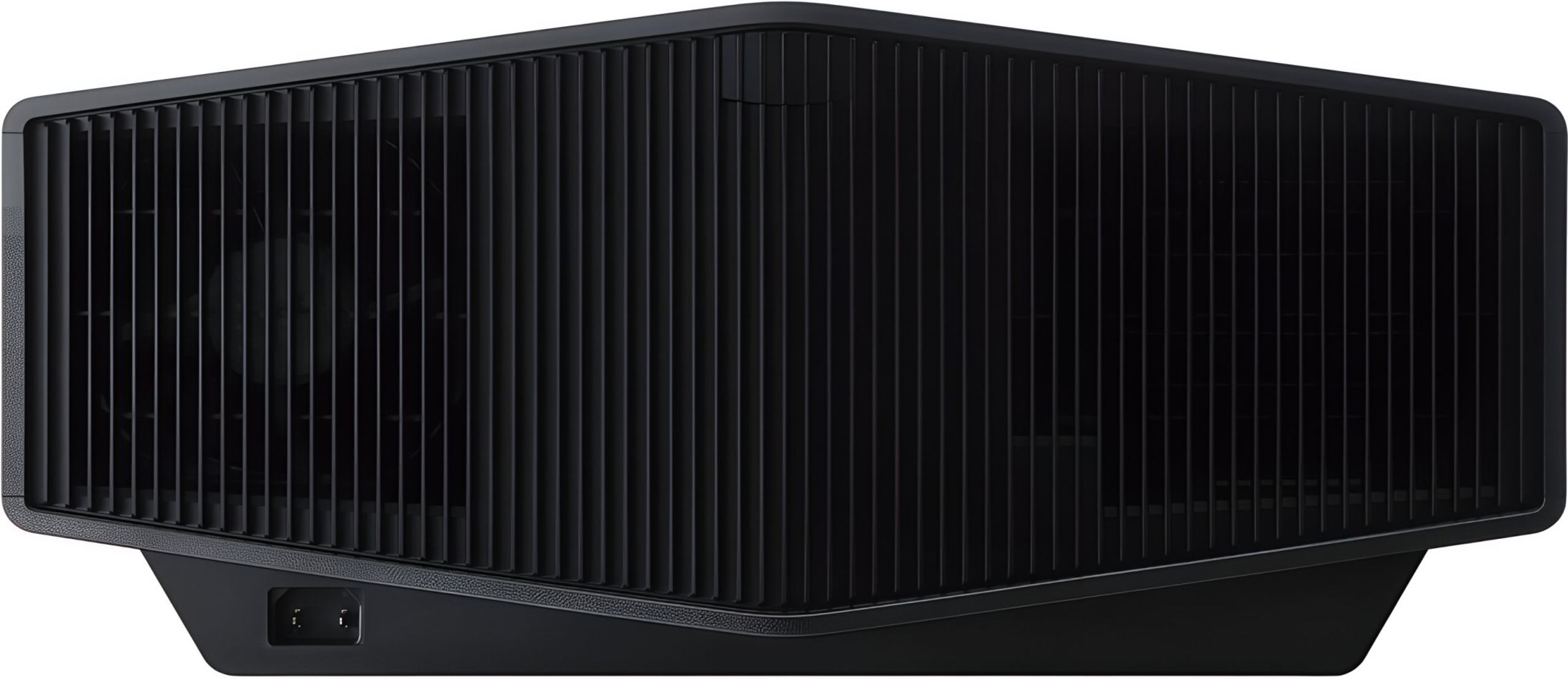
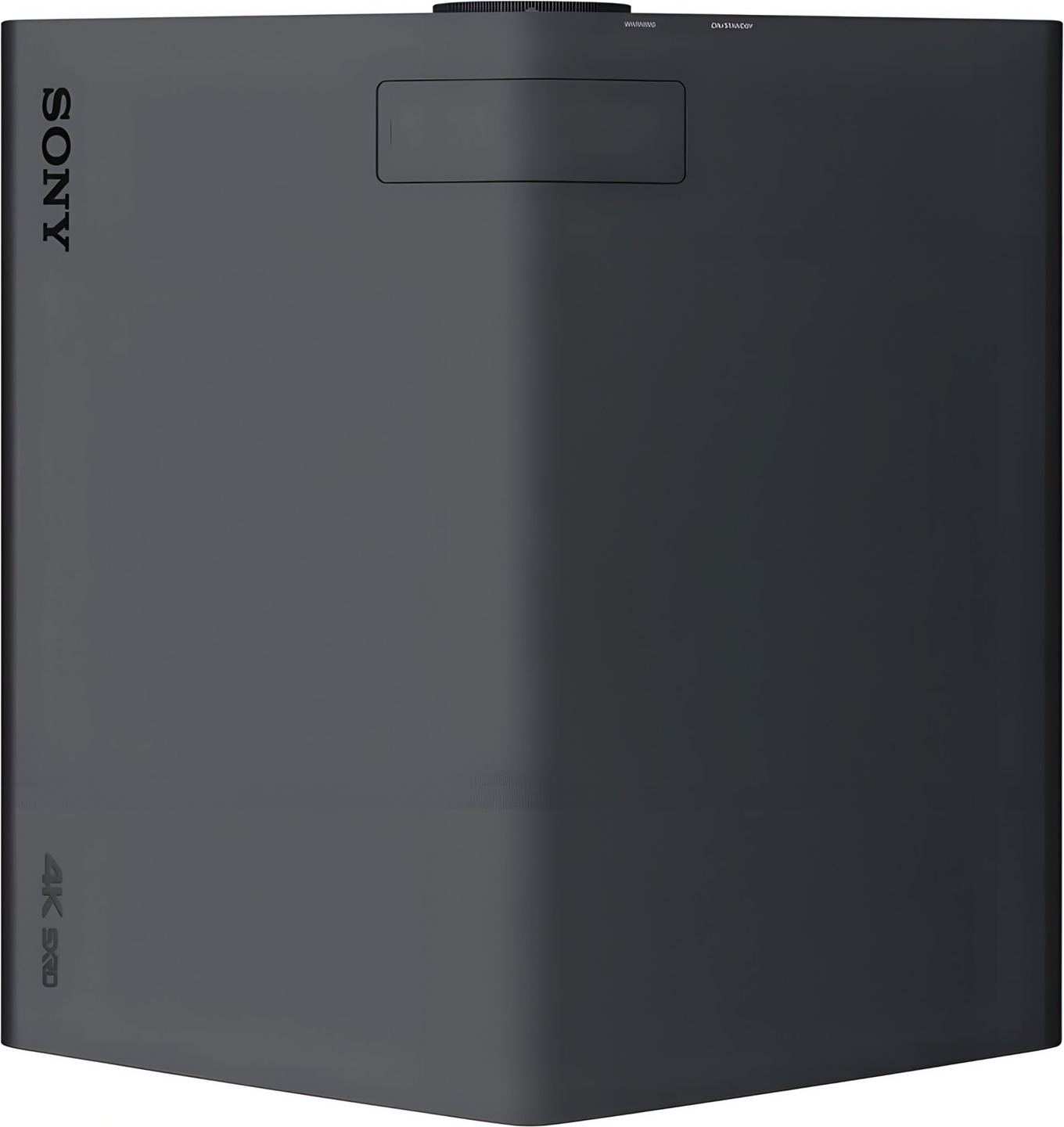
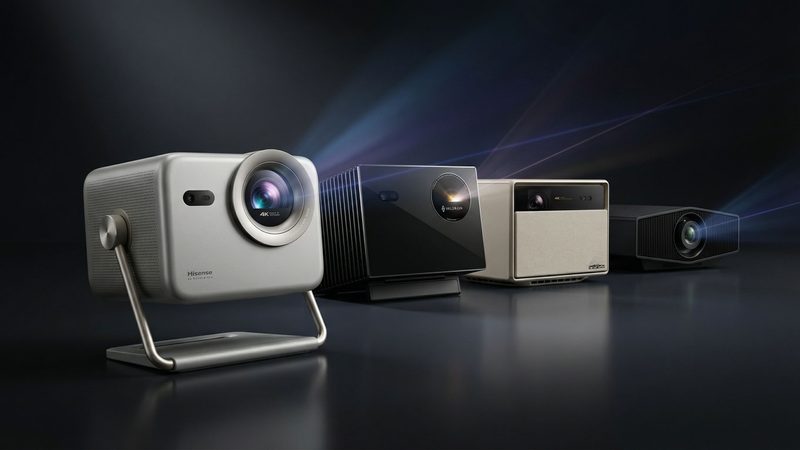
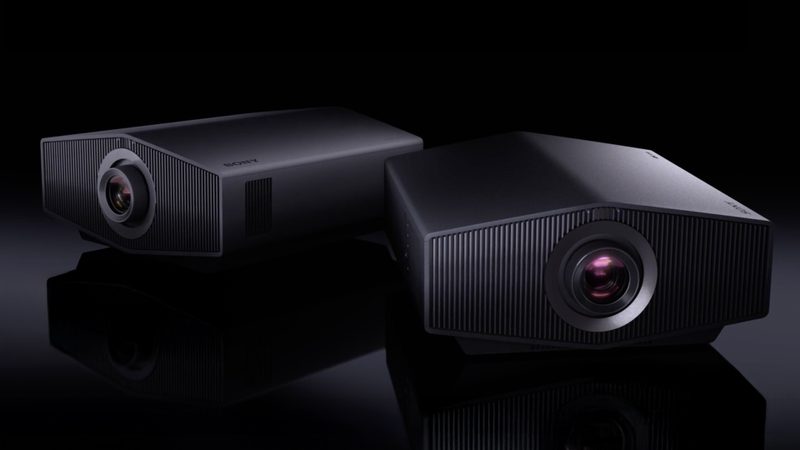
Fifty years after its first color video projector, Sony reaches a new milestone with this model, which finally makes laser technology and native 4K resolution affordable in a single device. The VPL-XW5000ES succeeds the lamp-based VPL-VW290ES and VPL-VW590ES models, keeping their price positioning but offering a light source that barely wears out and a genuine pixel‑by‑pixel definition without any tricks.
4K resolution without pixel-shifting
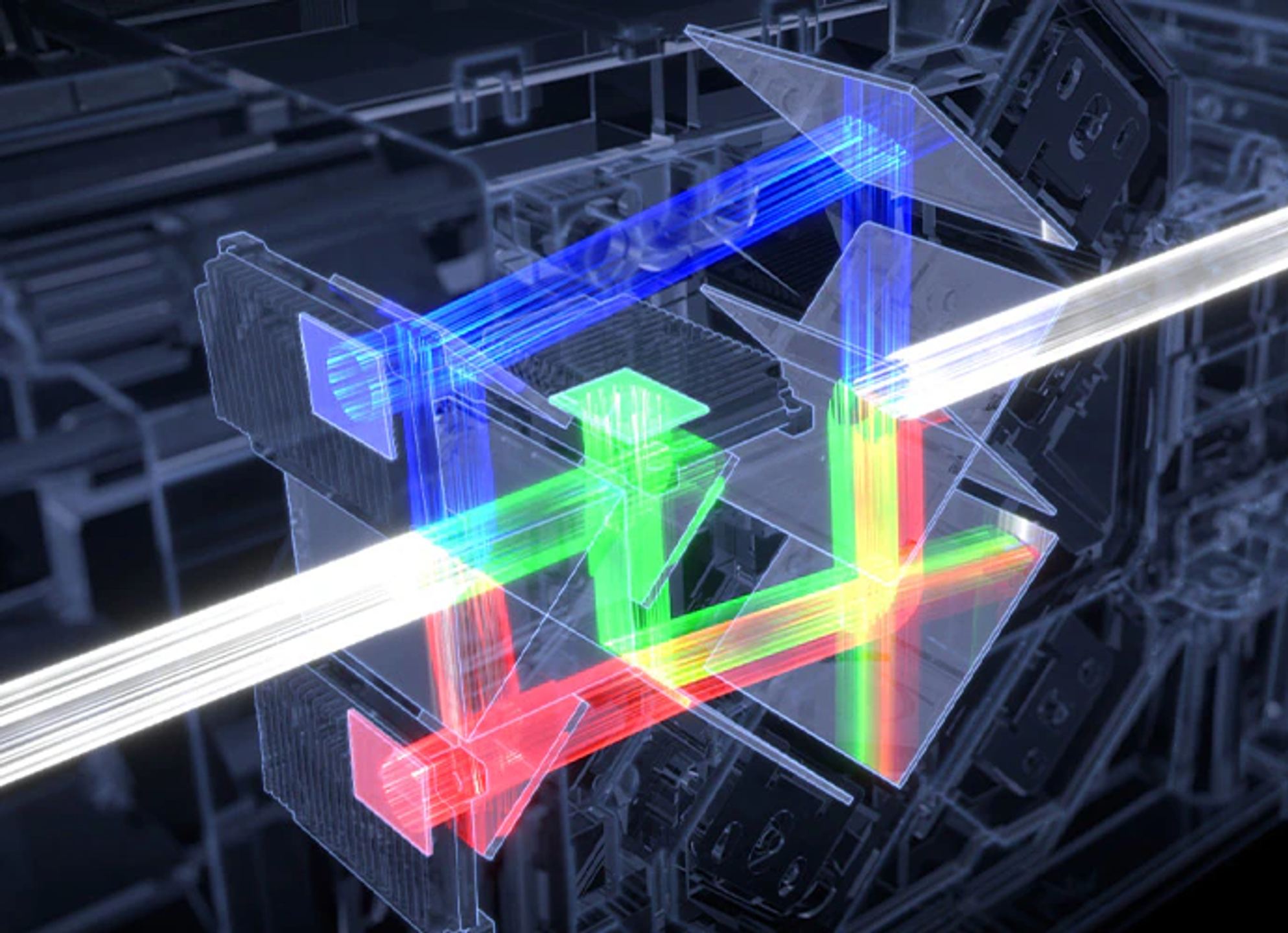
The VPL-XW5000ES uses three 0.61” SXRD panels, each displaying 3840 × 2160 pixels, one per primary color. This Sony-specific LCoS (liquid crystal on silicon) technology projects all 8.3 million pixels simultaneously, without resorting to pixel-shifting or the “double flashing” used by some DLP or LCD projectors to simulate a 4K image from lower-resolution arrays. The panels in this generation are more compact than those in previous models (which measured 0.74”) and adopt a strict 16:9 definition instead of the 17:9 format used in professional cinema projection. This choice simplifies installation on standard home screens.
Reducing the panel size allowed the design of a smaller optical block. The VPL-XW5000ES weighs 13 kg and measures 460 × 200 × 472 mm, which is about 30% less volume and 35% less weight than the previous laser-based VPL-VW915ES, even though that model was much more expensive.
Laser source and extended lifespan
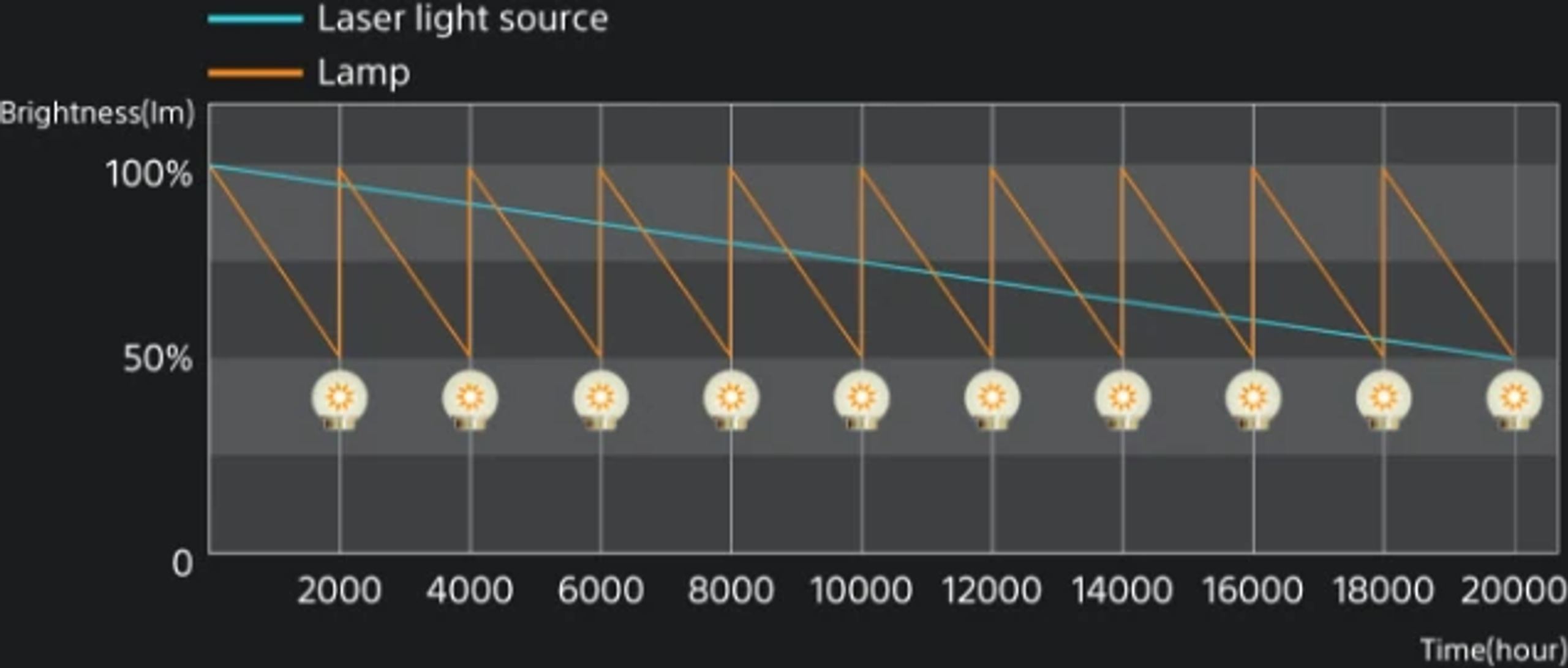
Z-Phosphor technology relies on blue laser diodes whose beam passes through a phosphor wheel to generate white light, which is then split into red, green, and blue. This source delivers 2000 lumens and maintains stable brightness for around 20,000 hours before reaching half its initial intensity. By comparison, the UHP lamps of the previous models lost their brightness after a few thousand hours and required costly replacement.
The laser has another advantage: precise frame-by-frame modulation. Dynamic control adjusts light intensity in real time according to the displayed content, producing a dynamic contrast ratio that Sony describes as “infinite.” The deep blacks of the VPL-XW5000ES rival those of its lamp-based predecessors, but you need to enable the maximum dynamic contrast mode to get the best results.
Startup time is still longer than one might expect from a laser projector: allow about fifty seconds between powering on and the image appearing. Shutdown, on the other hand, takes only about fifteen seconds.
Video processing derived from BRAVIA TVs
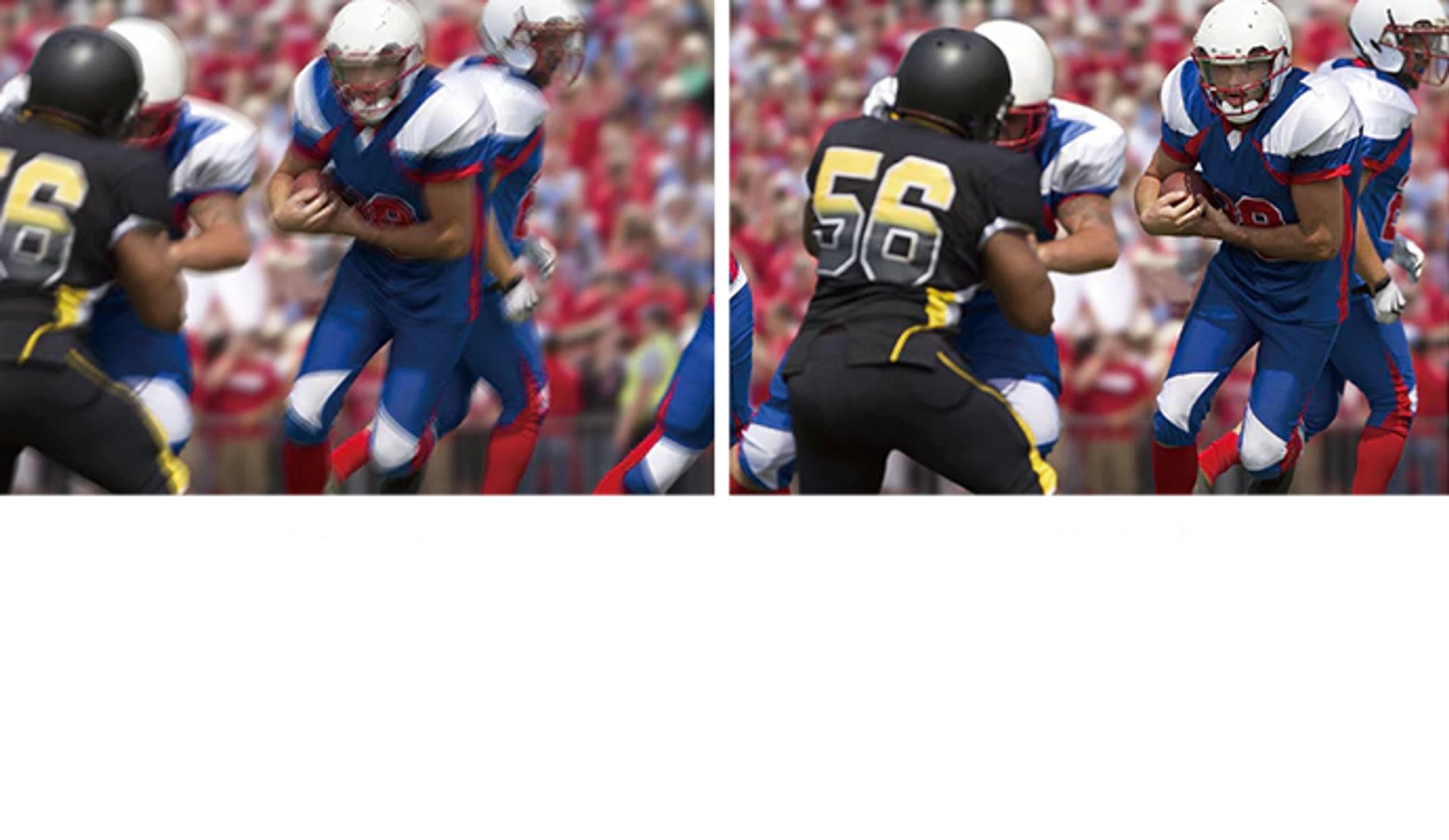
The X1 Ultimate processor, adapted for projectors, uses the image processing algorithms from Sony’s high-end televisions. It handles upscaling of Full HD content to 4K with convincing detail, a useful function since most TV broadcasts and sports events are still delivered in 1080p.
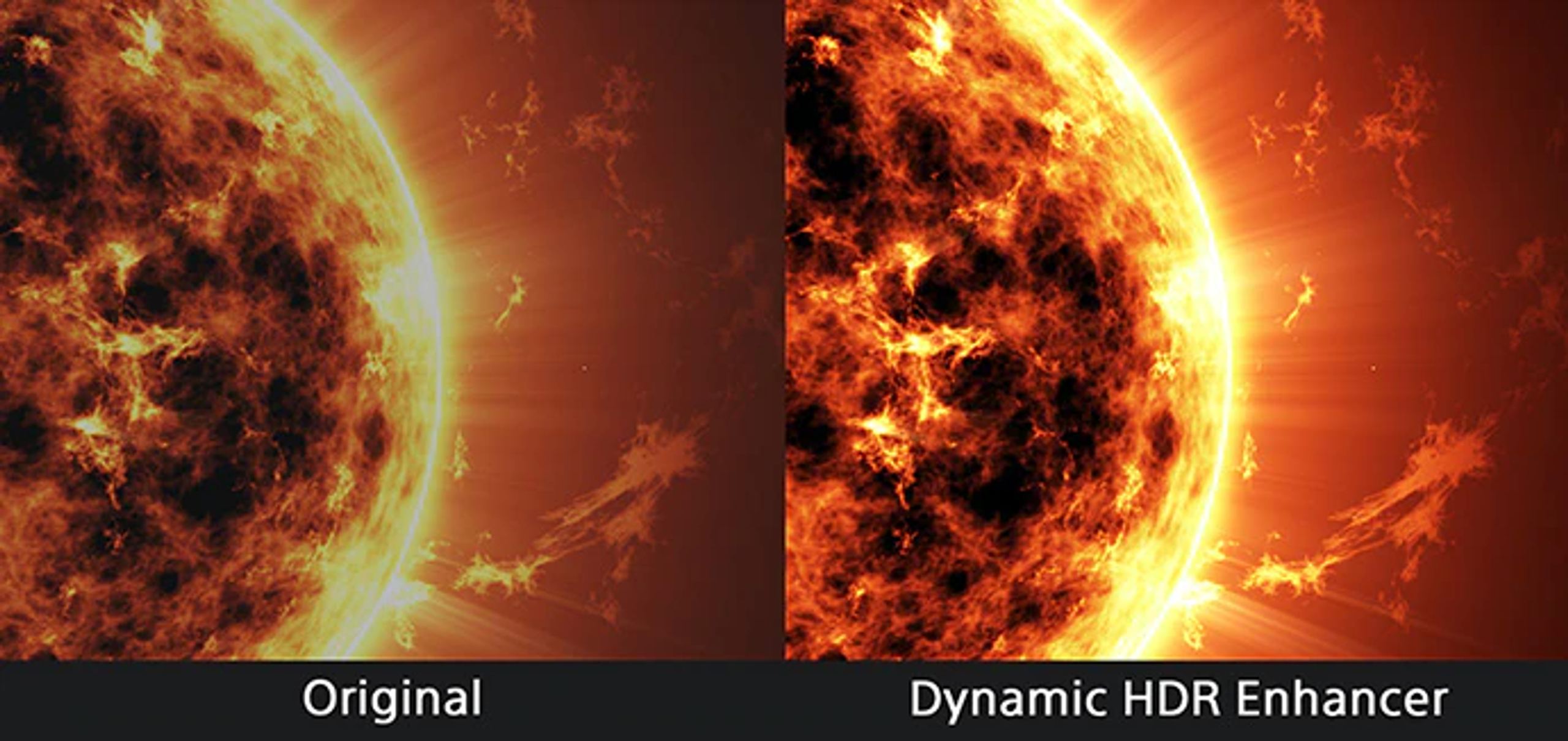
HDR processing analyzes each object in the image to optimize contrast and color separately. Dynamic HDR Enhancer adjusts tone mapping scene by scene, preserving detail in highlights without crushing shadows. HDR10 and HLG formats are supported, but not HDR10+, which would require HDMI 2.1 connectivity that this model does not have.
The Reality Creation feature enhances perceived sharpness by analyzing textures. Overly aggressive settings can bring out video noise in some compressed content; it’s better to start with moderate values and fine-tune according to the source.
TRILUMINOS PRO colorimetry
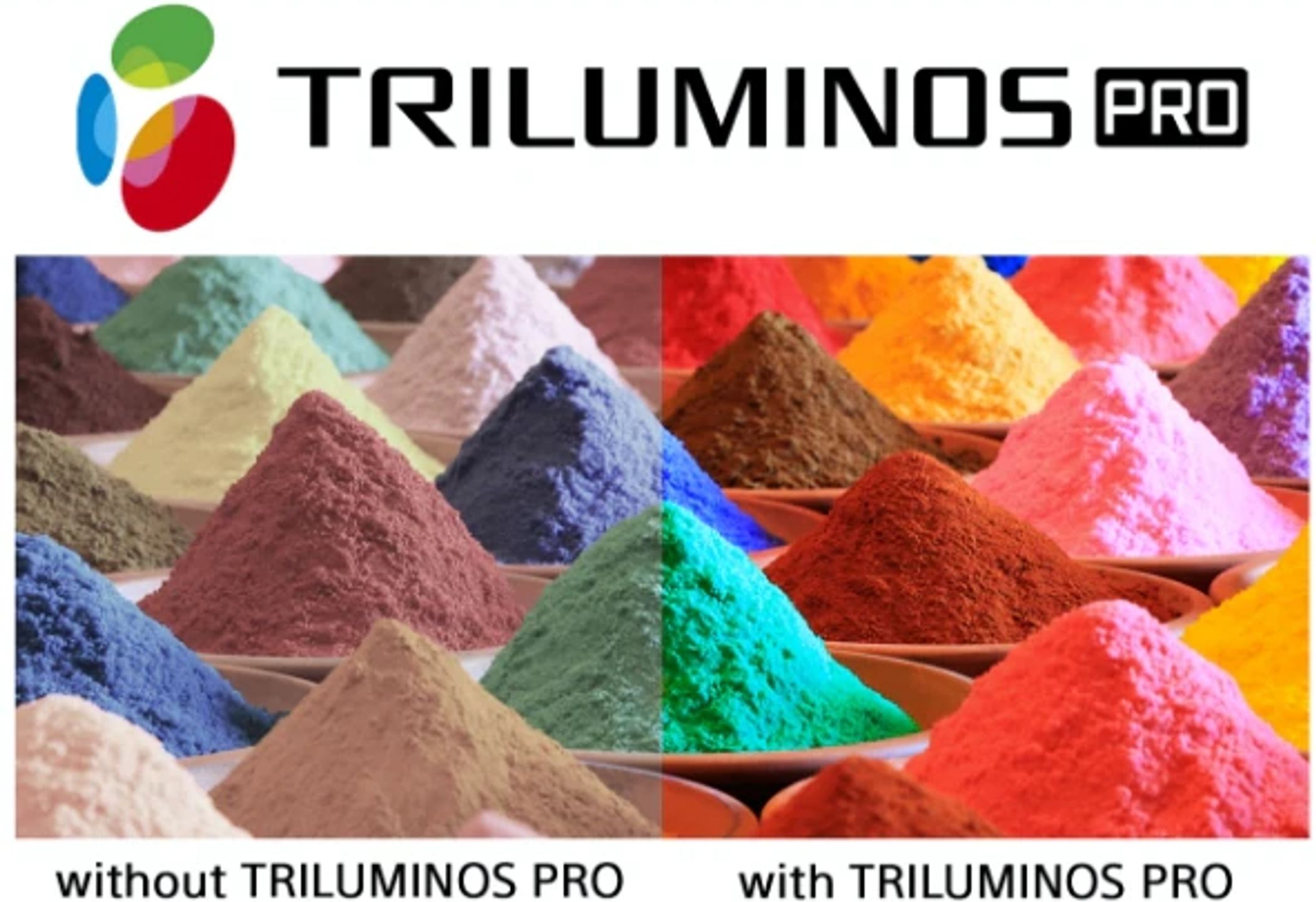
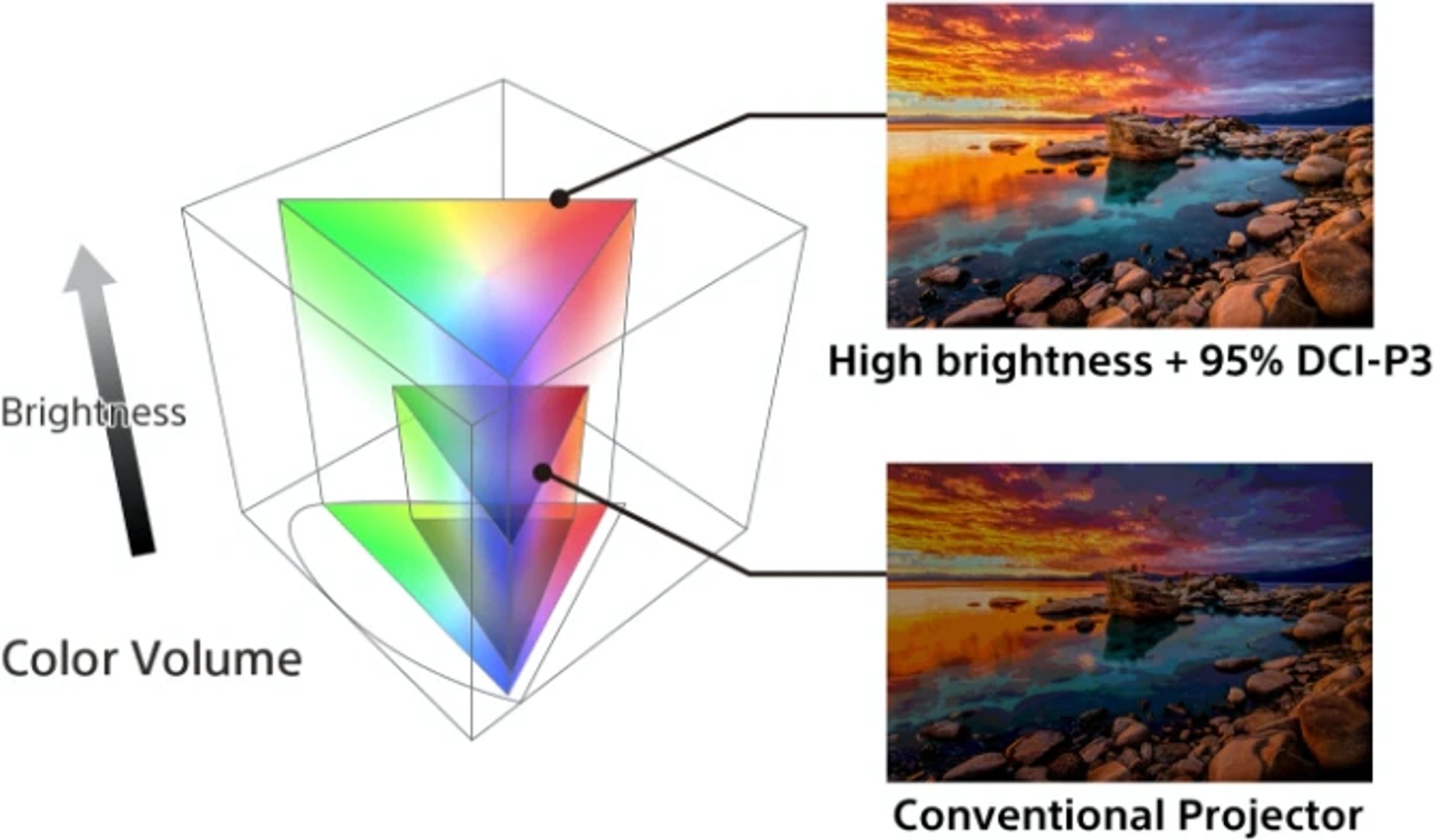
The TRILUMINOS PRO algorithm calculates the saturation, hue, and brightness of each color to reproduce natural shades. Sony claims 95% coverage of the DCI-P3 color space, but independent measurements put this figure closer to 80–85%, depending on the unit and settings. That is respectable for this price range, even though the higher-end XW7000ES performs slightly better.
The factory-calibrated Reference mode for the Rec.709 standard delivers accurate images right out of the box. Professional calibration is still recommended to fully exploit the projector’s potential, especially since with a stable laser source, a single calibration is enough for the entire lifespan of the device.
Installation and manual adjustments
The hybrid glass-plastic lens is inherited from Sony’s HW (Full HD) range. Zoom, focus, and lens shift are adjusted manually using rings and dials on the chassis. The zoom provides a 1.6× factor and the throw ratio ranges from 1.38:1 to 2.21:1. For an image 2.50 m wide, the projector should be positioned between 3.45 and 5.53 m from the screen.
Vertical lens shift reaches ± 71% and horizontal ± 25%, providing some flexibility to offset the image if the projector cannot be perfectly centered. However, these values remain lower than those of the motorized models in the higher range.
The lack of motorization also means there are no lens position memories. Users of 2.35:1 screens with masking will not be able to switch automatically between multiple configurations. This is a trade-off Sony has made in order to keep the price down.
Connectivity and home automation integration
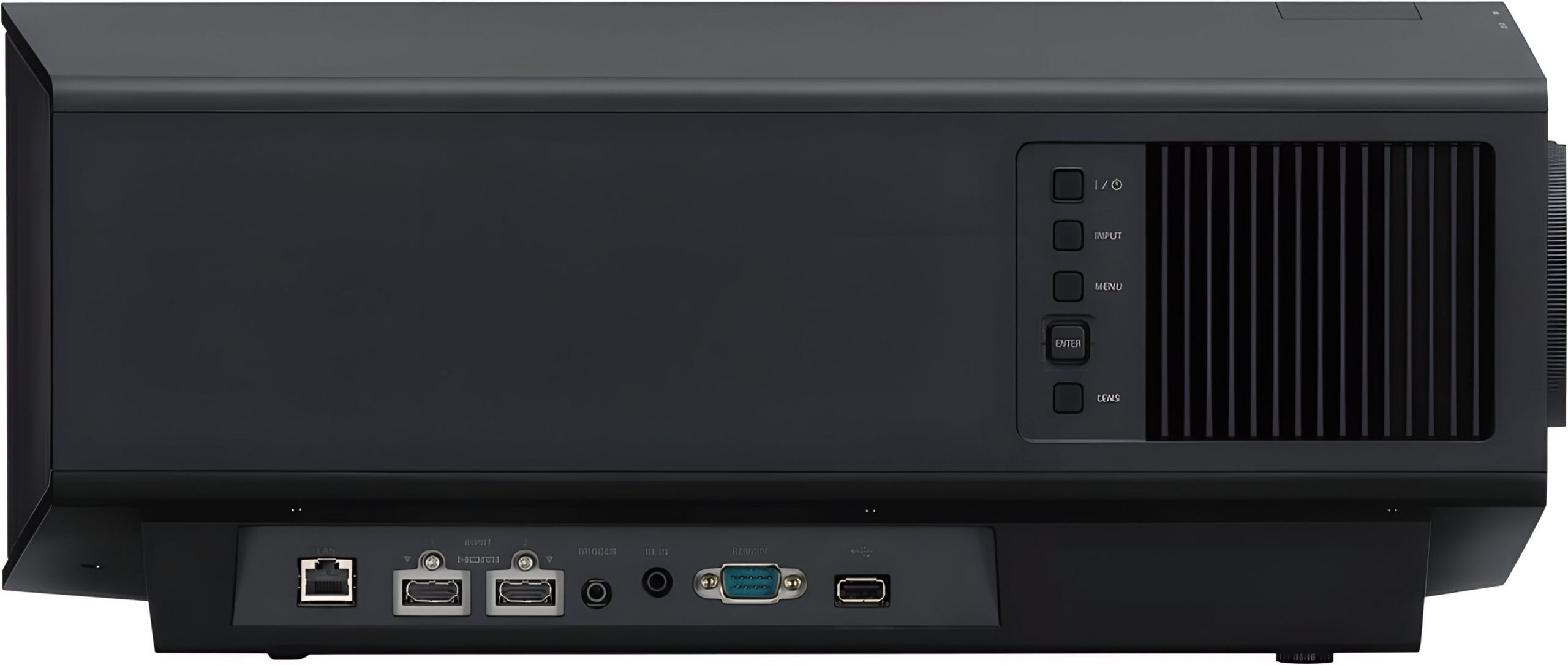
The connection panel, located on the left side, includes two HDMI 2.0b inputs with HDCP 2.3 compatibility, an Ethernet port for network control, an RS-232C port for integration with home automation systems, a 12 V trigger to control a motorized screen, and an external IR input. A USB port provides 5 V / 500 mA power for a streaming dongle but does not support multimedia file playback.
The VPL-XW5000ES is compatible with Control4, Crestron, Savant, and AMX systems, and supports OvrC and Domotz monitoring platforms.
Gaming performance
The low-latency mode reduces input lag to around 20 ms in 4K/60 Hz and 12 ms in 1080p/120 Hz. These values are suitable for most games, even though they remain higher than those of dedicated monitors. The absence of an HDMI 2.1 port prevents 4K/120 Hz: gamers must choose between maximum resolution at 60 frames per second or increased smoothness in Full HD.
3D is not supported on this model. Fans of stereoscopic content will need to look at the XW7000ES, which is compatible via an optional external emitter.
Low noise levels
Sony specifies 24 dB in standard operation. In practice, fan noise remains unobtrusive even with laser power at maximum, although sound intensity increases noticeably between “Laser 0” and “Laser 100” settings. The unit can be ceiling-mounted without disturbing viewing, as long as viewers are not directly underneath it.