
Lambert
Excellent DAC for its price
Comment from May 17, 2026 — Experience from March 06, 2025
Automatically translated — Show original (French)
Excellent DAC pour son prix
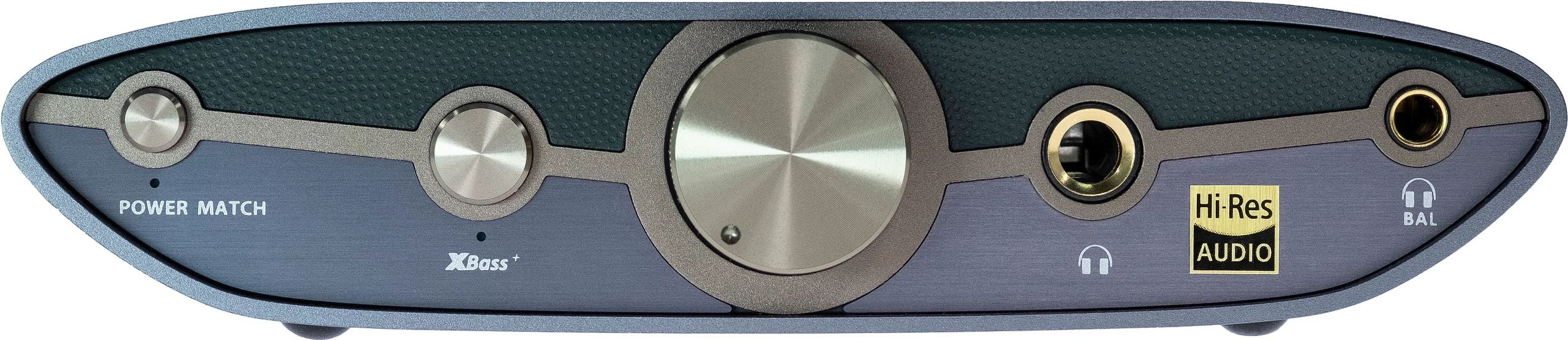
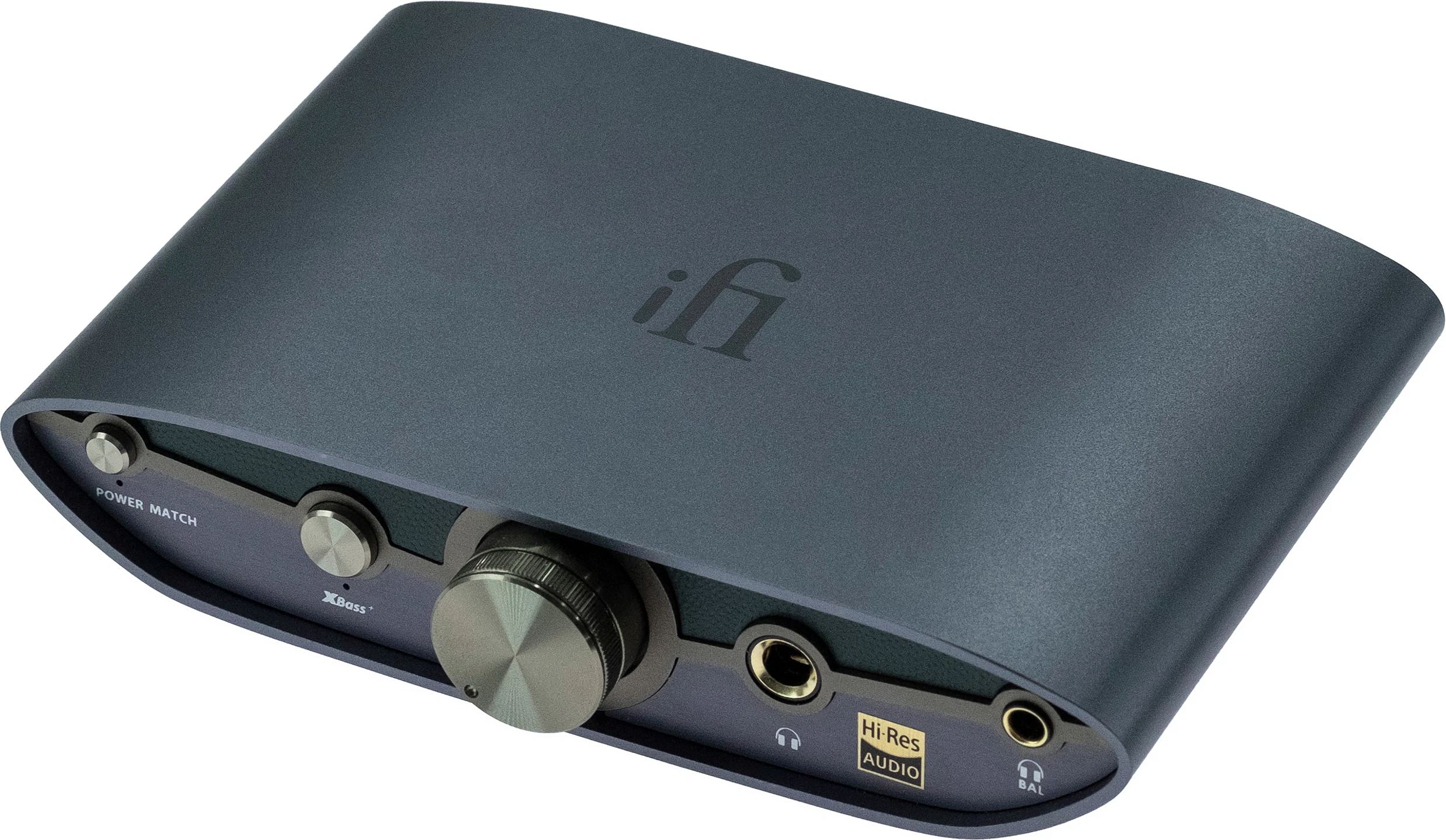
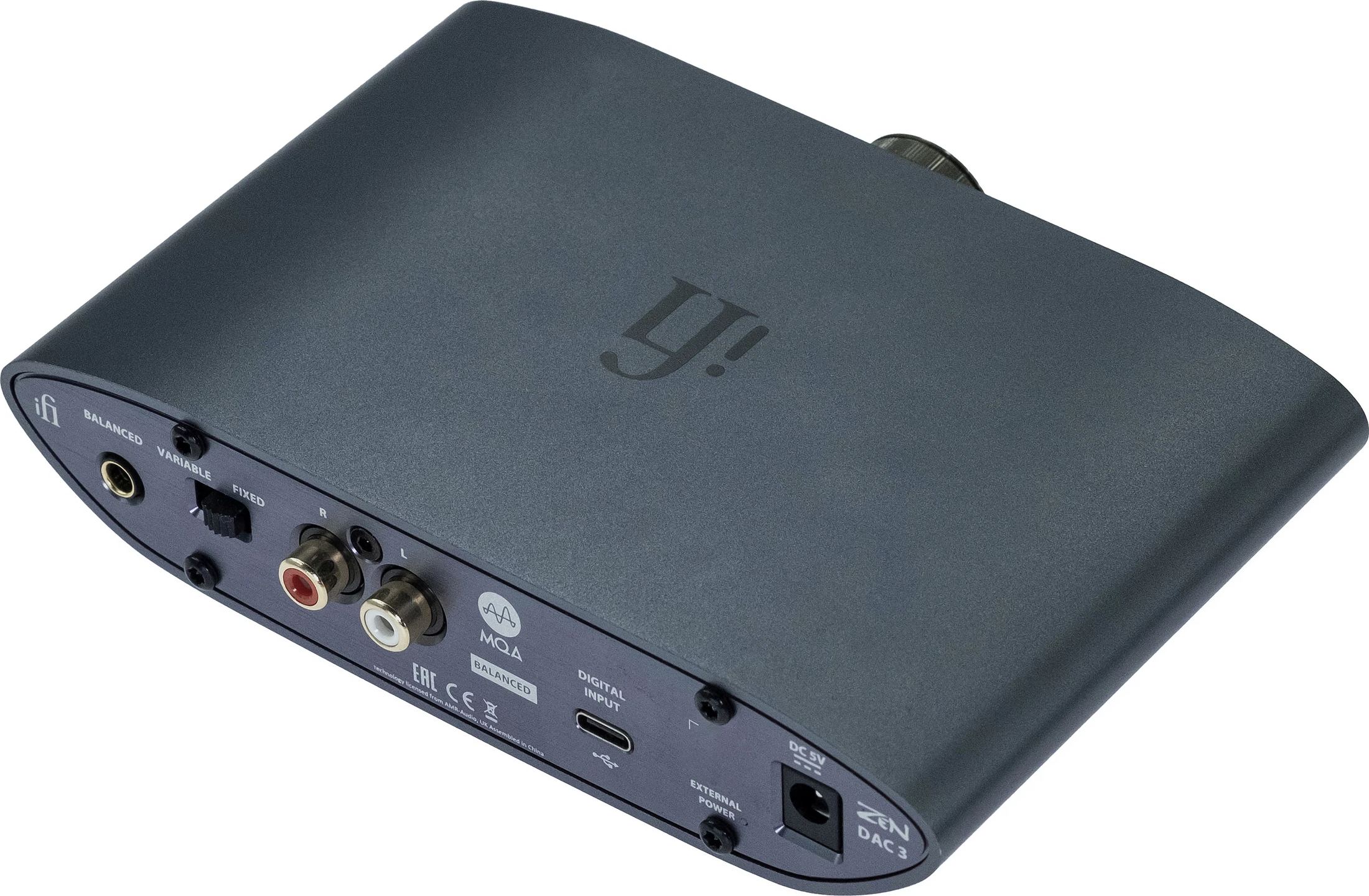


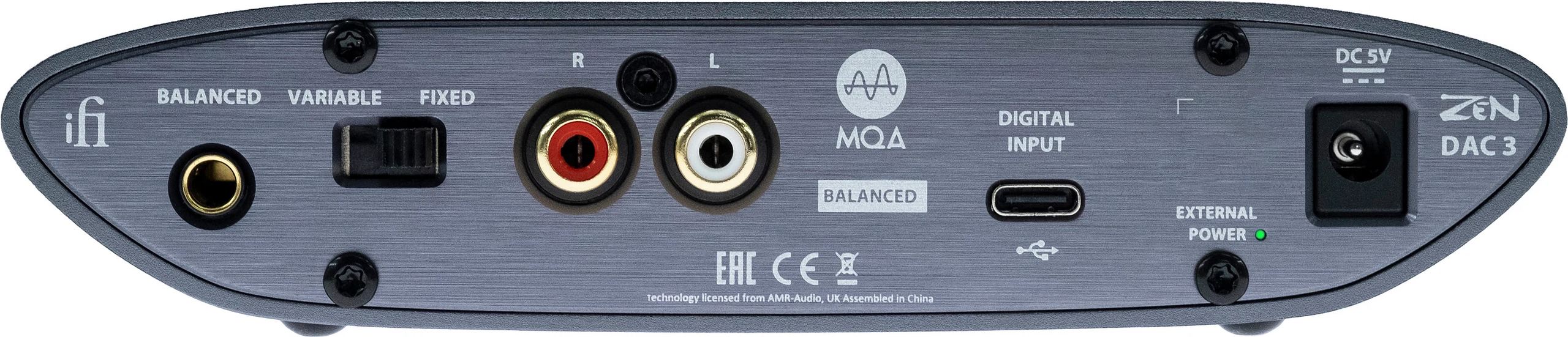
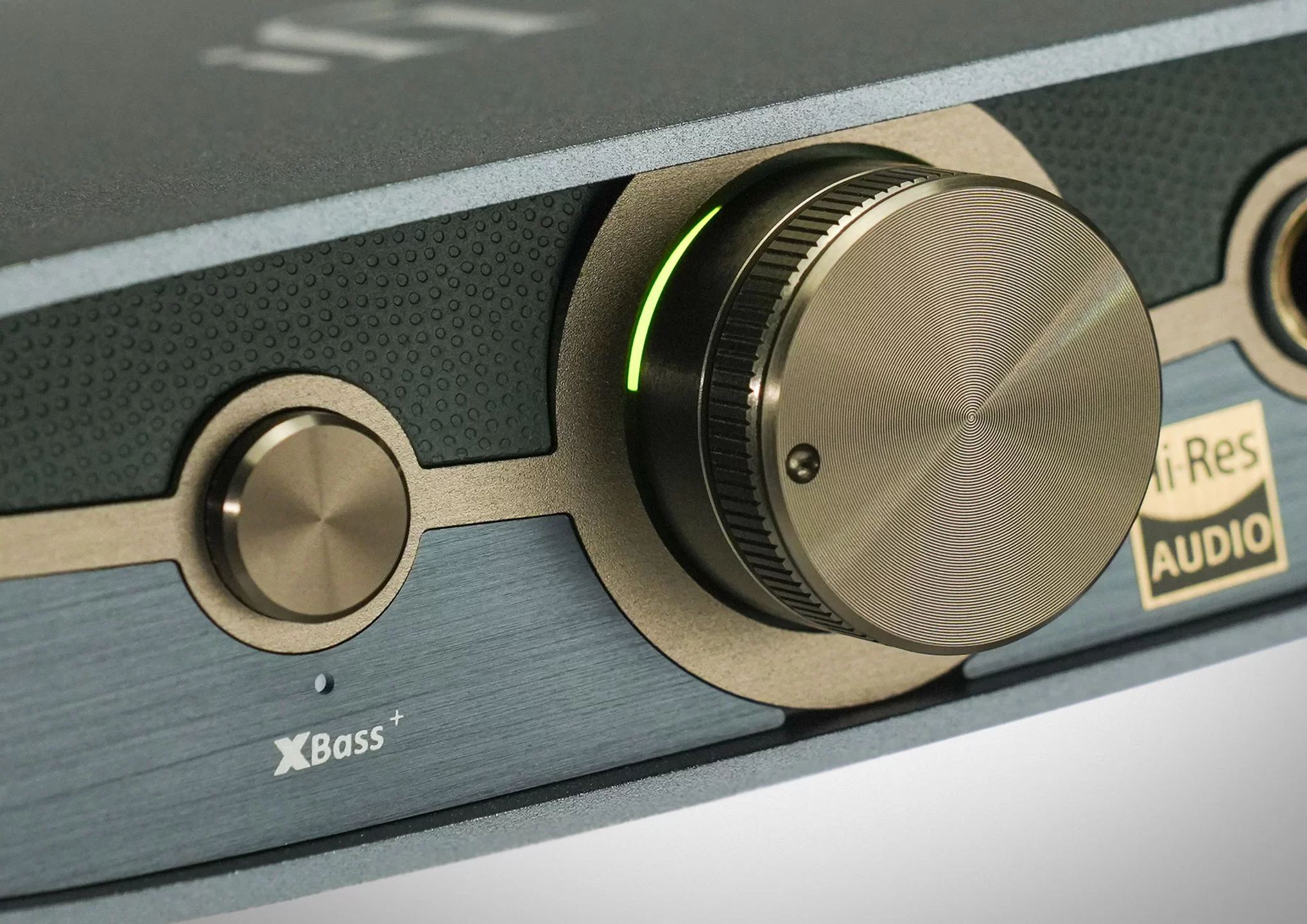

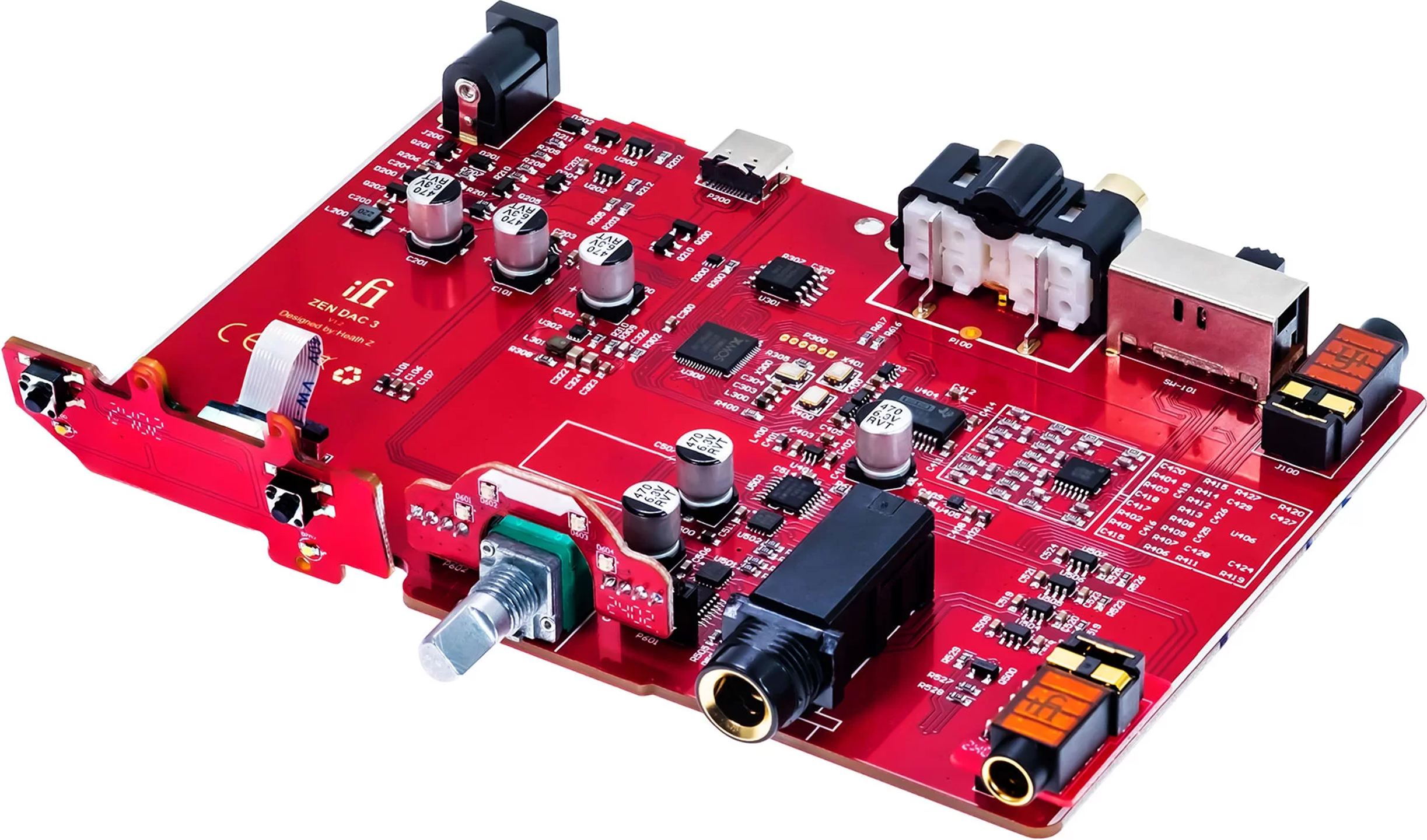
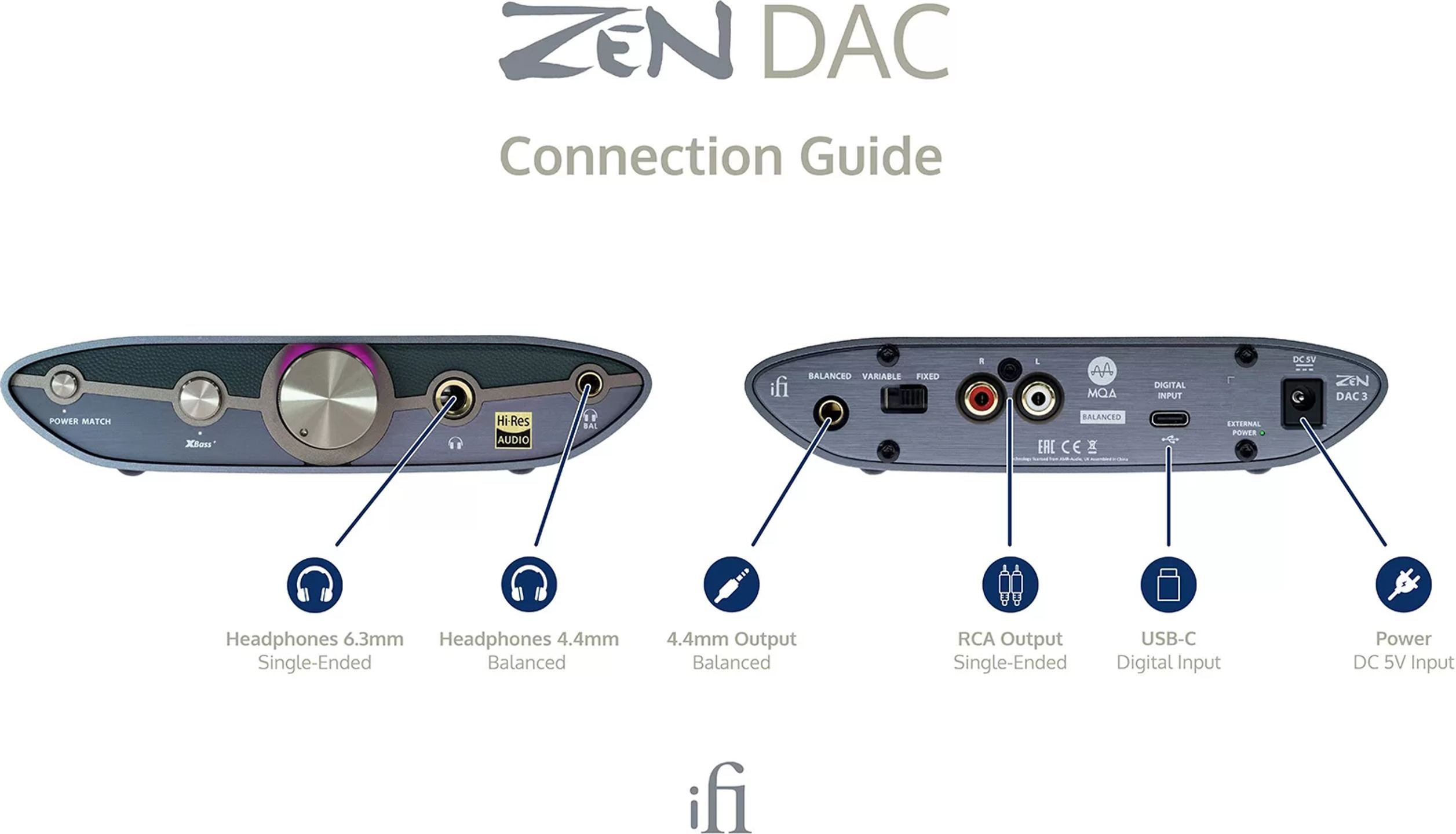
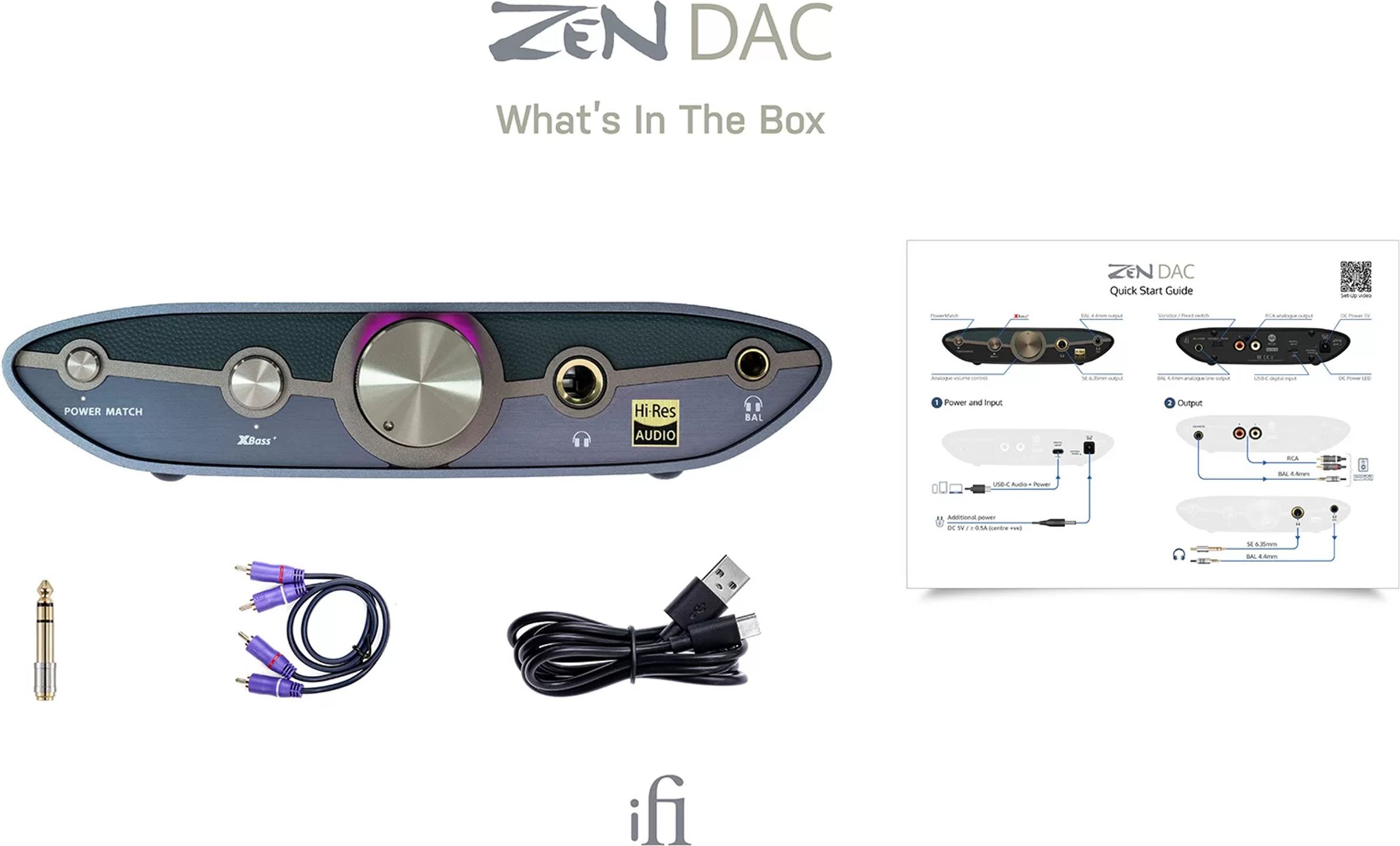


The Zen DAC 3 is the third generation of the compact digital-to-analog converter developed by iFi Audio. This model incorporates the experience gained from previous versions and uses selected audiophile components to ensure seamless connection between digital sources and an audio system.
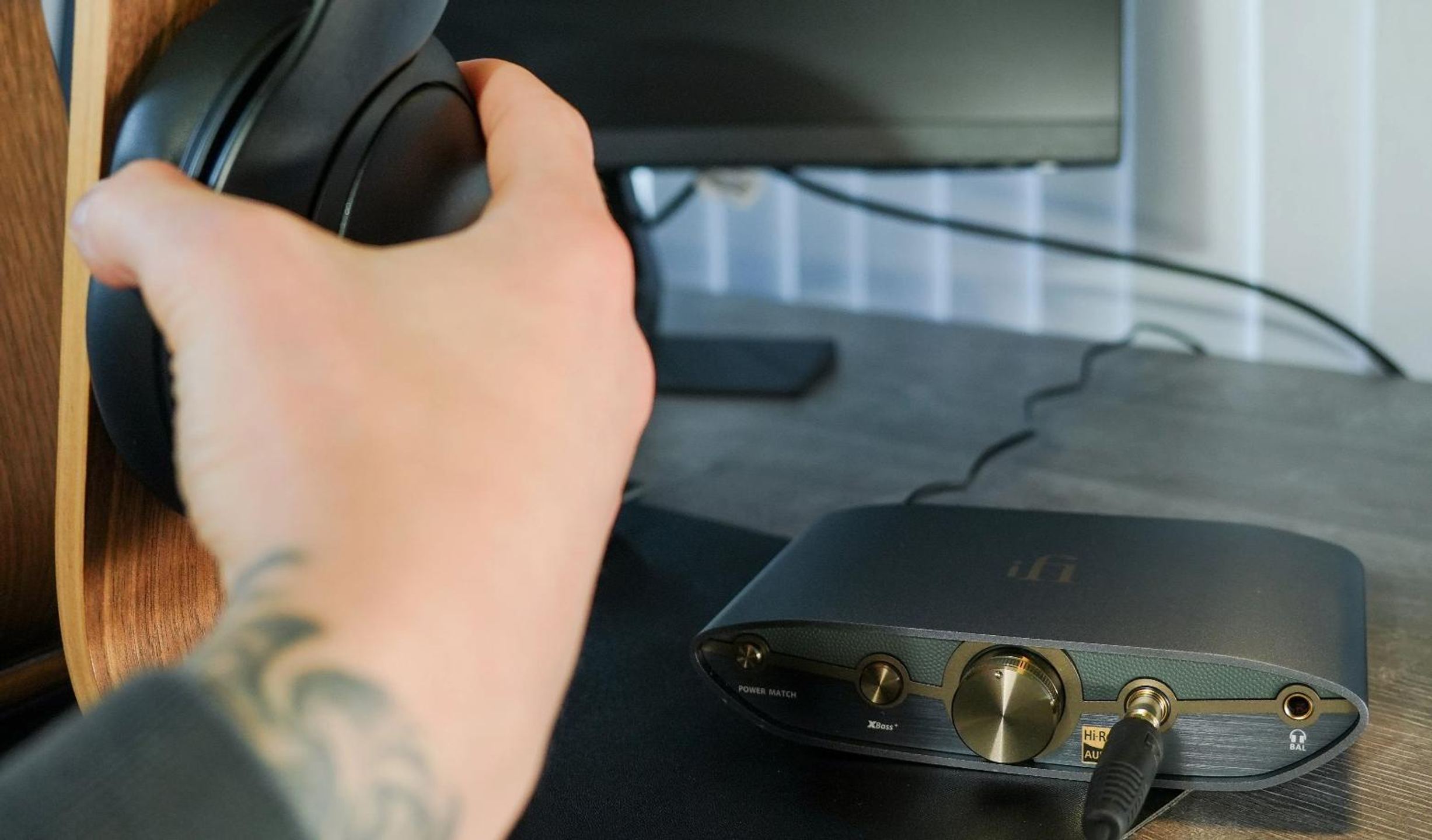
The Zen DAC 3 abandons the monochrome sobriety of its predecessors in favor of a sophisticated two-tone aesthetic. Its thick aluminum chassis now sports a bluish “gunmetal” finish on its lower section, while the upper half of the front panel features a dark gray leather-like texture dotted with points. The Power Match and XBass+ buttons, as well as the central volume knob, are adorned in a golden bronze hue (“Sunlit Bronze”) that lends the unit a distinctly premium look.
This visual evolution in no way compromises the legendary robustness of the Zen series. The compact dimensions (158 × 115 × 35 mm) and modest weight (456 g) allow for seamless integration on any desk, while preserving the distinctive curved shape that defines the range’s identity. The all-metal construction ensures exemplary durability and natural heat dissipation — the device remains perfectly cool even after hours of intensive use.
At the heart of the Zen DAC 3 beats a Burr-Brown DAC customized by iFi Audio, the fruit of decades of expertise in digital conversion. This chip, stemming from the historic collaboration between Burr-Brown and Texas Instruments, benefits from a four-channel True Native architecture that preserves signal integrity, whether PCM or DSD. Each format follows its own processing path, ensuring “bit-perfect” conversion all the way to the analog output.
The latest-generation 16-core XMOS processor (2000 MIPS with 512 KB of internal memory) orchestrates decoding with minimal latency. This processing power allows the Zen DAC 3 to handle the most demanding formats with ease: PCM up to 768 kHz at 32-bit, native DSD512, and DXD up to 768 kHz. The GMT (Global Master Timing) clock, improved for this third generation, drastically reduces jitter, those micro timing variations that can affect playback accuracy.
The move to USB-C marks an important step in the evolution of the Zen DAC. This modern interface not only provides better bandwidth for high-resolution audio signals but also integrated surge protection — a first at this price point. The USB-C port handles both power and data transfer simultaneously, greatly simplifying cabling.
The rear panel offers comprehensive connectivity with unbalanced RCA line outputs and a balanced 4.4 mm Pentaconn output. A switch lets you toggle between fixed mode (for connection to an amplifier) and variable mode (for active speakers), turning the Zen DAC 3 into a quality preamplifier. This flexibility goes well beyond that of competing converters like the AudioQuest DragonFly Cobalt, which is limited to a single headphone output.
The integrated amplification stage delivers up to 390 mW into 64 ohms in balanced mode (4.4 mm output) and 210 mW into 32 ohms in unbalanced mode (6.35 mm output). These figures may seem modest on paper, but the remarkably low output impedance (≤ 1 Ω) ensures optimal control across a wide range of headphones, from sensitive in-ears to 600-ohm over-ear models.
The PowerMatch function, inherited from previous generations, adjusts gain for more demanding headphones. This analog approach avoids digital artifacts while preserving signal dynamics. The 109 dB signal-to-noise ratio and total harmonic distortion below 0.005% in balanced mode attest to a meticulous design where each stage has been optimized to minimize noise and coloration.

The shift from TrueBass to XBass+ is one of the major improvements in this third generation. This purely analog circuit restores low frequencies often attenuated by open-back headphones, without resorting to digital signal processing. The result? A remarkably natural bass extension that enriches listening without distorting tonal balance.
The XBass+ implementation in the Zen DAC 3 is more pronounced than on other iFi products like the Gryphon or the Hip-DAC. This generosity can be appealing for party listening or recordings lacking body, though some users may prefer to disable it for critical sessions. The beauty lies in the instant choice available via a simple front-panel button.
The Zen DAC 3 perpetuates iFi Audio’s sonic philosophy: a slightly warm presentation that prioritizes listening pleasure without sacrificing resolution. This subtle coloration, characteristic of Burr-Brown converters, manifests as an especially expressive midrange where female vocals gain emotional presence and acoustic guitars gain texture.
The soundstage impresses with its spatial organization. While intimate in absolute width and depth, it offers precise instrument separation and remarkably stable stereo imaging. Ambient microphones are clearly locatable, and the natural reverberations of concert halls are faithfully reproduced. This ability to create a coherent sonic bubble turns headphone listening into a truly immersive experience.
The Zen DAC 3 excels with an impressive variety of transducers. Open-back headphones like the Sennheiser HD650 or the HiFiMAN Edition XS reveal the converter’s full harmonic richness, while sensitive in-ears benefit from the particularly low noise floor. Even the Beyerdynamic DT770 Pro 250-ohm, known to be hard to drive, sound authoritative and controlled.
The absence of a power on/off switch may initially be surprising, but this “always-on” design has advantages: instant availability, no power-on transients, and negligible power consumption (0.5 W at idle). For purists wishing to further optimize performance, adding an external iFi iPower2 power supply (sold separately) allows complete decoupling of power from the USB signal, further reducing the already exemplary background noise.
No driver is required for basic use on Windows, macOS, or Linux. The Zen DAC 3 works plug-and-play thanks to its USB Audio Class 2 compliance. However, downloading iFi’s proprietary driver from their official website unlocks advanced features like manual sample rate selection and buffer adjustments to optimize latency.
The balanced output objectively offers more power (390 mW vs 210 mW into 32 ohms), better channel separation, and a higher output level. Comparative listening reveals a more dynamic and punchy presentation in balanced mode, especially audible in complex orchestral passages. To fully exploit the Zen DAC 3’s potential, investing in a 4.4 mm balanced cable is justified.
While the Zen DAC 3 performs admirably on USB power alone, the iPower2 brings measurable improvements: more than 10 dB reduction in background noise, complete disappearance of any electromagnetic interference, and a slight improvement in dynamics. These gains remain subtle and depend heavily on the quality of your computer’s USB power. For an already optimized system, the improvement will be marginal.
Technical improvements include expanded format support (PCM 768 kHz vs 384 kHz, DSD512 vs DSD256), USB-C with surge protection, and the XBass+ circuit which is more effective than TrueBass. Paradoxically, the V2 retains a slight advantage in signal-to-noise ratio (113 dB vs 109 dB) and sounds subjectively punchier on dynamic music. The choice will depend on your priorities: modernity and versatility for the 3, or a more assertive character for the V2.
With 70 mW into 600 ohms in balanced mode, the Zen DAC 3 comfortably handles most high-impedance dynamic headphones. For power-hungry planars like the HiFiMAN HE6 or Audeze LCD-4, output remains insufficient to fully realize their potential. However, more recent and efficient planars (Sundara, Edition XS, Dan Clark Aeon) sound remarkably good, benefiting from the exemplary control and low output impedance.
With Tidal gradually phasing out MQA in favor of high-resolution FLAC, this feature is losing relevance. Nevertheless, the integrated hardware decoder remains useful for the extensive existing MQA catalogs and certain labels that continue to offer this format. The Zen DAC 3’s ability to decode MQA natively without software ensures optimal performance for these files.
All Zen DAC 3 outputs remain active at all times. This design enables creative setups (headphones + subwoofer, for example) but requires physically unplugging headphones when using the line outputs. The absence of switching relays eliminates any risk of clicks or signal degradation, at the cost of this manual step.
Lambert
Excellent DAC for its price
Comment from May 17, 2026 — Experience from March 06, 2025
Dominique
Excellent value for money.
Quality construction.
Works very well for this price.
Highly recommended!!!
Comment from October 30, 2025 — Experience from September 29, 2025
Thierry
The DAC is connected to a fanless PC running Audirvana (Windows 10) on the source side and to the fixed line output on the integrated amplifier side. It’s a “very musical” DAC, no doubt thanks to the latest-generation Texas chip, though the exact reference is unknown (TAD5112?).
I also use a 5V power bank to power it, which helps raise the output level a bit. Listening with Sennheiser’s HD800S headphones is also of very high quality on the 4.4mm balanced output with the power bank.
I also tried the variable line output mode with a power amplifier, and it’s very good as well.
In conclusion: a product with an unbeatable price-to-performance ratio that would have been unthinkable just a few years ago...
Comment from May 28, 2025 — Experience from May 16, 2025
