Claude
Excellent for the price!
Comment from May 26, 2026 — Experience from May 07, 2026
Automatically translated — Show original (French)
Excellent pour le prix !
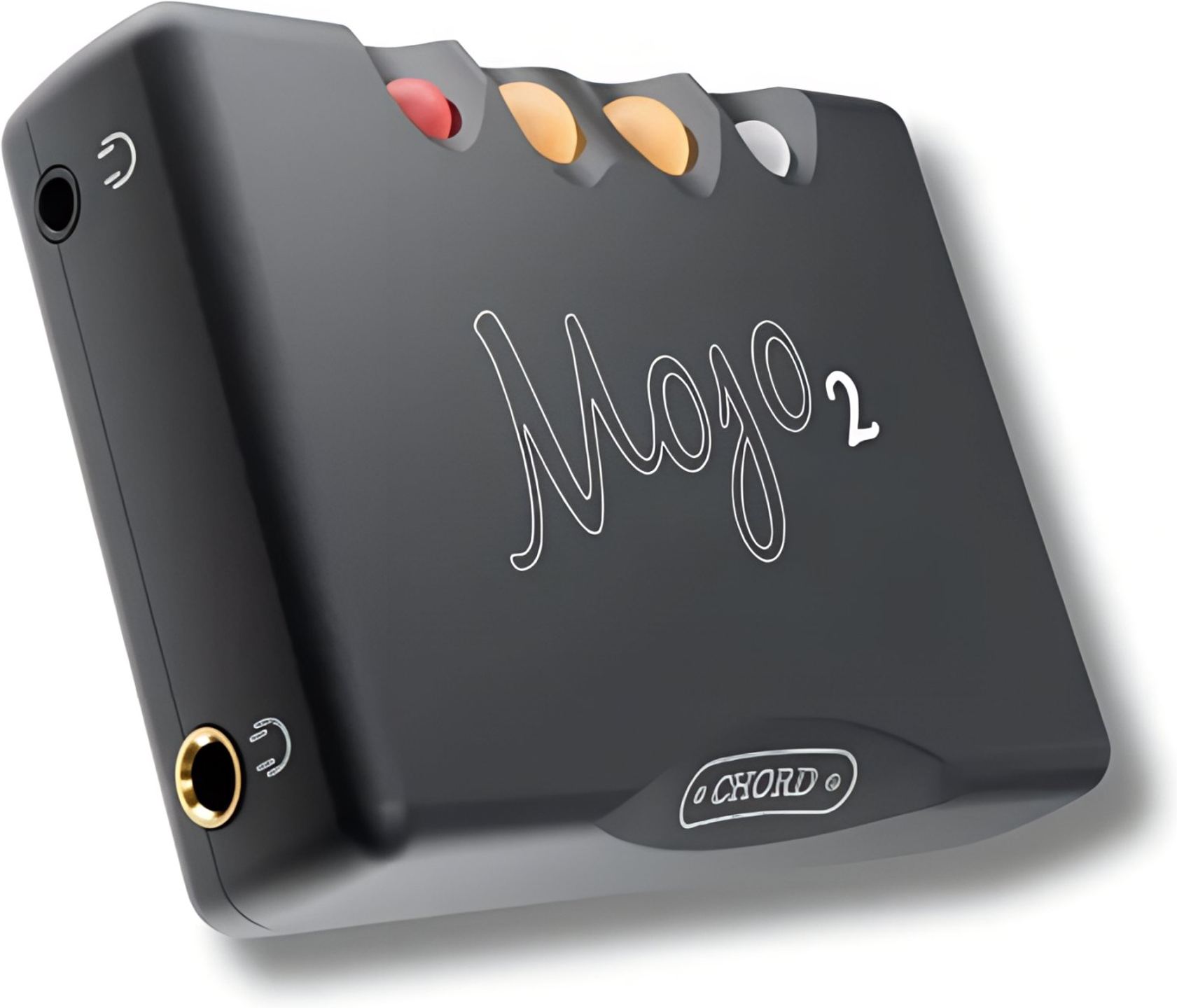
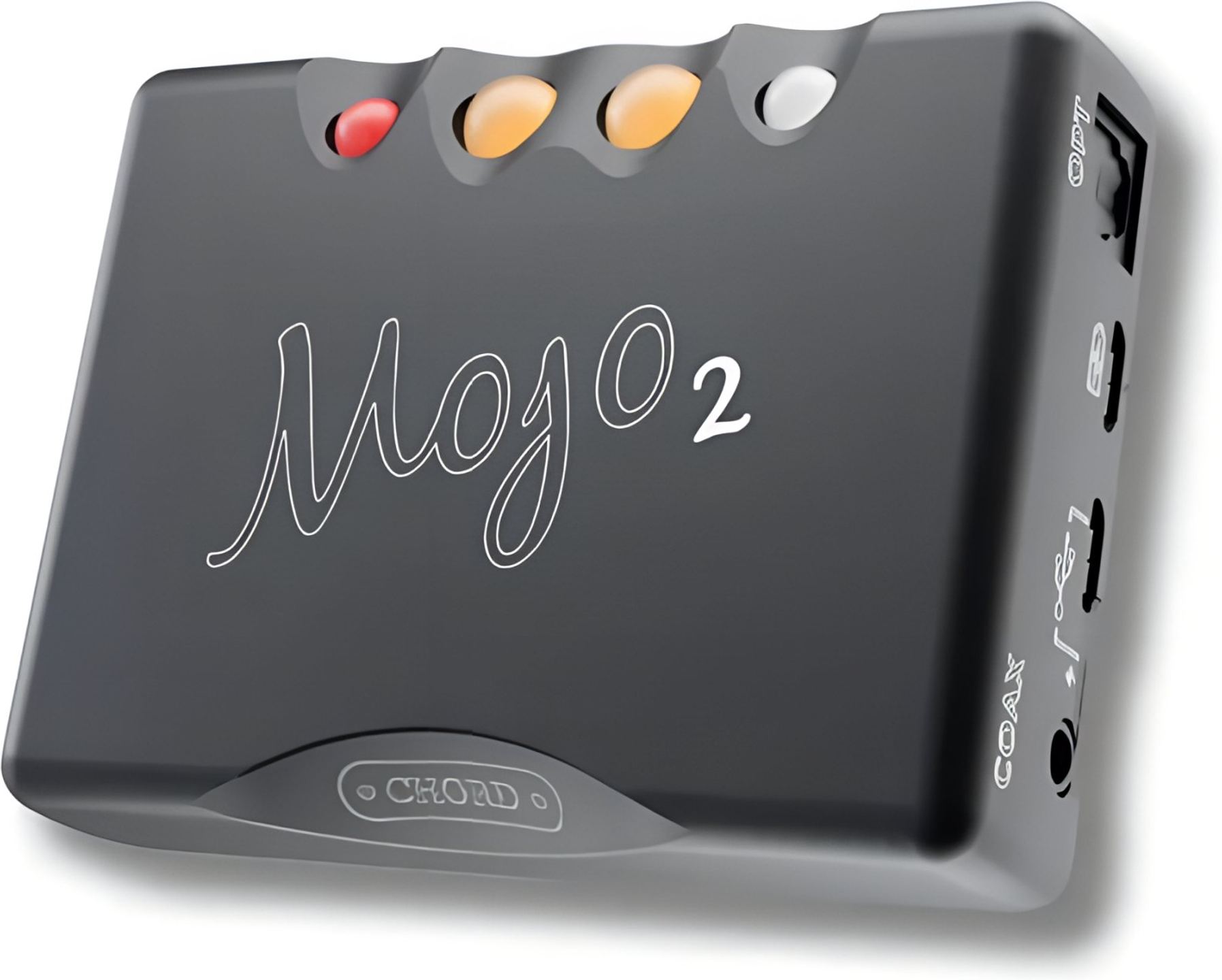
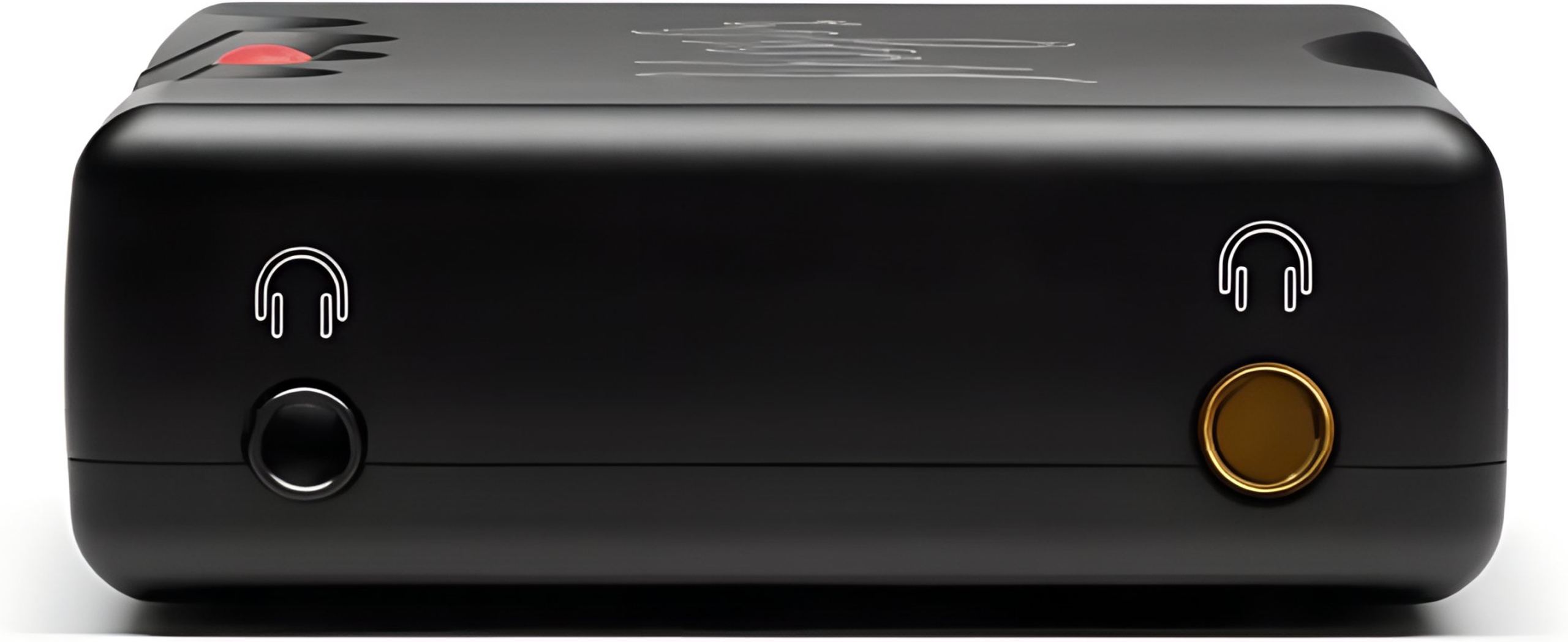


The Chord Electronics Mojo 2 4.4 is the long-awaited evolution of the British brand’s famous portable audio converter. This updated version retains all the technologies that made the device’s reputation — proprietary FPGA processor, lossless 104-bit UHD DSP, 40-core WTA filtering — while addressing two long-standing user requests: the addition of a 4.4 mm headphone output and the ability to charge via USB-C.

The Mojo 2 4.4 keeps the compact format that made the range so successful: 83 × 62 × 22.9 mm for a weight of 185 grams. The chassis is CNC-machined from a block of aerospace-grade aluminium, then bead-blasted and black anodized. This monobloc construction ensures structural rigidity and electromagnetic shielding of the internal circuits.
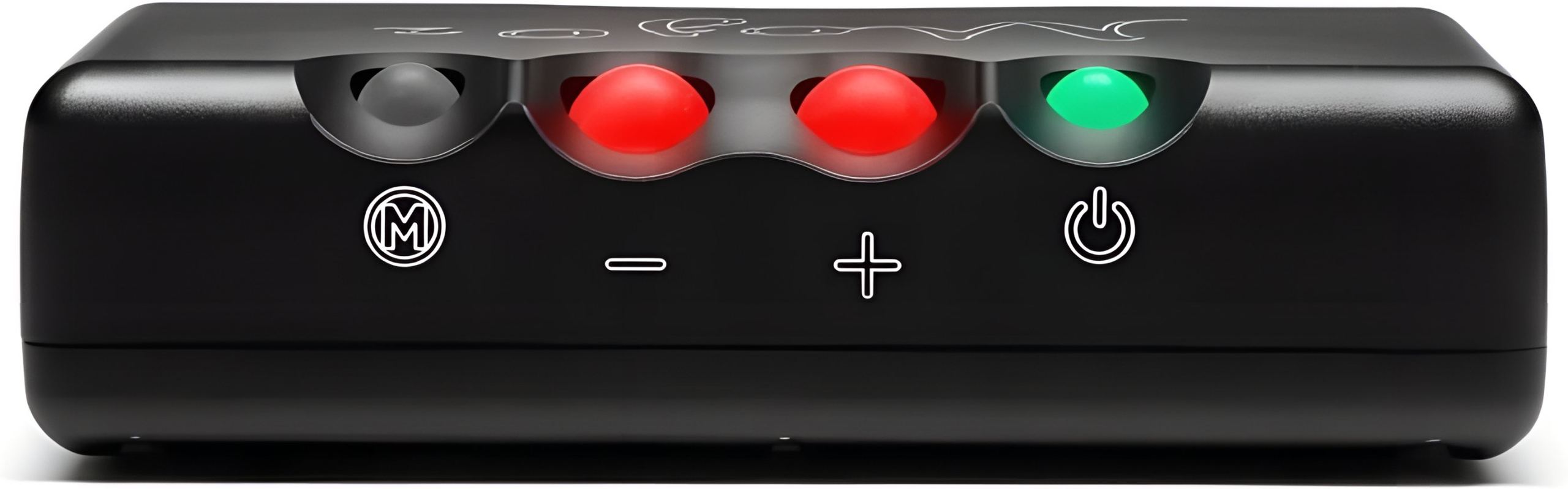
Control is via four translucent polycarbonate spheres, illuminated by LEDs according to a polychromatic colour code. Two large spheres control the volume, while the two smaller ones respectively control power and access to the menu. This latter button, added on the Mojo 2 compared with the first generation, provides access to advanced functions: equalization, crossfeed, control lock, LED brightness, and USB-C charging management.
The control spheres are now fixed, unlike on the first Mojo where they could rotate freely — a source of rattling that some users found annoying. The colour code, although confusing at first, follows a rainbow logic: from red (bass) to blue (treble) for equalization, and from red (44.1 kHz) to white (DSD) to indicate sampling frequency.
The most visible change on the Mojo 2 4.4 concerns the front panel: one of the two 3.5 mm jack outputs has been replaced by a 4.4 mm Pentaconn socket. This format, adopted by many high-end headphones and earphones, allows direct use of balanced-terminated cables without an adapter.
One technical point is worth clarifying: the Mojo 2’s internal analogue signal path remains single-ended. Conversion to a signal compatible with 4.4 mm connectors takes place at the socket itself. We therefore speak of a “pseudo-balanced” output rather than a truly balanced end-to-end architecture. This approach nevertheless offers the practical advantages of the 4.4 mm connector: compatibility with existing cables, better mechanical robustness, and ease of use.
Another practical improvement: each output now has its own volume memory. You can therefore connect in-ear monitors to the 3.5 mm jack and an over-ear headphone to the 4.4 mm socket without having to readjust the volume level every time you switch.
On the power side, the USB-C port now handles both audio data and battery charging. This long-requested feature can be enabled in the menu. A small engraved “lightning bolt” symbol above the port identifies units equipped with this function. The micro-USB port is retained to maintain compatibility with the Poly streaming module, which connects directly to this interface.
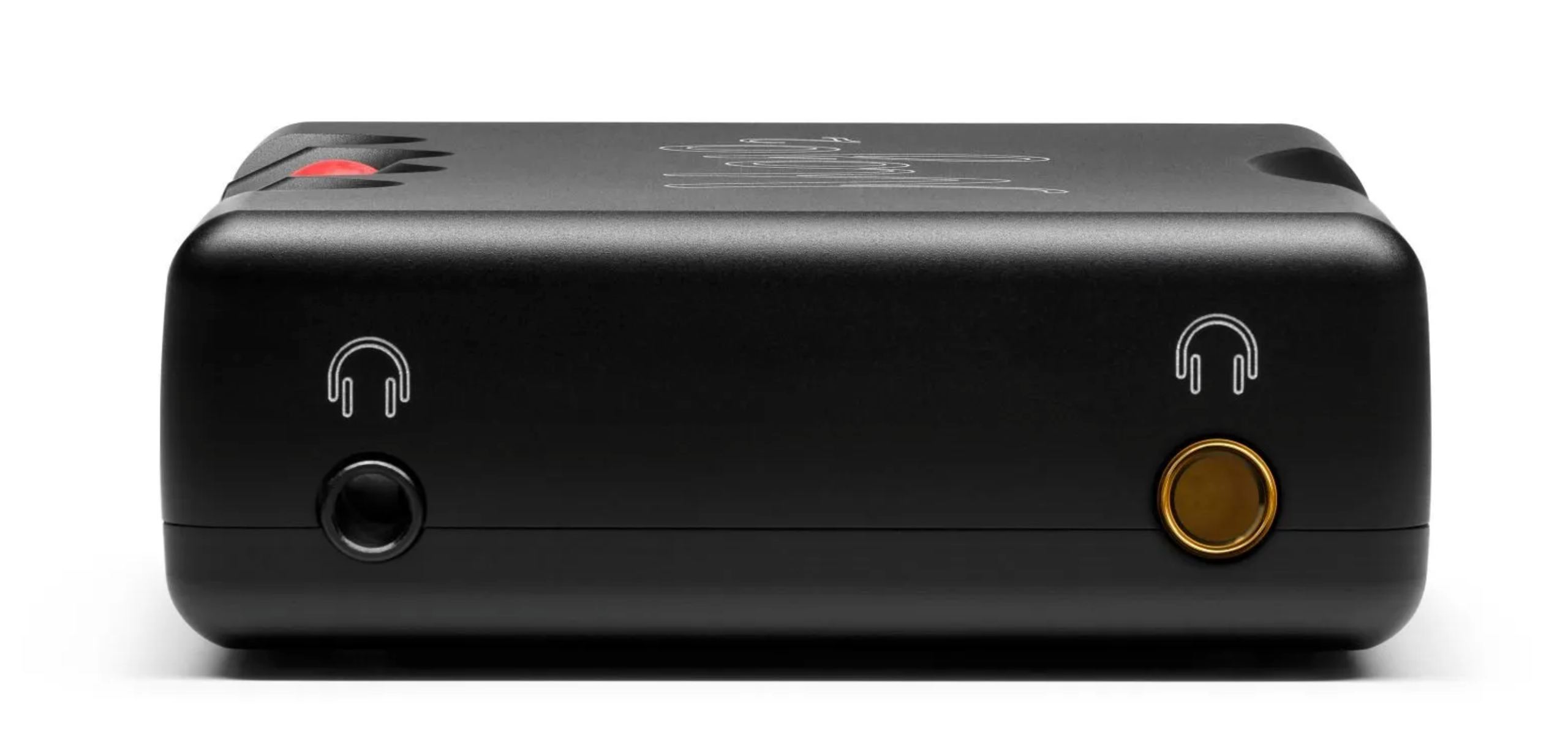
The heart of the Mojo 2 4.4 remains its Xilinx Artix-7 FPGA chip, programmed with Rob Watts’ proprietary code. This architecture embeds 40 DSP cores dedicated to the WTA filter, which uses 40,960 coefficients (“taps”) to reconstruct the original analogue signal from digital samples.
To understand the importance of this figure, note that commercial conversion chips typically use a few hundred coefficients. According to Rob Watts, increasing the number of taps improves transient perception, timbral accuracy, and the spatial localization of instruments. The Mojo 2 oversamples all incoming signals to 2,048 times their native frequency, i.e. a minimum of 90 MHz for a CD file.
The major innovation of the Mojo 2 lies in its UHD (Ultra High Definition) DSP, which Chord presents as the world’s first “lossless” digital signal processor for audio. This means that the applied processing — equalization and crossfeed — does not introduce any measurable degradation of the signal. Internally, the DSP operates at 104-bit resolution and processes the signal at 705.6 or 768 kHz depending on the source file’s base frequency.
The equalizer offers four adjustment bands: sub-bass (maximum effect at 20 Hz), upper-bass/lower-midrange (125 Hz), presence/upper-midrange (3 kHz), and treble (20 kHz). Each band provides 18 1 dB steps, for a ±9 dB range. These shelf settings allow you to compensate for the tonal characteristics of different headphones or adapt to personal listening preferences.
The crossfeed function mixes part of the left channel into the right channel, and vice versa, with a slight time delay. The goal is to recreate a listening experience closer to that of loudspeakers, where each ear hears both channels. Four intensity levels are available, from the most subtle to the most pronounced.
The Mojo 2 4.4 accepts PCM streams up to 768 kHz in 32-bit and DSD up to DSD256 (Quad-DSD) via DoP. Roon Tested certification ensures seamless integration into music playback systems using this software.
The digital inputs cover all current and legacy standards. USB-C handles data up to 768 kHz and can power the device at the same time. Micro-USB provides the same bandwidth and maintains compatibility with the Poly. The optical input is limited to 96 kHz due to inherent TOSLINK format constraints. The coaxial input, via 3.5 mm jack, accepts up to 768 kHz and supports “dual-data” mode for connection with the Hugo M Scaler, Chord Electronics’ external upscaler.
Output power reaches 600 mW into 30 Ω and 90 mW into 300 Ω, measured at 1% distortion. The 0.06 Ω output impedance ensures compatibility with the most sensitive in-ear monitors without altering their frequency response. At the other end of the spectrum, the device can drive headphones with impedances of up to 800 Ω.
Laboratory measurements show an A-weighted dynamic range of 125 dB and a signal-to-noise ratio of 123 dB. Total harmonic distortion plus noise drops to 0.0003% (2.5 V into 300 Ω). Chord Electronics claims an absence of noise-floor modulation, a common artefact in delta-sigma converters that can affect the perception of micro-details.
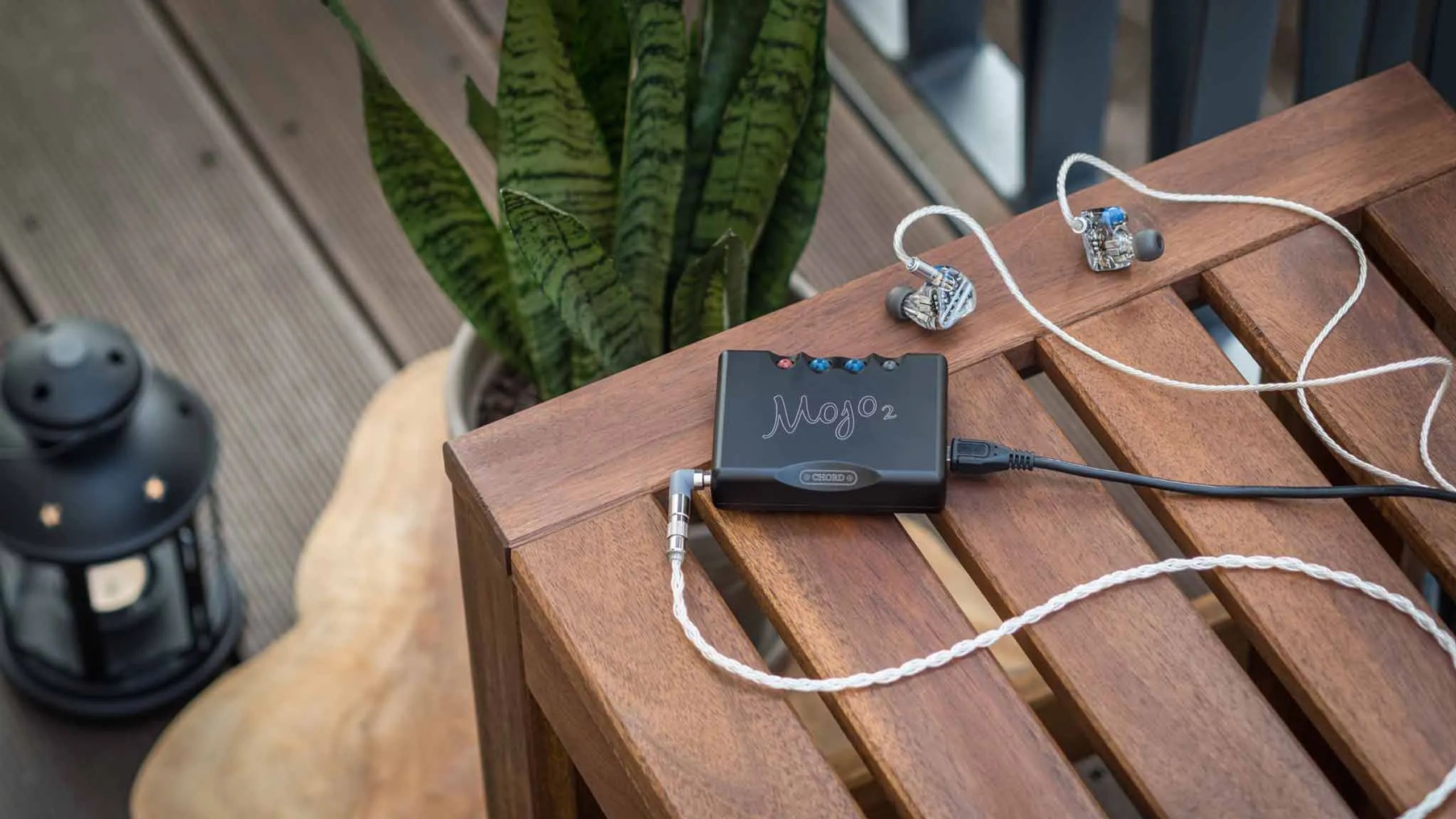
The lithium-polymer battery offers more than eight hours of autonomy in mobile use. The charging system, now managed by the FPGA, reduces energy losses by 75% compared with the previous generation, resulting in faster charging and lower heat dissipation.
The “Intelligent Desktop” mode is a major asset for stationary use. When the device remains permanently connected to a power source, this mode isolates the battery from the main power circuit. The battery is maintained between 75% and 80% of its maximum charge, preserving its lifespan while ensuring sufficient reserve in case of a power outage. This operation also reduces heat generation and improves power filtering.
An LED indicator next to the charging port shows battery status: white for a charge above 75%, green for optimal charging current, yellow for insufficient current (low-power charger), red for current too low for effective charging.
The Mojo 2 4.4 integrates into the Chord Electronics accessory ecosystem. The Poly module, sold separately, attaches directly to the device via the micro-USB port. It transforms the Mojo 2 into a full-fledged network player with Wi-Fi, Bluetooth, AirPlay, DLNA/UPnP compatibility, and a microSD card player. Storage capacity is unlimited (depending solely on the inserted card), and the Mojo 2 + Poly combo remains compact enough to fit in a jacket pocket.
For users seeking even higher playback quality, the coaxial input accepts the “dual-data” signal from the Hugo M Scaler. This external processor uses a WTA filter with more than one million coefficients (1,015,808 taps) to upsample audio files to 705.6 or 768 kHz before sending them to the DAC. The connection requires a dedicated dual-data coaxial cable.
Measured at 1% distortion:
No, the Mojo 2 4.4’s internal circuitry remains single-ended. Conversion to the 4.4 mm format takes place at the socket itself. This “pseudo-balanced” approach provides compatibility with 4.4 mm cables and their mechanical advantages but does not deliver the full electrical benefits of a true end-to-end balanced architecture, such as reduced common-mode noise.
The “2” engraved on the chassis appears in bold on the new units equipped with the 4.4 mm output and USB-C charging. A “lightning bolt” symbol is also engraved above the USB-C port to indicate its charging capability.
The polychromatic interface requires an adaptation period. Pressing the + and − buttons simultaneously from the DSP or crossfeed menu resets all settings to their default values, allowing you to start over if you get confused. The manual remains essential for making full use of the advanced functions.
Yes, compatibility is maintained thanks to the retention of the micro-USB port. A Poly firmware update may be required to ensure optimal operation with the Mojo 2.
This mode allows you to use the Mojo 2 as a permanent desktop DAC without degrading the battery. Power is filtered internally and the battery acts as a buffer to smooth mains fluctuations. Some users feel that this operation provides slightly better sound quality than running on battery alone.
No, Chord Electronics does not implement MQA decoding in its products. The company considers that its FPGA-based, heavy oversampling approach delivers better results than proprietary audio formats that require licensing.
Yes, the headphone outputs can be connected to an amplifier via a suitable cable. Volume is adjusted manually and the device remembers the last used level. Since the coaxial input accepts signals up to 768 kHz, the Mojo 2 can receive the Hugo M Scaler’s output for conversion quality close to that of Chord Electronics desktop DACs.
Claude
Excellent for the price!
Comment from May 26, 2026 — Experience from May 07, 2026
Jerome
Extraordinary sound for the size of the device.
Excellent build quality.
The only minor downside is the micro USB connectivity, which is at least supplemented by a USB-C port.
No difficulty for me in understanding the color codes of the buttons, which make the device unique.
The equalization settings are very precise, very audible, and perfectly calibrated.
My usage is via Qobuz with an iPhone and a Focal Celestee
Comment from February 27, 2026