Sofian
Very detailed sound. Excellent for gaming and music.
Comment from September 16, 2026 — Experience from September 04, 2026
Automatically translated — Show original (French)
Son très détaillé. Excellent pour le jeu et la musique.
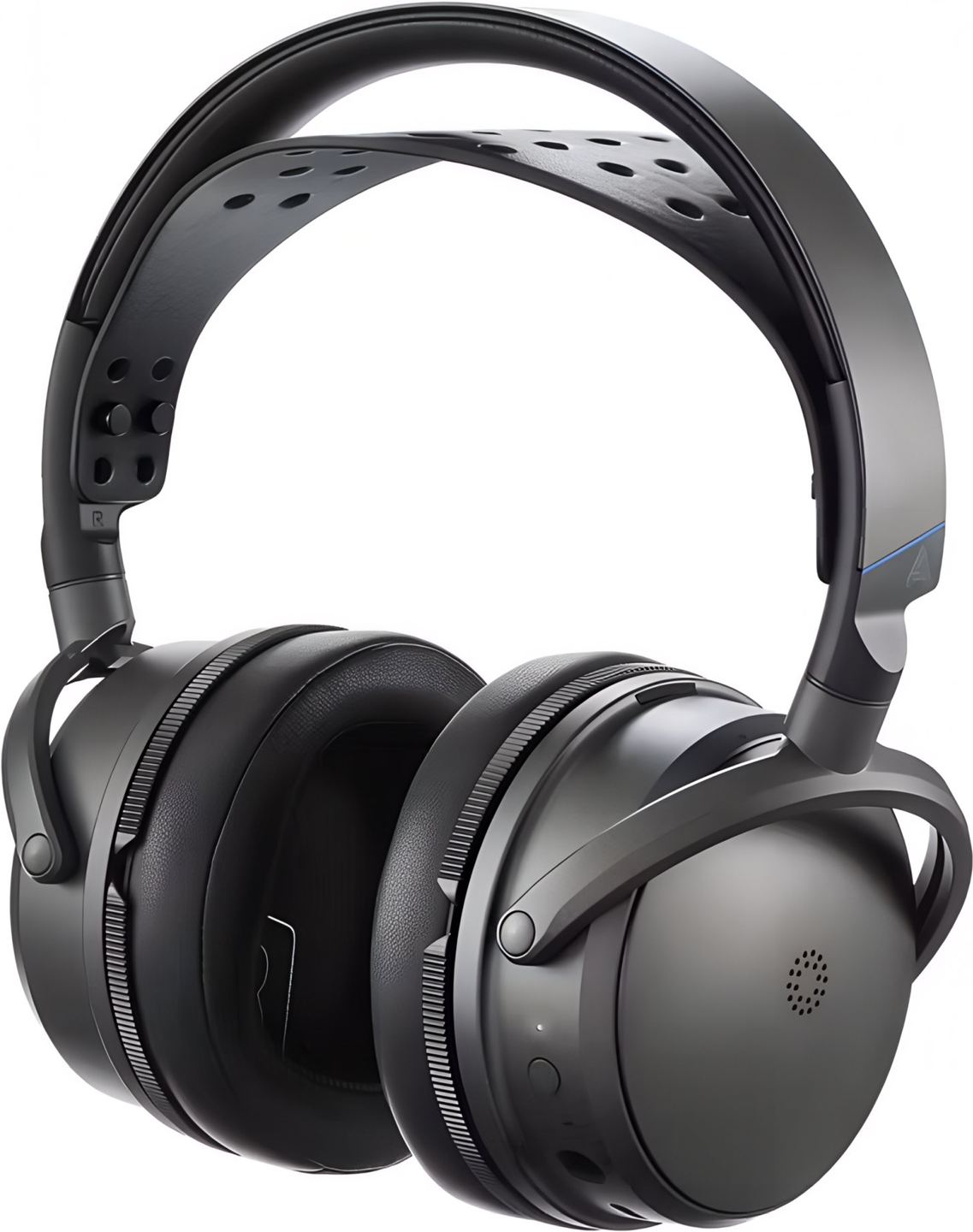
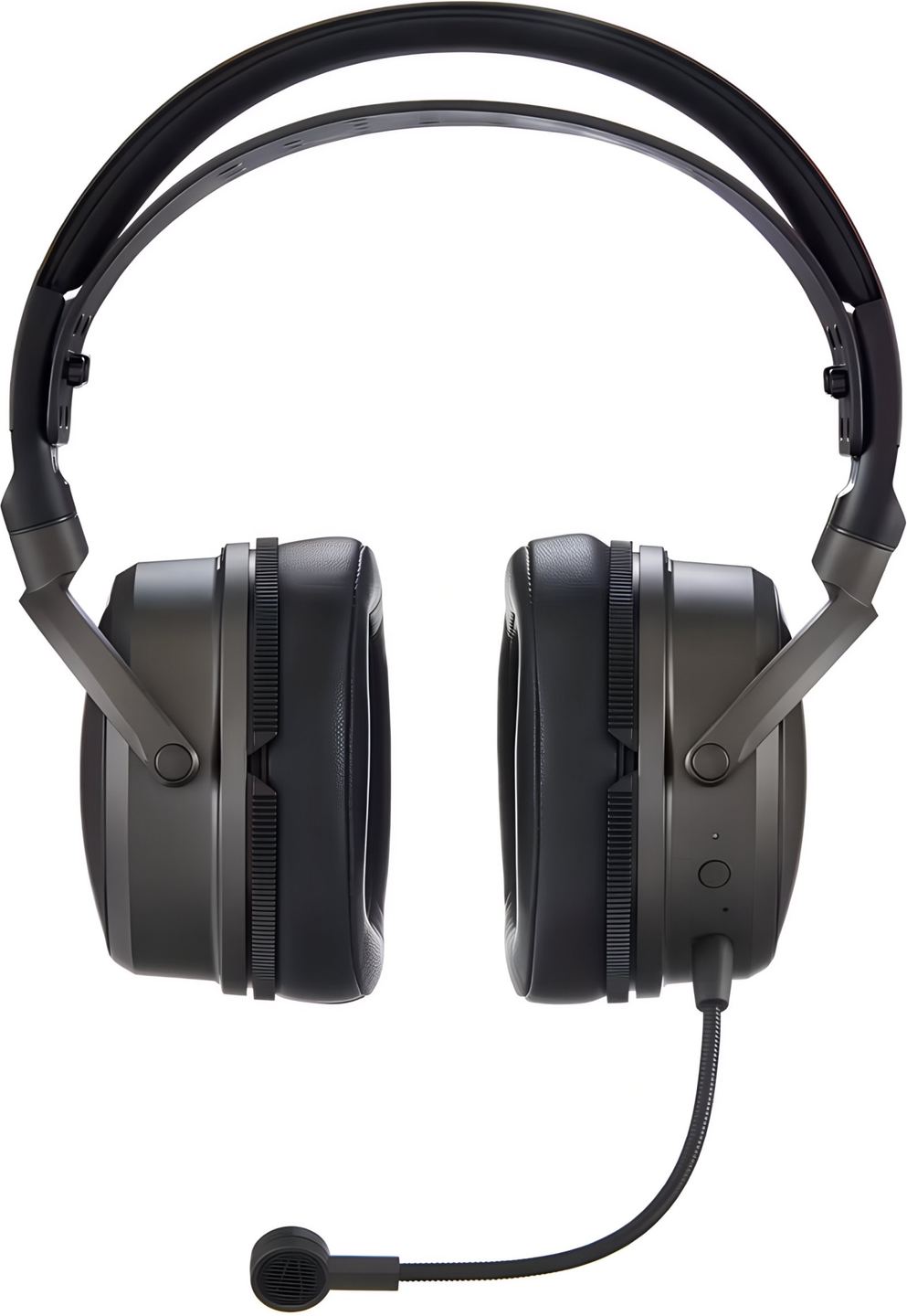
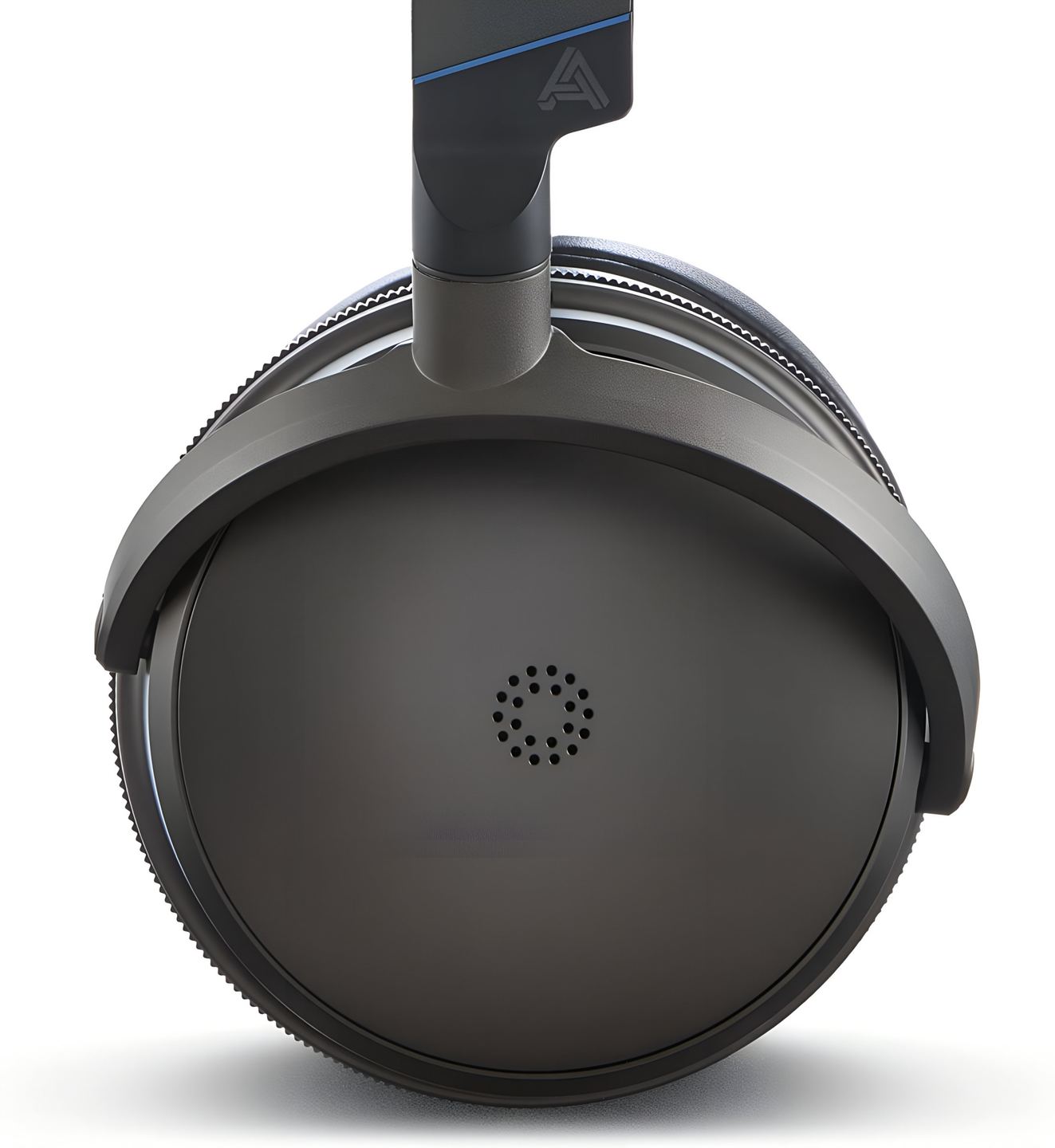

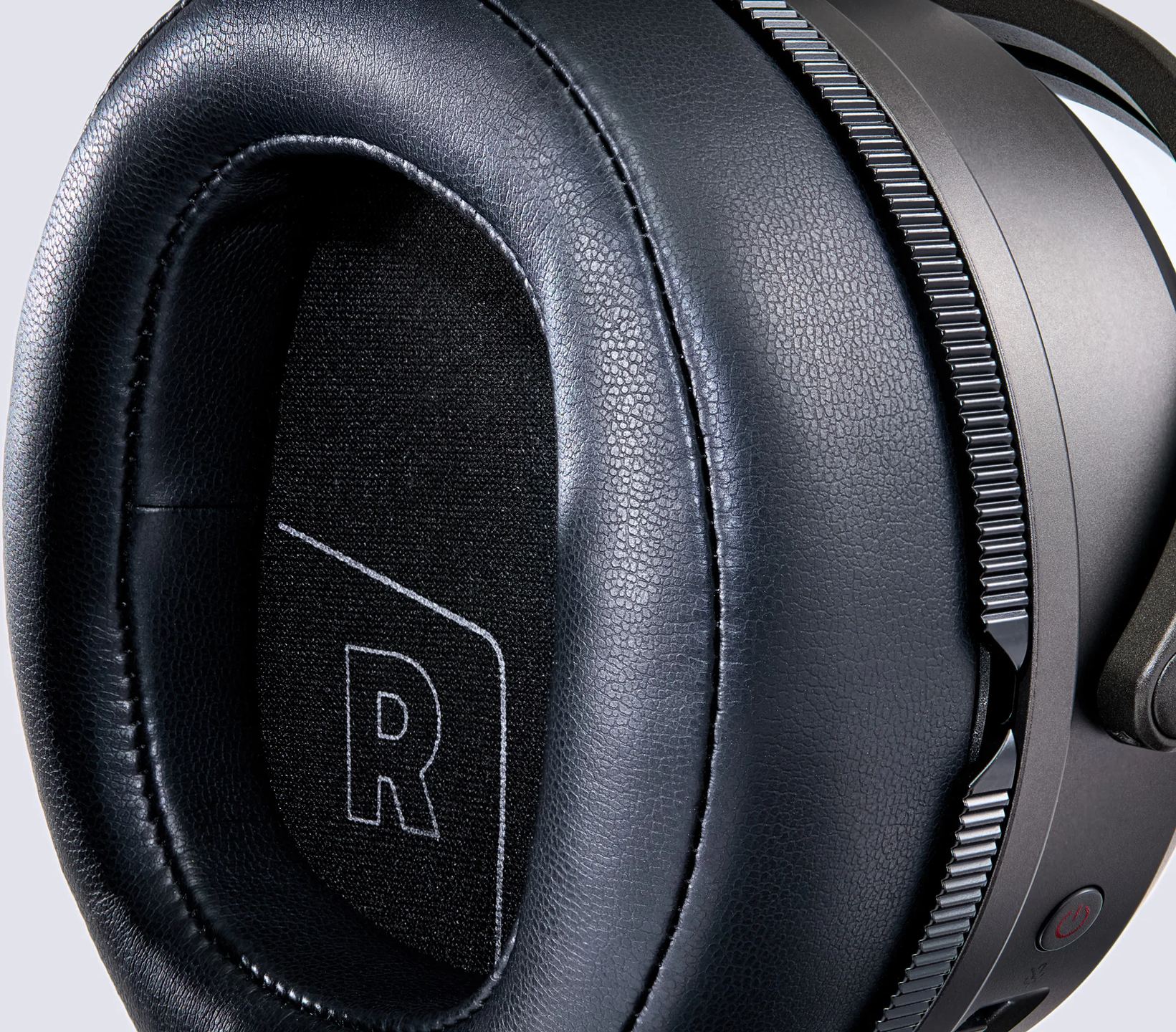
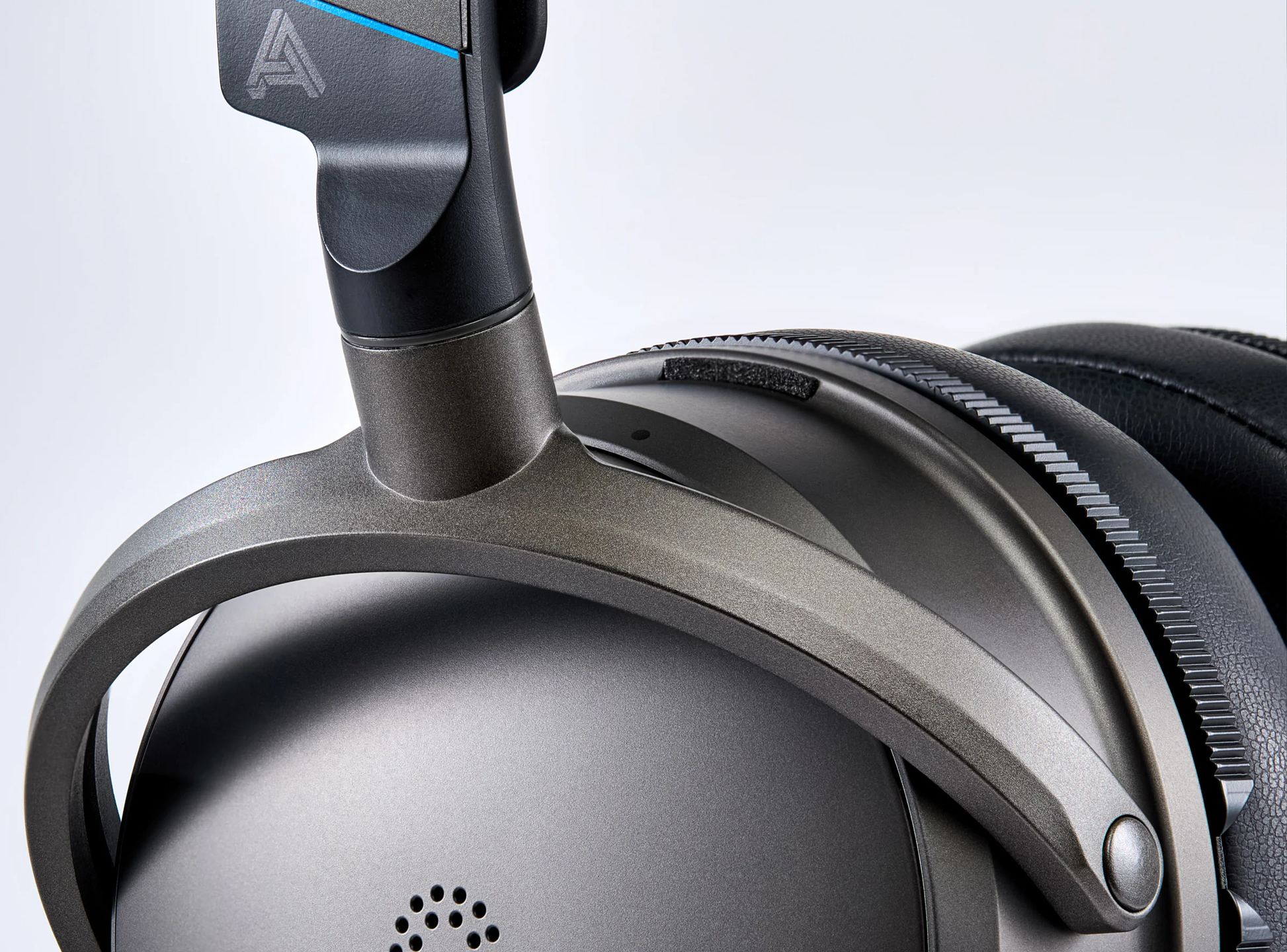
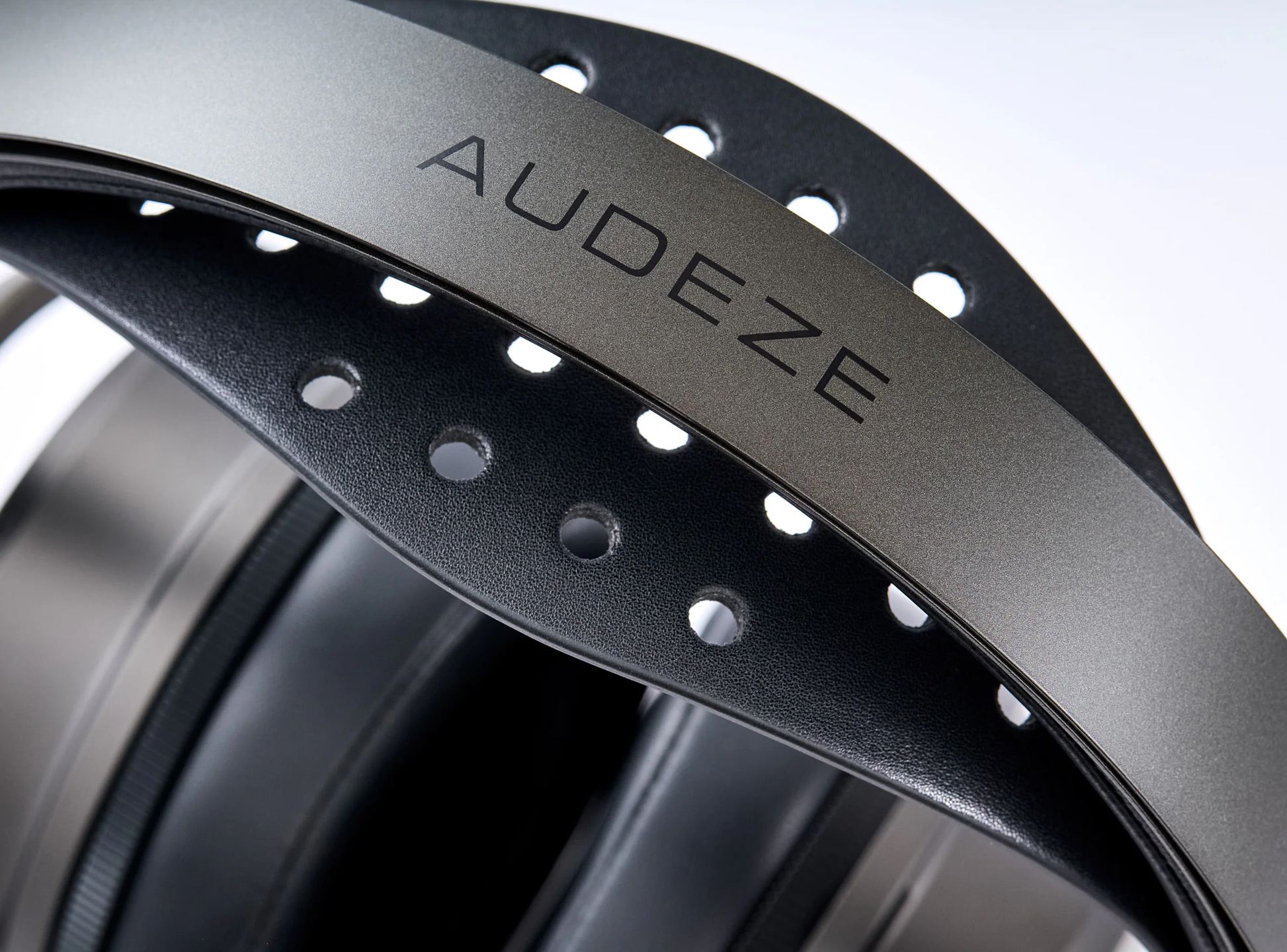


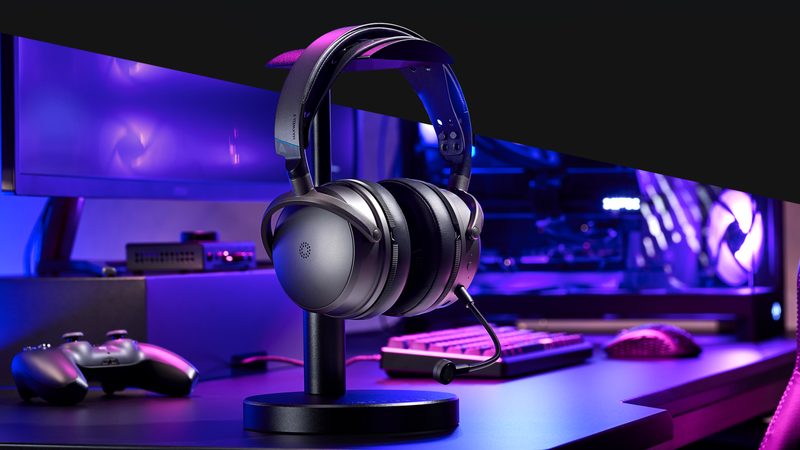
Three years after a first model that shook up the rules of gaming headsets, Audeze is back with a targeted technical evolution. The format remains identical: 90 mm planar magnetic drivers, gargantuan battery life, and sound ambitions rarely seen in this segment. The PlayStation version natively integrates Sony’s Tempest 3D engine and works on PC, Mac, Nintendo Switch 2, and mobile devices via various connection modes.
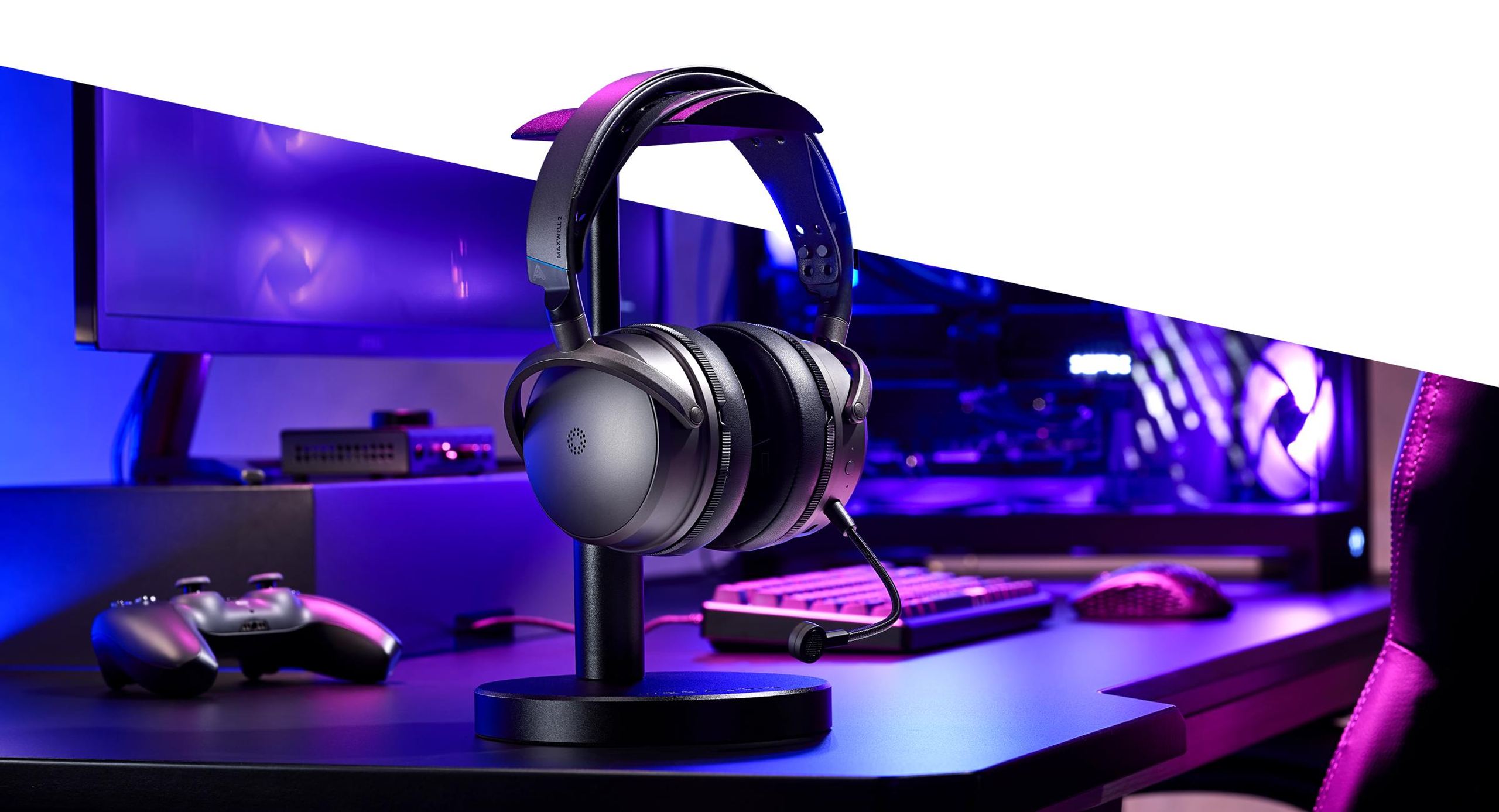
The size of the drivers almost sums up the concept on its own. 90 mm planar magnetic diaphragms versus 40 or 50 mm for almost all gaming headsets: the surface area is close to three times larger. This architecture allows the diaphragm to move more air with less excursion, reducing harmonic distortion (quoted at under 0.1% at 100 dB) and enabling an extended frequency response from 10 Hz to 50 kHz.
Audeze has retained the proven technologies from its hi-fi headphones: the Fluxor magnetic structure uses N50 neodymium magnets arranged in a lattice to maximize flux without adding weight, while the Fazor waveguides control phase interactions between the diaphragm and the ear. The Uniforce diaphragm distributes the driving force evenly across its entire surface, avoiding the breakup modes typical of conventional dynamic drivers.
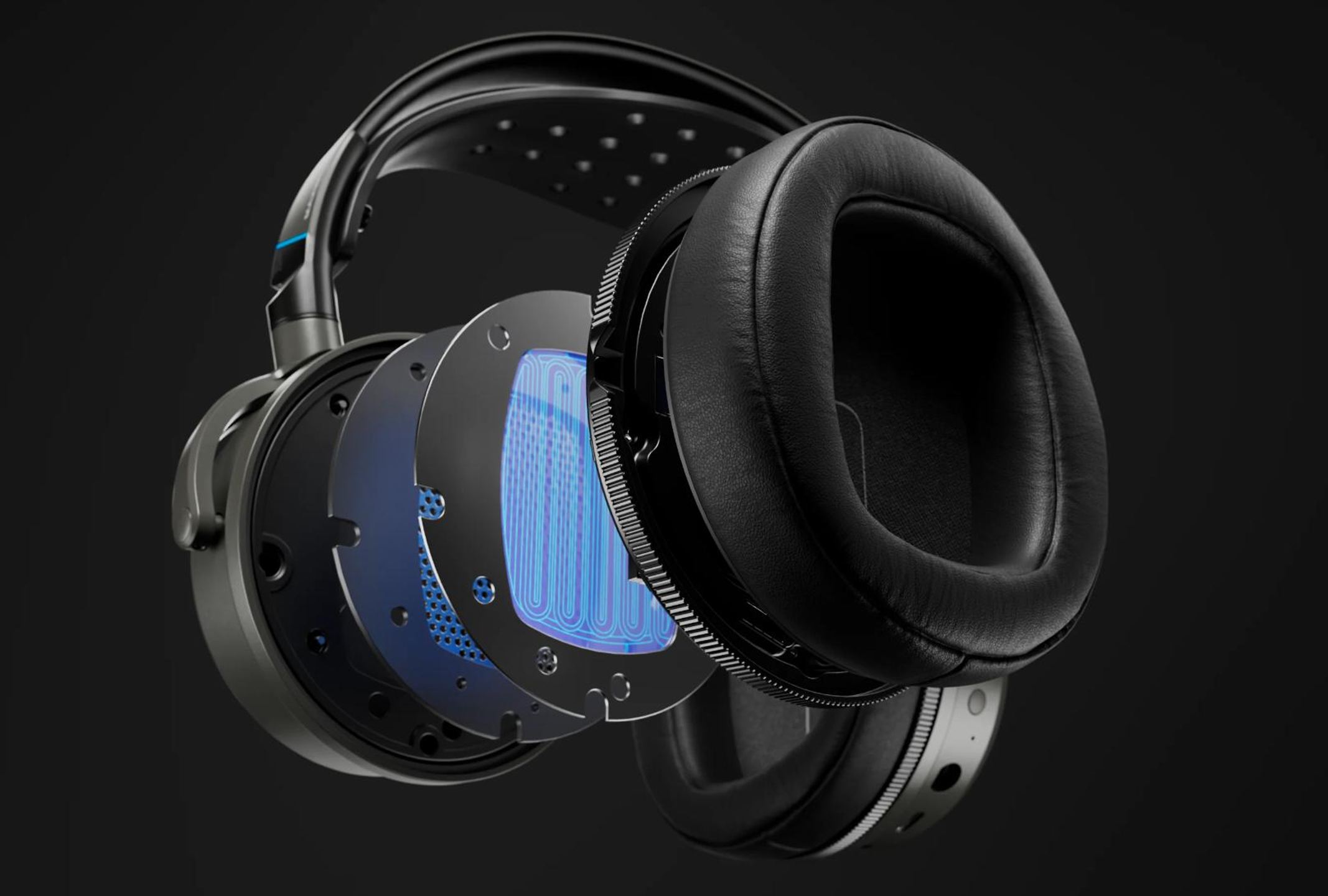
The main technical addition in this second generation comes with an acronym: SLAM, for Symmetric Linear Acoustic Modulator. The principle is based on acoustic channels integrated into the ring that connects the earpads to the drivers. These conduits, whose length and cross-section have been calculated by simulation, balance the pressure between the ear and the diaphragm.
When a closed-back headset provides good sealing, the pressure exerted on the diaphragm differs depending on whether it moves toward the ear or away from it. SLAM compensates for this asymmetry so that the diaphragm operates in more linear conditions. The claimed result: a 6 dB boost in the deep bass down to 10 Hz, with better control and less overhang. This technology, introduced in 2024 on the high-end CRBN2 electrostatic headphone, is appearing here for the first time in a gaming headset.
The trade-off is in the weight: 560 g versus 490 g for the previous model. The extra 70 grams largely come from this mechanical acoustic system and the revised earcup structure.
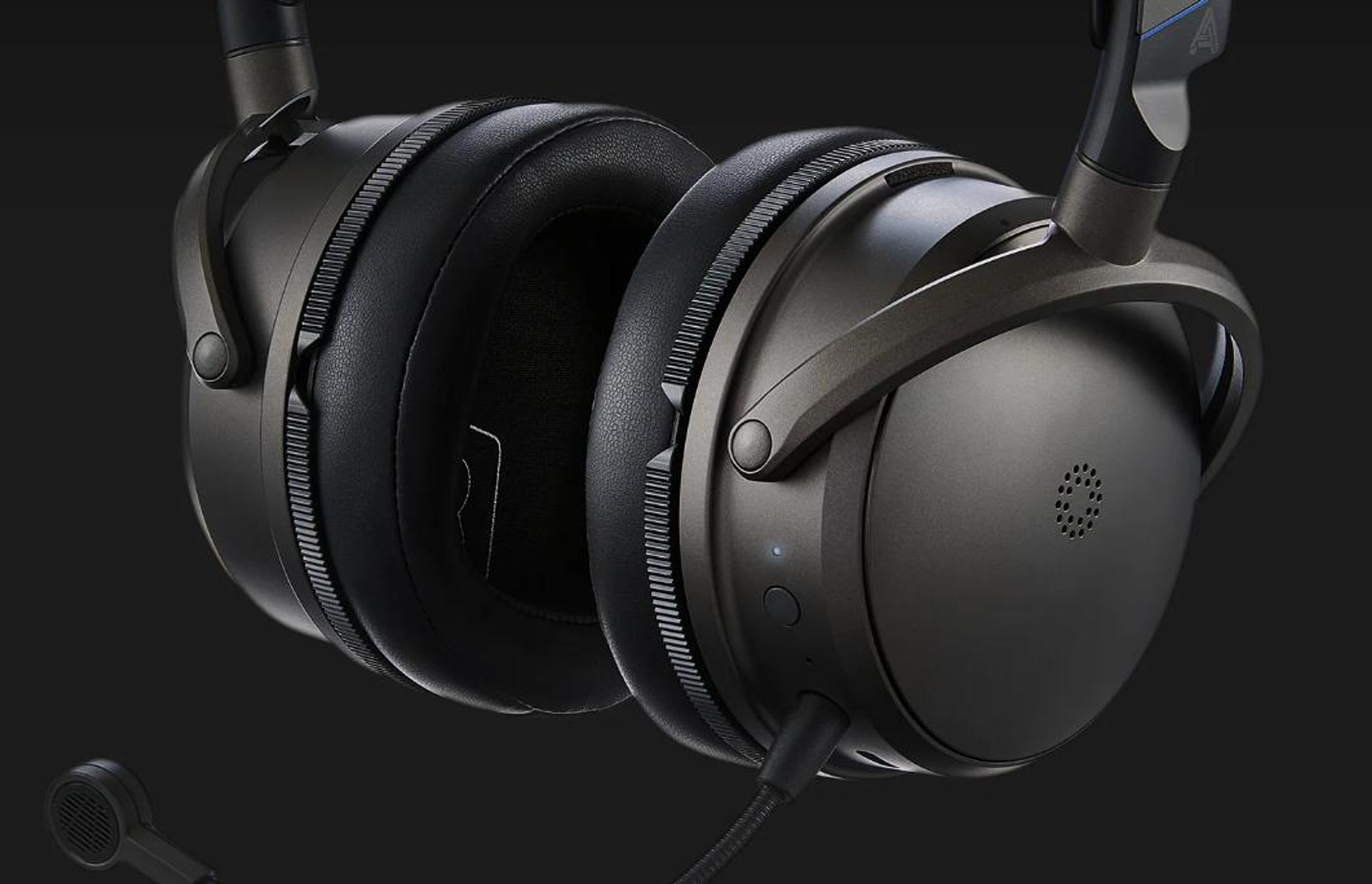
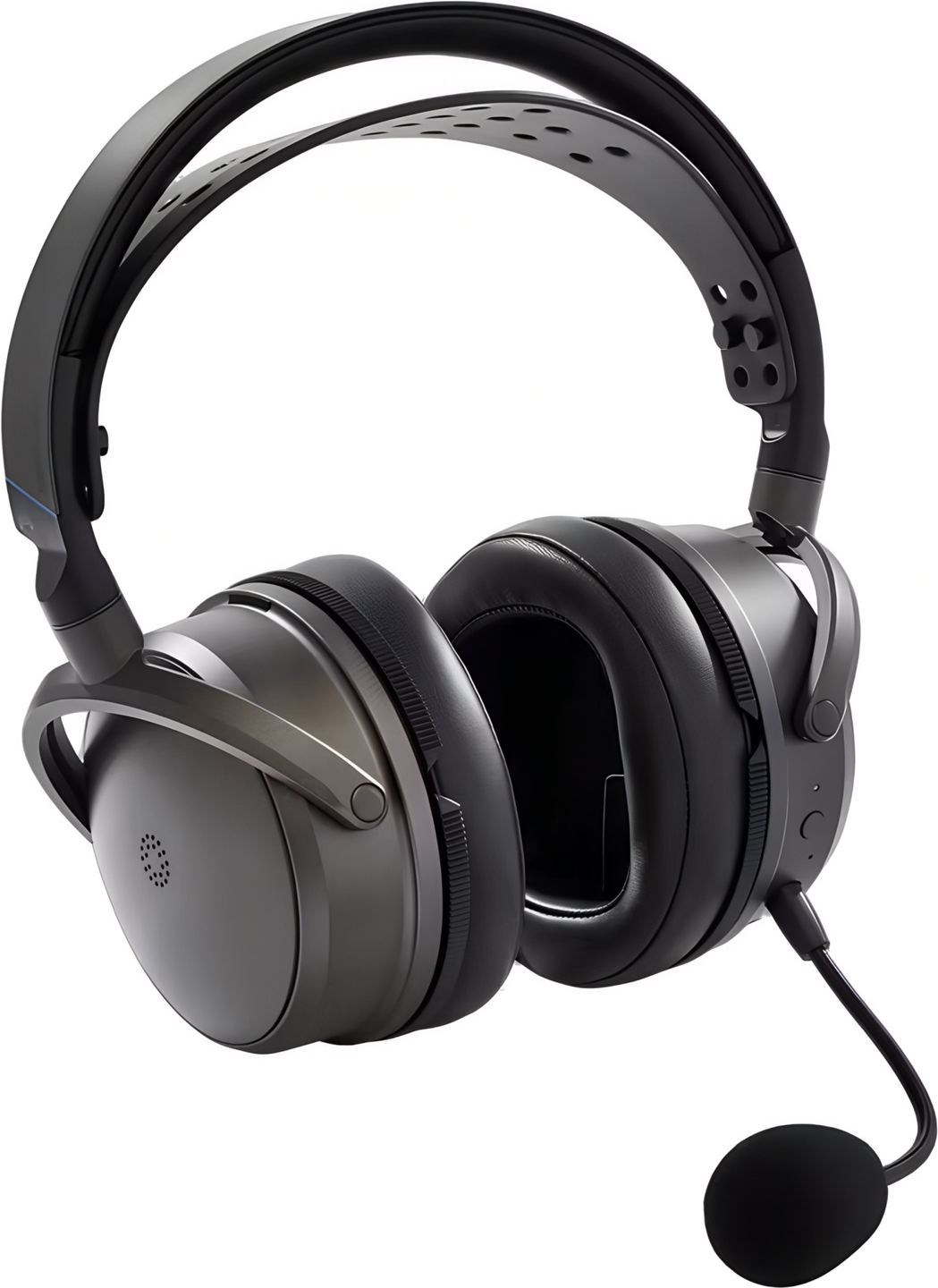
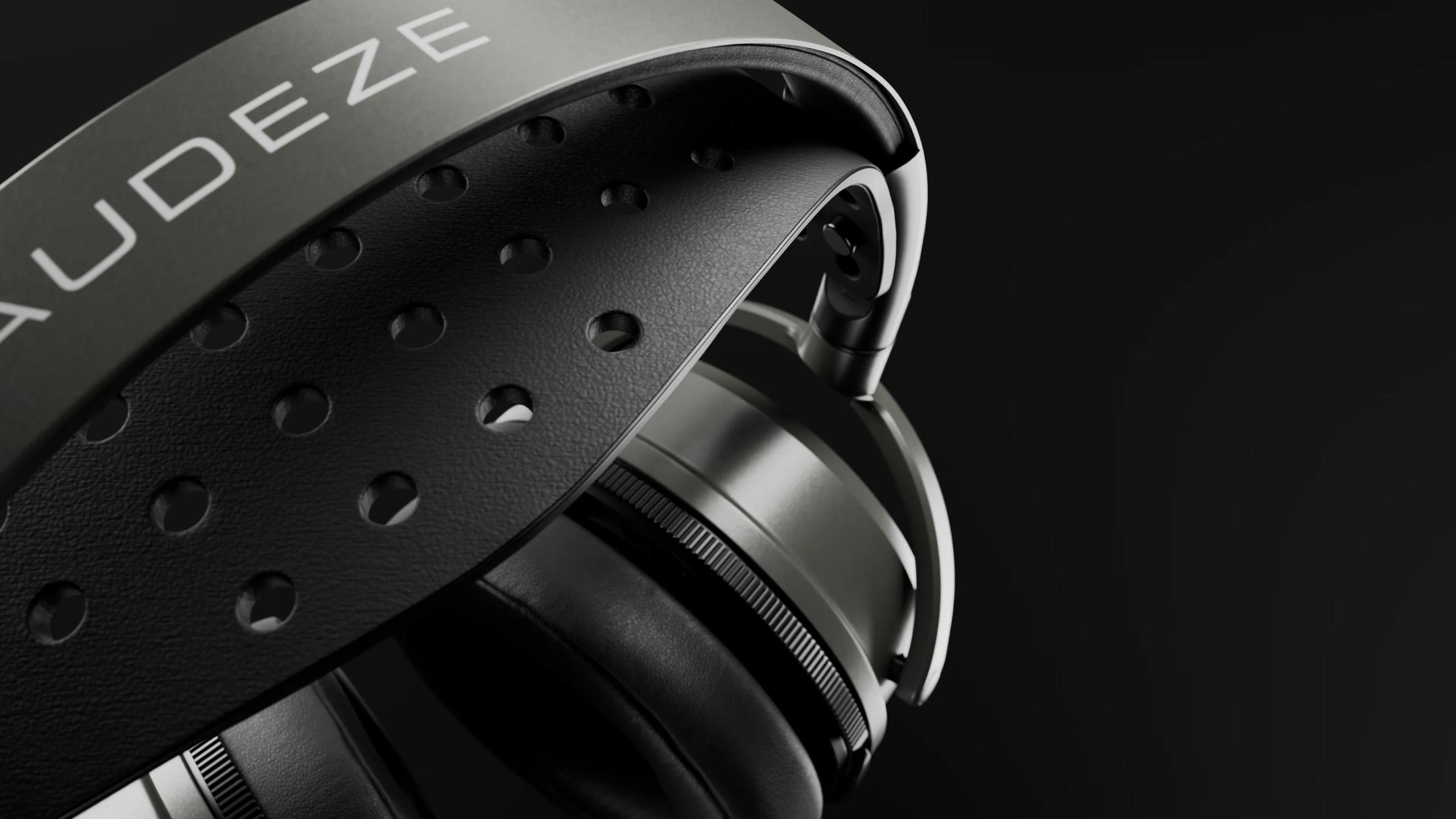
The suspension strap has been widened and perforated to dissipate heat. The earpads use a modified profile with more internal space, which should accommodate ears of various sizes. The magnetic mounting allows the earpads to be removed without tools for cleaning or replacement.
The steel headband retains its rigidity, but the weight distribution on the head depends heavily on how the suspension strap is adjusted. This adjustment is made at three points on each side, after removing the strap. The operation is not as intuitive as on models with a continuous slider.
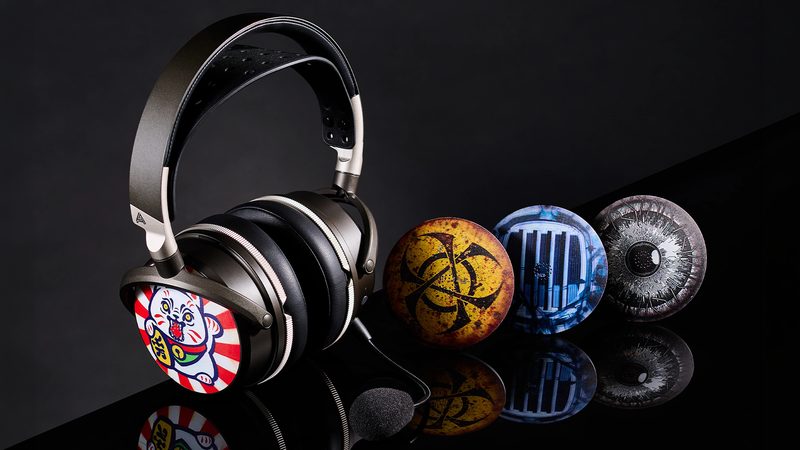
The ReSkin system allows you to customize the appearance: the side plates on the earcups come off with a simple twist thanks to magnets. Audeze is planning collaborations and limited editions, although the ReSkin store is not yet up and running.
The wireless USB-C dongle provides a low-latency 2.4 GHz link with high-resolution audio up to 24-bit / 96 kHz. This is the recommended mode for competitive gaming on PlayStation 5, PC, or Switch 2. Wired USB-C connection offers the same audio quality and adds game/chat mixing on PC (this feature is not available on PlayStation, where mixing must be adjusted in the console menus).
Bluetooth 5.3 supports LE Audio, Auracast, LDAC, AAC, SBC, LC3, and LC3plus, with multipoint capability to switch between several devices. However, simultaneous listening via dongle and Bluetooth is not possible: the headset automatically switches to the active Bluetooth source, then returns to the dongle after a few seconds of silence. This limitation was already present on the previous model.
The 3.5 mm TRRS jack works in active mode, which means the headset must be powered on to use it. It lets you plug the headset into a DualSense controller or any other device with an analog audio output.
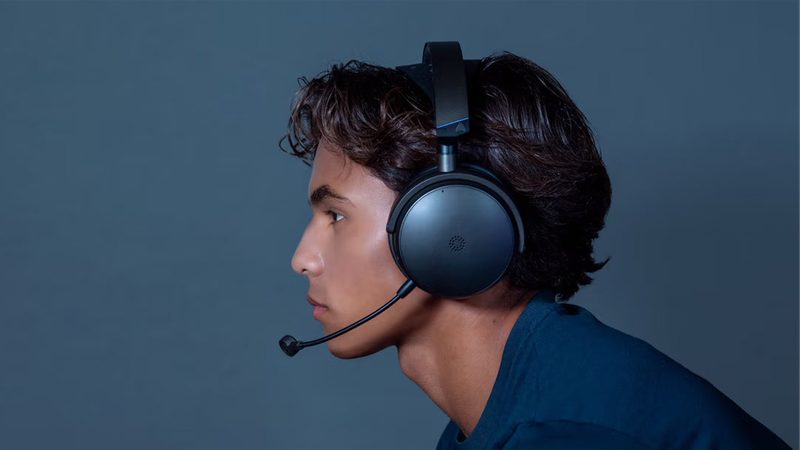
The hypercardioid boom microphone detaches magnetically. Its design physically limits off-axis pickup, and a foam pop filter attenuates plosives. Audeze claims a physical ambient noise reduction of up to 20 dB thanks to this design.
FILTER AI processing analyzes the signal in real time to isolate the voice from background noise. Compared to the previous model, the processing bandwidth has doubled, which better preserves the natural timbre of the voice while filtering out mechanical keyboards, fans, or nearby conversations. Three intensity levels are available, activated by a button on the left earcup.
Two microphones built into the earcups take over when the boom is disconnected. Their quality is lower, with a more hollow tone and audible reflections, but they are handy for a quick call.

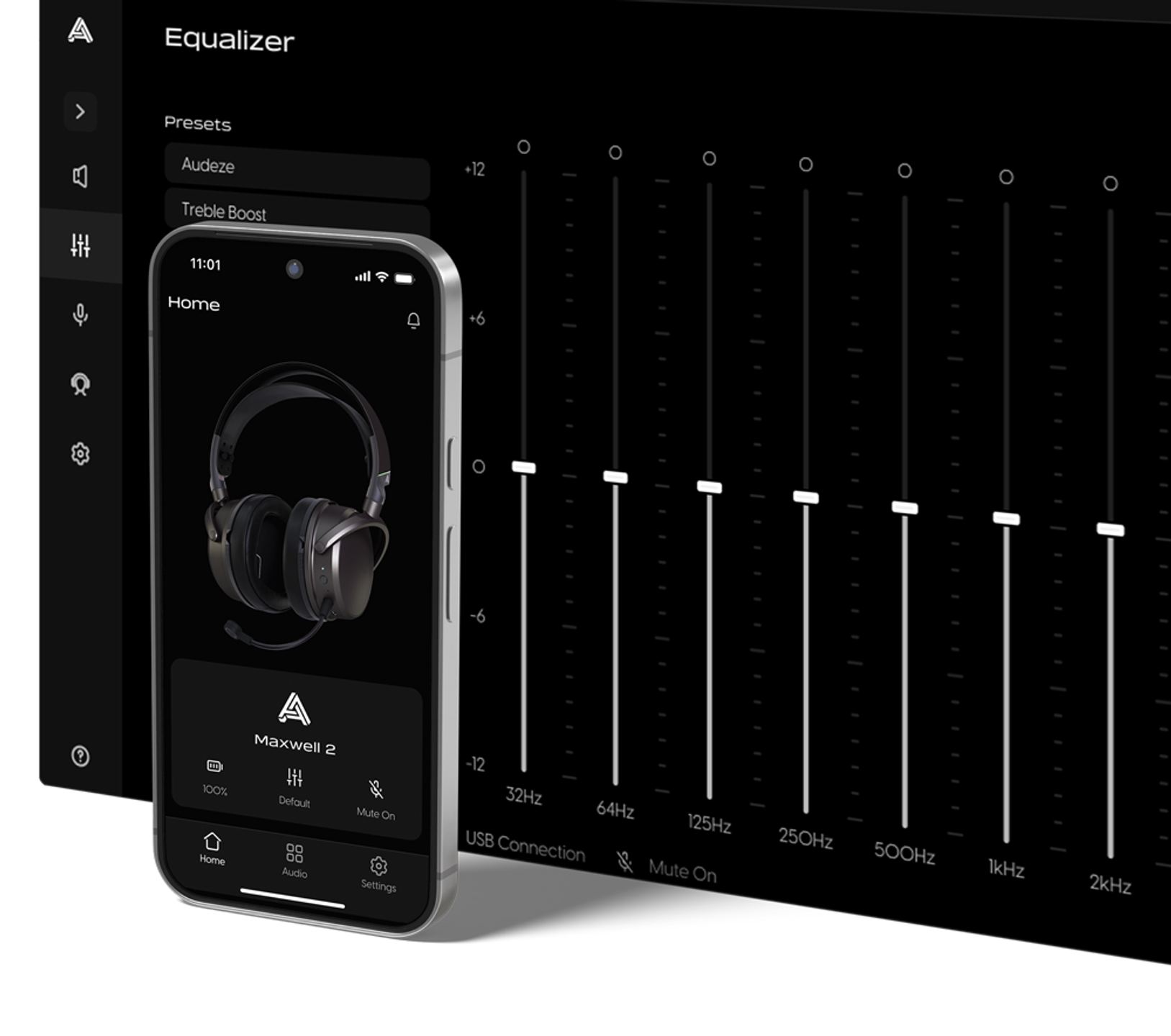
The control app has been completely rebuilt. It runs on Windows, macOS, iOS, and Android, with an interface that no longer looks like software from the 2000s. The 10-band equalizer offers 6 presets and 4 custom slots. Custom profiles are stored directly in the headset, allowing you to cycle through them using the volume wheel without reopening the app.
Settings include sidetone level (hearing your own voice), AI noise reduction intensity, and game/chat mix on compatible platforms. On PC, the app sometimes struggles to detect whether the headset is connected via dongle or USB cable, requiring a few attempts to stabilize the connection.
More than 80 hours of listening are quoted at a moderate sound level of 80 dBA. In mixed use with microphone active and AI processing, battery life decreases but still exceeds several days of normal use. A full charge takes about two hours via USB-C. A 20-minute charge restores about 25% of the battery, or around twenty hours of listening.
The headset powers off automatically after a user-definable period of inactivity. There is no user-replaceable battery option.
The PlayStation version natively supports Sony’s 3D audio engine. Settings are adjusted in the PlayStation 5 audio menu, which notably offers HRTF profile calibration according to the user’s morphology. On PC and Mac, since Tempest 3D is not available, the user will need to turn to Windows Sonic (free) or another software solution if spatial processing is desired.
The two versions are physically identical. The PlayStation version uses Sony Tempest 3D for spatial audio and costs less. The Xbox version includes a Dolby Atmos license and works in native wireless mode with Xbox consoles. Both versions are compatible with PC, Mac, Switch 2, and mobile devices.
No. The headset automatically prioritizes Bluetooth when a source is playing, then switches back to the dongle after a few seconds of silence. There is no manual control to force a given source, nor any mixing between the two.
The headset must be powered on to work, including via the 3.5 mm jack connection. If the battery is drained, you need to plug it into a USB-C power source to use it.
The earpads use a different magnetic mounting system and are not interchangeable with those of the first Maxwell. ReSkin plates are specific to the Maxwell 2.
No. On PS5, mixing between game audio and voice chat is controlled exclusively in the console menus. The mixing function built into the headset only works on PC over USB connection.
No. Isolation relies solely on the closed-back earcup design and memory foam earpads. A version with ANC has been announced by Audeze but is not yet available.
Sofian
Very detailed sound. Excellent for gaming and music.
Comment from September 16, 2026 — Experience from September 04, 2026