Paradigm Premier v2 Speakers: What Really Changes Compared to the First Generation
April 16, 2026
Contents
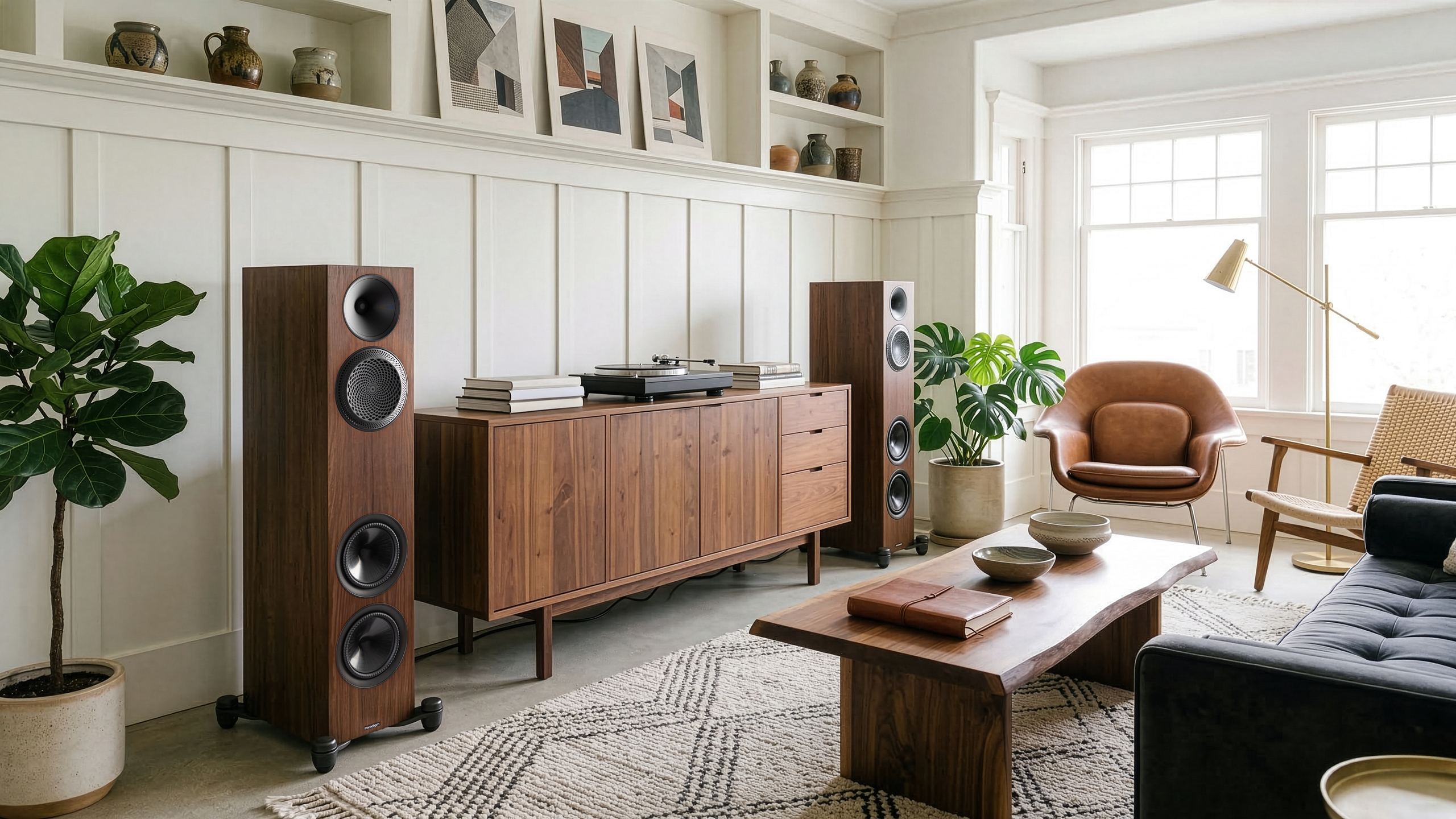
Six speakers, a complete redesign of the drivers, and prices that have barely changed in eight years. Canadian brand Paradigm is refreshing its Premier range with a second generation that borrows heavily from the Founder and Persona series, without matching their prices. Presented at AXPONA 2026 (Chicago, April 10-12), the Premier v2 will be available next June.
What changes compared with the first generation
The original Premier, launched in 2018, used a pure aluminum dome tweeter (X-PAL) and carbon-reinforced polypropylene mid-bass cones. The v2 replaces these components with drivers derived from the development of Paradigm’s higher-end ranges.
The tweeter moves to an AL-MAC dome, an aluminum, magnesium, and ceramic alloy also found in the Founder series. This composite material is stiffer and lighter than aluminum alone, pushing resonance modes beyond the audible band. The midrange drivers adopt an AL-MAG (aluminum-magnesium) cone paired with a ventilated 2-inch voice coil. The woofers, meanwhile, switch to one-piece Carbon-X cones: the carbon-fiber diaphragm is molded as a single piece to gain rigidity under high excursion, whereas the previous generation stacked several layers.
The cabinets have also been reworked. MDF remains the material of choice (19 mm for the panels, 25 mm for the front baffle), but the internal bracing has been revised. The floorstanding models rest on new decoupling feet (Outrigger Shock-Mount) with either spikes or rubber pads.
The waveguide, a detail that matters
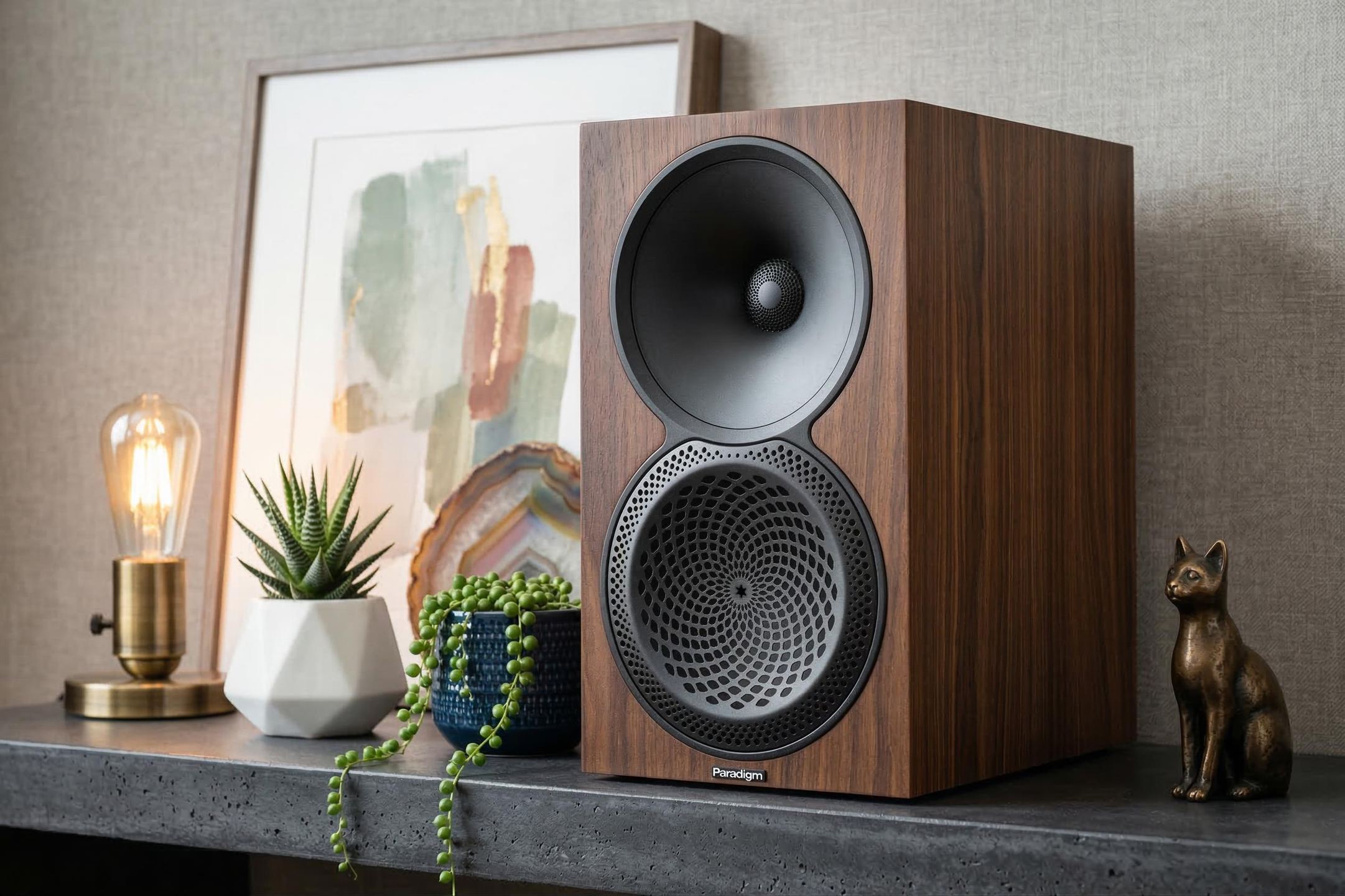
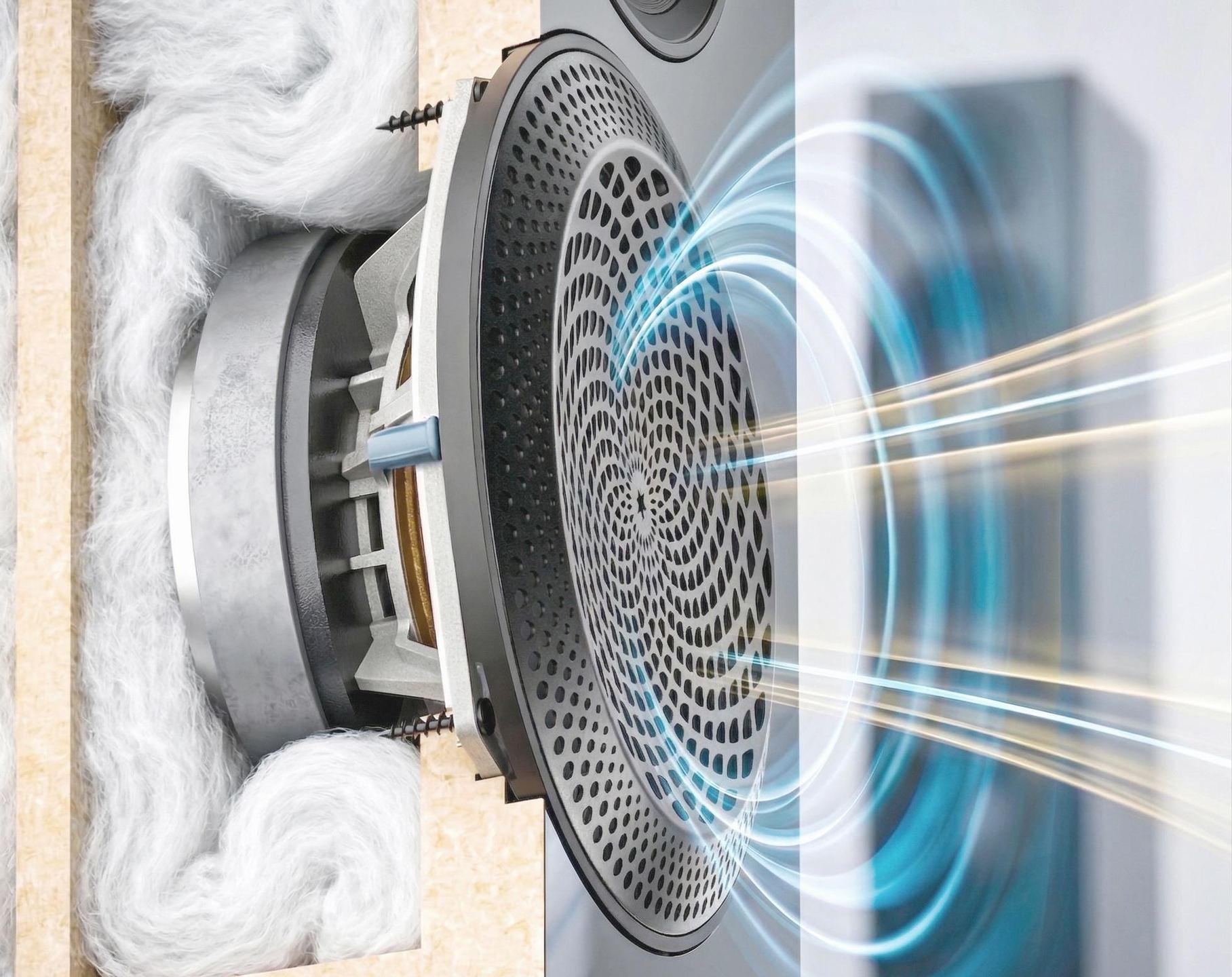
Paradigm keeps and refines two dispersion elements that have distinguished its speakers since the Persona series: the PPA (Perforated Phase-Aligning) lens, placed in front of the tweeter and midrange, and the OSW (Oblate Spheroidal Waveguide) that surrounds the tweeter. The first corrects phase offsets between the center and edge of the dome. The second widens the listening area by controlling horizontal directivity. Put simply, the frequency response remains consistent even when you are not positioned exactly on axis.
This is an area where Paradigm benefits from its long-standing collaboration with Canada’s National Research Council (NRC), whose work on the correlation between off-axis response and listening preference has influenced a whole generation of North American manufacturers.
Six models, two floorstanders, two bookshelf speakers, two center channels
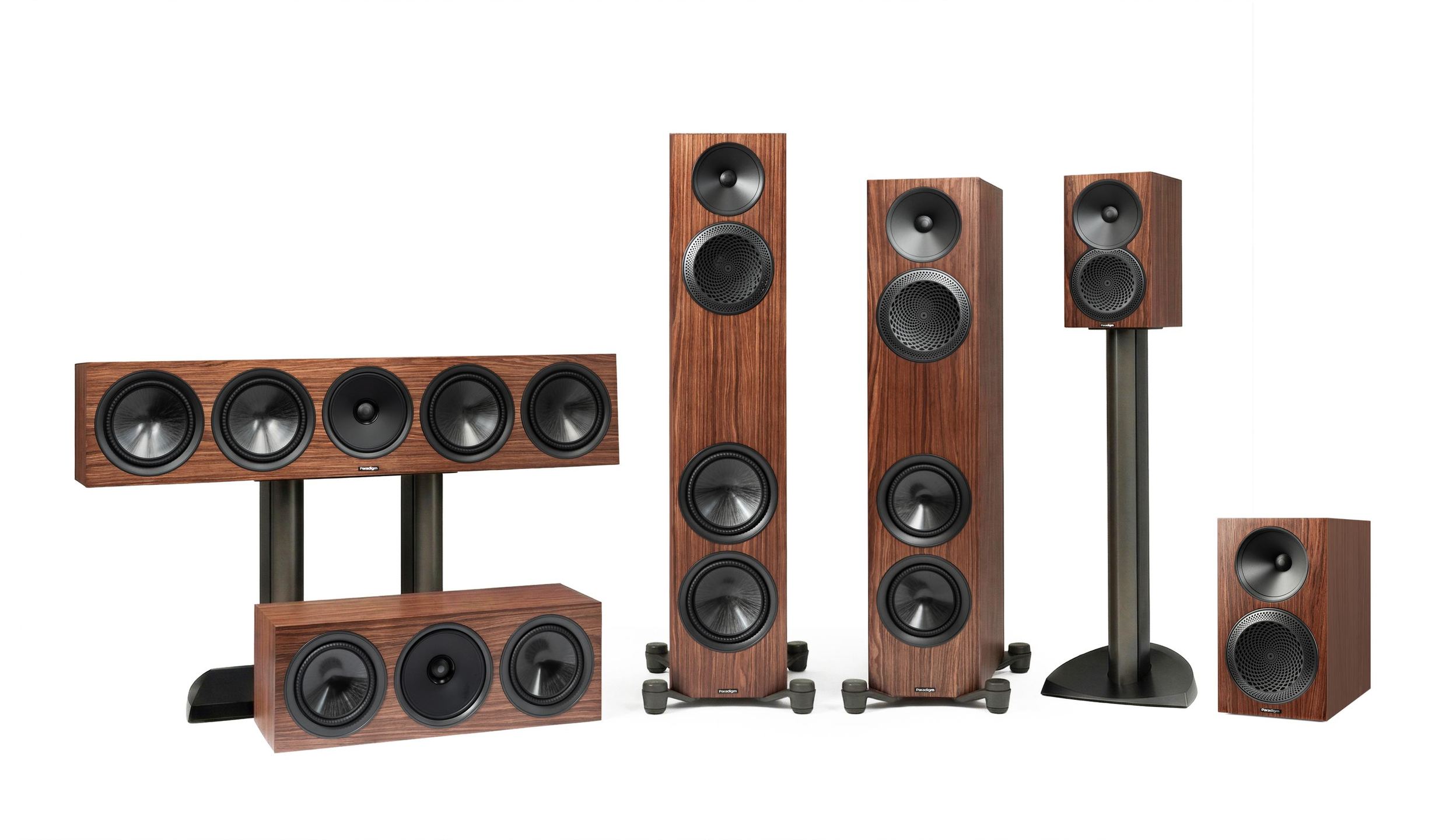
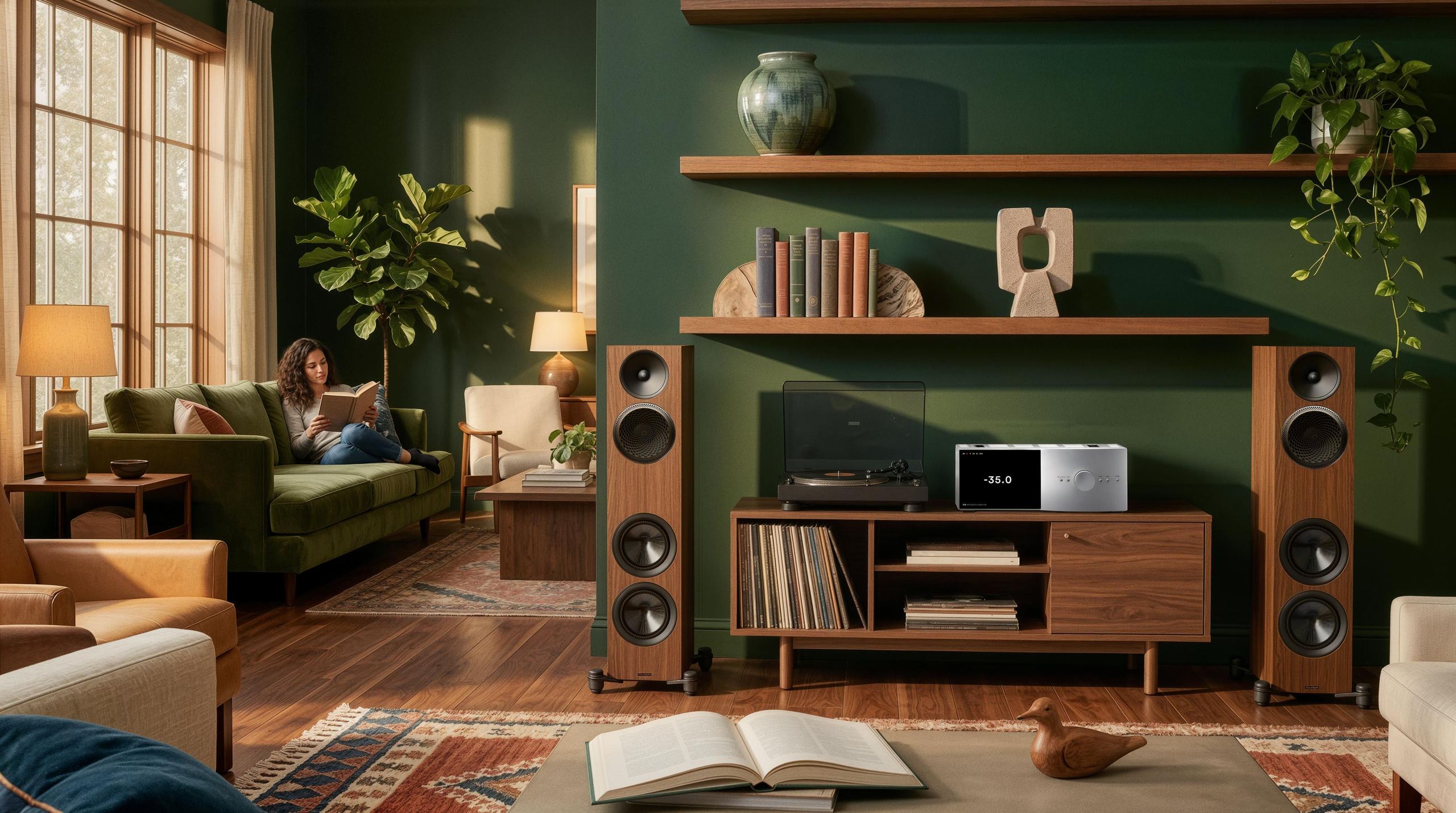
The range covers stereo listening and home theater with tonal consistency across the models, since all of them share the same 25 mm AL-MAC tweeter and the same PPA lens.
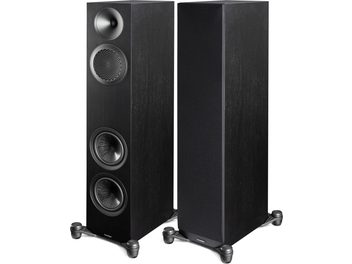
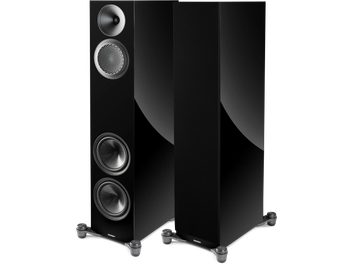
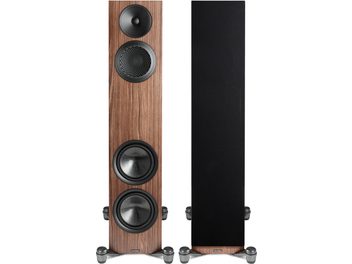
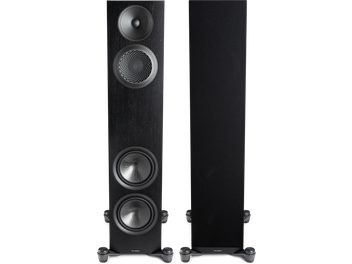
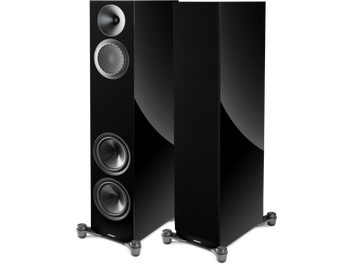
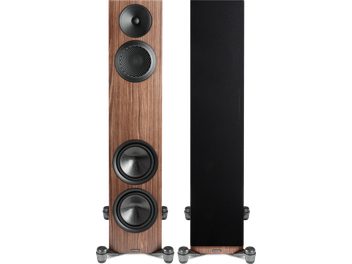
The two floorstanders, the 720F and 820F, are three-way, four-driver designs (tweeter, 152 mm AL-MAG midrange, two Carbon-X woofers). The 820F uses 178 mm (7-inch) woofers and reaches down to 52 Hz (±3 dB) with a claimed extension to 21 Hz according to the DIN standard. The more compact 720F uses 152 mm woofers and is rated at 55 Hz (±3 dB). Both models accept amplifiers from 15 to 250 W (820F) or 220 W (720F), with a compatible 8-ohm impedance and in-room sensitivity of 93 and 92 dB respectively.
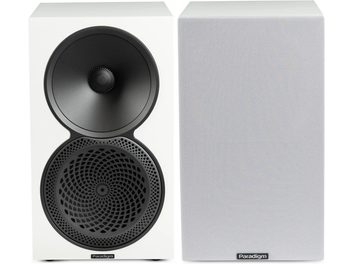
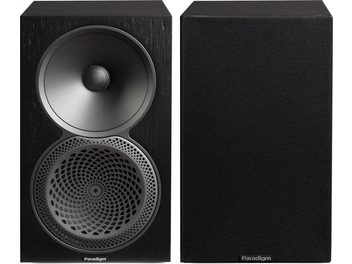
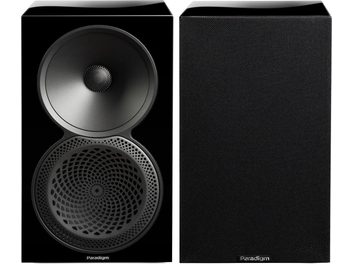
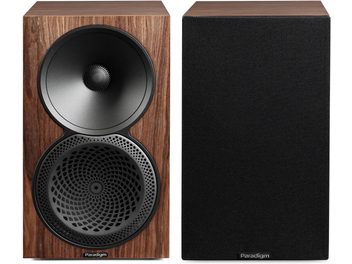
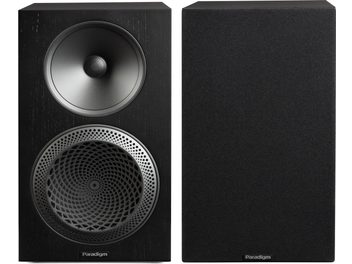
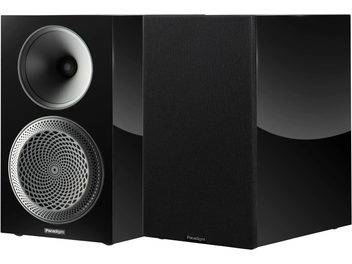
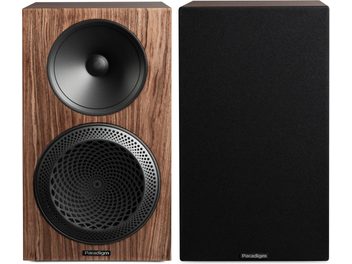
The 120B and 220B bookshelf speakers are two-way designs. The 120B, the more compact of the two (30.5 × 17.8 × 30.7 cm, 7.4 kg), pairs the AL-MAC tweeter with a 140 mm AL-MAG mid-bass driver. The 220B increases the mid-bass driver to 152 mm and gains internal volume, allowing it to reach 58 Hz instead of 62 Hz.
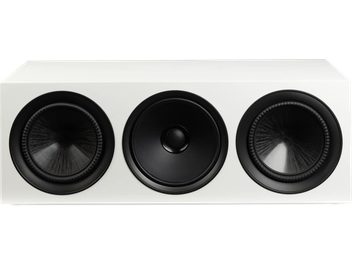
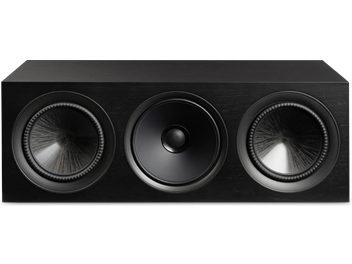
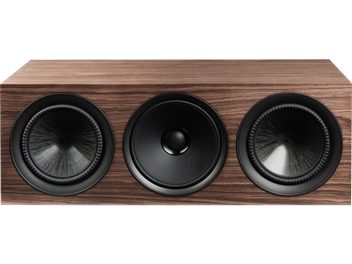
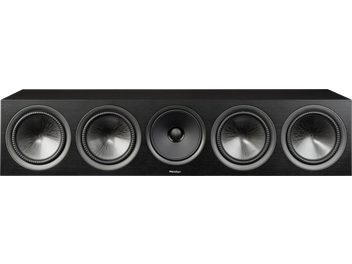
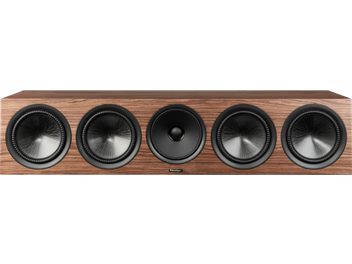
For home theater, the 620C is a three-way center channel with four drivers, complemented by two 178 mm Carbon-X passive radiators, a configuration that allows it to reach 49 Hz in a sealed enclosure. The more versatile 520LCR uses a coaxial AL-MAG midrange and can be oriented horizontally or vertically to serve as left, center, or right.
Stable prices despite eight years of inflation
The announced prices (per speaker, not per pair) range from about €340 for the 120B to about €1,110 for the 820F and 620C. Per pair, that comes to about €685 for the small bookshelf speakers and about €2,220 for the large floorstanders. Final European prices have not yet been announced; these estimates are based on converted U.S. pricing.
For reference: the first-generation Premier 800F sold for about €850 each in 2018, or about €1,700 per pair. The 820F v2 replaces it at about €1,110 each with drivers of a completely different caliber. The increase is real, but it remains moderate given the technical changes and the cumulative inflation over the period. In a market where moving upmarket often goes hand in hand with soaring prices (the Magico S7 unveiled at the same show reach about €115,000), Paradigm keeps its Premier range in an accessible segment.
Integrated manufacturing: a concrete advantage
Paradigm is one of the few speaker manufacturers to produce all of its drivers in-house, in a 21,000 m² factory in Mississauga, Ontario. Cones, domes, ART (Active Ridge Technology) surrounds, voice coils, crossovers: everything is designed and assembled on site. DALI, in Denmark, takes a similar approach. This vertical integration allows tighter control of manufacturing tolerances and better consistency across models in the same range, an advantage that is especially noticeable in high-volume series like Premier.
What’s missing
No subwoofer in the Premier v2 range. To complete a home theater system, you will need to look to Paradigm’s Defiance or Essentials series, or to another manufacturer. This is not a flaw in itself (few passive speaker ranges include a subwoofer), but it is something to factor into the total budget.
It is also worth noting the absence of any wireless connectivity or built-in room correction. The Founder series offers ARC Genesis acoustic correction on its active 120H model, but the Premier remain traditional passive speakers. For room correction, you will need to rely on the upstream amplifier or processor.
Three finishes are available: Gloss Black, Walnut, and Black Walnut. The 120B and 520LCR add a Satin White option. Bookshelf speaker stands are sold separately.
Clear positioning
Paradigm does not claim to reinvent the loudspeaker with this series. The Premier v2 follows a simple logic: take proven technologies from more expensive ranges and adapt them to a lower price point, relying on integrated manufacturing to keep costs under control. On paper, the result is a coherent range that covers stereo listening and multichannel with serious drivers and careful construction.
Featured products
Bookshelf Speakers
Center Speakers
Tower Speakers

You may also like to read
 Winter deals: up to 29% off a selection of subwoofersOffers & promotions
 Floorstanding or bookshelf speakers: which model for a 20 m² living room?Comparisons and buying guides
 Monitor Audio Bronze 7G: even better speakers, still just as affordableHi-fi and home cinema news
 Davis Acoustics Courbet: speakers made in FranceHi-fi and home cinema news
 Anthem Remote App 3.3.0: The Essential New FeaturesHi-fi and home cinema news
 Ortofon DJ Stylus: MIX, SCRATCH or CLUB, find the stylus that suits your styleHi-fi and home cinema news