

Ground cables for turntables
Ground cables connect the GND (ground) terminal of the turntable to the phono preamplifier or amplifier. This connection eliminates parasitic hum that makes listening impossible without grounding. Essential for non-preamplified phono setups, these cables ensure optimal background silence by evacuating electromagnetic interference picked up by the analog system. Learn more
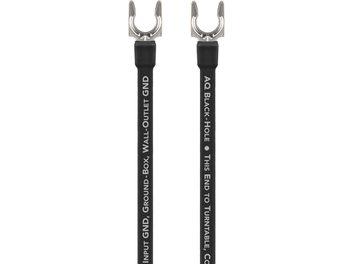
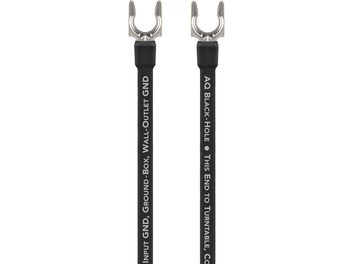
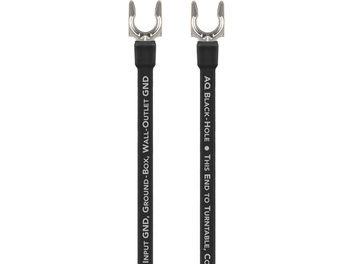
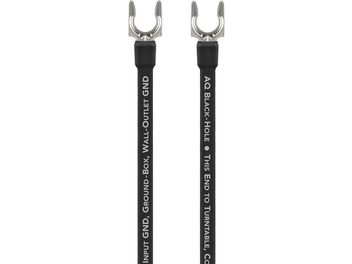
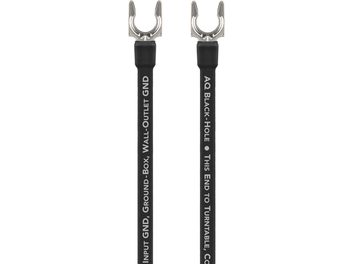
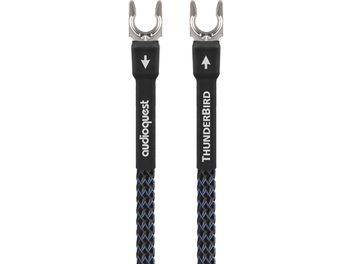
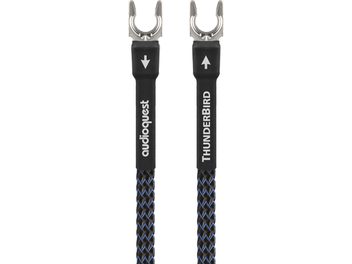
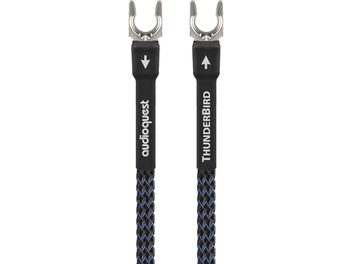
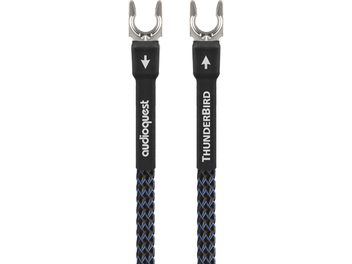
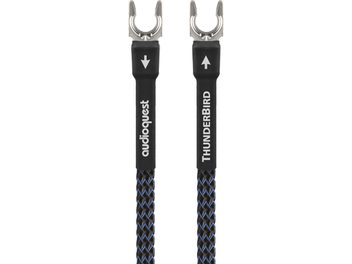
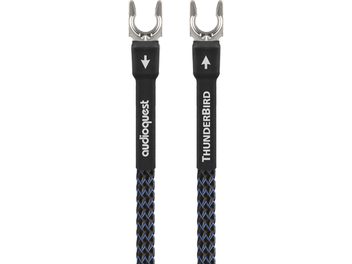
The role of grounding
The signal produced by a phono cartridge is extremely weak, typically below 0.5 mV. This minuscule amplitude makes vinyl setups particularly vulnerable to ambient electromagnetic interference: Wi-Fi, Bluetooth, mobile phones, microwave ovens, power supplies. Without proper ground connection, these disturbances result in continuous 50 Hz hum that covers the music and makes listening impractical.
The ground cable creates a dedicated path between the metal parts of the turntable (tonearm, platter, chassis) and the ground reference of the preamplifier or amplifier. This connection equalizes electrical potentials and evacuates parasitic charges to the electrical installation’s ground.
When a ground cable is necessary
Turntables equipped with an integrated phono preamplifier generally don’t need a separate ground cable. Grounding is achieved via the power cable of the turntable or built-in preamp.
However, the following configurations absolutely require a ground cable:
- Turntable without preamp connected to an external phono preamp
- Turntable connected directly to the phono input of an amplifier
- Replacement of an integrated phono cable with higher quality standard RCA cables
Some turntables have a fixed phono cable that already includes a ground wire. In this case, purchasing a separate cable is unnecessary, except in case of damage or to upgrade the original cable quality.
Installation and connection
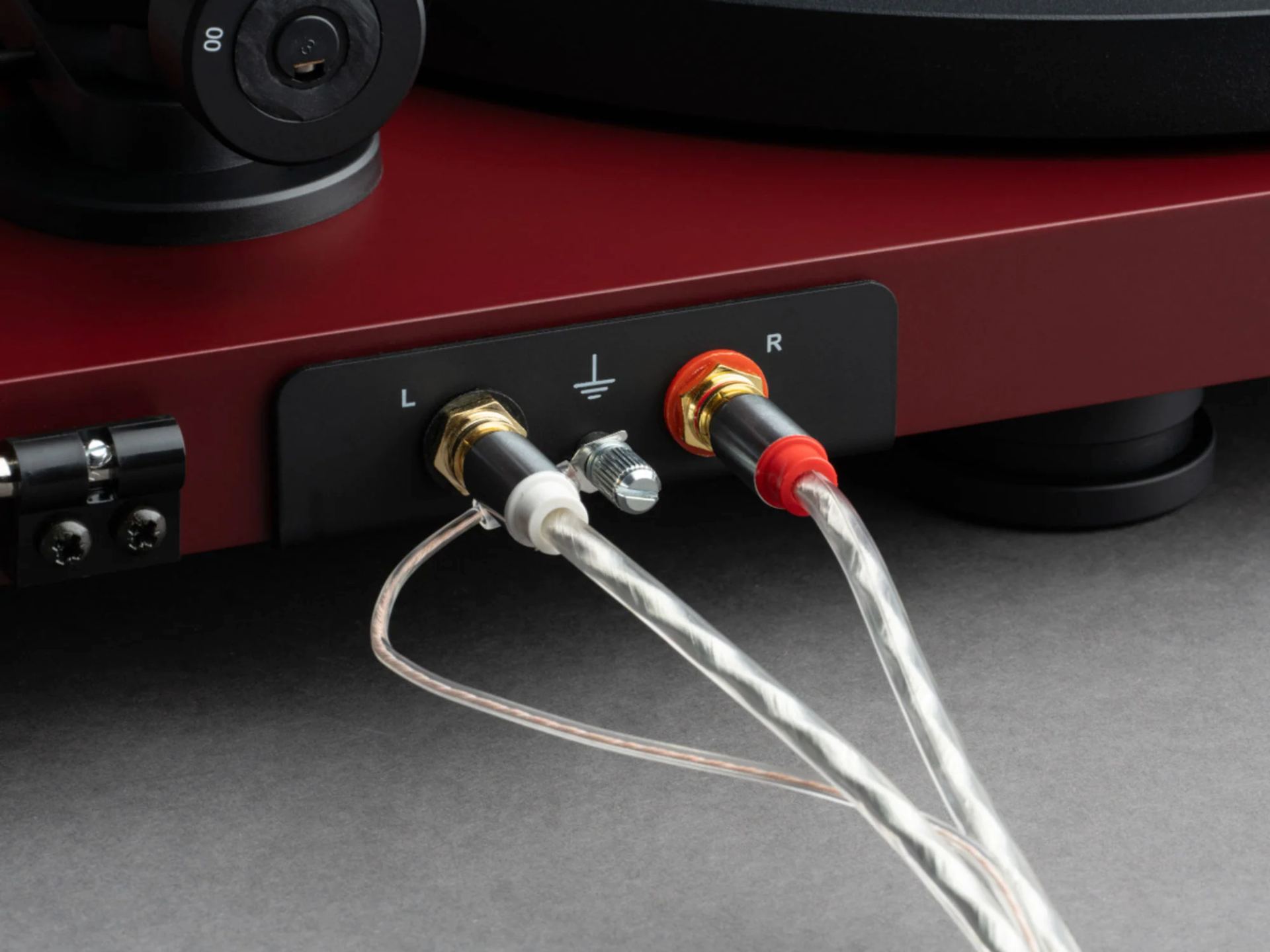
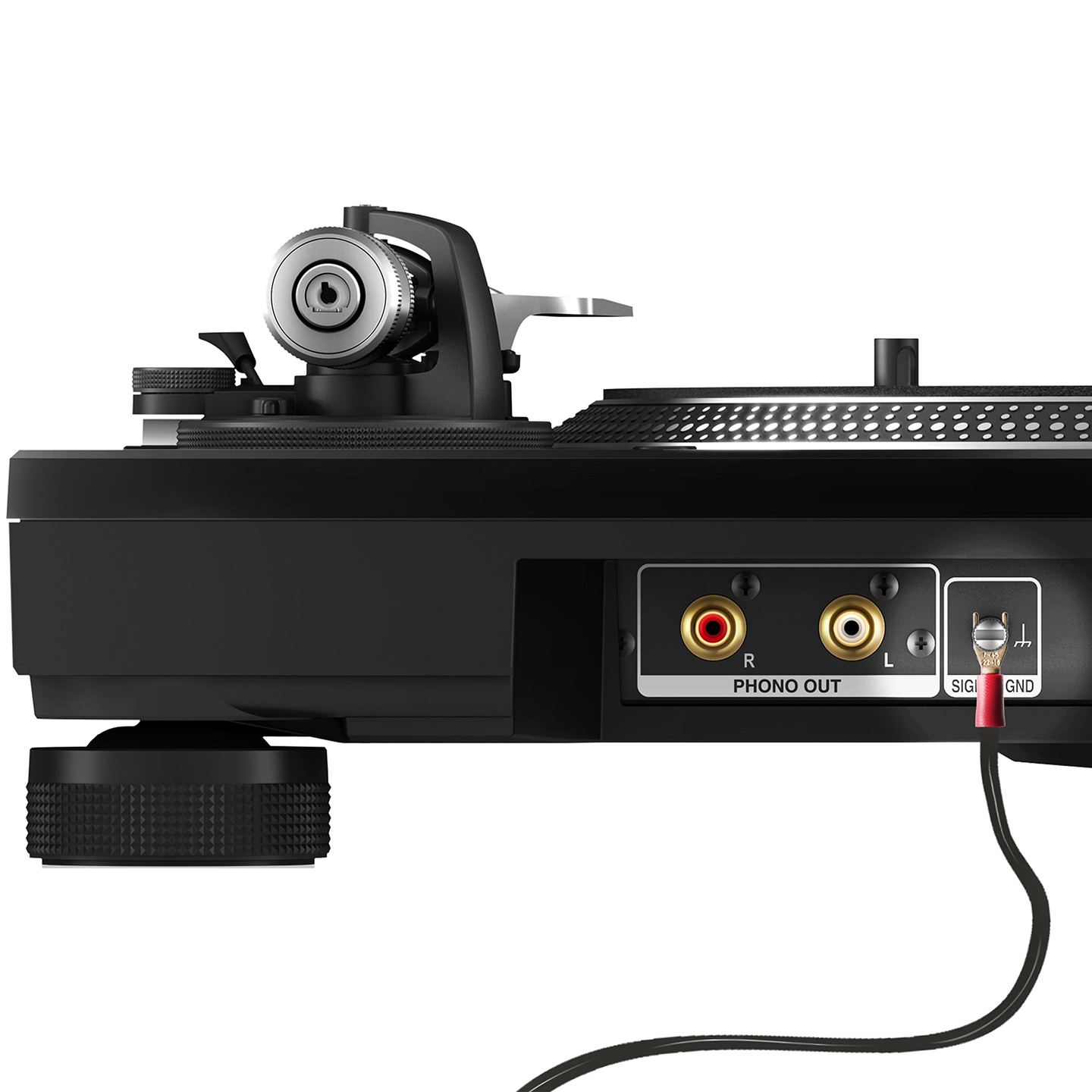
On the turntable side, the ground cable connects to a dedicated terminal, often identified by the labels GND, GROUND, or the ground symbol (three descending horizontal lines). This terminal typically takes the form of a wing nut, standard screw, or terminal to tighten.
On the preamplifier or amplifier side, connection is made to the corresponding GND terminal. If the device doesn’t have a dedicated terminal (common on amplifiers without phono input), the ground can be attached to any metal screw on the chassis, provided it’s connected to the electrical installation’s ground.
Some audiophiles connect the ground cable directly to a wall ground outlet. This practice works, but the result is generally identical to a connection on the preamp, whose metal chassis is already at ground potential via its own power supply.
Technical specifications
High-performance ground cables use oxygen-free copper (OFC - Oxygen Free Copper) to guarantee optimal conductivity and minimal resistance. Conductor diameter varies between 0.5 mm² and 2 mm depending on models.
Terminations come in several formats:
- Spade or ring terminals for screw-on connections
- Alligator clips for quick connection
- Bare ends to wrap around a screw
Standard length ranges from 0.5 m to 3 m. The length should be adapted to the actual distance between turntable and preamp, without excess. A cable that’s too long risks picking up more interference, while a cable that’s too short puts tension on the connections.
Separate or integrated cables
Two approaches coexist on the market. Traditional phono cables integrate the ground wire directly into the sheath that groups the two RCA conductors. This all-in-one solution simplifies installation and limits clutter.
Separate ground cables offer more flexibility. They allow the use of any quality stereo RCA cable for the audio signal, while ensuring grounding via a dedicated conductor. This configuration appeals to audiophiles who want to optimize each element of their system independently.
Compatibility
Ground cables are universal and compatible with all turntables and all preamplifiers equipped with a GND terminal. No distinction exists between DJ turntables and Hi-Fi turntables for this type of cable.