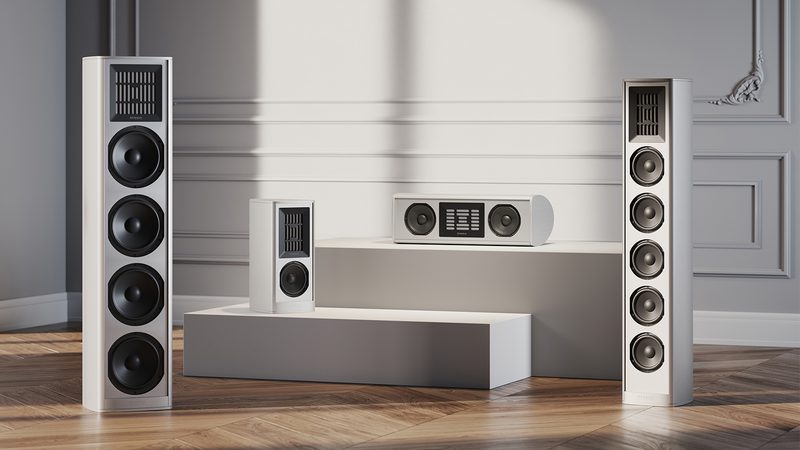

Piega Coax 811 Gen2 Silver (pack of 2)


Overview
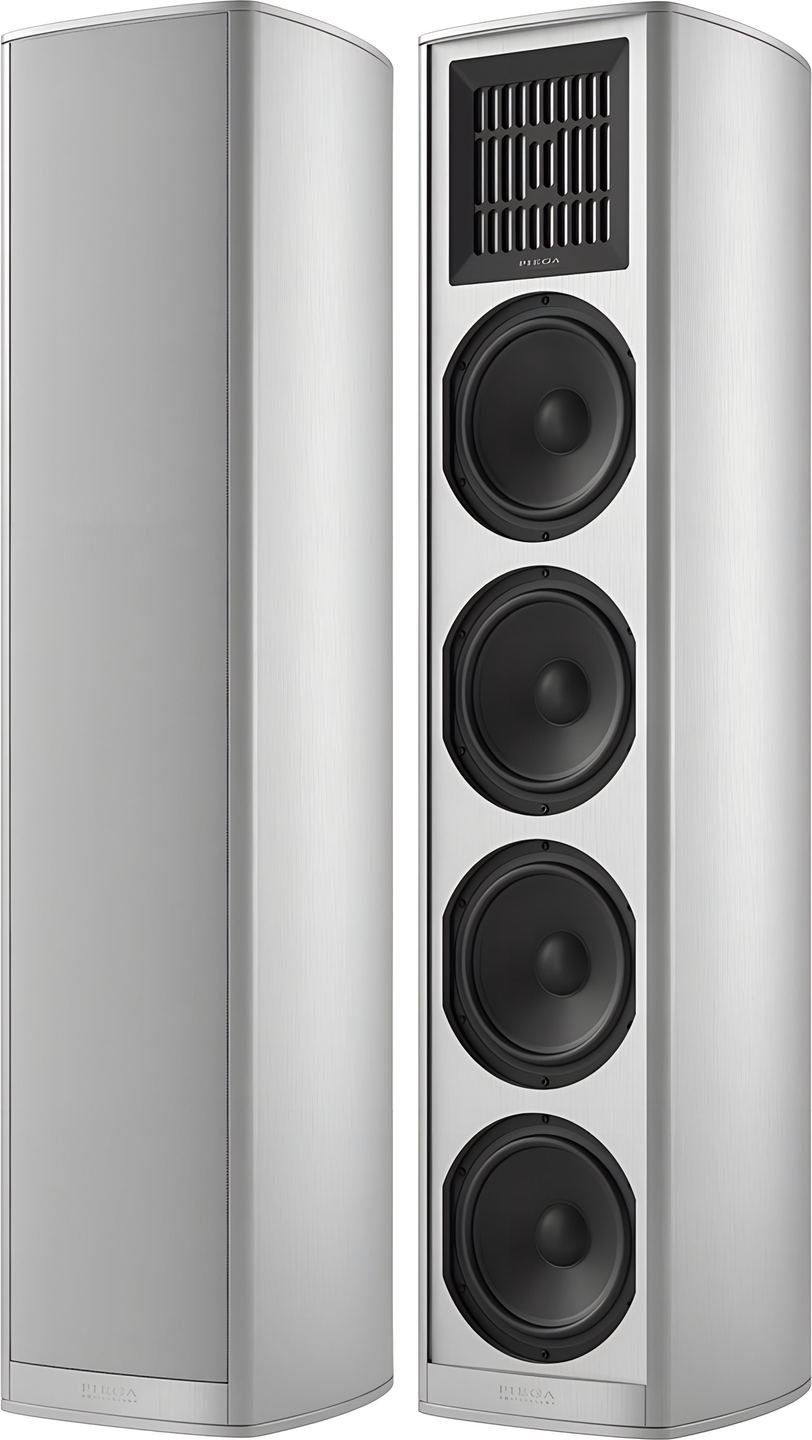
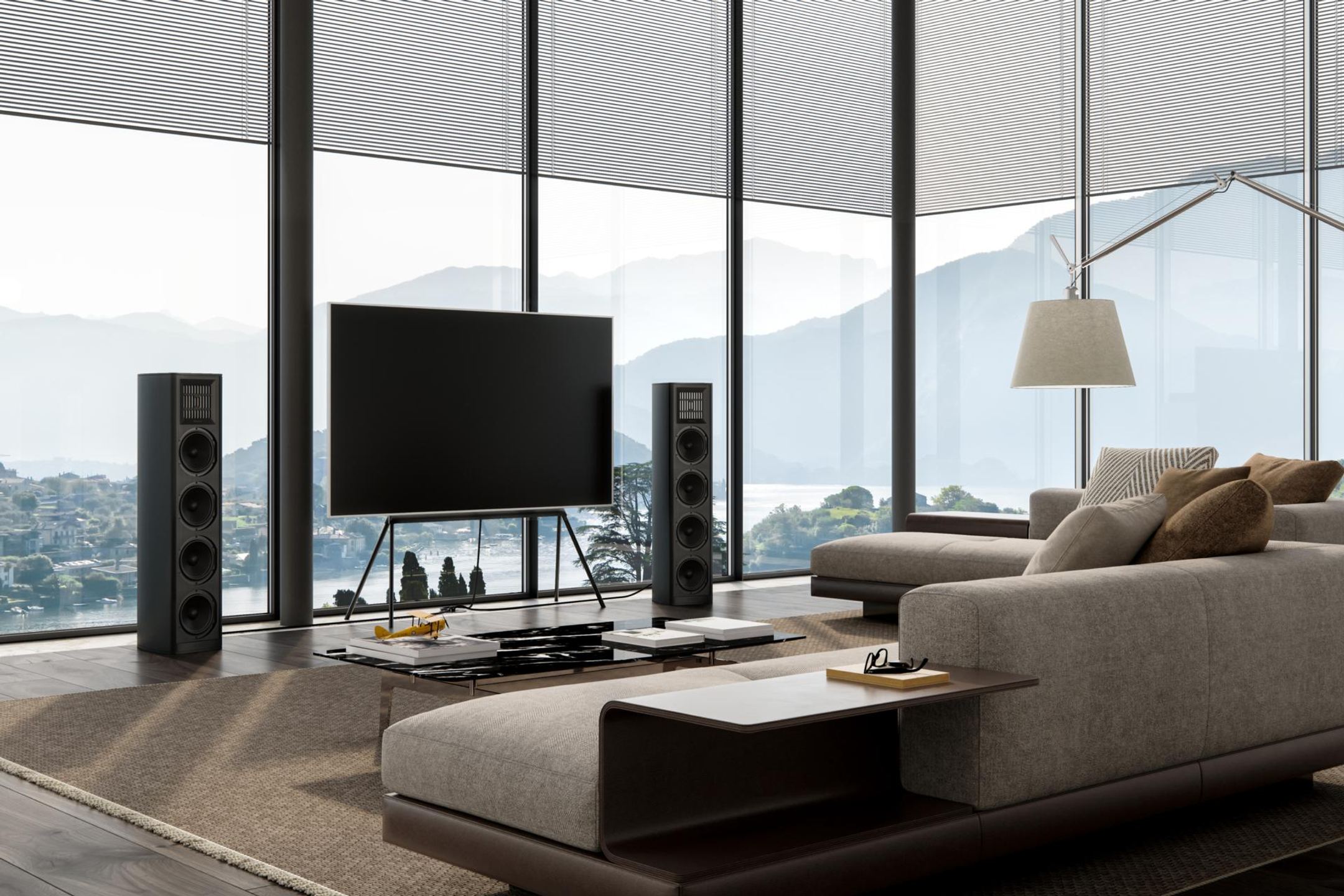
Swiss manufacturer Piega, based in Horgen on the shores of Lake Zurich since 1986, has developed for its Coax Gen2 series a floorstanding loudspeaker that reprises the brand’s trademark coaxial ribbon architecture, but in unprecedented proportions. Standing 124 cm tall and weighing 63 kg, the COAX 811 fully embraces its status as the flagship of a completely redesigned range, unveiled at the High End show in Munich in 2022.
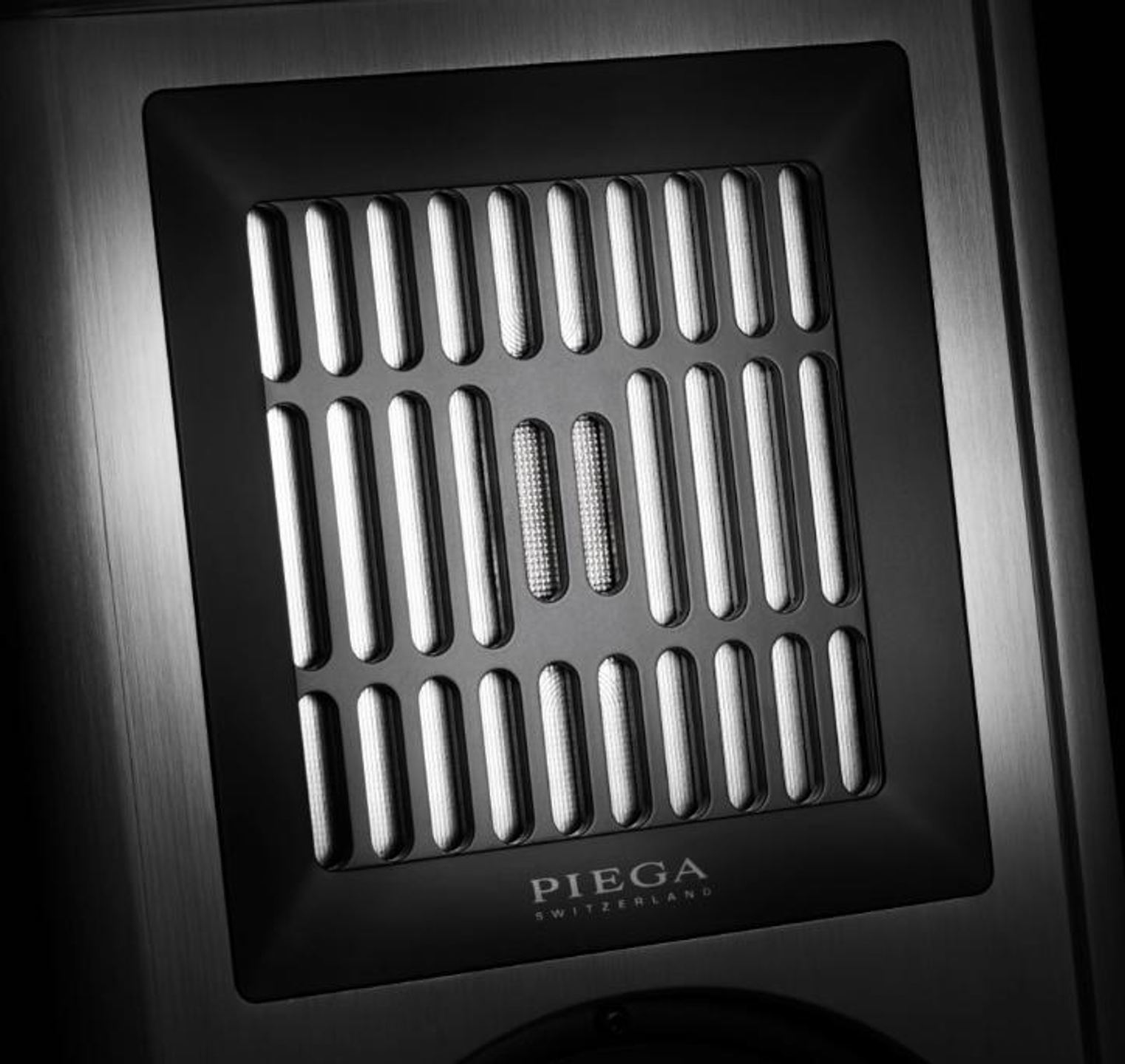
A coaxial ribbon driver that behaves like a point source
The heart of the COAX 811 lies in its C212+ module, a coaxial driver where the ribbon tweeter is positioned at the exact center of a square-shaped ribbon midrange. This concentric layout means both elements radiate from the same point in space. In practice, regardless of the listening position, height, or distance, the mid and high frequencies always arrive in phase at the ear. Voices, whether vocal or organ, retain a stable and coherent placement within the soundstage.
The diaphragms used are 0.02 mm thick—just a few hairs—and weigh only a fraction of a gram. This lightness allows for very fast transient response. On the 811, the surface area of the coaxial ribbon is larger than on the 411 and 611 models from the same series. The required excursion is therefore reduced, which increases the driver’s dynamic capabilities. The C212+ handles frequencies from 450 Hz upward, covering the critical vocal reproduction range.
Four 220 mm woofers, including two passive radiators
The bass section employs four 220 mm drivers manufactured by Norwegian company SEAS to Piega’s specifications. Two of them are active and driven by the amplifier. The other two operate as passive radiators: they are set in motion by the internal acoustic pressure of the cabinet. This system allows the speaker to reach a 22 Hz low-frequency response while limiting the excursion of the active woofers. The result: less distortion at high volumes and better power handling.
The loudspeaker is a sealed design, with no port. The absence of a vent eliminates turbulence noise and the temporal smearing associated with bass-reflex enclosures. The usual downside of this type of loading—lower efficiency in the very deep bass—is offset here by the substantial cabinet volume and the contribution of the passive radiators.
An aluminum cabinet under controlled tension
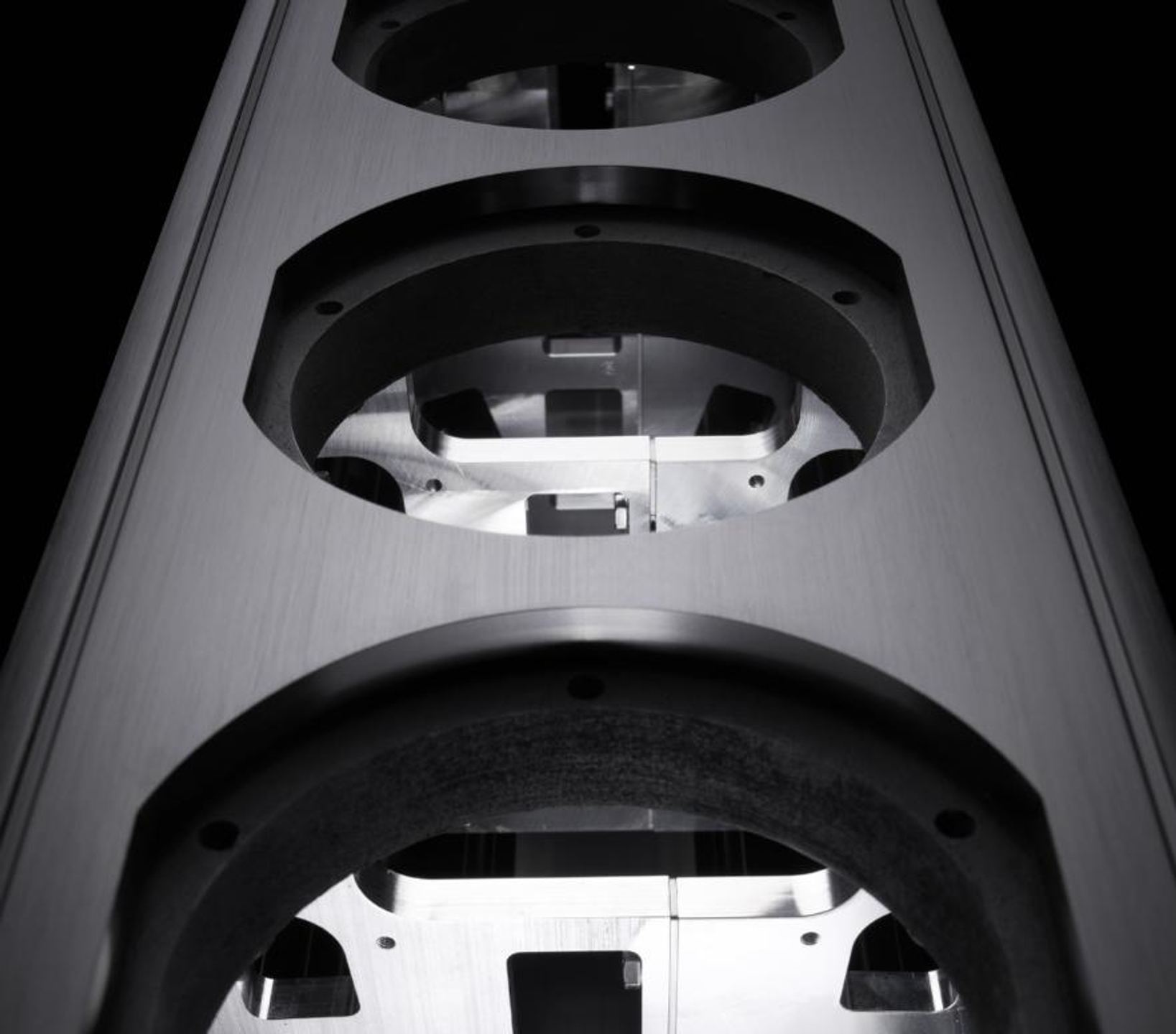
The seamless extruded aluminum chassis has been a long-standing Piega hallmark. Aluminum offers rigidity and low mass but has one drawback: it can resonate like a bell. To counter this tendency, Piega developed the TIM2 system (Tension Improve Module, second generation).
Ten vertical rails integrated into the extruded profile are pulled toward the center of the column by four horizontally mounted, CNC-machined solid aluminum plates, which are manually tightened during assembly. The cabinet is thus kept under constant tension. The difference compared to the first-generation TIM: the original system exerted pressure outward, whereas TIM2 applies tension inward. This approach improves structural rigidity. Viscoelastic sheets placed inside the enclosure absorb any remaining resonances.
Swiss architect Stephan Hürlemann designed the silhouette of the column: a slightly curved front baffle and an oval profile tapering toward the rear. The design dates back several years but still looks fresh.
Placement and amplification
With a nominal impedance of 4 ohms and a rated sensitivity of 92 dB, the COAX 811 is relatively easy to drive. Piega specifies a power range of 20 to 250 W. A modest amplifier can therefore run it, although having a power reserve allows you to fully exploit its dynamic capabilities at high listening levels.
The speaker is equipped with two pairs of binding posts for bi-wiring or bi-amping. Jumper plates are supplied for single-wiring use.
The weight of 63 kg per speaker makes handling tricky but manageable for two people. Once in position, the mass contributes to stability. The grilles attach magnetically and sit flush with the cabinet. Piega supplies a magnetized tool shaped like an oversized chess pawn to remove them without damaging the fabric.
Technical specifications
Transducers and acoustic system
- C212+ coaxial ribbon
- Clear, precise highs and mids
- Larger diaphragm surface than on Coax 411 and 611 models
- Reduced excursion for increased dynamics and openness
- Frequencies always emitted in phase for precise sound imaging
- UHQD woofers and bass reproduction
- 2 active 220 mm woofers
- 2 passive 220 mm radiators
- Manufactured by SEAS to Piega specifications
- Powerful, precise, and dynamic bass
Cabinet and construction
- Extruded aluminum cabinet
- Seamless construction for optimal rigidity
- Effective reduction of unwanted resonances
- TIM2 module (Tension Improvement Module 2)
- Cabinet tension control system
- Reduces speaker resonances for purer sound
Electroacoustic specifications
- Type: 3-way floorstanding speaker
- Recommended amplifier power: 20 – 250 W
- Sensitivity: 92 dB/W/m
- Nominal impedance: 4 Ω
- Frequency response: 22 Hz – 50 kHz
Dimensions and weight
- Dimensions (H × W × D): 124 × 29 × 42 cm
- Weight: 63 kg
Available finishes
- Standard finishes: brushed silver aluminum, black anodized brushed aluminum, white lacquered
Frequently Asked Questions
What is the difference between the COAX 811 and the COAX 711 LTD?
The 711 LTD belongs to the previous generation. The 811 has a larger cabinet for deeper bass, the new TIM2 module instead of the original TIM, and the C212+ coaxial ribbon with an additional neodymium magnet above the tweeter. The 711 remains in the catalog for fans of Piega’s classic sound.
Do I need a powerful amplifier to drive the COAX 811?
Not necessarily. The 92 dB/W/m sensitivity allows a 20 W amplifier to deliver a comfortable listening level in a typical home environment. A more powerful amplifier will be useful for high volumes and large rooms, or to fully exploit the speaker’s dynamic headroom with music that has strong peaks.
Can the COAX 811 be used close to a rear wall?
Piega recommends leaving at least 30 to 40 cm between the speaker and the rear wall. The sealed loading and the built-in absorption of rear radiation in the upper-bass/midrange make the speaker less sensitive to boundary effects than many bass-reflex floorstanders.
Is the speaker suitable for a home cinema system?
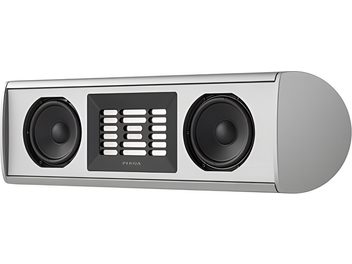
Yes. The COAX Center 211 from the same series uses a C112+ coaxial ribbon and UHQD woofers with identical design, ensuring tonal consistency with the 811 floorstanders. Matching finishes and colors are available across the entire Coax Gen2 range.
Why is it more expensive than conventional dome-based speakers?
Piega has been manufacturing its coaxial ribbons in-house since 1986. This proprietary transducer, combined with Swiss manufacturing, the extruded aluminum cabinet, and hand assembly with individual tuning of each speaker, explains its price positioning.
How long is the running-in period?
Piega does not provide an official break-in time. Since the ribbons are extremely light, they reach their intended behavior quickly. In general, a few dozen hours of use are enough for the woofer suspensions to loosen up.
- Eco-contribution included in the sale price.
- Manufacturer reference: 692462