

The Importance of Asynchronous USB
August 07, 2013
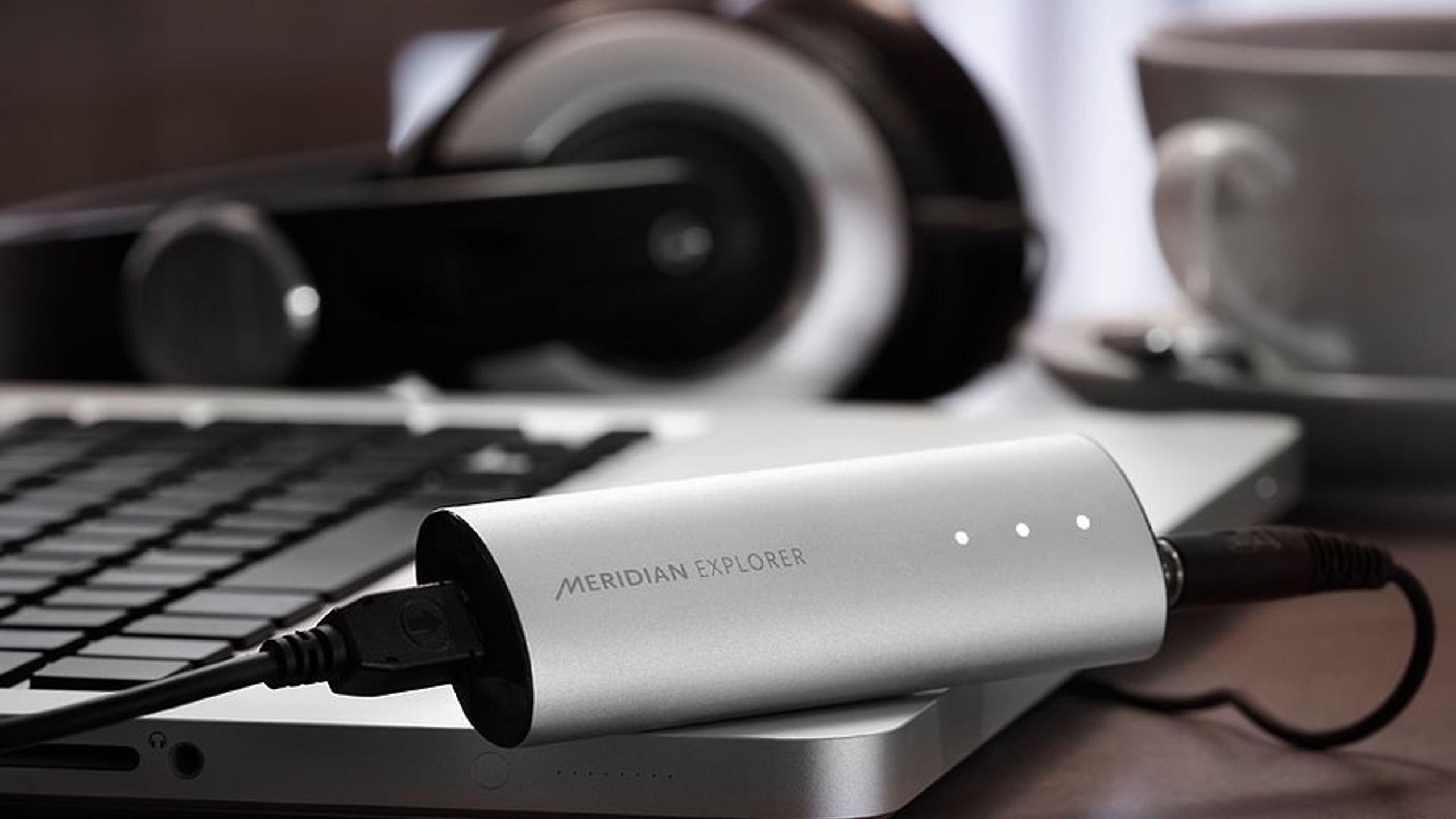
Since the advent of dematerialized music, DACs optimize their signals by integrating asynchronous USB to reduce jitter issues and provide the best sound reproduction.
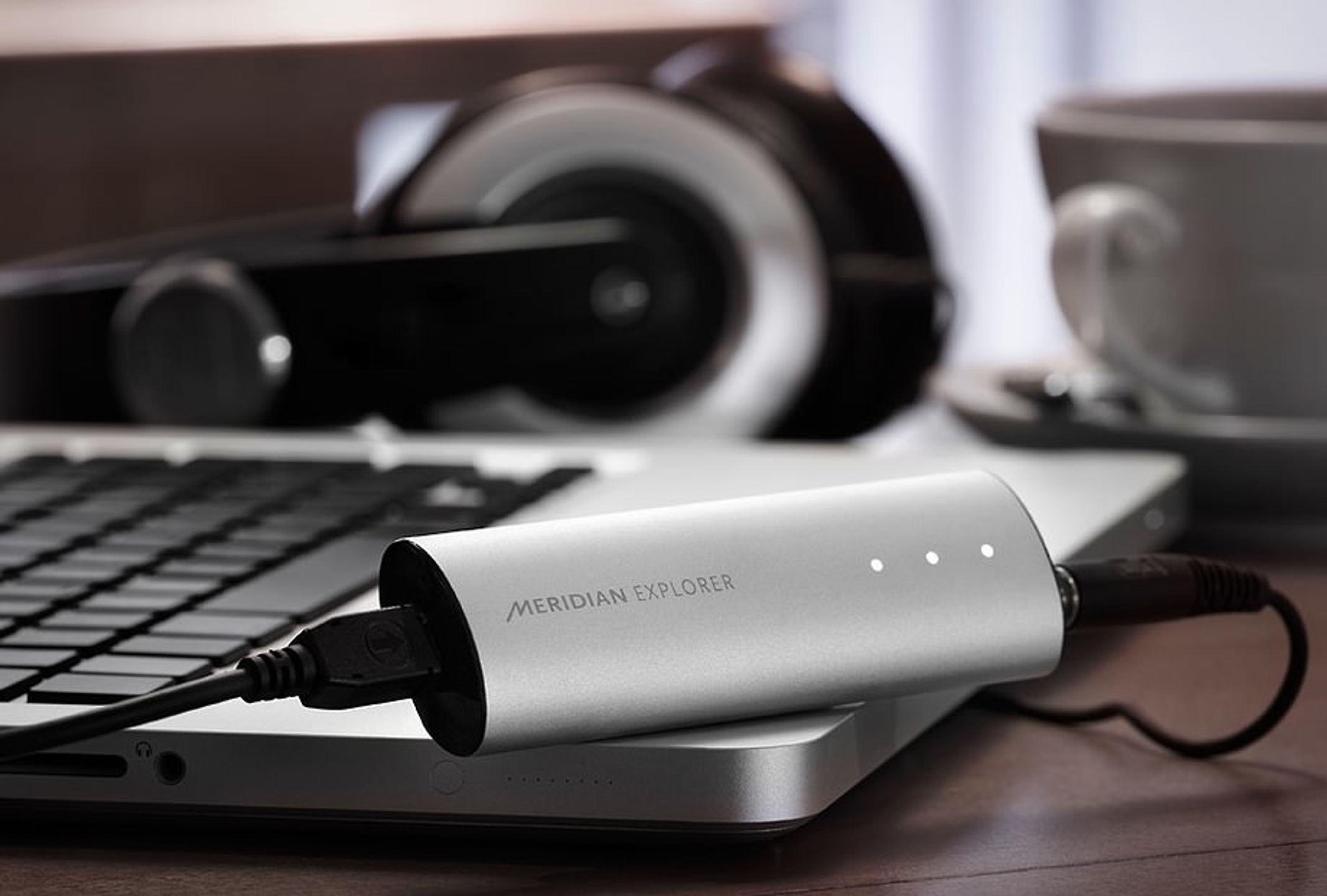
You will find on converters a USB Class 2 output, more commonly known as Asynchronous USB, which allows you to receive most audio formats without constraints, such as WAV or FLAC formats. It creates a buffer zone at the converter level to optimize the data output from your computer and deliver the most audiophile-quality sound possible.
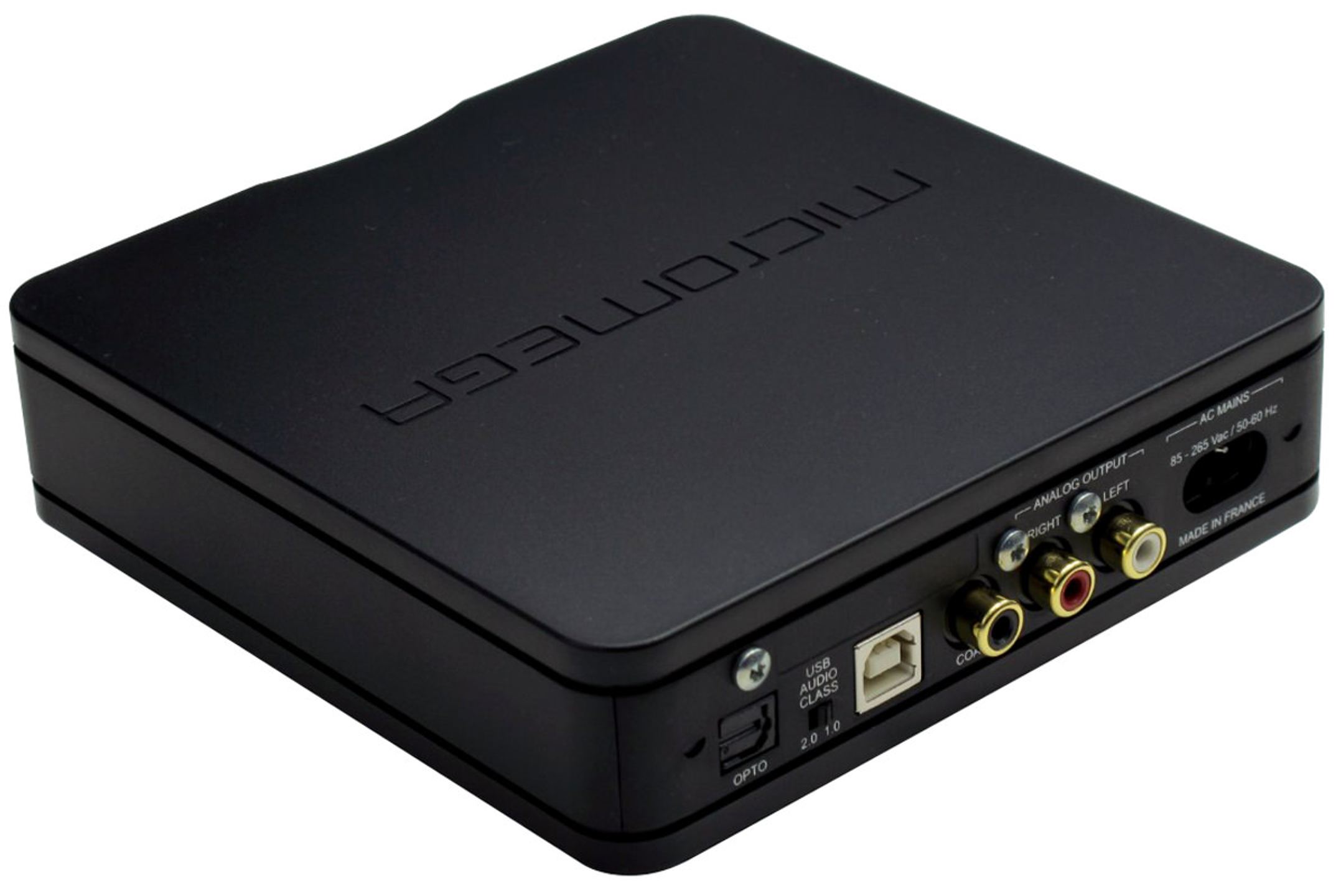
For example, USB Class 1 supports 96KHz/24Bit, while USB Class 2 or Asynchronous USB supports 192KHz/24bits, enabling richer sound reproduction. Even though asynchronous data transfer is much more reliable, it complicates the architecture of converters, resulting in a higher price.
Popular products
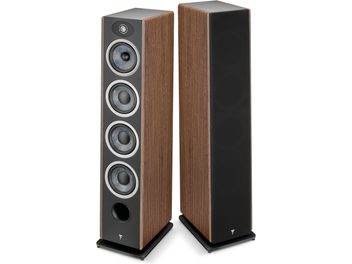
- FocalVestia N°3 walnut (pack of 2)Tower SpeakerIn stock€1,178
- SofabatonX2Universal Remote ControlIn stock€349
You may also like to read
 Naim Mu-so Utopia: a soundbar equipped with Focal Utopia speakersHi-fi and home cinema news
 Apple TV 4K 2026: should you replace the 2022 model?Hi-fi and home cinema news
 NAD C359S and C569: a connected amplifier and a CD player for the Classic SeriesHi-fi and home cinema news
 Which Denon home theater receiver should you choose in 2026?Comparisons and buying guides
 WiiM Amp, Amp Pro or Amp Ultra: what are the differences between the three streaming amplifiers?Comparisons and buying guides
 Can a projector really replace a TV for everyday use?Comparisons and buying guides