

Digital Coaxial Cables
The digital coaxial cable carries the S/PDIF-format audio signal between your sources (CD player, Blu-ray, network player) and your amplifier or DAC. With a standardized 75-ohm impedance and RCA or BNC connectors, it ensures reliable transmission of stereo or multichannel streams. Shielding protects against electromagnetic interference to preserve signal integrity. Learn more
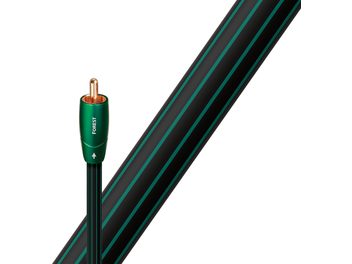
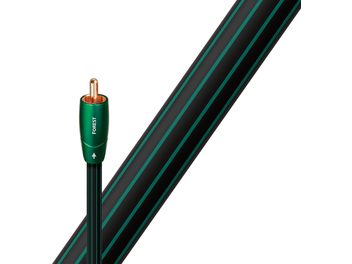
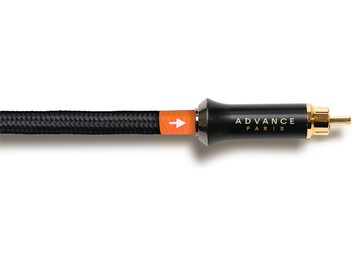
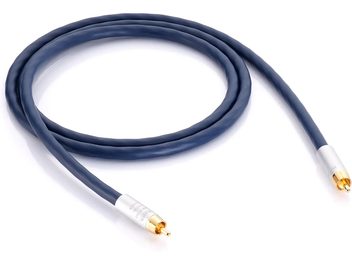
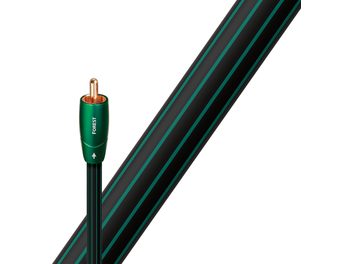
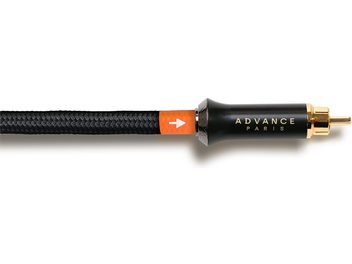
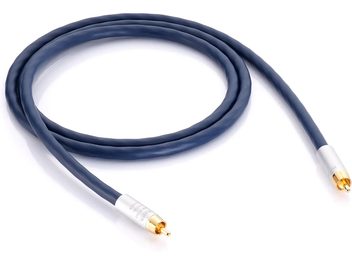
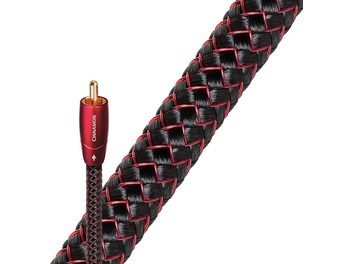
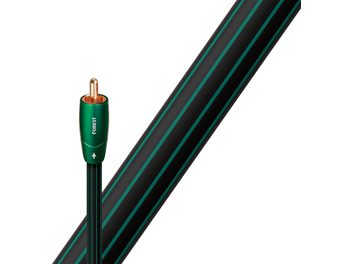
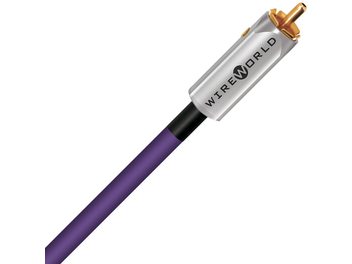
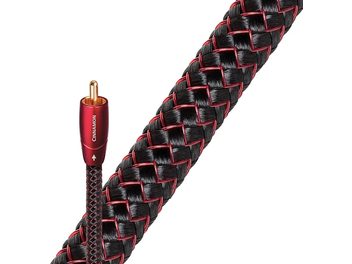
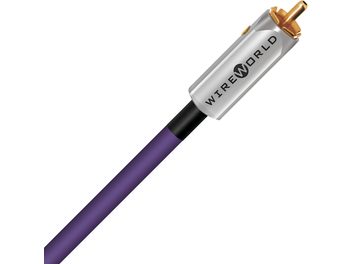
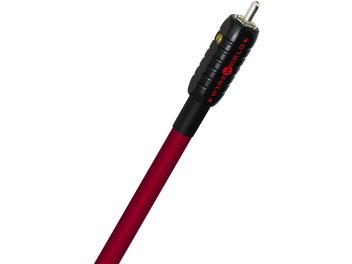
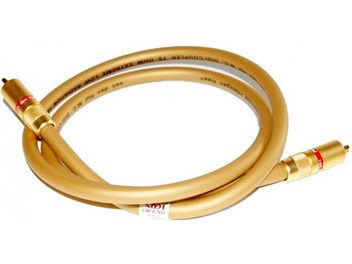
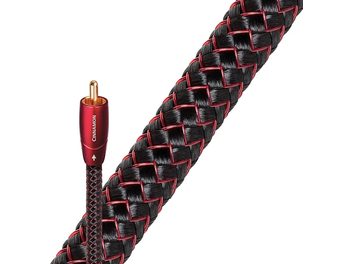
Operation and technical specifications
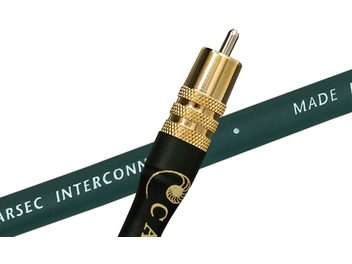
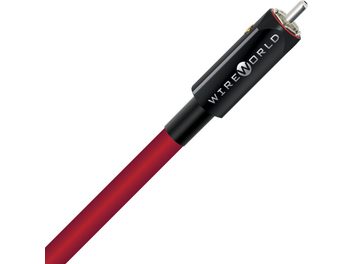
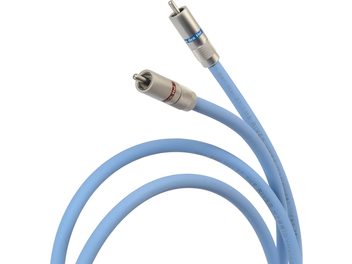
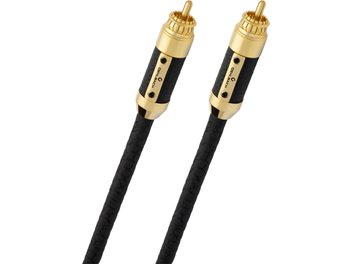
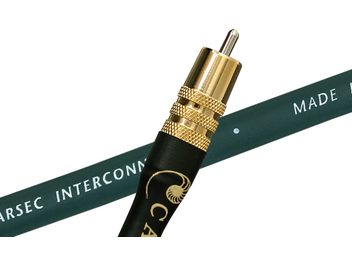
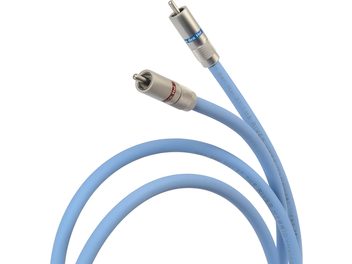
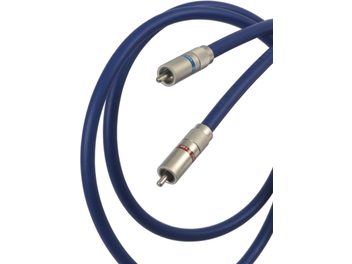
A digital coaxial cable is defined by its specific structure: a central copper conductor (often OFC oxygen-free copper), surrounded by an insulating dielectric, shielding, and an outer jacket. This architecture ensures a constant 75-ohm impedance, essential for transmitting digital audio data according to the S/PDIF (Sony/Philips Digital Interface) standard.
Unlike conventional analog cables that also use RCA connectors, the digital coaxial cable meets precise technical constraints. The 75-ohm impedance must be maintained along the entire length of the cable and within the connectors to avoid signal reflections and ensure optimal decoding of Dolby Digital or DTS formats by your home theater amplifier.
Applications and compatibility
This type of connection links your digital sources to an external digital-to-analog converter (DAC), a Hi-Fi amplifier with an integrated DAC, or a home theater amplifier. Compatible sources include CD transports, DVD and Blu-ray players, network audio players, streamers, and TVs equipped with a digital coaxial output.
The digital coaxial cable offers higher bandwidth than the TOSLINK optical cable and supports high sampling rates, up to 192 kHz. Over long distances, it also exhibits less signal attenuation than the optical link. However, its design makes it susceptible to electromagnetic interference, hence the importance of quality shielding.
Selection and build quality
Choosing a digital coaxial cable depends on several factors: the distance between devices, the performance requirements of your setup, and the electromagnetic environment. A cable that is too long can introduce inductance, while a cable that is too short may put strain on the connectors.
Entry-level models are suitable for standard setups, with copper conductors and gold-plated connectors to resist oxidation. High-end cables use high-purity conductors (OFC copper, LGC, or silver), multiple insulations, and reinforced shielding to optimize signal transmission in demanding audio systems. The quality of materials and careful manufacturing also ensure longevity and consistent performance over time.
The digital coaxial cable remains an essential link in your audio chain. As with any element of a Hi-Fi or home theater setup, the weakest link determines the final quality of sound reproduction.