Introducing Dolby Atmos and DTS-X
April 05, 2016
Contents
Two new 3D audio formats arrive, this time aiming to conquer… the ceiling!
A quick look at Dolby Atmos and DTS-X.
Overview
Until now reserved for a few hundred cutting-edge cinemas worldwide, this young multidimensional audio technology is setting its sights on home cinema. Dolby Atmos and DTS-X are to audio what Ultra HD is to video: they enhance precision, not of the sound itself, but of its spatialization.
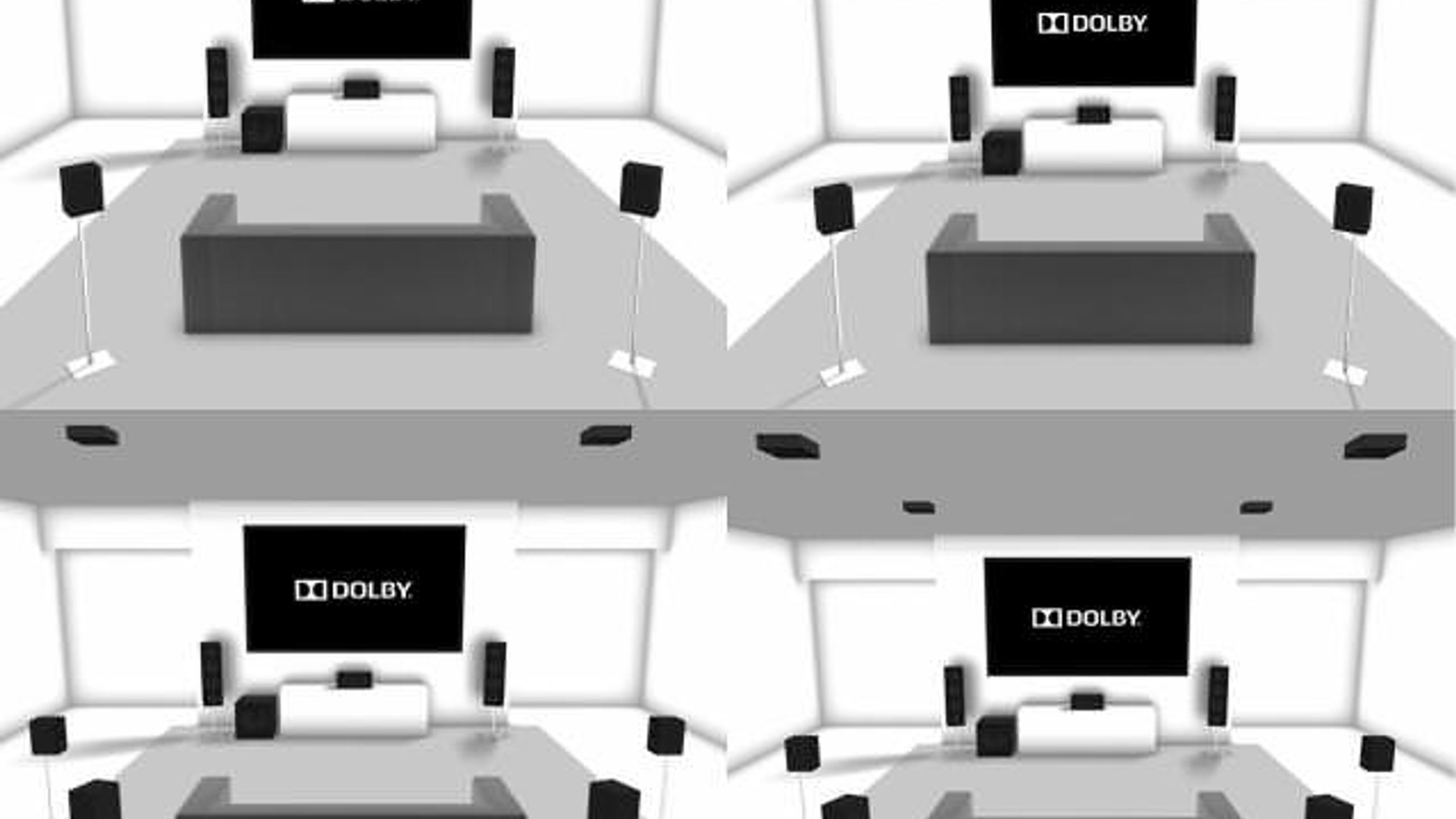
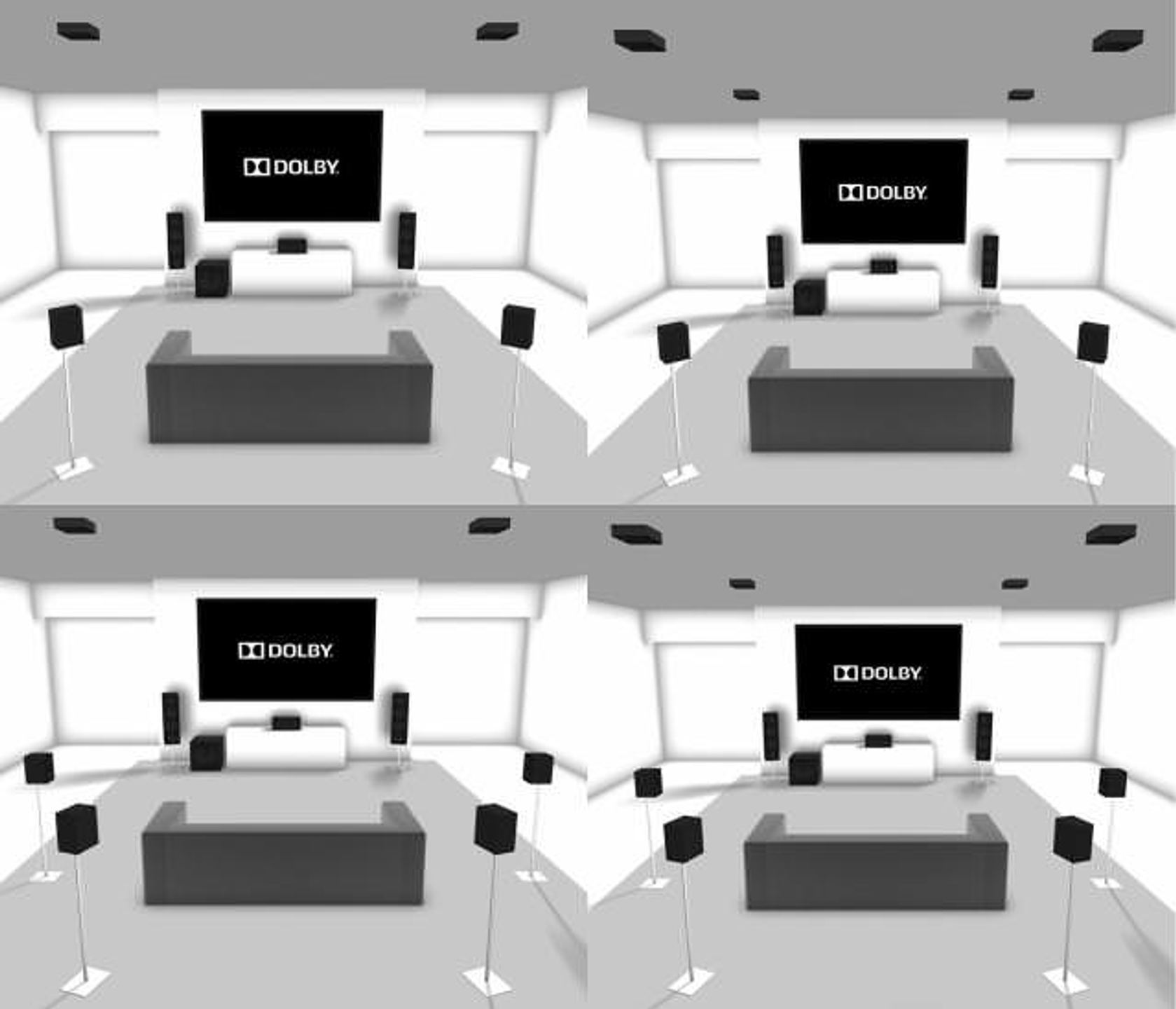
In practical terms, these setups include speakers above our heads, with 2 to 4 speakers enabling installations in 5.1.2 or 5.1.4 and in 7.1.2 or 7.1.4 depending on the amplifiers used. The first two numbers correspond to the existing 5.1 and 7.1 configurations, while the last number indicates the number of speakers positioned overhead.
Dolby Atmos
To reproduce this “3D sound,” Dolby was the first to introduce Dolby Atmos, which relies on speakers placed above the viewer to create its vertical effect.
DTS-X
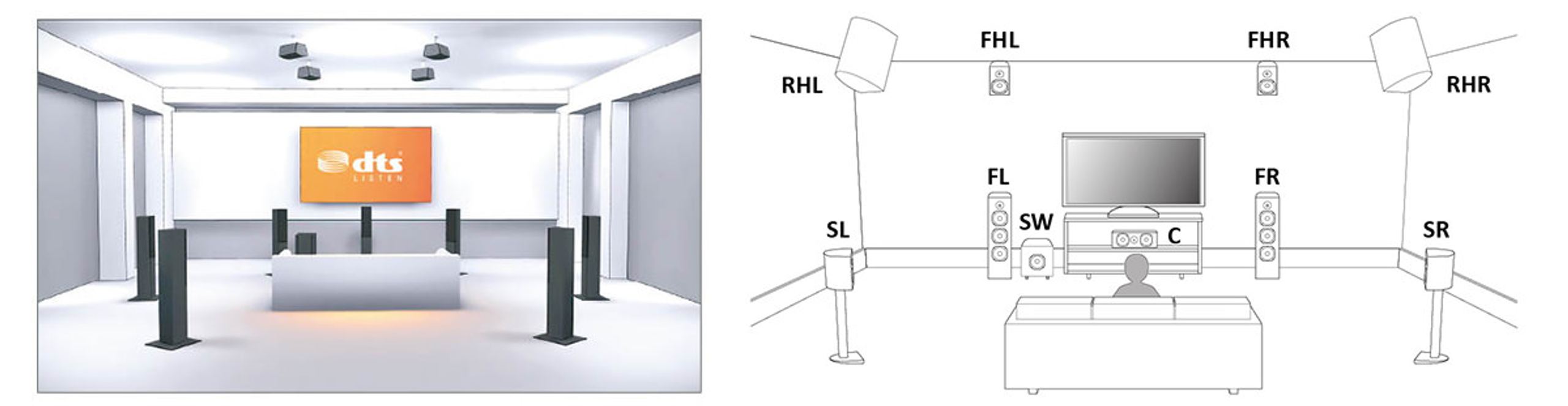
DTS’s response to Atmos is called DTS:X. It is also capable of projecting sound to any point in the room.
With DTS:X, the number of sound sources is virtually unlimited in theaters and also in home cinema. However, since the number of speakers is not infinite, DTS:X home cinema amplifiers operate on a 7.1.4 base like Atmos or even 7.2.4 (with a second subwoofer), but with the ability to adapt to any existing configuration (from 2.0 to 7.1, including 5.1 or even a soundbar) by distributing sound throughout the room using its renowned algorithms.
Popular products
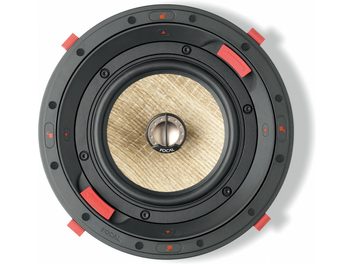
- Focal300 ICW6In-Ceiling SpeakerIn stock€399
You may also like to read
 Fyne Audio F1-10 Anniversary: an exceptional limited-edition hi-fi speakerHi-fi and home cinema news
 Naim Mu-so Utopia: a soundbar equipped with Focal Utopia speakersHi-fi and home cinema news
 Apple TV 4K 2026: should you replace the 2022 model?Hi-fi and home cinema news
 NAD C359S and C569: a connected amplifier and a CD player for the Classic SeriesHi-fi and home cinema news
 Which Denon home theater receiver should you choose in 2026?Comparisons and buying guides
 WiiM Amp, Amp Pro or Amp Ultra: what are the differences between the three streaming amplifiers?Comparisons and buying guides