

What is HDR or high dynamic range?
April 06, 2016

HDR, or high dynamic range, encompasses a set of digital techniques that allow for a greater dynamic range in an image.
This results in images that are much more realistic and natural. Brightness is significantly stronger, contrast much more intense, and colors closer to reality.
How is this possible?
Let’s take the example of a photo. Often, when taking a picture, it is either too bright (overexposed) or too dark (underexposed). The principle of HDR is actually simple: it involves taking several photographs of the same scene with different exposures and combining the best parts of each.

HDR in our televisions
The method described above is now also available in video, thanks to cameras that capture images with a much wider dynamic range, particularly through much broader color encoding. The result then needs to be refined through video grading.
Since new UHD 4K panels can now display more nuances, increased brightness is required to highlight this greater dynamic range. Manufacturers take advantage of this to offer brighter images, aiming to more faithfully reproduce light sources such as the sun, lamps, or candles, while also making it possible to display details in the rest of the image.

Popular products


You may also like
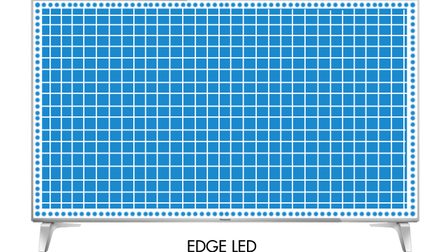 The different types of LED TV backlightingHi-fi and home cinema news
 What is the VESA standard?Concepts and technologies
 Discover the New Just Racks JRM 1650 CollectionHi-fi and home cinema news
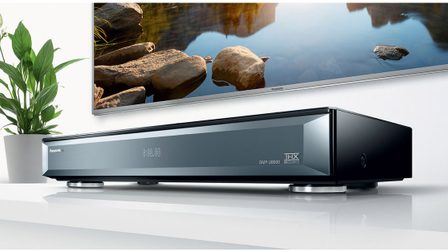 1st Native 4K Blu-ray Player by PanasonicHi-fi and home cinema news
 Onkyo TX-NR656 and TX-NR555: New Mid-Range Amplifiers 2016Hi-fi and home cinema news
 Onkyo TX-RZ810 and TX-RZ710: Mid/High-End Amplifiers from 2016Hi-fi and home cinema news
 Polyglass, Slatefiber, Flax, W: understanding Focal speaker conesConcepts and technologies
 Introducing Dolby Atmos and DTS-XConcepts and technologies
 SONOS PLAY:5 (2nd Generation): For the Ultimate Musical ExperienceHi-fi and home cinema news
 Focal 300ICW Series In-Wall SpeakerHi-fi and home cinema news
 Introducing our Velodyne range, featuring the EQ-MAX series and the SPL seriesHi-fi and home cinema news
 Focal 300ICW: create an invisible home cinema systemComparisons and buying guides