

Hi-fi headphones and earphones
Hi-fi headphones and earphones deliver high-quality personal listening, whether on the go or at home. From open-back circumaural headphones for music lovers to closed-back noise-cancelling models for commuting, and including true wireless in-ear monitors, each format suits specific uses. Wired or Bluetooth connection, open or closed architecture, on-ear or over-ear configuration: the choice depends on your priorities among isolation, comfort, and sound rendering. Learn more

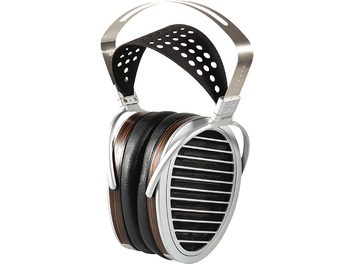
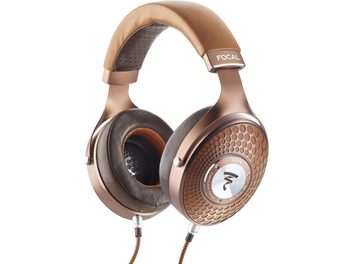
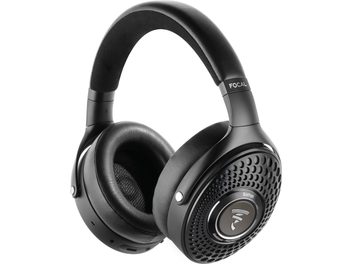
Formats and designs
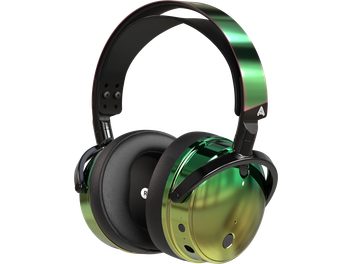
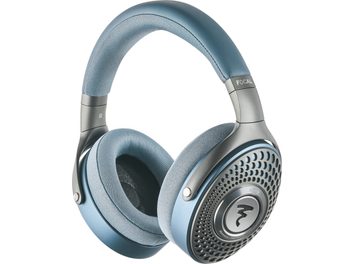
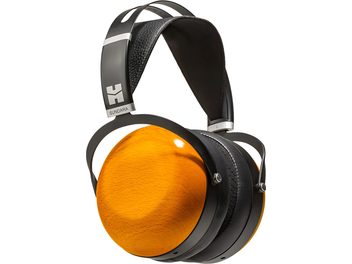
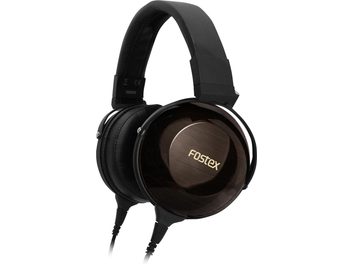
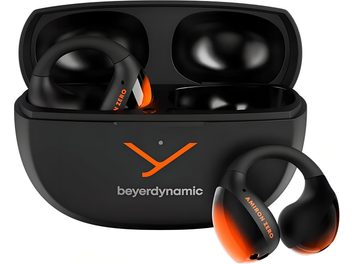
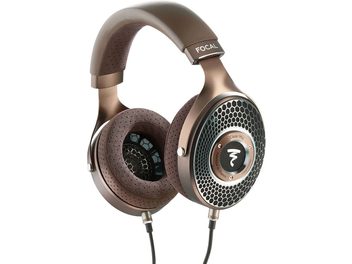
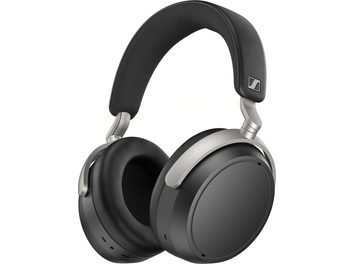
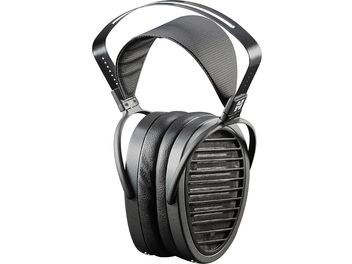
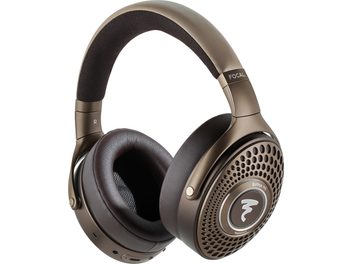
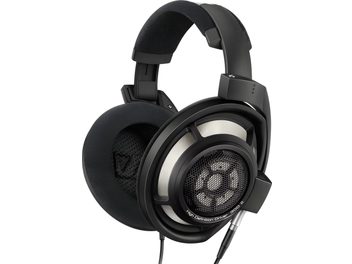
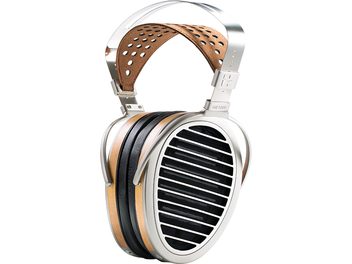
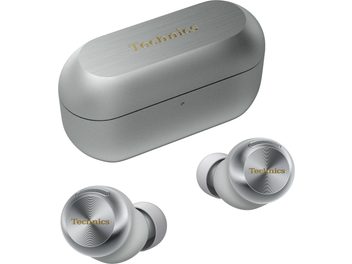
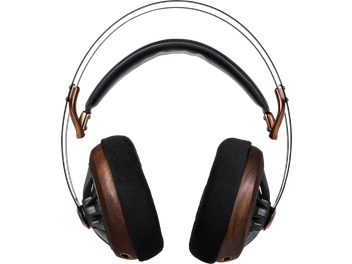
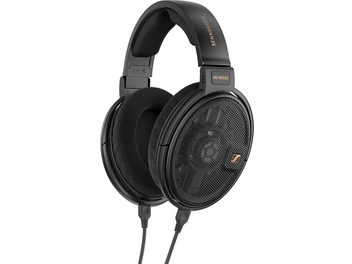
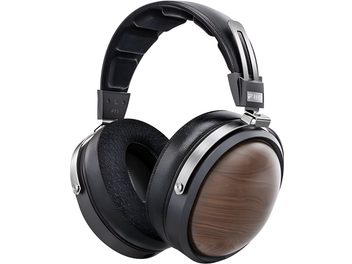
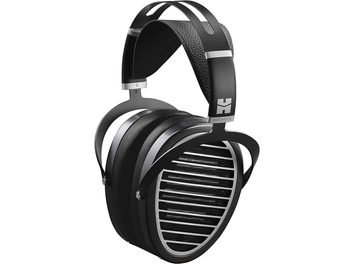
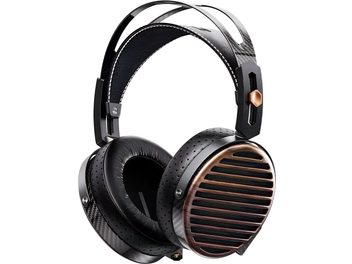
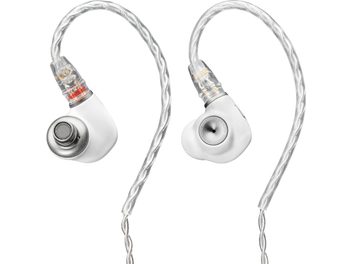
Choosing a pair of headphones starts with understanding the different available formats. Over-ear (circumaural) headphones completely surround the ear with pads that rest on the skull, offering long-term comfort and good passive isolation. On-ear (supra-aural) models, more compact, sit directly on the outer ear and are better suited to travel. In-ear earphones slip into the ear canal and disappear in everyday use.
Open or closed design directly affects the sound. Open-back headphones, with ventilated earcups, emphasize expansive soundstage and natural reproduction, ideal for critical listening at home. Closed-back headphones isolate from ambient noise and prevent sound leakage, suitable for commuting or noisy environments. Semi-open models offer a compromise between these two approaches.
Technologies and connectivity
Wired connection remains favored by audiophiles for its direct signal transmission, without compression or latency. 3.5 mm or 6.35 mm jack connectors equip most models, sometimes with detachable cables. High-impedance headphones (beyond 50 ohms) require a dedicated amplifier to reveal their potential, while low-impedance models work directly with smartphones and portable players.
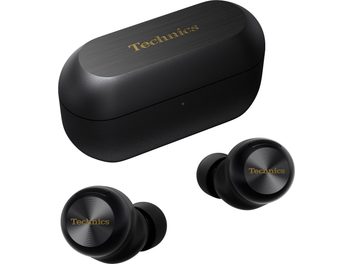
Bluetooth technology frees you from cables while maintaining satisfactory listening quality thanks to codecs like aptX, LDAC, or AAC. Wireless headphones commonly reach 20 to 60 hours of battery life depending on the model. Active Noise Cancellation (ANC) analyzes ambient sounds to cancel them out, particularly effective against low-frequency noise in transit. True Wireless earphones, completely cable-free, store in a charging case that multiplies total runtime three- to fourfold.
Sound quality and technical specifications
A hi-fi headphone’s frequency response ideally covers the human audible range, from 20 Hz to 20 kHz. Dynamic drivers equip most models, with diaphragm diameters varying by format. Planar magnetic or electrostatic technologies, found on certain high-end headphones, offer very low distortion and excellent detail retrieval.
Sensitivity, expressed in dB, indicates the sound level produced for a given power. A sensitive headphone (over 100 dB) runs easily from low-power portable sources. Impedance, measured in ohms, determines matching with the amplification source. Diaphragm materials (titanium, beryllium, ceramic) and acoustic design influence the sound signature.
Comfort and ergonomics
A headphone’s weight directly affects comfort during long listening sessions. Lightweight models, between 200 and 300 grams, can be worn for hours without discomfort. Memory foam or breathable synthetic leather earpads limit ear heat buildup. The adjustable headband should distribute pressure evenly across the skull without creating hot spots.
Single-sided cables are less obtrusive than a Y configuration. Some models offer detachable cables, making replacement easier in case of wear or allowing you to switch from wired to wireless with a Bluetooth adapter. Integrated controls (volume, playback, call handling) and voice assistants add everyday convenience.
Use cases and selection
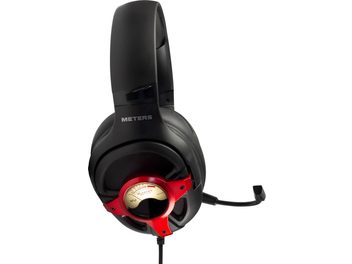
Home listening favors open-back over-ear headphones that aren’t constrained by weight or bulk. Monitoring and music production require precise, neutral closed-back models. Daily commuting calls for lightness, isolation, and battery life, with noise cancellation for noisy journeys. Sports require water resistance certification (IPX4 minimum) and a secure fit. Gaming benefits from headsets with a detachable microphone and spatial audio.
Headphone amplification becomes relevant to fully exploit audiophile models. A dedicated DAC/amplifier improves digital-to-analog conversion and supplies the power needed for demanding headphones. Audiophile digital audio players integrate these functions in a portable format.
The final choice depends on the balance you seek between sound quality, everyday practicality, and budget. Testing several models with your own music remains the best approach to identify the headphones suited to your sonic and ergonomic preferences.




