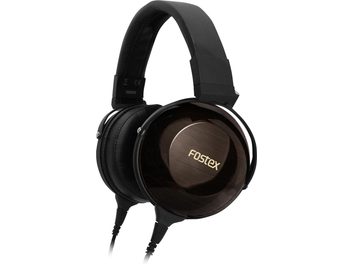
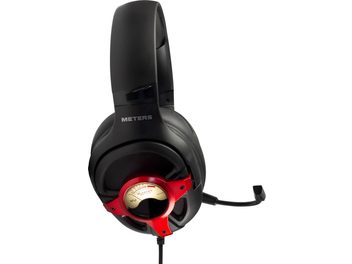
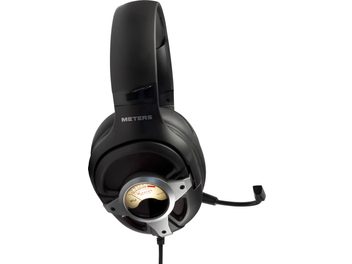
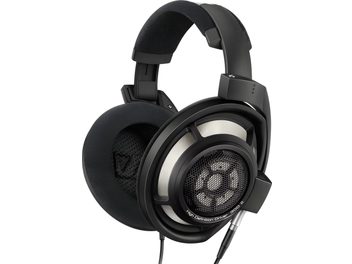
Wired headphones
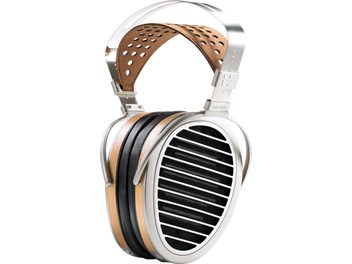
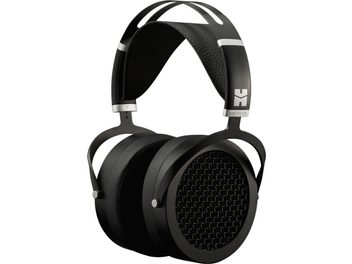
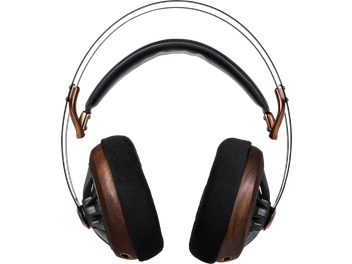
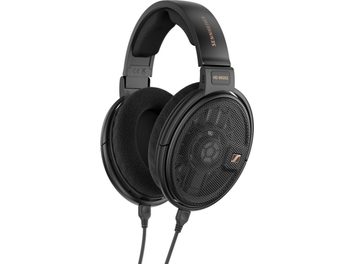
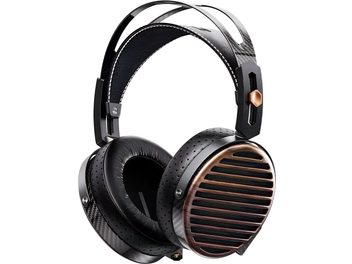
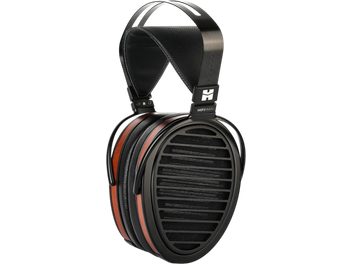
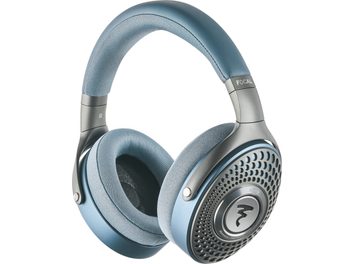
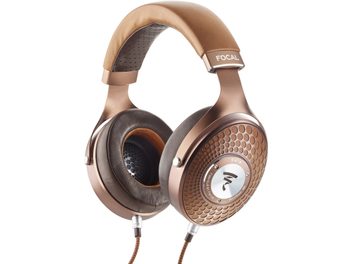
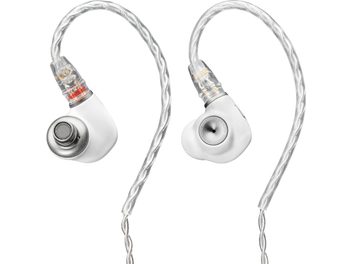
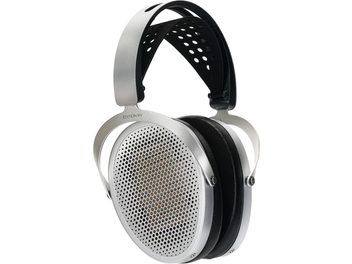
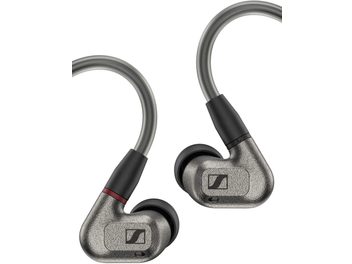
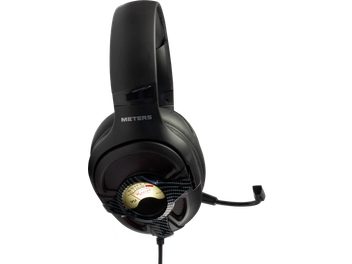
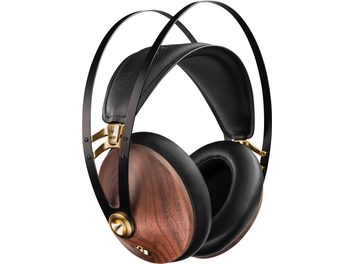
A wired headset connects the earcups to the source via a cable, with no battery or pairing required: plug it in, and sound comes through. This direct connection transmits the signal without radio compression or codecs, preserving fidelity and eliminating latency—useful for gaming, recording or editing. Nothing needs charging either, and the headset remains usable for years as long as the cable holds up, often detachable and replaceable if worn. Sound quality depends on the acoustic design and tuning specific to each model, but the source still plays its part: a low-impedance headset works with a phone or portable player, while a high-impedance model requires an amplifier or DAC capable of supplying voltage and current. Connection is via a 3.5 mm jack on portable headphones, a 6.35 mm jack on home models, and sometimes a balanced 4.4 mm socket that reduces background noise and separates channels more effectively. Open- or closed-back design then determines isolation and soundstage width. Compared with wireless, wired headphones offer less freedom of movement but gain in signal consistency and longevity. To bring out the best in a demanding headset, a portable amplifier or DAC provides the power a phone lacks; those who prioritize mobility should look instead at wireless headphones, and the full selection can be found in hi-fi headphones and earphones.