Armand
As expected 👍🖖
Comment from April 10, 2026 — Experience from March 13, 2026
Automatically translated — Show original (French)
Conforme à nos attentes 👍🖖
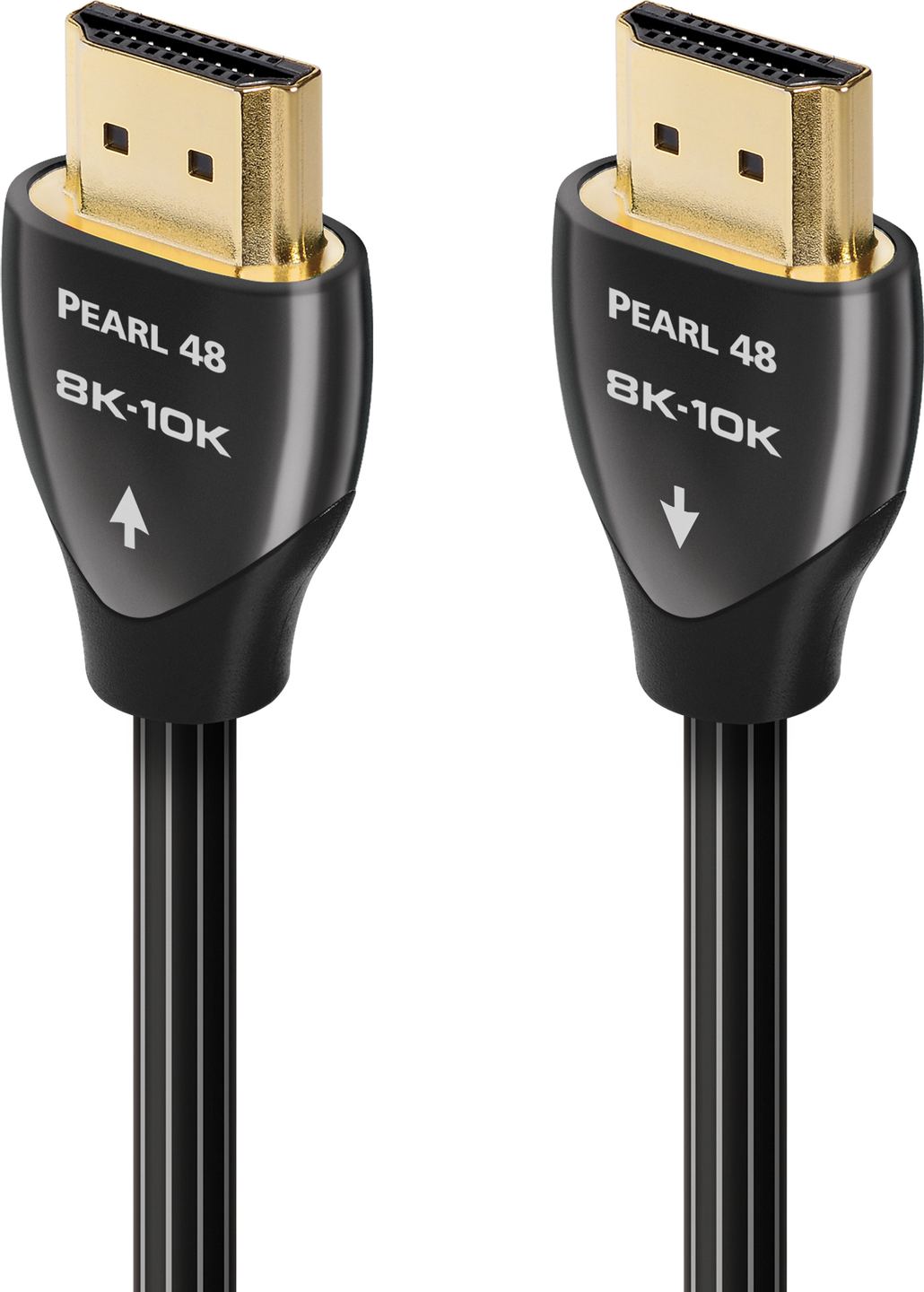


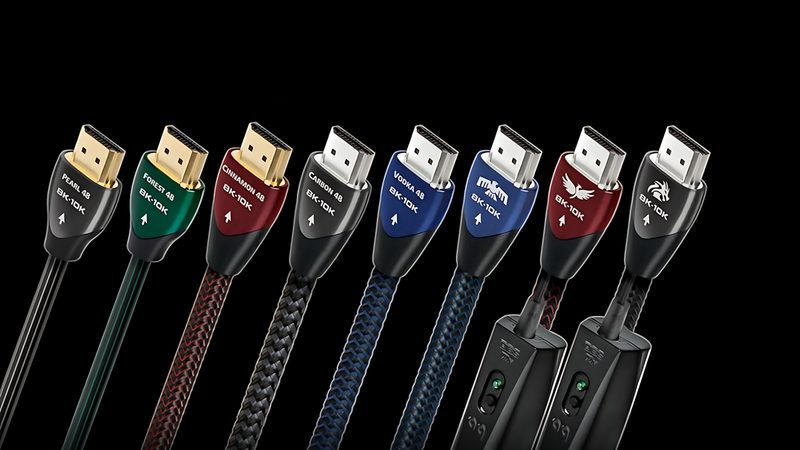
The AudioQuest Pearl 48 marks the entry point into the American manufacturer’s HDMI 48 Gbps range, while incorporating the key technologies that have built the reputation of its high-end models.
This 1-meter cable offers a reliable and high-performance solution for next-generation home theater installations. It combines long-grain copper (LGC) conductors with a carefully engineered noise dissipation system, ensuring smooth and stable transmission of 4K, 8K, HDR, and multichannel audio signals.
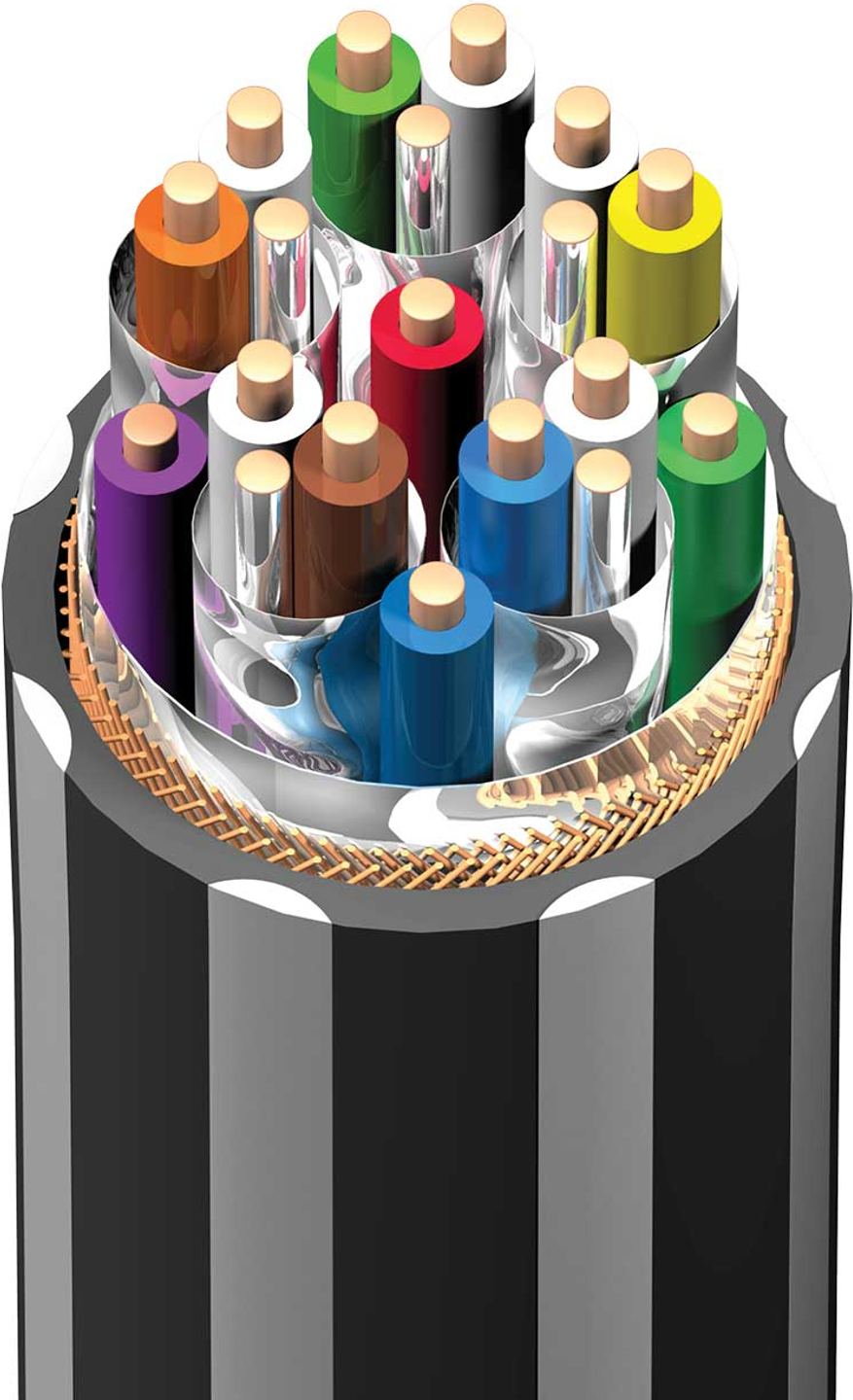
The Pearl 48 is built around solid LGC (Long-Grain Copper) conductors, a technology developed by AudioQuest to reduce distortion caused by metallic impurities. Unlike standard OFHC (Oxygen-Free High-Conductivity) copper, long-grain copper contains fewer oxides and crystalline boundaries in its molecular structure, allowing for smoother electrical signal conduction.
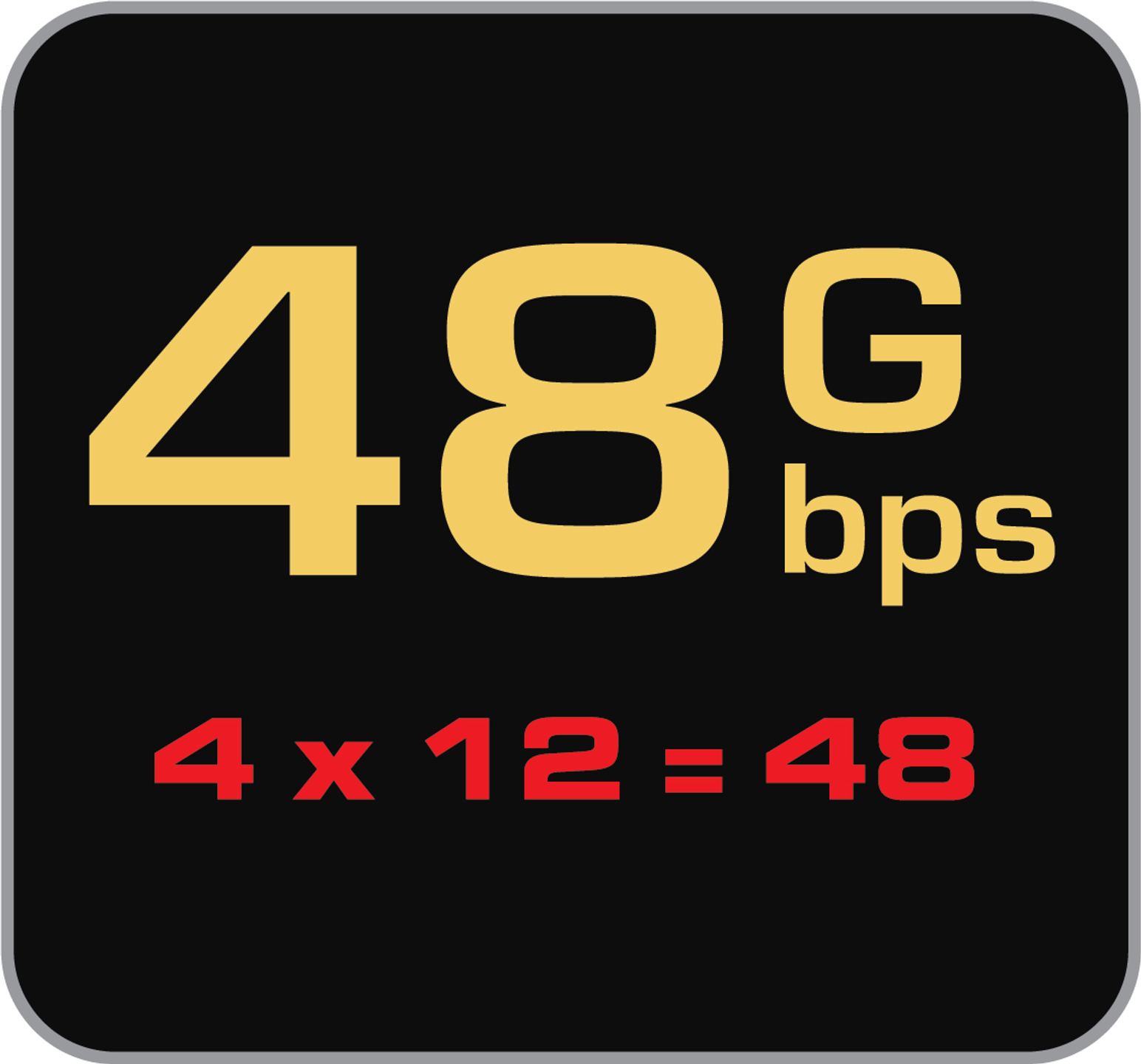
The design uses a total of 19 conductors, including four balanced audio/video pairs each capable of carrying 12 Gbps, as well as dedicated eARC conductors, ground reference drains, and control and power lines. This architecture enables the total 48 Gbps bandwidth required by the HDMI 2.1 standard.
The insulation uses high-density polyethylene, chosen for its stable dielectric properties and low energy absorption. This material limits the blurring and distortion effects that can be caused by energy absorption and release within the insulator.
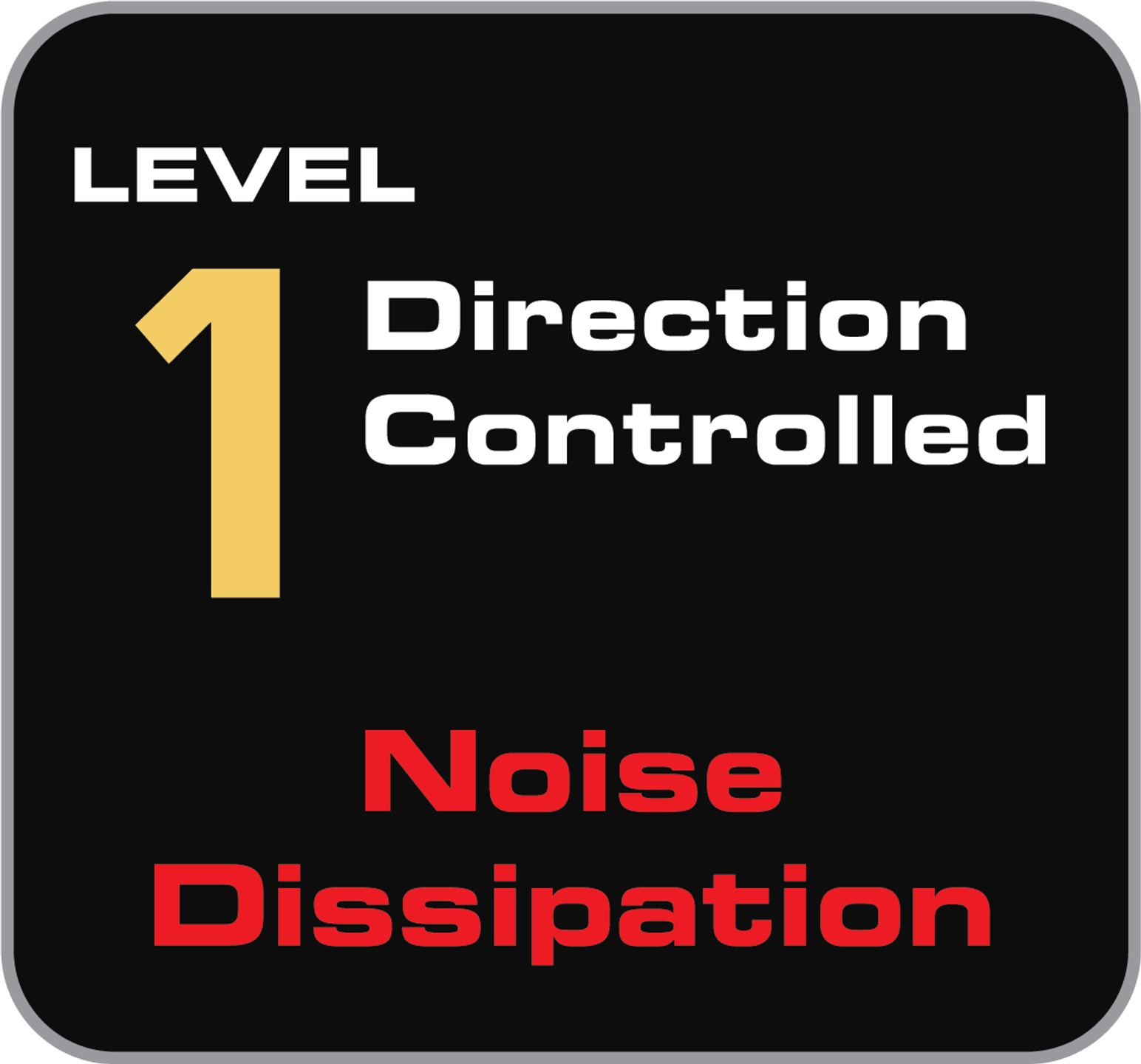
The Pearl 48 features AudioQuest’s Level 1 noise dissipation system, an approach that recognizes traditional “100%” shielding is no longer sufficient against modern interference from Wi-Fi, cellular, and satellite devices. All metal conductors naturally act as antennas, picking up radio frequency noise.
Directional control is the foundation of this technology: each of the 19 conductors is oriented to direct RF noise toward the least sensitive circuits, efficiently diverting it away from critical components. This approach differs from simple passive shielding by creating an active path for interference evacuation.
This technique is especially relevant in modern home environments where sources of interference are multiplying: Wi-Fi routers, mobile phones, connected devices, and other equipment emitting in radio frequencies.
The cable supports the full spectrum of HDMI 2.1 resolutions, from 4K at 120 Hz up to 8K at 60 Hz, and can even handle 10K streams for professional applications. This capability is a direct result of the 48 Gbps bandwidth, distributed across the four audio/video conductor pairs.
Full backward compatibility with existing 4K equipment ensures seamless integration into current setups. The cable supports all available HDR formats: HDR10, HDR10+, and Dolby Vision, as well as dynamic HDR, which allows for image-by-image optimization rather than fixed settings for the entire program.
For gaming applications, the Pearl 48 handles advanced features such as VRR (Variable Refresh Rate), ALLM (Auto Low Latency Mode), and QFT (Quick Frame Transport), essential for optimal use with PlayStation 5 and Xbox Series X consoles.
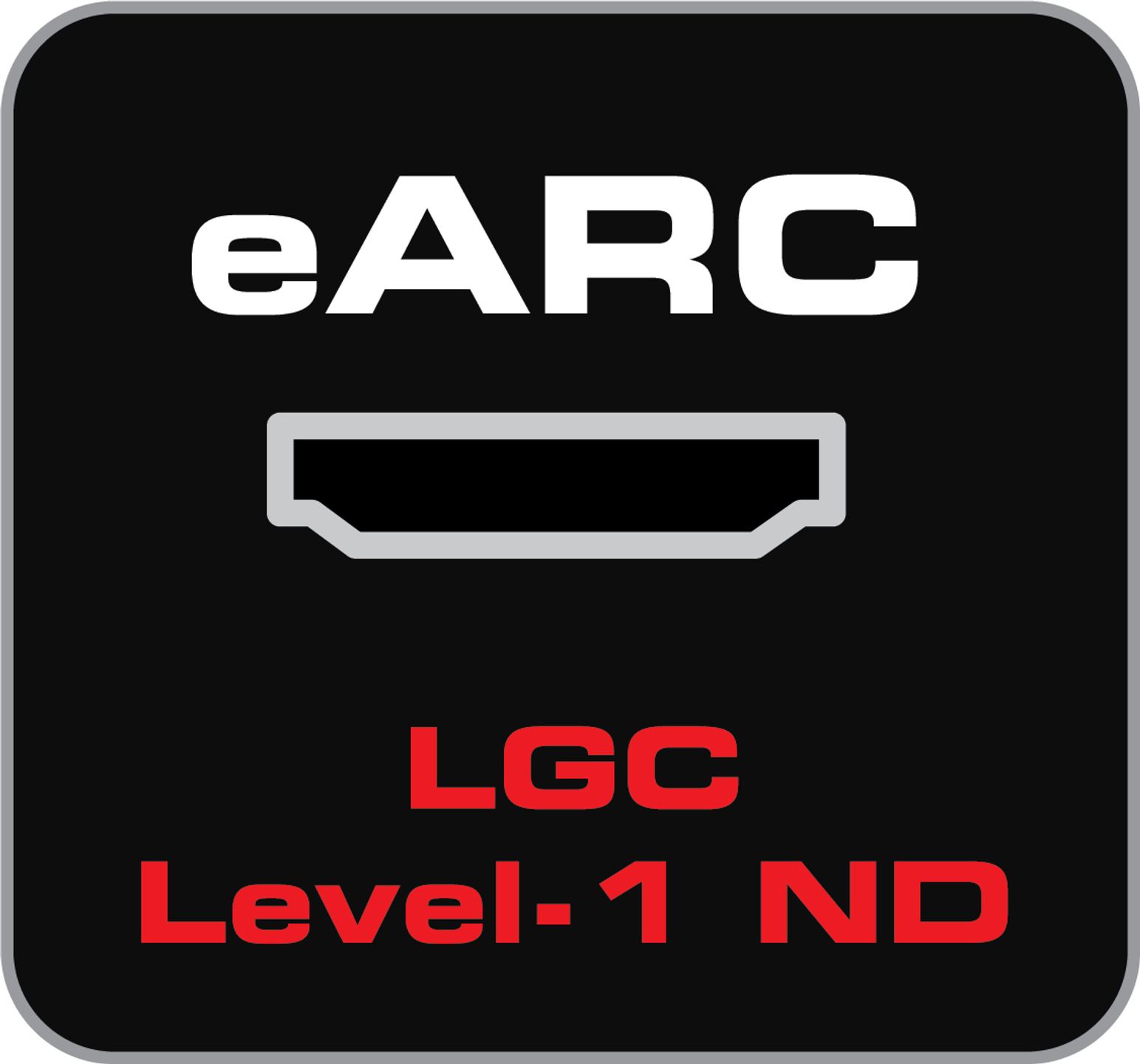
Support for eARC (enhanced Audio Return Channel) is one of the most significant aspects of the Pearl 48. This technology dramatically increases the available audio return bandwidth, moving from the compressed 5.1 surround of traditional ARC to uncompressed high-resolution multichannel formats.
The dedicated eARC conductors use the same LGC copper as the main audio/video pairs and benefit from the same level of noise dissipation. This approach ensures that audio quality is not compromised when transmitting formats such as Dolby TrueHD, Atmos, DTS-HD Master Audio, or DTS:X.
The eARC conductor pair operates in the opposite direction to the four main pairs, thus optimizing separation and reducing interactions between upstream and downstream signals.
Although it is the entry-level model in the 48 series, the Pearl benefits from the research and development invested in the higher-end models. It notably shares directional control technology and LGC conductors with the brand’s more expensive cables, with only the levels of noise dissipation and metal coatings varying between models.
This approach allows users to access the benefits of AudioQuest technologies without the investment required for high-end models that use silver-plated conductors and more sophisticated noise dissipation systems.
Yes, the cable is fully backward compatible with all existing HDMI equipment. It will work perfectly with your current 4K devices while being ready for future upgrades to 8K or advanced gaming features.
The Pearl 48 stands out thanks to its LGC copper conductors and directional control noise dissipation system. These technologies aim to reduce distortion and interference, which is especially important in environments rich in wireless devices.
Technically yes, the Pearl 48 has the necessary bandwidth for 10K streams. However, for critical professional applications, higher-end AudioQuest models with advanced noise dissipation would be more appropriate.
Long-grain copper is designed to reduce distortion related to the metal’s crystalline structure. The benefits will be more noticeable in high-quality audio systems and will depend on the listener’s sensitivity to sonic nuances.
Armand
As expected 👍🖖
Comment from April 10, 2026 — Experience from March 13, 2026
Anthony
Very good for the price
Comment from February 06, 2026 — Experience from January 16, 2026
Adrien
Very good quality. I recommend it!
Comment from January 13, 2026 — Experience from January 02, 2026