

Stereo solid-state hi-fi integrated amplifiers
The integrated stereo hi-fi amplifier combines a preamplifier and a power amplifier in a single device. Designed for stereo music listening, it centralizes your audio sources (turntable, CD player, network player) and powers your speakers. With both analog and digital inputs, it suits traditional use as well as modern connected needs. Your choice should depend on the required power, available connectivity, and overall system synergy. Read more


The role of the integrated amplifier in your setup
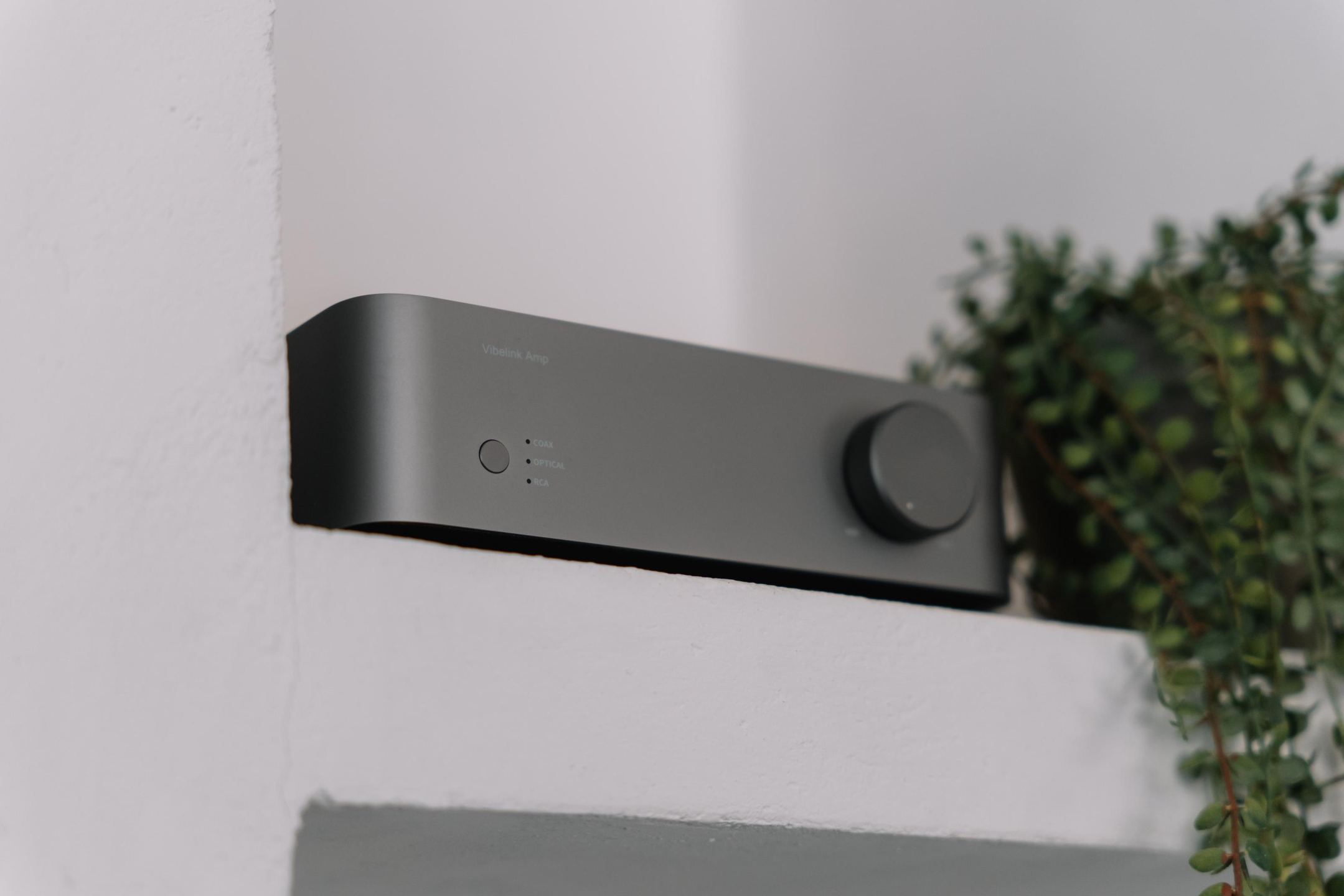
An integrated amplifier forms the nerve center of a hi-fi system. Its function: amplify low-level audio signals from your sources and deliver them to the speakers with the necessary power. Unlike a home theater amplifier designed for multichannel, the stereo hi-fi amp focuses on two-channel musical reproduction, with components selected for their ability to faithfully reproduce every sonic nuance.
By combining preamplification and power amplification, it offers a complete solution without requiring separate components. This integrated design brings several advantages: reduced footprint, optimized synergy between processing stages, and ease of use.
Connectivity and compatibility
Connectivity determines the versatility of the device. Models generally offer RCA analog inputs to connect a CD player or other traditional sources. A phono input enables direct connection of a turntable, with the specific preamplification this source requires.
Digital inputs (optical, coaxial, USB) are increasingly common and allow you to use dematerialized sources. Some models integrate a DAC converter to process digital streams directly. Wireless features (Bluetooth, Wi‑Fi, AirPlay, Chromecast) turn the amplifier into a true multimedia hub, compatible with streaming and multiroom systems.
Amplification technologies
Three main families coexist. Transistor amplifiers, the majority on the market, use bipolar or MOSFET components. They deliver power with good efficiency and precise reproduction. Tube amplifiers use valve technology for a warm rendering and a distinctive sonic signature. Class D amplifiers, compact and efficient, are gaining ground with continuously improving performance.
Each technology has its own characteristics. The choice depends as much on sonic preferences as on practical constraints (size, heat output, maintenance).
Selection criteria
Power is an important parameter but shouldn’t be the only criterion. It should be determined according to the sensitivity and impedance of the speakers to be driven. An amp slightly oversized compared to the speaker manufacturer’s recommendations allows it to operate without strain, avoiding the distortions that appear near maximum volume.
Sound quality criteria include total harmonic distortion (THD) and the signal-to-noise ratio. The lower the THD and the higher the signal-to-noise ratio, the purer and more detailed the reproduction. Current delivery capability, often underestimated, determines control over the speakers, particularly in the bass.
System coherence remains paramount. A hi-fi system performs at the level of its weakest link. Ideally, the amplifier should match the standard of the speakers and sources around it. An imbalance between components limits the overall performance of the setup.
Additional features
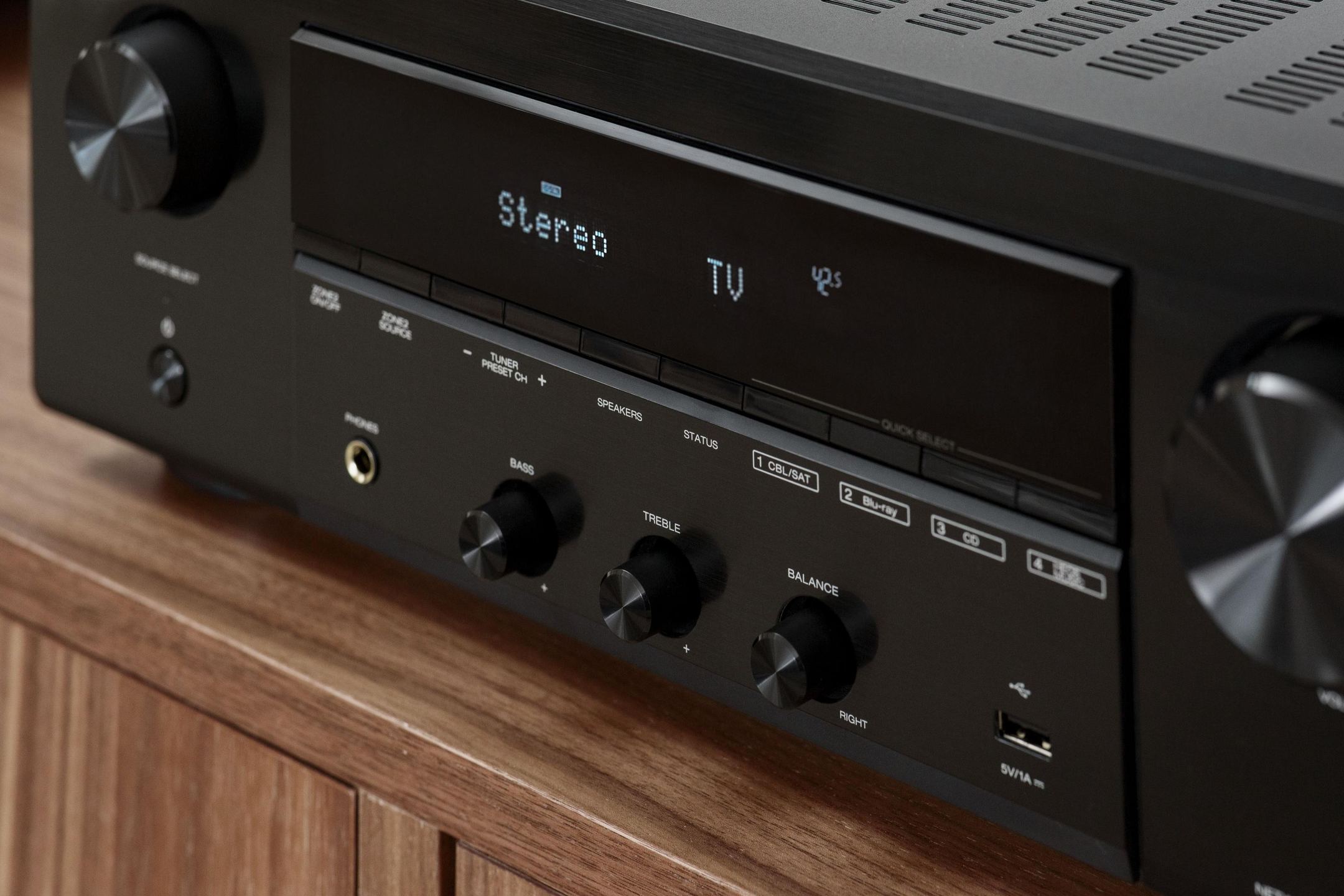
Some models include extra functions that extend their capabilities. An AM/FM tuner or DAB+ allows radio listening. A headphone output lets you listen on headphones without additional equipment. Tone controls (bass, treble, sometimes mids) adjust the sound to the room or preferences. A balance control compensates for asymmetrical speaker placement.
The ability to connect two pairs of speakers (A/B outputs) allows you to power speakers in different rooms. This flexibility is practical for evolving installations.

Differences from other amplification types
Unlike a standalone power amplifier, the integrated amp incorporates the preamplifier and can therefore accept sources directly. A power amplifier requires an external preamp to manage volume and source selection. This separate solution offers more flexibility in high-end setups but requires more space and cabling.
Compared with home theater amplifiers, the stereo hi-fi amp stands out for its musical specialization. Whereas a multichannel amp prioritizes dynamics and effects spatialization, the stereo amp focuses its resources on two channels with components optimized for musicality, stereo separation, and refined reproduction.