

Robin
Very good quality equipment with an attractive design
Comment from April 23, 2026 — Experience from April 12, 2026
Automatically translated — Show original (French)
Matériel de très bonne qualité et bel esthétique


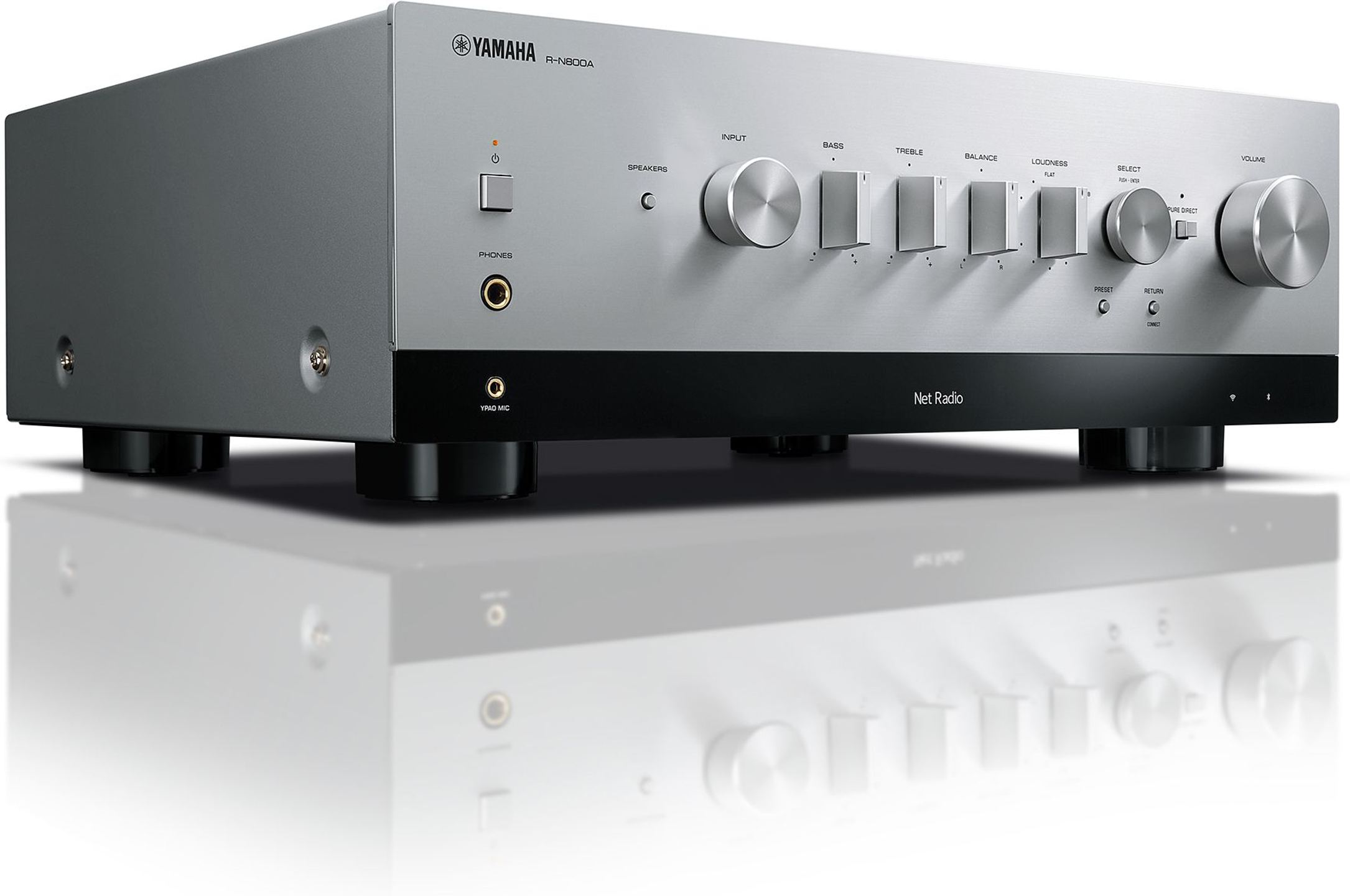
The R-N800A is the updated version of the R-N803D. It retains the main features of its predecessor: 2 × 100-watt power output, built-in MusicCast network player and YPAO acoustic correction. The changes concern the design and some internal components, notably the addition of an ESS DAC and a low-vibration ToP-ART chassis derived from the R-N2000A. The stereo amplifier is still able to correct imperfections in the listening room, play high-resolution content from the main streaming platforms, and drive demanding speakers.
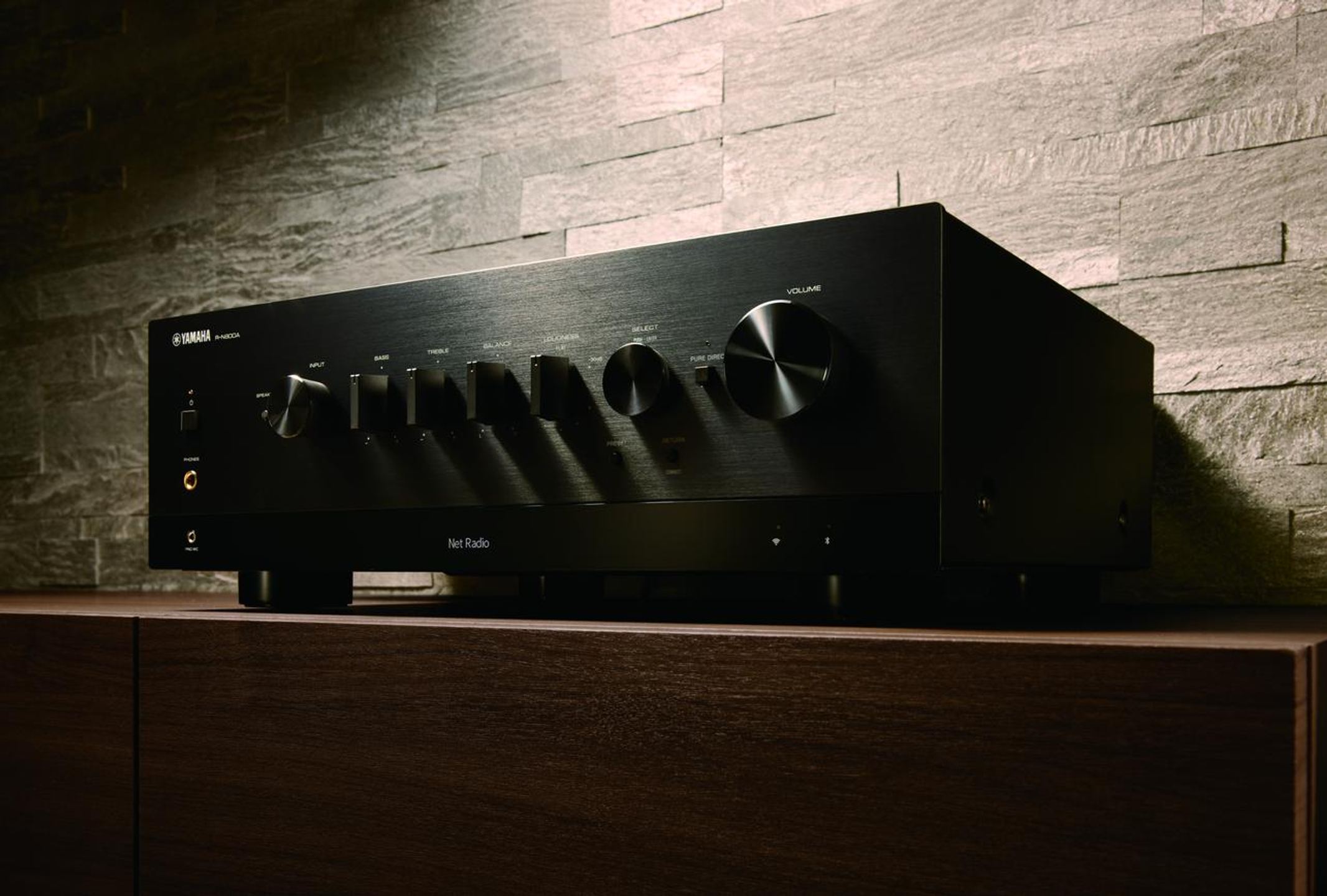
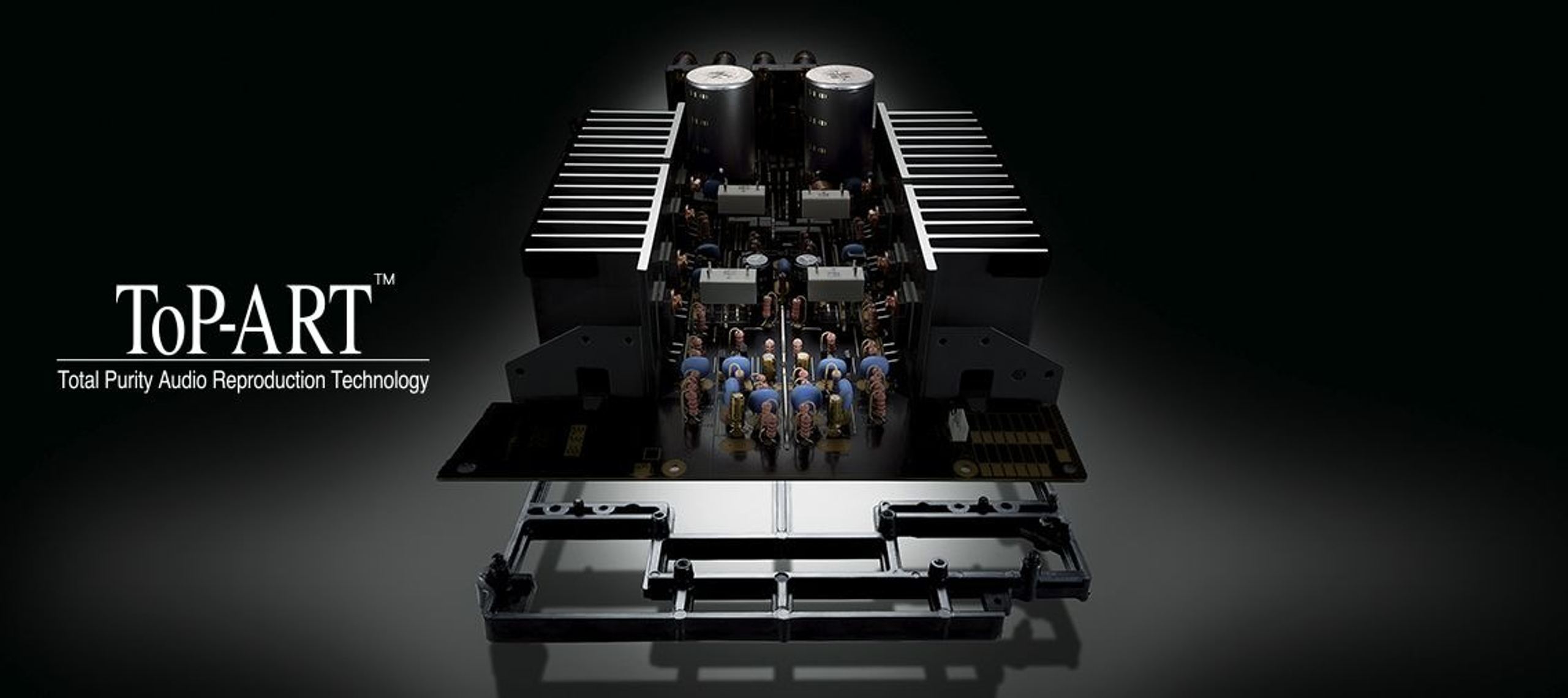
The R-N800A’s technology is directly inspired by the iconic ToP-ART (Total Purity Audio Reproduction Technology) Hi-Fi concept. This approach faithfully preserves the integrity of the sound by combining a strictly symmetrical left/right circuit layout with direct signal routing—that is, the shortest possible paths between input and output.
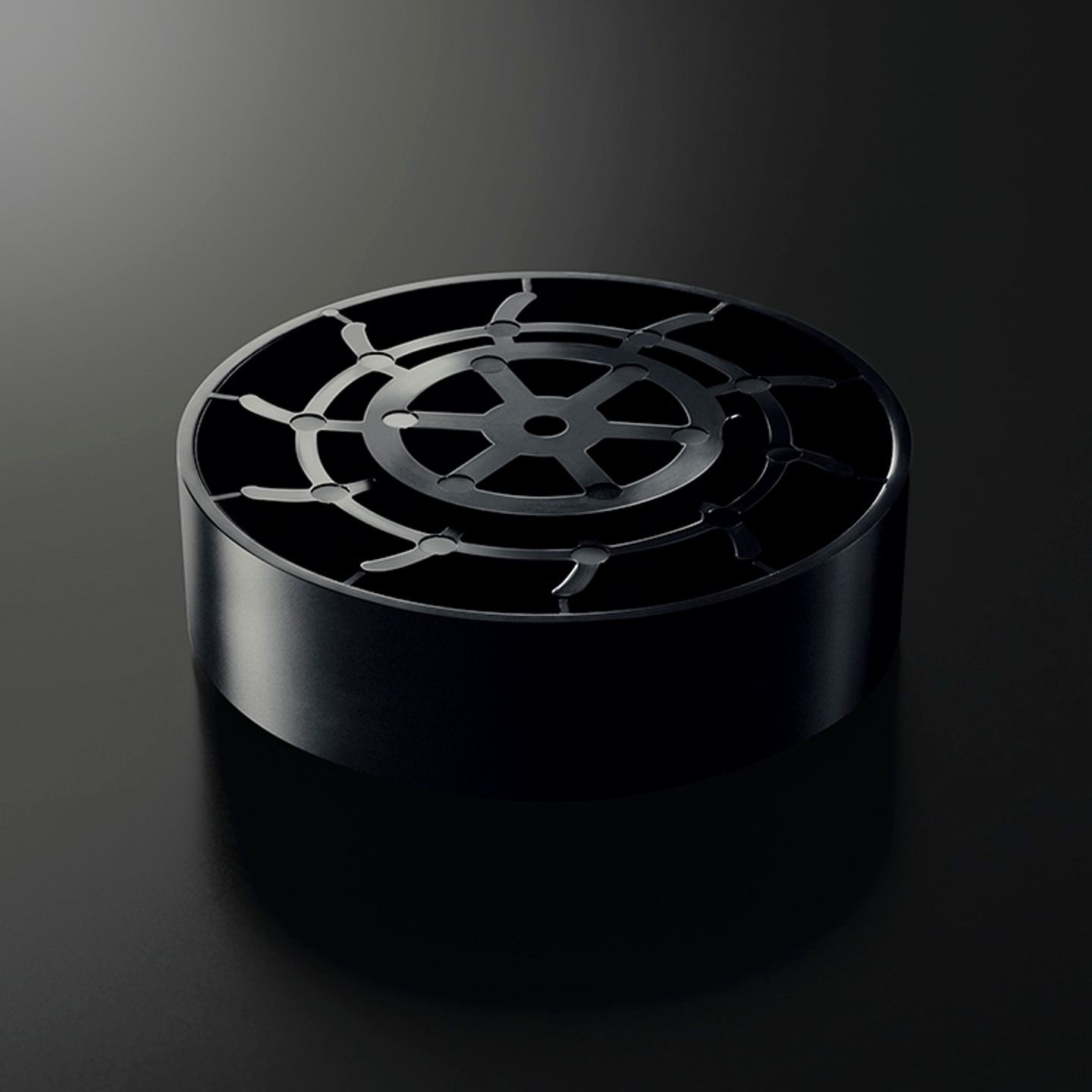
The R-N800A is manufactured on Yamaha’s production lines in Malaysia. The mechanical design combines several elements to reduce parasitic vibrations: the special high-rigidity “Art Base” resin chassis absorbs and blocks unwanted vibrations, while newly designed anti-resonance feet are optimized to absorb both mechanical and electrical vibrations. Yamaha engineers have placed thin curved reinforcement bars around the outer perimeter of the R-N800A and thick straight reinforcement bars in the center of the chassis, a structure that disperses vibrational energy coming from outside.
The amplification stages are laid out in a dual-mono configuration with an independent aluminum heatsink for each channel. This complete physical separation between the left and right channels improves spatial imaging and limits inter-channel interference.
To completely eliminate energy loss and audio signal degradation, the R-N800A is equipped with thick cables for the ground connection. A screwed connection has been adopted for the amplifier section’s output to reinforce grounding—an apparently minor detail that nonetheless helps improve the overall signal-to-noise ratio.
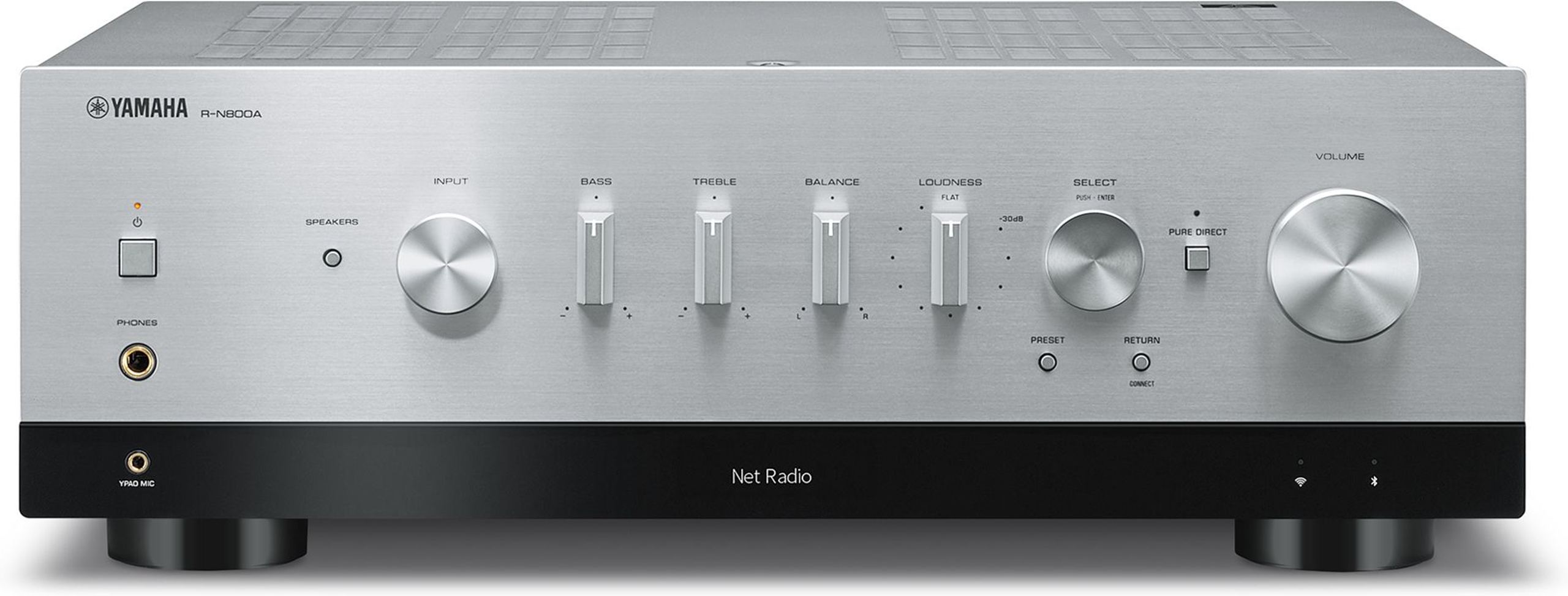
The brushed aluminum enclosure features clean lines in the neo-vintage spirit that now characterizes the Yamaha range. Only two jacks (6.35 mm headphone output and mini-jack for the YPAO calibration microphone) remain on the front, but the unit retains numerous controls: bass, treble, balance, variable loudness, Pure Direct mode, and a rotary knob for tuning radio stations or navigating the menus.
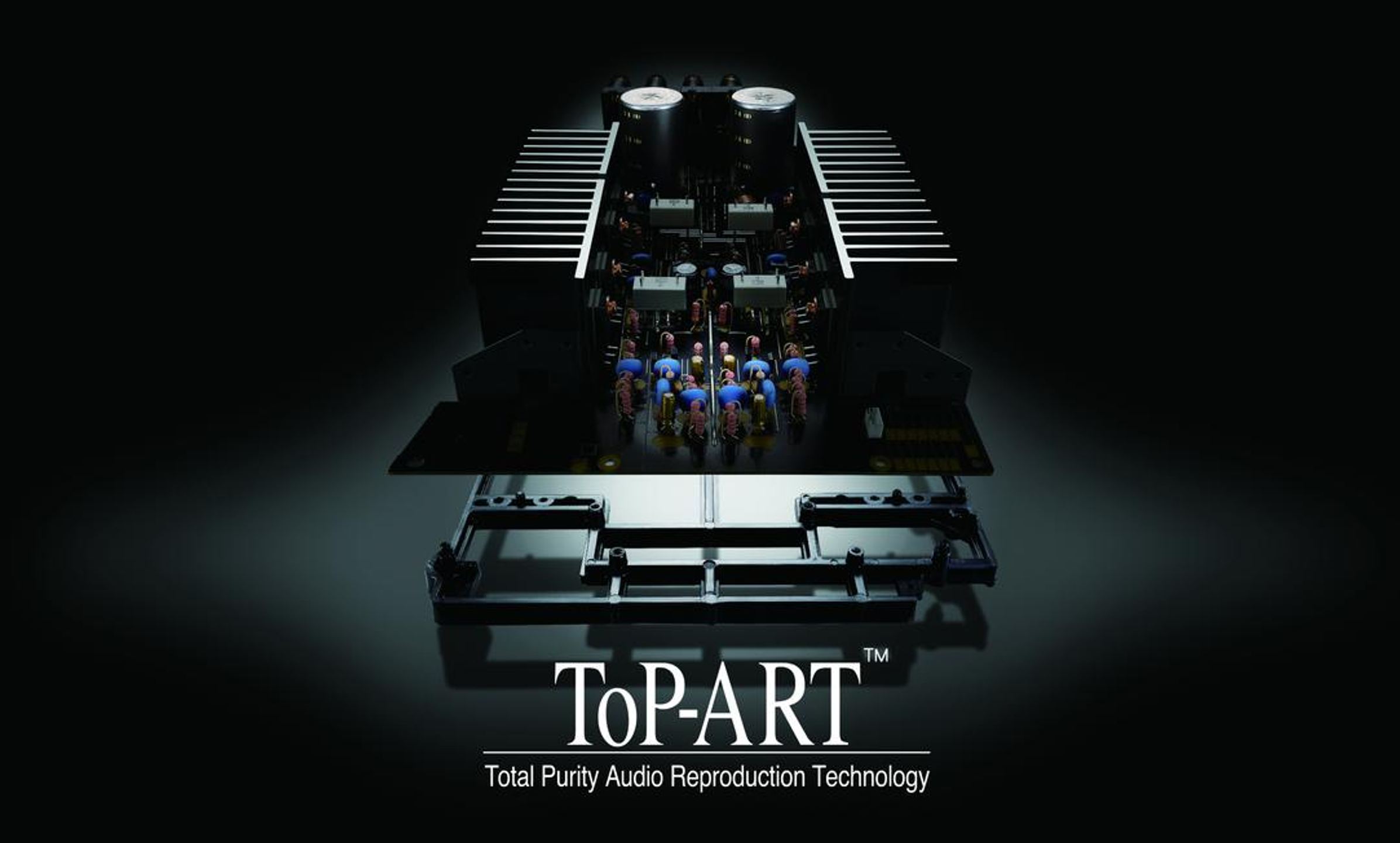
The Yamaha R-N800A uses the same power stages as its predecessor, the R-N803D. These operate in analog class A/B, based on two pairs of Sanken transistors per channel (2SA1694 and 2SC4467) in a double push-pull configuration. This topology with four output transistors per channel can handle high currents without distortion.
The figures speak for themselves. The rated power is 100 W per channel into 8 ohms and 120 W into 6 ohms (with 0.07% total harmonic distortion between 20 Hz and 20 kHz, according to the specifications). But the true measure of an amplifier’s capability lies in its dynamic power—the power it can deliver during transient peaks. Its continuous power is 2 x 100 W into 8 ohms, rising to 2 x 290 W into 2 ohms in dynamic power. These 290 watts into 2 ohms reveal a robust power supply and sturdy transistors.
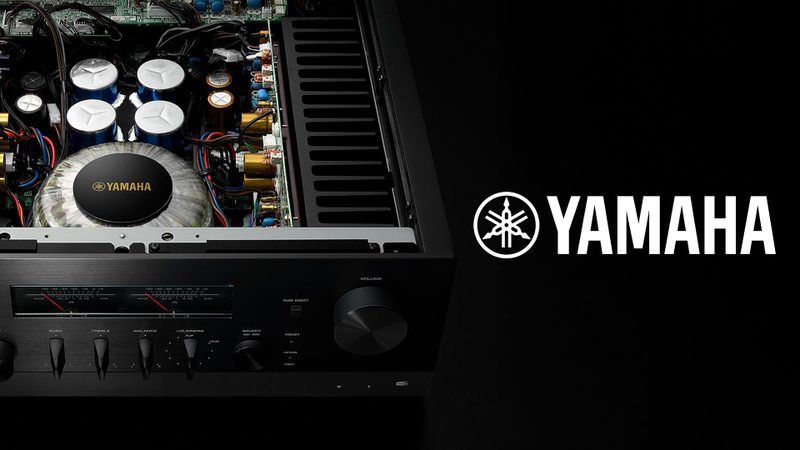
They are fed by a very serious C-core transformer (10 x 8.5 x 12.5 cm), followed by two 12,000 µF / 71 V filter capacitors, custom-made by Nippon Chemical. This energy reserve ensures the amplifier never “coughs” during fortissimo passages, even with speakers whose impedance varies or with low sensitivity.
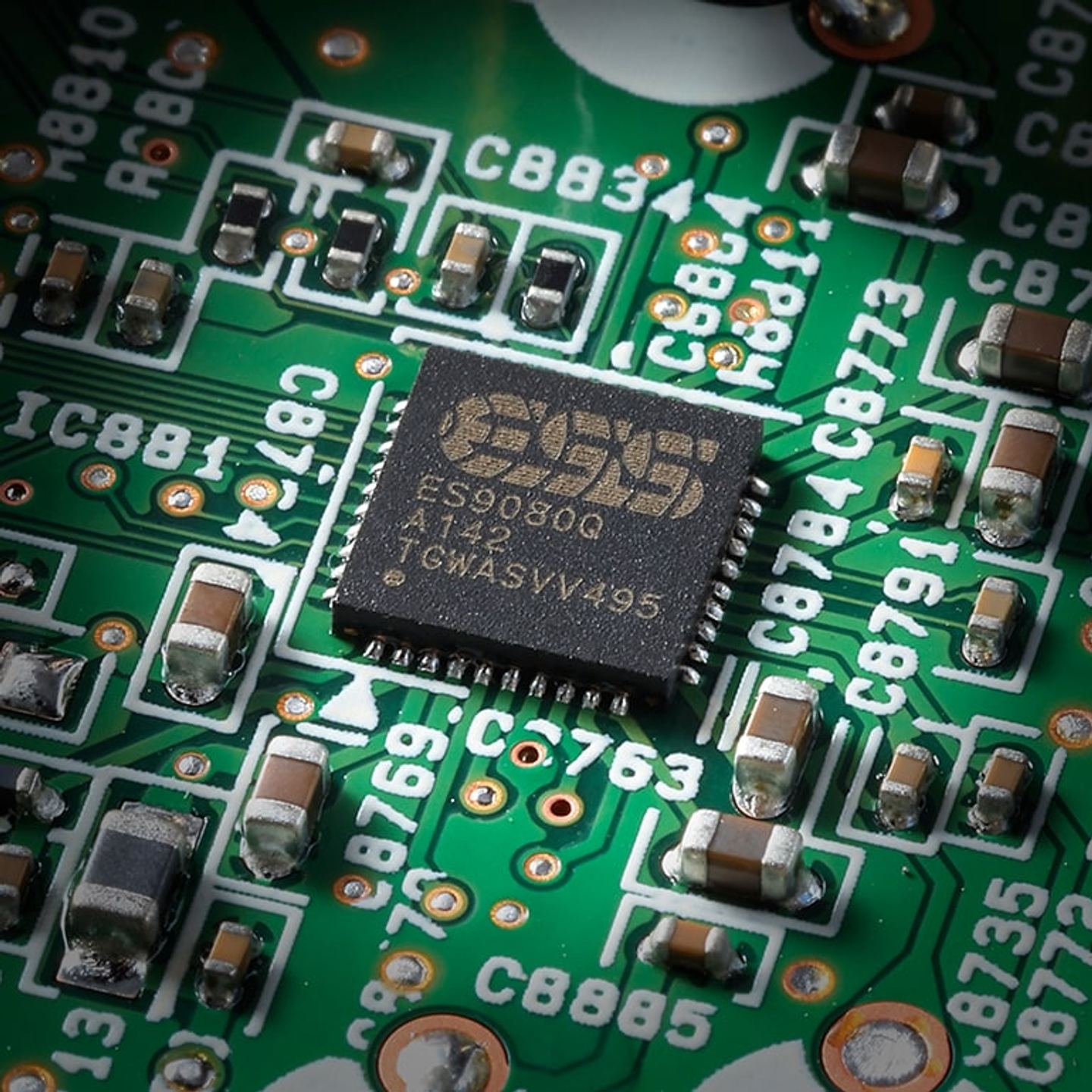
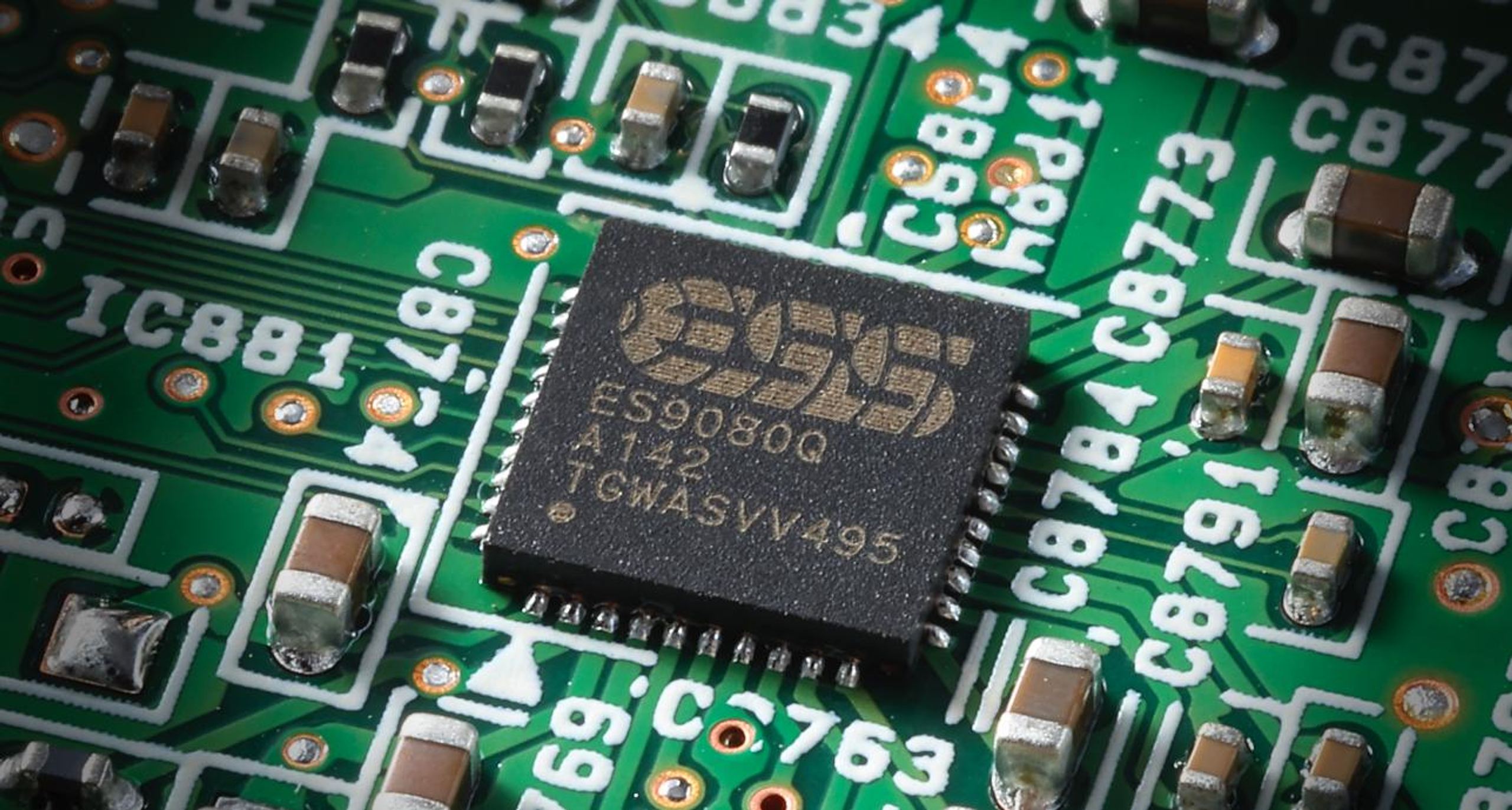
The digital control board of the Yamaha R-N800A has been completely redesigned compared to that of the R-N803D and benefits from its own independent power supply circuit. The chosen converter is the renowned ESS Technology SABRE ES9080Q 384 kHz / 32-bit DAC, delivering superior performance in terms of signal-to-noise ratio.
This integrated circuit is particularly sophisticated: the ES9080Q has 8 digital-to-analog conversion channels with an A-weighted signal-to-noise ratio of 120 dB and -108 dB total harmonic distortion plus noise in 8-channel mode. In 4-channel differential mode, an A-weighted signal-to-noise ratio of more than 125 dB and -110 dB THD+N can be achieved. The ES9080Q features ESS’s proprietary HyperStream-II modulator, which gives SABRE DACs their legendary sound quality. This modulation shifts timing jitter out of the audio band so the resulting soundstage is pure and coherent.
The R-N800A uses this converter to support PCM files up to 384 kHz / 32-bit, as well as native DSD files up to 11.2 MHz (DSD256). The USB-B input turns the unit into a high-resolution DAC for computers, while the two optical and two coaxial inputs allow connection of CD and SACD players or digital outputs from a TV.
This is one of the R-N800A’s most remarkable features, yet often overlooked when buying. Yamaha’s automatic YPAO calibration technology, refined over decades of use in home cinema products, has been optimized for the R-N800A to deliver the ideal listening environment.
The principle is simple: you place the supplied microphone at your usual listening position, start the calibration, and the amplifier will emit test tones and sound sequences to accurately check speaker connection and phase, speaker size and placement, their sound pressure level, and their frequency characteristics.
YPAO features an exceptionally precise equalizer, with audio resolution up to 192 kHz / 64-bit. But the version on the R-N800A goes further with R.S.C. (Reflected Sound Control). R.S.C. actively controls major reflected sounds in advance by automatically adjusting and optimizing how the sound is perceived in your room, based on wall materials and speaker placement.
In practical terms, if your speakers are placed near a wall or a piece of furniture, the sound waves are reflected and reach your ears slightly later than the direct sound. These reflections create boosts and cancellations at certain frequencies, generally in the bass and midrange. The YPAO R.S.C. system compensates for acoustic imperfections in both the speakers and the listening room to provide more natural reproduction.
This correction is not a crude equalization that tries to flatten the frequency response; it is a parametric adjustment targeted at the actual acoustic problems of your setup. Pure Direct mode remains available for those who prefer to bypass any correction.
Yamaha’s MusicCast multiroom audio system uses the local network to distribute music throughout the house. Once the R-N800A is connected to your router (via Ethernet cable or Wi-Fi), it can stream music to other MusicCast-compatible Yamaha devices installed in other rooms, or receive content from those devices.
The MusicCast Controller app (free on iOS and Android) centralizes control. You select the rooms to play in, choose the source, and start playback. Yamaha MusicCast technology lets you enjoy the same music throughout the house or different music in different rooms.
The R-N800A offers direct access to several streaming services: Spotify Connect, Tidal, Qobuz, Deezer, Amazon Music HD. Apple Music is accessible via AirPlay 2. Bidirectional Bluetooth (SBC and AAC codecs) lets you receive music from a smartphone or send sound to wireless headphones. DLNA/UPnP playback provides access to files stored on a server or NAS on the local network.
A crucial point: while some multiroom systems are limited to CD quality or 24-bit/96 kHz, Yamaha MusicCast supports most files up to 24-bit/192 kHz. High-resolution files therefore pass through without compression or degrading conversion.
Another distinctive MusicCast feature: any external music source connected by cable to a Yamaha MusicCast device can potentially be streamed to all elements of the multiroom audio system. For example, you can listen in the kitchen to the vinyl record playing in the living room via the R-N800A’s phono input, or send the sound of your TV connected via optical to a MusicCast speaker in the bathroom.

The rear panel of the R-N800A looks like that of a much more expensive amplifier. On the analog side: three RCA line inputs, one MM phono input for moving-magnet turntables, one pre-out, and one configurable subwoofer output (with adjustable crossover frequency via the menu). The solid brass speaker terminals accept two pairs of speakers, with selection via rotary switch (A, B, or A+B).
On the digital side: two optical and two coaxial inputs allow you to connect CD and SACD players, game consoles, and a TV. The USB-B input (type B, the one found on printers) turns the R-N800A into a USB DAC for computers, with native support for DSD up to 11.2 MHz and PCM up to 384 kHz / 32-bit. An Ethernet RJ45 port complements the built-in Wi-Fi for a more stable wired network connection.
On the front panel, there is a 6.35 mm headphone jack and the input for the YPAO microphone. On the rear, a 12 V trigger output can automatically control other devices (for example an external power amplifier) when the R-N800A is switched on.
The Yamaha R-N800A is a powerful Hi-Fi amplifier that is already a bit high-end but still affordable, very user-friendly, and allows you to enjoy the maximum of classic, wireless or connected sources without any hassle. It is not the most suitable for the pure audiophile who listens precisely in the center, in front of their two speakers positioned to the millimeter in a room with optimized acoustics. But thanks to its YPAO calibration system, it is perfect for everyone else looking for a versatile product that adapts to needs and the environment to deliver very good sound in all circumstances.
Overall, the Yamaha R-N800A streaming amplifier delivers solid performance. There are certainly areas where it could improve, but on the whole, it’s an appealing option. If you’re looking for a discreet yet capable device, this one is definitely worth considering.
Yes, without any problem. The R-N800A is designed to drive varying loads. Its dynamic power reaches 220 W into 4 ohms and even 290 W into 2 ohms, which attests to a robust power supply and output transistors capable of delivering high currents. 4-ohm speakers will even get the best out of the amplifier by tapping more deeply into its power reserves.
No. Pure Direct mode lets you bypass all digital processing for “pure” listening with no intervention on the signal. However, in the vast majority of domestic rooms (with furniture, sofas, reflective walls), YPAO R.S.C. correction provides an audible improvement, especially in the bass and lower midrange where reflections cause annoying boosts. The best approach is to try both configurations and choose the one you prefer.
Ethernet offers a more stable connection and avoids potential dropouts caused by Wi-Fi interference (Bluetooth devices, microwave ovens, etc.). For high-resolution streaming (24-bit/192 kHz or DSD files), a wired connection guarantees a constant bitrate without compression. Wi-Fi is still very effective in most setups and avoids running a cable. Both methods let you reach MusicCast’s maximum quality.
For many systems, yes. The pre-out nevertheless allows you to connect an external power amplifier if you want more watts or wish to use the R-N800A’s input and conversion stages with different amplification. This flexibility extends the device’s lifespan: you can start with the built-in amplifier, then add a power amp later without replacing the whole system.
In theory, Yamaha’s MusicCast system accepts an unlimited number of devices on the same network. In practice, the limit will be your router and your network bandwidth. For standard home use (5 to 10 audio zones), there is no problem. Each device can play a different source simultaneously, or they can all synchronize the same source in every room.
Yes. During calibration, YPAO automatically detects the presence of a subwoofer connected to the sub output and adjusts the settings accordingly (level, crossover frequency, delay). The system can redirect low frequencies from the main speakers to the subwoofer if the main speakers are considered too small to reproduce deep bass. This subwoofer management is configured via the MusicCast app after the initial calibration.
Robin
Very good quality equipment with an attractive design
Comment from April 23, 2026 — Experience from April 12, 2026
Norbert
I’m thrilled with the sound in this price range. Very good mid and high frequencies. The bass is usually a bit restrained, but that also depends on the music in question.
I would buy the Yamaha R-N800A again anytime.
Comment from January 29, 2026 — Experience from January 18, 2026
Julien
I resold a home cinema amp from the same brand to switch to high-fidelity. I don’t regret my choice: nice build quality, easy to use. Clearly it’s not the brand’s top-of-the-line model, but even during the break-in period it gives me complete satisfaction.
Comment from January 29, 2026 — Experience from January 18, 2026