
TCL 75C8L


Specifications and features



Overview
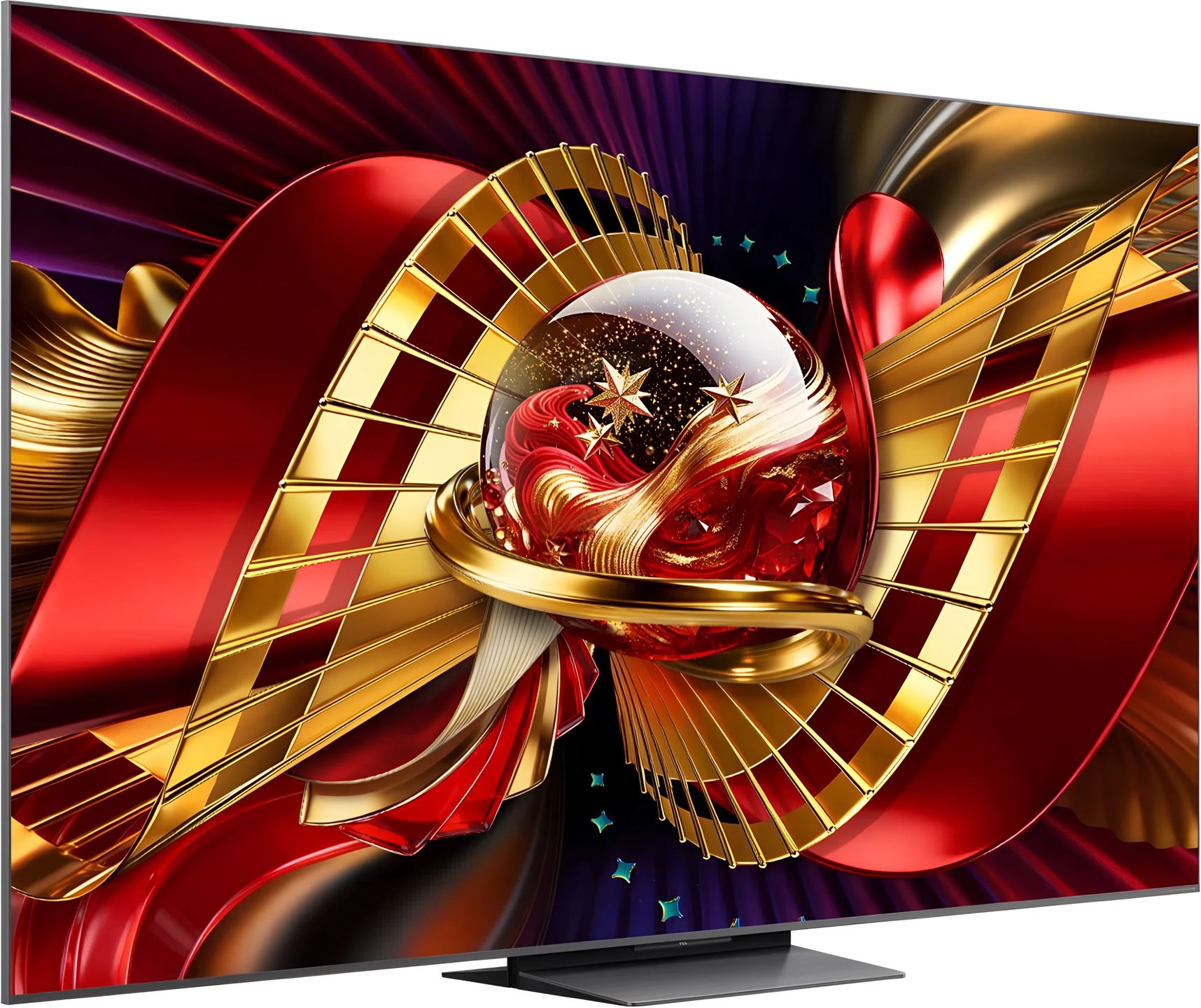
When a panel exceeds 5,500 nits, daylight stops being an obstacle. TCL’s 75-inch TV pushes Mini LED technology into its eighth generation, combining quantum dots with blue LEDs and more than two thousand independent backlight zones. The result aims for controlled contrast, a wide color range, and smooth motion that serves both movies and video games.
Eighth-generation SQD Mini LED backlighting
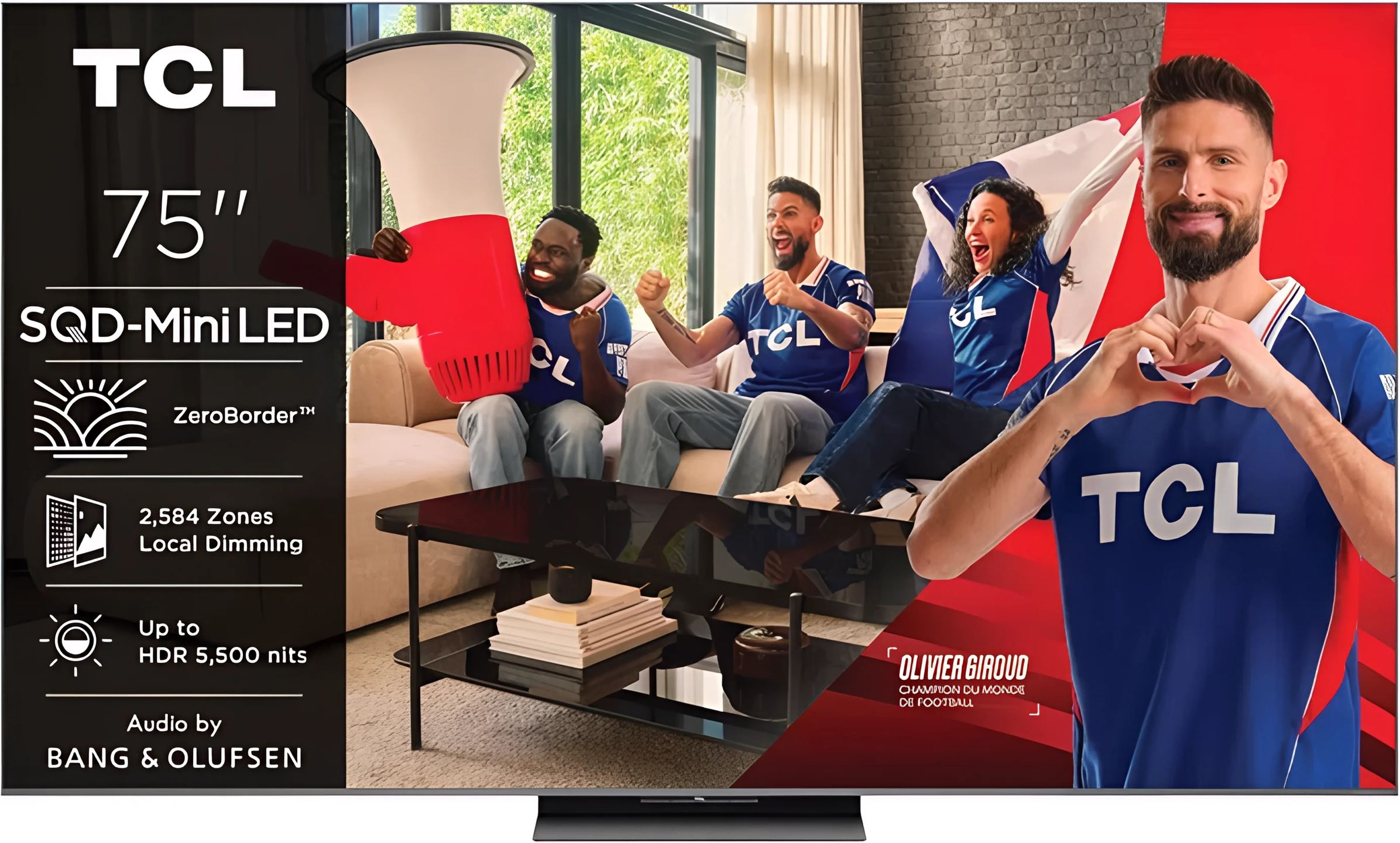
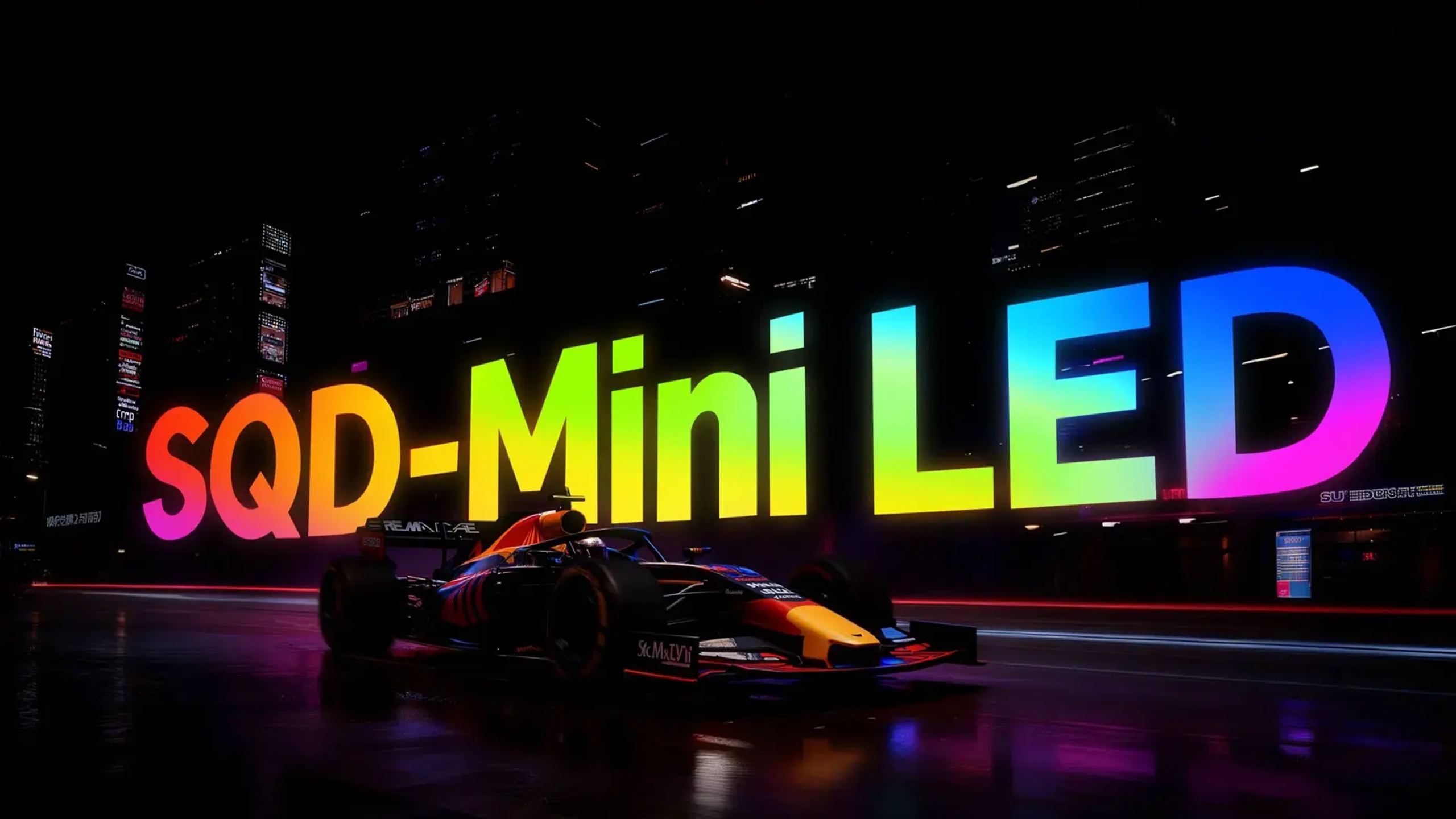
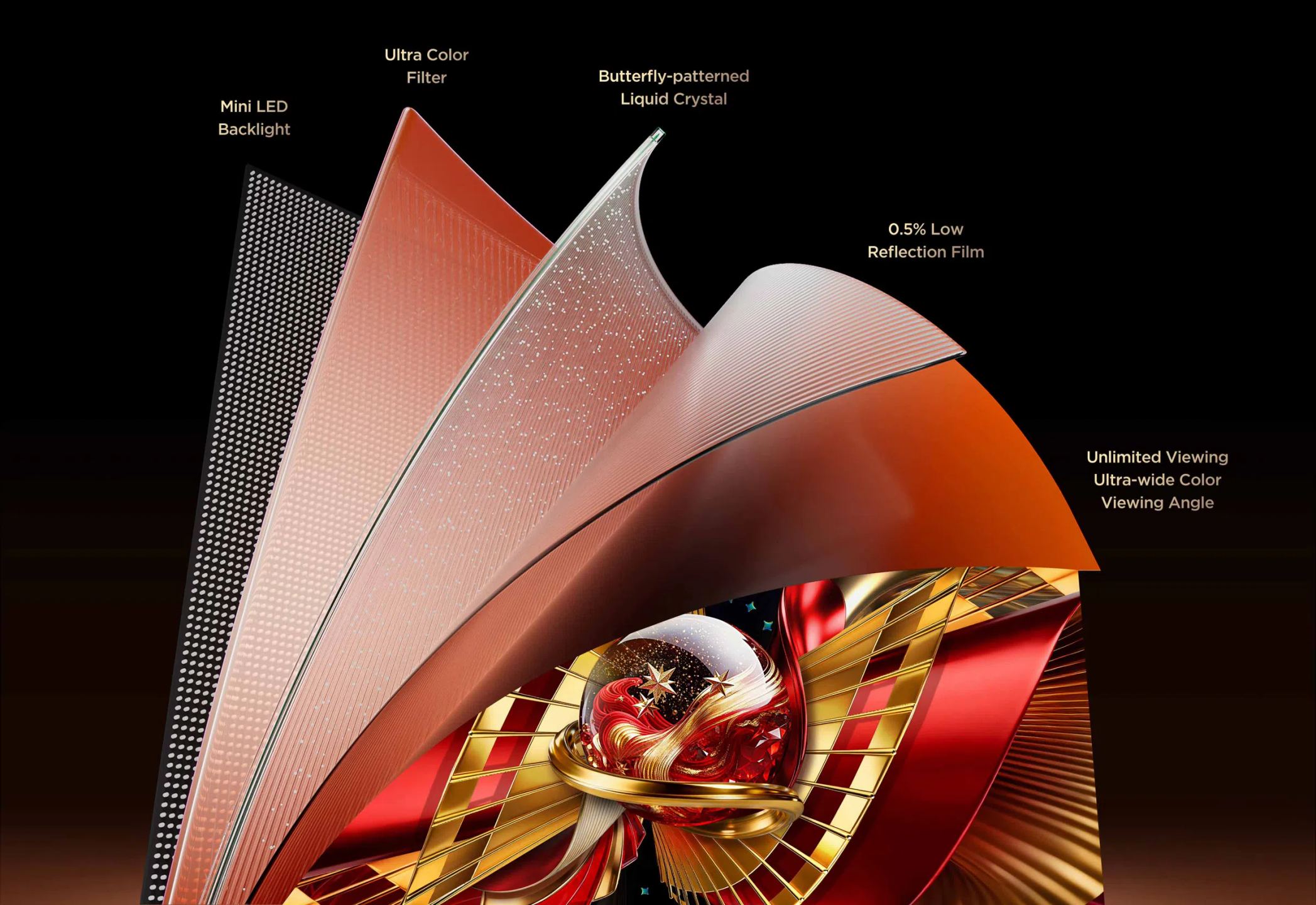
The 75C8L is built around a backlight that TCL calls SQD Mini LED, its eighth generation of the kind. The principle: very small blue LEDs illuminate a layer of quantum dots (Super Quantum Dot), which is responsible for producing the colors. This approach does away with RGB LEDs, and the advantage is tangible. With the same number of diodes, the division into independent light zones increases significantly. On the 75-inch diagonal, the manufacturer announces 2,584 local dimming zones, each capable of increasing in intensity or switching off depending on the image.
Two optical refinements accompany this backlighting. Micro-OD reduces the distance between the diodes and the panel, which slims down the chassis and limits the light halo around bright objects set against a black background. Super condensed micro-lenses tighten the beam of each diode, for sharper transitions between lit zones and unlit zones.
Peak brightness and faithful colors
Peak brightness reaches 5,500 nits on the 75-inch model. This light output mainly benefits HDR: specular highlights, such as the shine of a lamp or a car body, retain their intensity without washing out the rest of the image. A useful clarification: this figure corresponds to a peak measured on a portion of the panel; on a full white screen, sustained brightness remains lower, as with any backlit TV. In a sunlit room, the margin still remains comfortable, and the anti-reflective filter reduces sources reflected on the screen.
On the color side, TCL claims coverage of up to 100% of the BT.2020 space, the widest standard used today for HDR video. The panel operates at 10 bits (8 bits assisted by FRC), enough to limit color banding in gradients. The Ultra Color filter and Super QLED processing aim for stable white light, which avoids unwanted mixing between neighboring shades.
Video gaming pushed to high refresh rates
The panel natively displays at 144 Hz, a refresh rate that matches recent graphics cards and latest-generation consoles. An accelerator mode, based on Dual Line Gate technology, doubles the display up to 288 Hz; this gain in smoothness comes with a drop in resolution, the classic trade-off of this process. All four HDMI 2.1 inputs accept 4K at high refresh rates, and the Game Master interface brings together the settings useful to gamers.
VRR (variable refresh rate) goes up to 144 Hz and aligns with FreeSync Premium Pro certification, enough to eliminate screen tearing when frame rate fluctuates. ALLM switches the TV into game mode as soon as a compatible console is detected, without any manual action. Dolby Vision Gaming applies dynamic HDR to titles that support it, whereas most TVs reserve Dolby Vision for video.

HDR compatibility and image processing
Processing relies on the AiPQ Pro processor, supported by four A73 cores. It handles upscaling lower-quality content, noise reduction, and scene-by-scene analysis that adjusts light and colors. Motion compensation (MEMC) operates at 120 Hz to smooth pans and fast tracking shots, a sensitive point on large screen sizes.
The 75C8L supports all common HDR formats: HDR10, HDR10+, HLG, and Dolby Vision IQ, the latter adjusting rendering according to ambient light measured by the sensor. IMAX Enhanced certification and Filmmaker Mode round out the offering for those seeking a result close to the director’s intent, without unnecessary processing. Several picture presets (Cinema, Filmmaker, Sport, Game, IMAX, among others) cover everyday uses.
Sound tuned by Bang & Olufsen
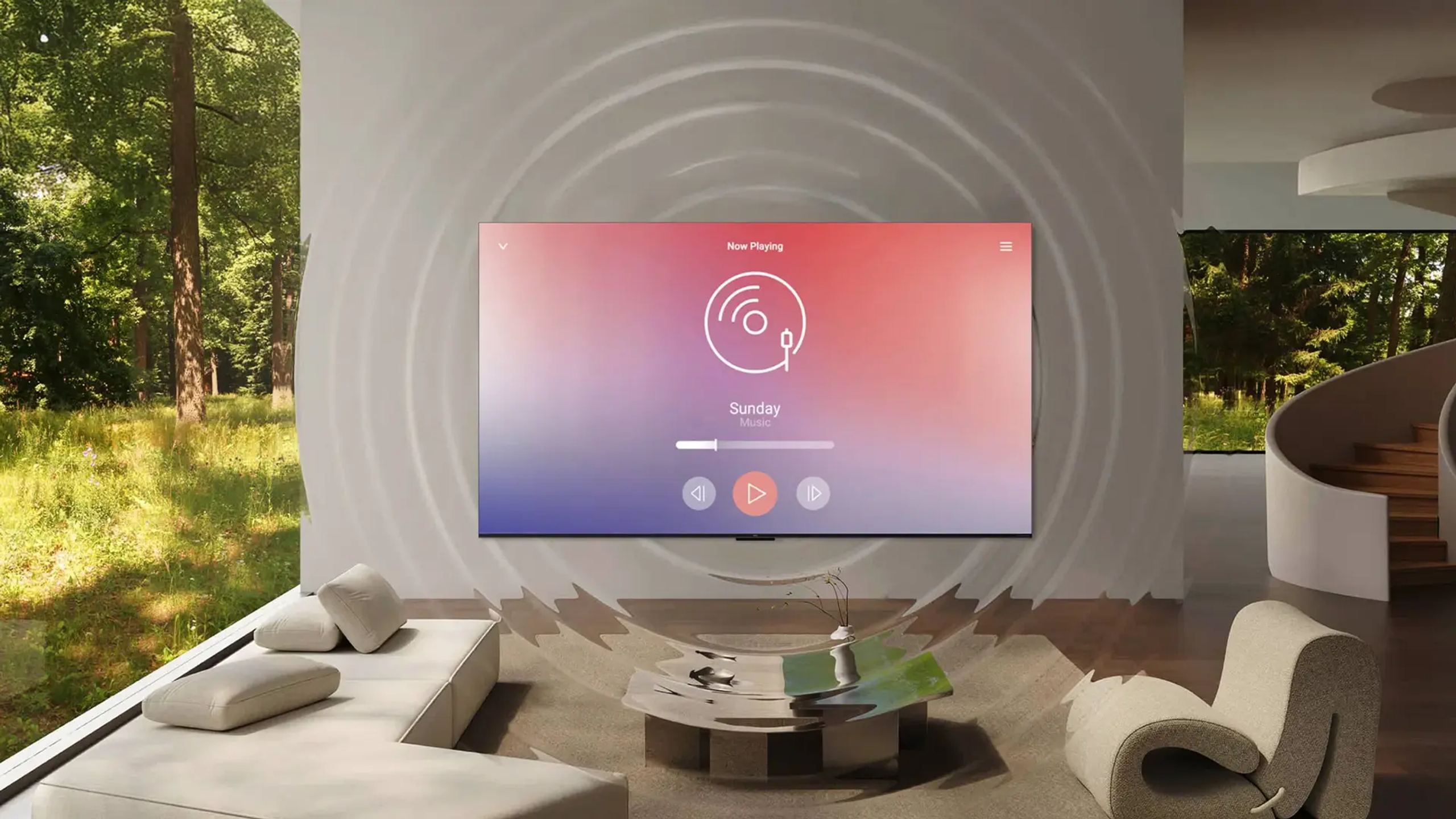
The audio system bears the Bang & Olufsen signature, in a 2.1 configuration: two main channels supported by a dedicated woofer, for total power of 60 W. Dolby Atmos and DTS:X decoding place sound effects in space, with an impression of height on soundtracks that make use of it. On a screen of this size, this in-house tuning is enough for everyday series and broadcasts; for movies, a soundbar or dedicated system remains the logical complement.
Google TV and connectivity options
The TV runs on Google TV, the interface that brings together streaming services and recommendations in a single grid. Google Assistant responds by voice without the remote thanks to the built-in microphones, and search covers both apps and the program guide. Chromecast is built in for sending video from an Android mobile, and AirPlay 2 does the same from the Apple ecosystem.
Wireless connectivity relies on Wi-Fi 6, more stable for 4K streaming when the network is busy, and on Bluetooth 5.4 for headphones or a speaker. HbbTV support opens access to channel catch-up services, and the electronic program guide remains directly accessible on screen.
A slim chassis with almost no bezel
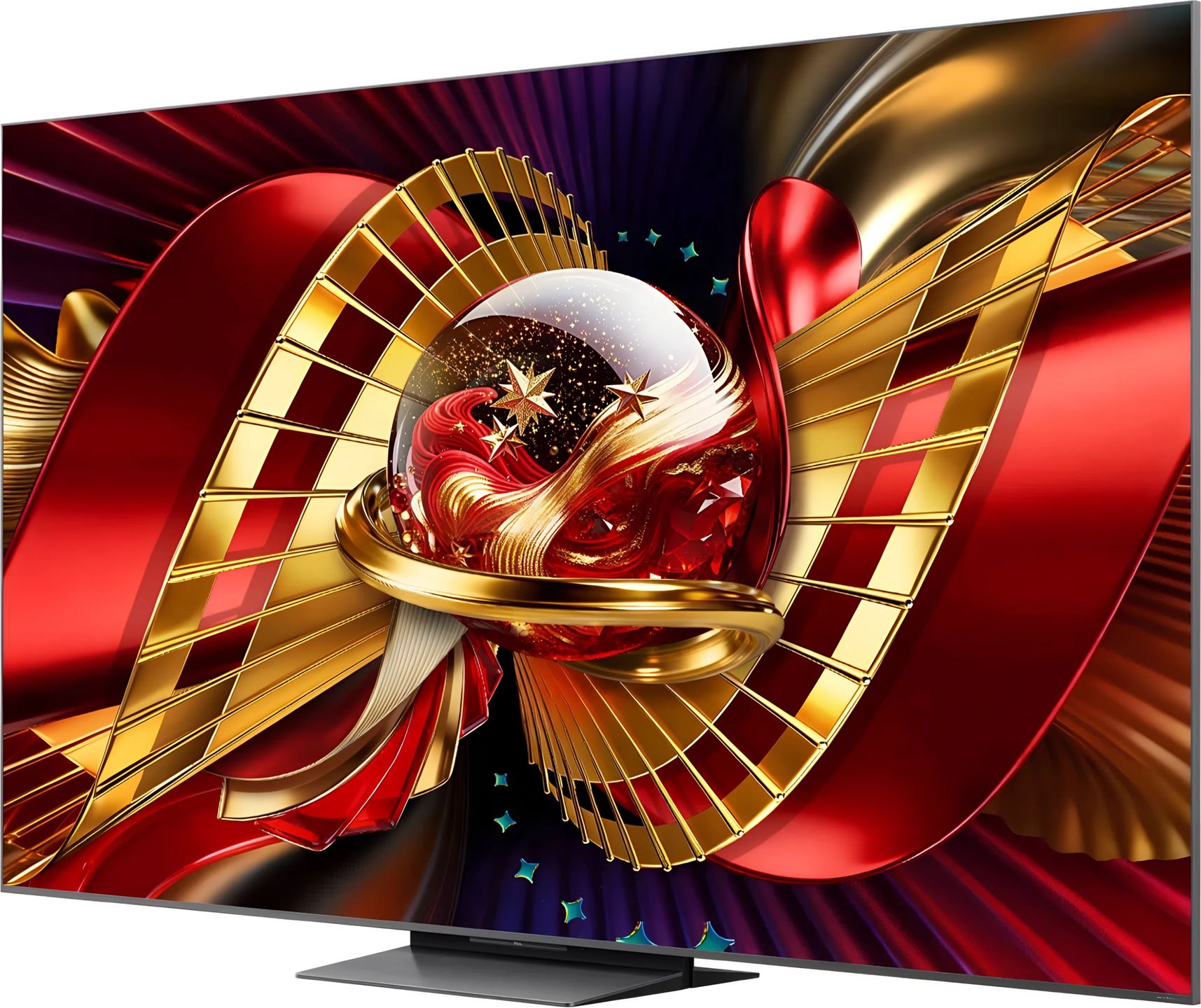
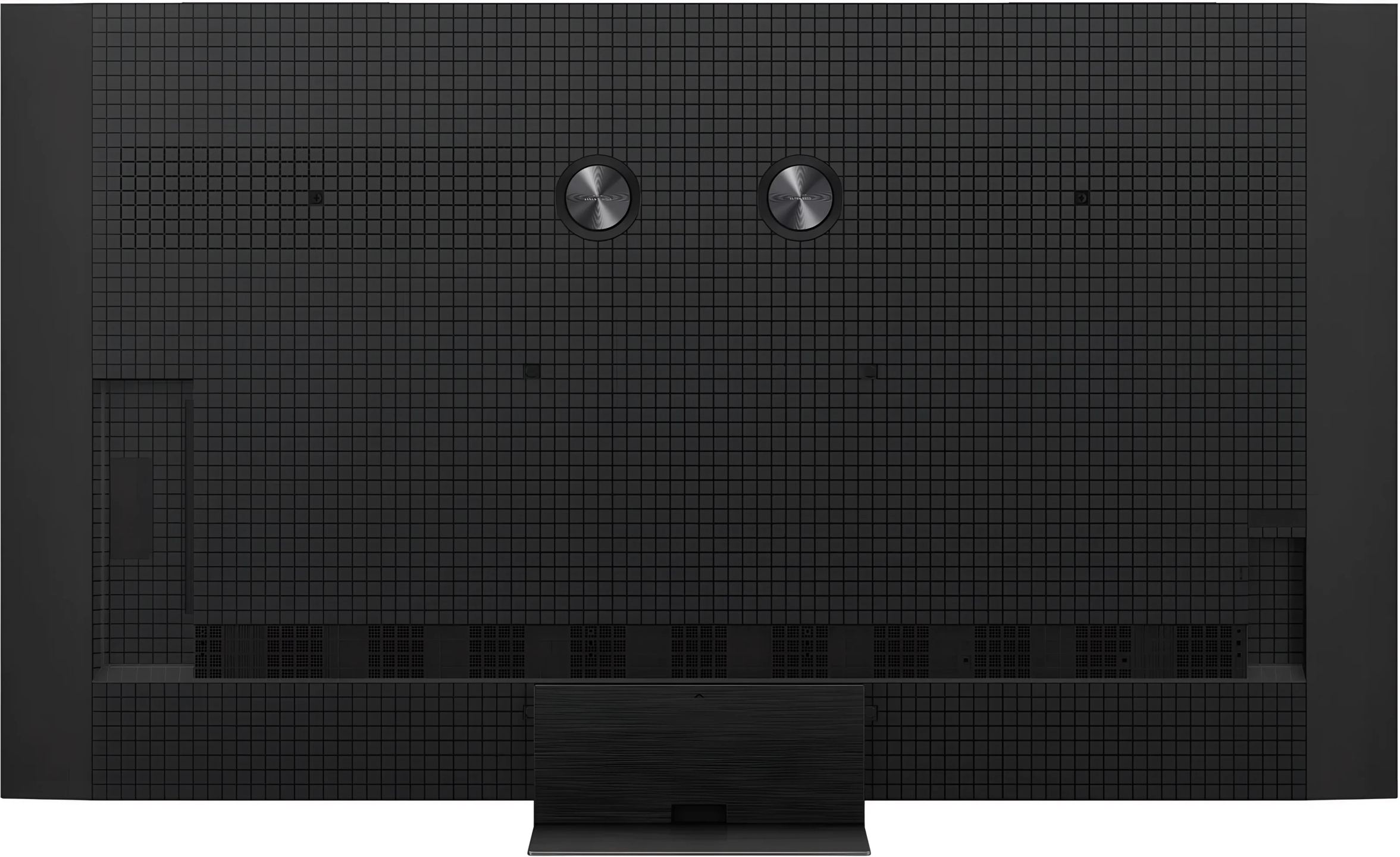
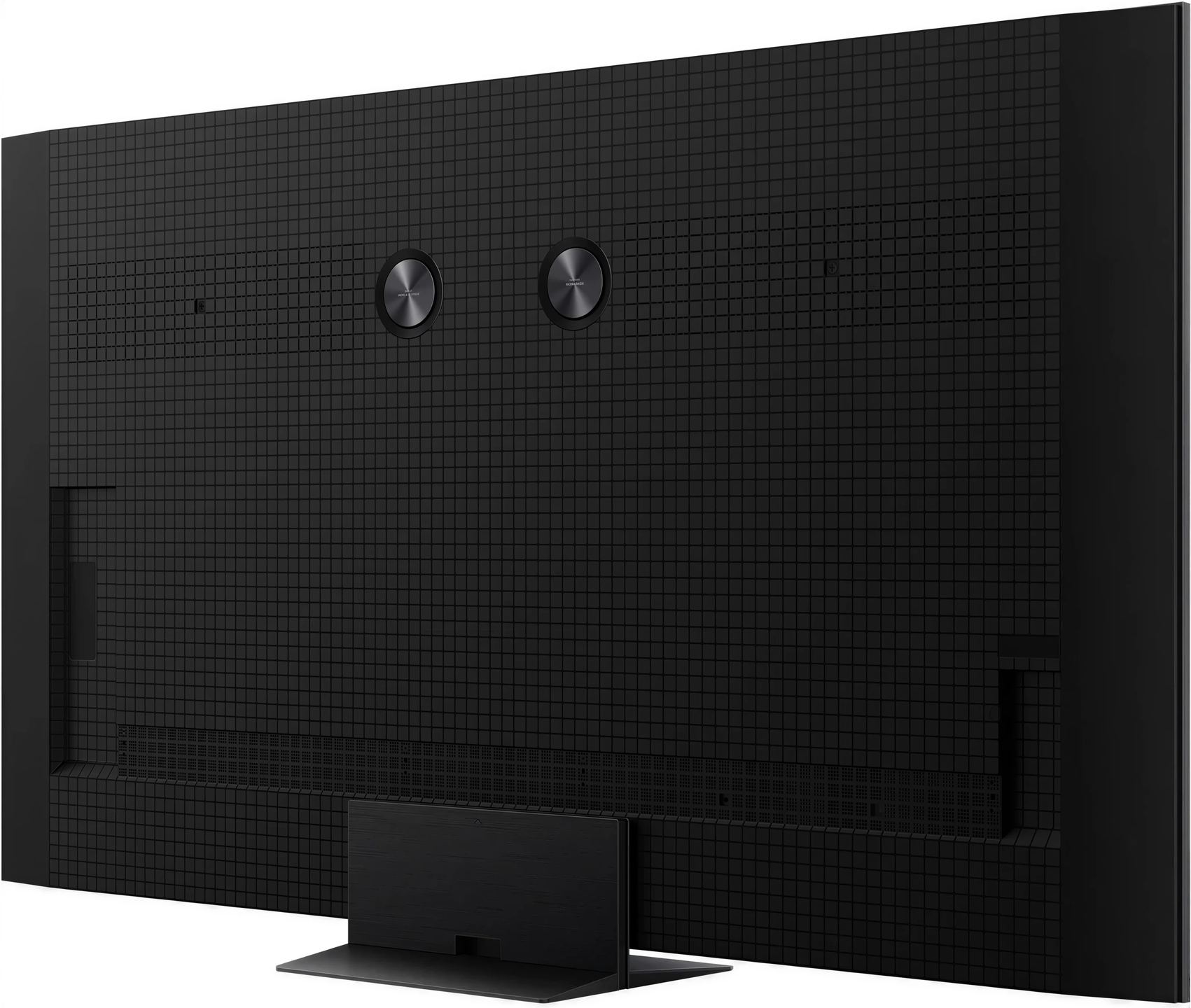
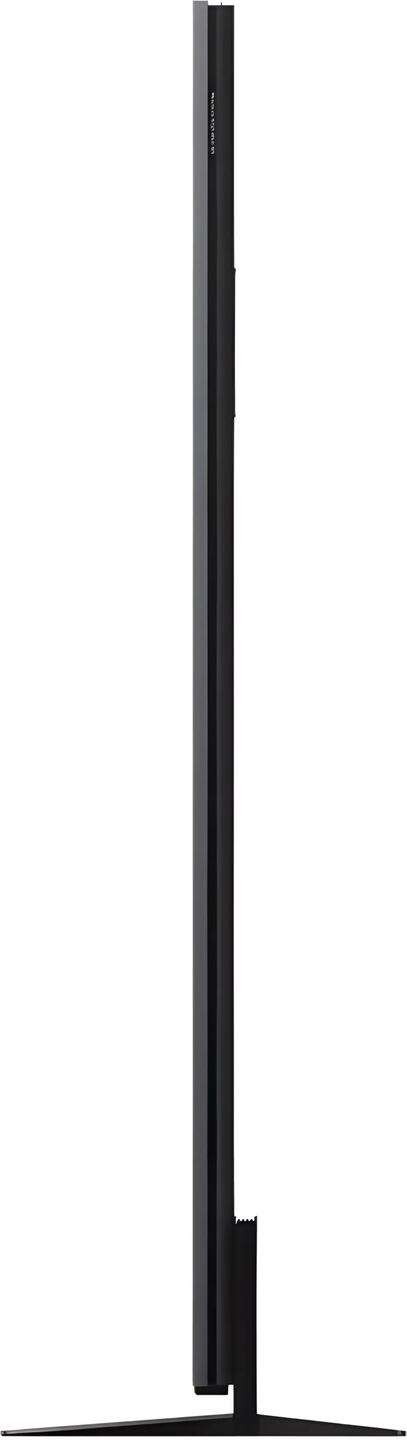
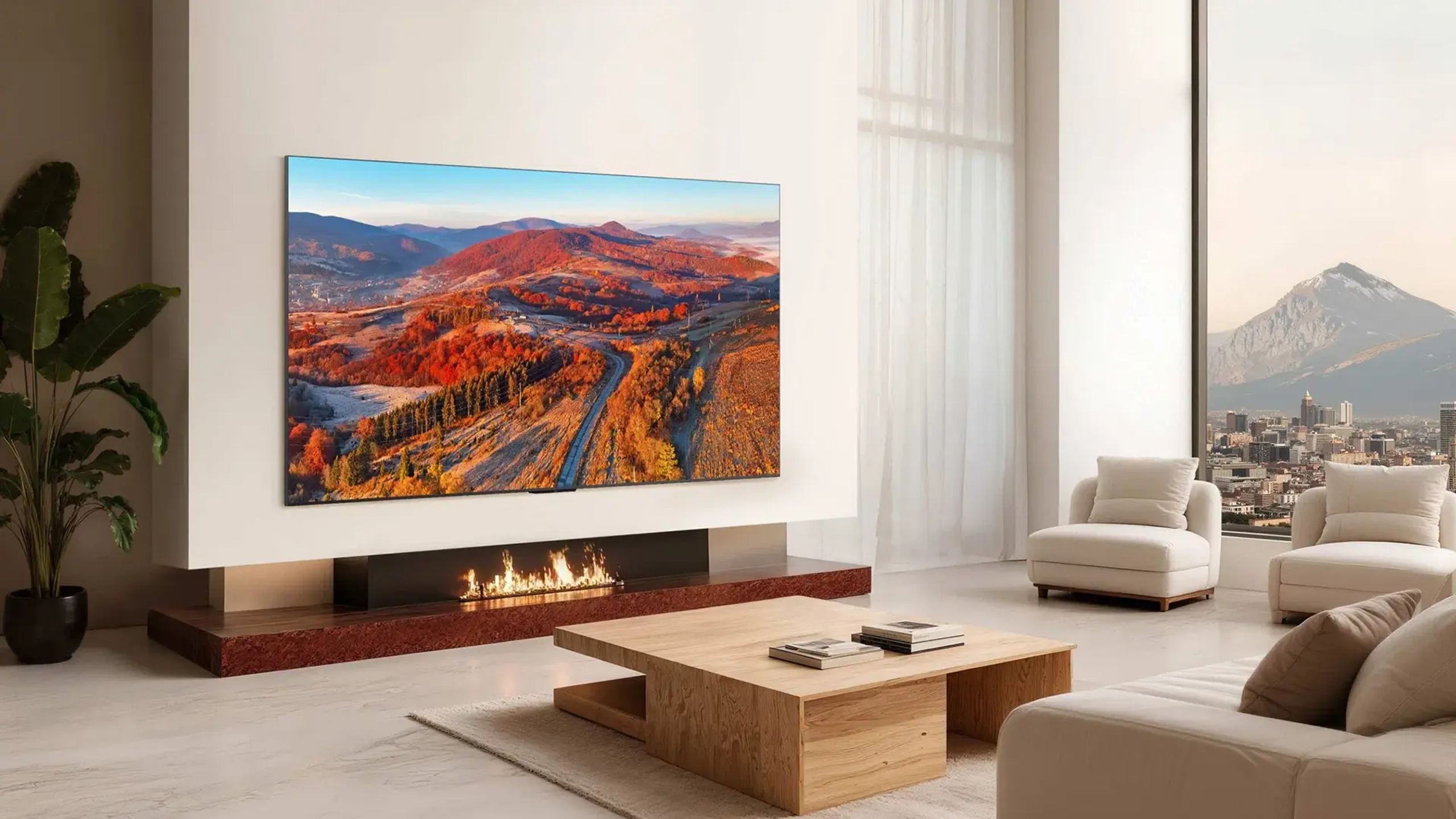
The profile remains slim for a Mini LED: 51 mm thick without the stand, and Micro-OD has a lot to do with it. TCL speaks of a “Virtually ZeroBorder” screen: the panel occupies almost the entire front face, surrounded by a thin metal frame that stiffens the whole assembly. Set on its stand, the device measures 1,658 mm wide by 1,016 mm high and weighs 30.4 kg; without the stand, it drops to 28.4 kg and mounts on the wall via a 400 × 400 mm VESA standard.
As for power consumption, the TV requires up to 440 W at its brightest peaks, a value that quickly drops in normal use, and 0.5 W in standby. A 189 cm diagonal requires a piece of furniture or a clear section of wall, with enough viewing distance to enjoy it.
Documentation
FrenchEnergy label
European product sheet
FrenchDurability index
French
Technical specifications
Display
- Screen size: 75” (189 cm)
- Resolution: 4K Ultra HD (3840 × 2160 pixels)
- Display technology: Mini LED 4K Mini SQD
- Panel type: QD-Mini LED
- Refresh rate
- Native: 144 Hz
- Maximum: 288 Hz (DLG)
- Peak brightness: up to 5500 nits
- Contrast: up to 5500:1
- Local Dimming
- Viewing angle: 178° (horizontal / vertical)
- Color gamut coverage: up to 100% BT.2020
- Color depth: 10-bit (8-bit + FRC)
- Anti-glare filter
Video processing
- Processor: AiPQ Pro (A73 x4)
- MEMC: 120 Hz
- Picture modes: Standard, Dynamic, Sports, Cinema, Filmmaker, Game, PC, IMAX
- HDR compatibility
- HDR10
- HDR10+
- HLG
- Dolby Vision IQ
- Dolby Vision Gaming
- IMAX Enhanced
- Filmmaker Mode
Audio
- Audio system: Bang & Olufsen
- Configuration: 2.1 channels
- Audio power: 60 W
- Supported audio formats: Dolby Atmos, DTS:X
Smart TV and connected features
- Operating system: Google TV
- Google Assistant built-in
- Hands-free voice control
- Chromecast built-in
- AirPlay 2
- HbbTV
- Electronic Program Guide (EPG)
Wireless connectivity
- Wi-Fi 6
- Bluetooth 5.4
Multimedia
- Audio playback: MP3, MKV, WMA, AVI
- Photo playback: JPEG, PNG, BMP, HEIF
- Video playback: H.264, H.265, MPEG-1 / 2 / 4, WMV, VC-1, VP8, VP9, AV1
- USB playback: up to 4K at 60 Hz
General specifications
- Platform: MT9655
- Memory (RAM): 3 GB
- Internal storage: 64 GB
- Power supply: 220-240 V / 50-60 Hz
- Power consumption
- Maximum: 440 W
- Standby: 0.5 W
Dimensions and weight
- Dimensions with stand (W × H × D): 1658 × 1016 × 368 mm
- Dimensions without stand (W × H × D): 1658 × 949 × 51 mm
- Weight with stand: 30.4 kg
- Weight without stand: 28.4 kg
Wall mounting
- VESA compatible: 400 × 400 mm
Frequently Asked Questions
Is Mini LED backlighting at risk of permanent burn-in like some OLED panels?
No, that’s one of the strengths of this technology. Mini LED illuminates an LCD panel, without self-emissive pixels that could suffer burn-in after prolonged static display (channel logos, game bars, interfaces). For a television left on for long hours with fixed content, this point carries weight in the choice.
How much viewing distance should you allow in front of a 75-inch screen?
For 4K, a viewing distance of about 2.5 to 3.5 m offers a good balance between comfort and level of detail. Closer than that, the eye benefits from the resolution but takes in the whole image less well; farther away, the advantage of 4K over Full HD diminishes. The room layout and seating position often take precedence over the theoretical rule.
What is the difference between the native 144 Hz and the advertised 288 Hz?
The 144 Hz are real: the panel refreshes the image 144 times per second without any trickery. The 288 Hz rely on Dual Line Gate technology, which doubles the frequency at the cost of reduced resolution. The first figure matters for 4K gaming, the second for use cases where smoothness takes priority over sharpness.
Which HDMI cable do you need to enjoy 4K at 144 Hz?
A certified “Ultra High Speed” HDMI 2.1 cable, capable of sustaining 48 Gbit/s bandwidth. Older HDMI 2.0 cables reach their limit and restrict the refresh rate or resolution. All four HDMI inputs on the 75C8L are HDMI 2.1, so no port is at a disadvantage for gaming.
Does the TV remain easy to read in a very sunny room?
This is one of its strong points. The brightness headroom and anti-glare filter limit the veiling effect caused by a window or a ceiling light. No panel can completely eliminate direct reflections from the sun, but the 75C8L keeps the image readable where less bright models fall short.
- Eco-contribution of €12.66 included in the sale price.
- Spare parts available for 7 years
- GTIN / EAN: 5901292529895