

Which Subwoofer for Which Use?
April 23, 2020
Contents
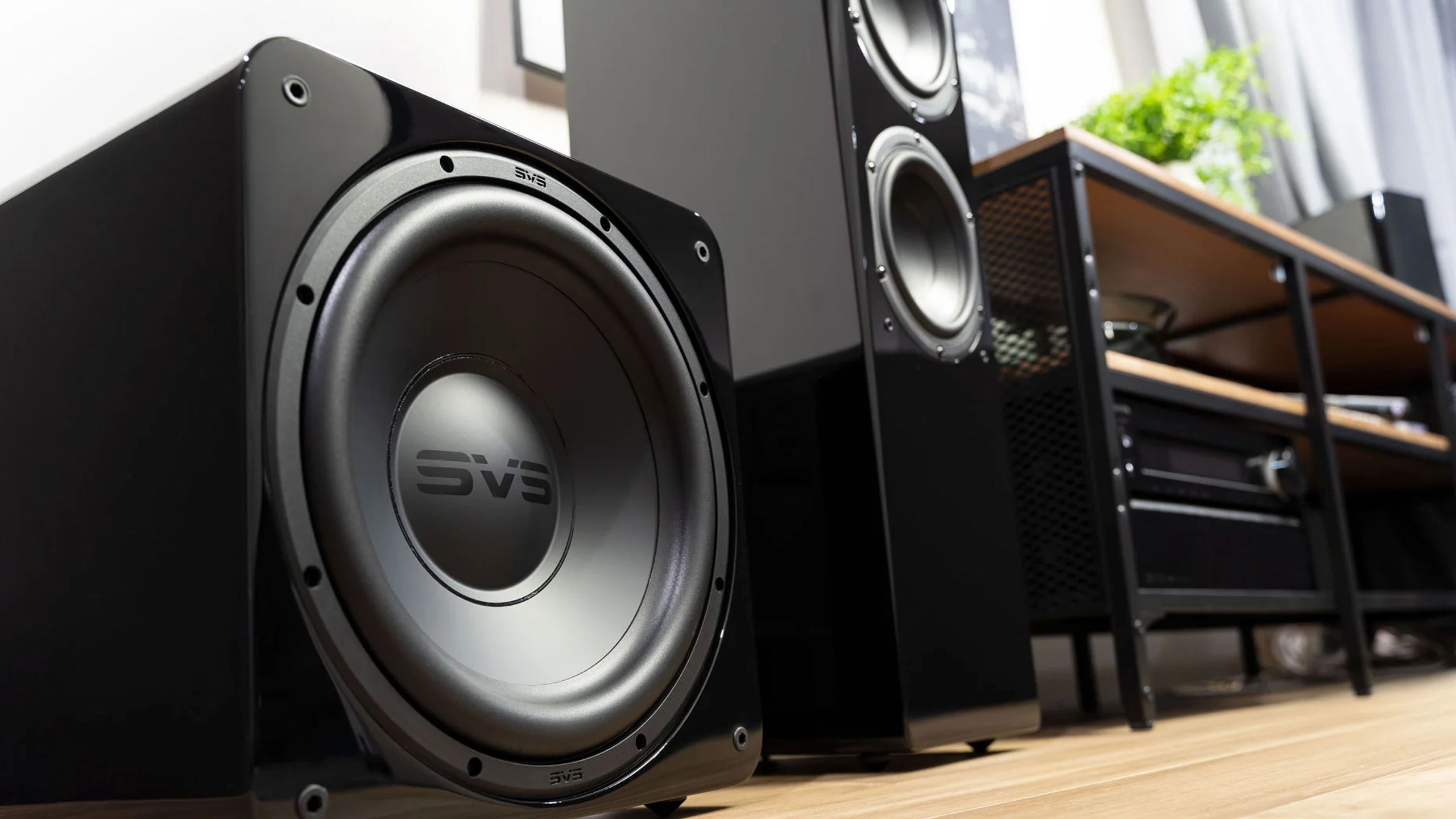
We have chosen to tell you about an essential component of a Home Cinema, hi-fi or audio system: the subwoofer, also called a sub. There are several types of subwoofers, each with a specific role depending on the intended use. If you mainly listen to music, you will not have the same needs as a film enthusiast seeking total sound immersion. Likewise, the size of your room and the configuration of your audio system can influence your choice.
There are two main families of subwoofers: active models, which are equipped with a built-in amplifier, and passive models, which require an external amplifier. Active subwoofers come in two main types: sealed subwoofers and bass-reflex subwoofers, each with its own advantages and disadvantages.
As for sealed subwoofers, they offer a more precise frequency response and higher efficiency than bass-reflex subwoofers, but they are often less powerful. Bass-reflex subwoofers, on the other hand, have a wider frequency response and a better ability to produce deep bass.
“Bass-reflex” subwoofers
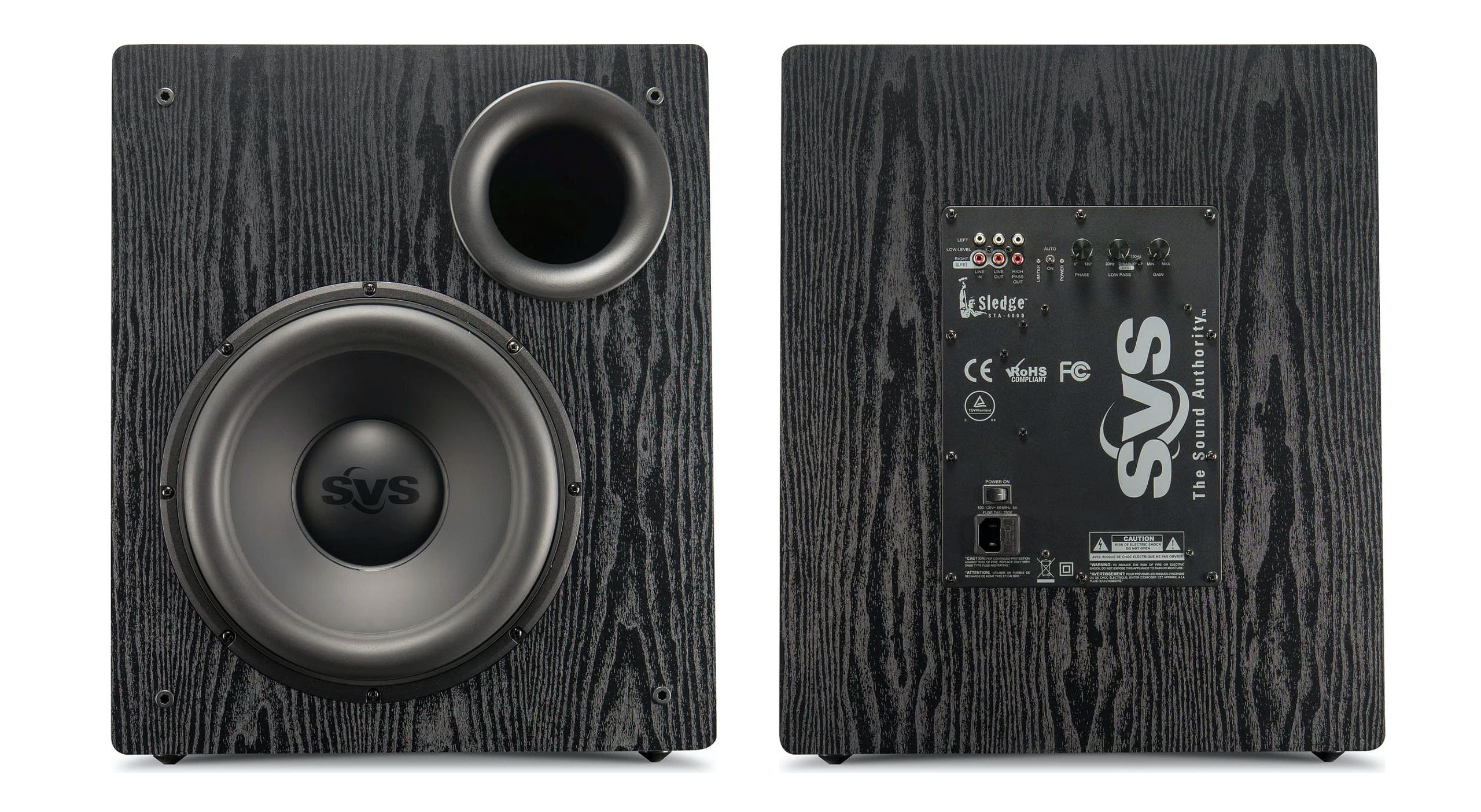
Bass-reflex subwoofers are a popular choice for Hi-Fi and home cinema enthusiasts. These subwoofers are equipped with a speaker as well as a port, called a resonator, which is sized according to the internal volume of the enclosure. Although their installation can be complex, they offer many advantages in terms of efficiency and sound quality.
Bass-reflex subwoofers are capable of producing deeper low frequencies than other types of subwoofers, thanks to the use of the port, which increases the acoustic pressure inside the enclosure. This results in more dynamic sound and more striking impact, which is especially appreciated when watching home cinema films.
Although they can be more difficult to tune than sealed subwoofers, Bass-reflex subwoofers offer exceptional audio performance and total immersion in the sound experience. If you are looking to improve the sound quality of your home cinema system, Bass-reflex subwoofers are therefore a choice worth seriously considering.
Sealed subwoofers
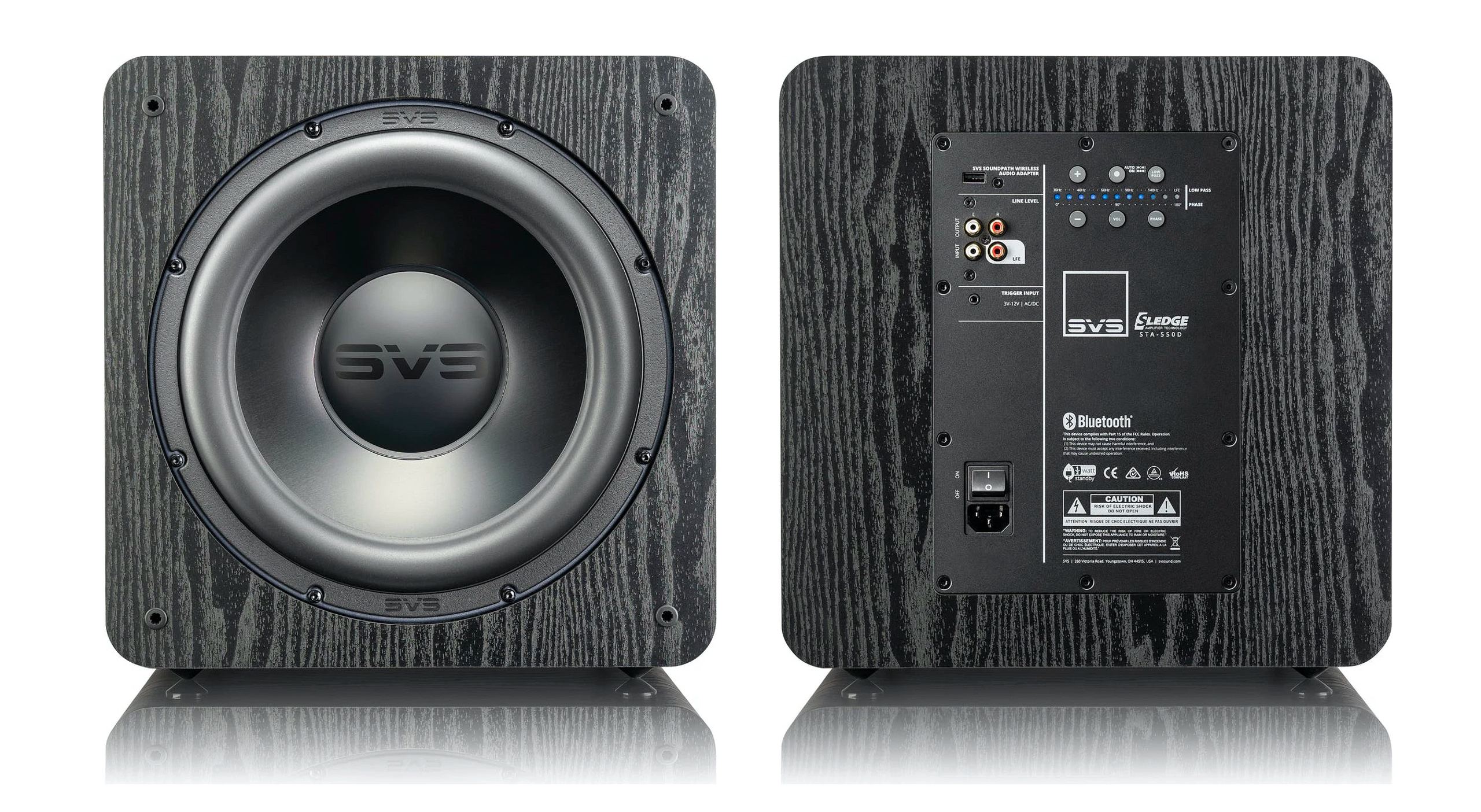
Sealed subwoofers are a popular alternative to Bass-reflex subwoofers for music lovers. Although they cannot reproduce low frequencies as deeply as Bass-reflex subwoofers, they have other advantages that make them more versatile.
Sealed subwoofers are relatively easy to use and deliver very fast, dynamic bass. Indeed, sealed subwoofers have tight bass and increased dynamic precision, which can make them more suitable for hi-fi.
Sealed subwoofers can also be easier to integrate into a room due to their size and design. They are also less sensitive to acoustic interference than Bass-reflex subwoofers, making them generally more suitable for small rooms or installations where sound precision is crucial.
Hybrid subwoofers, active + passive speakers
Passive radiator subwoofers are a variation of Bass-Reflex subwoofers. Instead of using a port as a resonator, they use a passive speaker that vibrates in response to the internal air pressure generated by the active speaker.
The passive speaker is not powered, but it helps improve the subwoofer’s frequency response by allowing greater air movement. This can improve overall sound quality by reducing distortion and enabling a deeper, more precise low-frequency response.
Although passive radiator subwoofers can offer sound advantages over traditional Bass-Reflex subwoofers, their design can be more complex and their cost may be higher. However, for audiophiles concerned with sound quality, these subwoofers can offer a high-performance solution for their audio system.
Amplification and settings
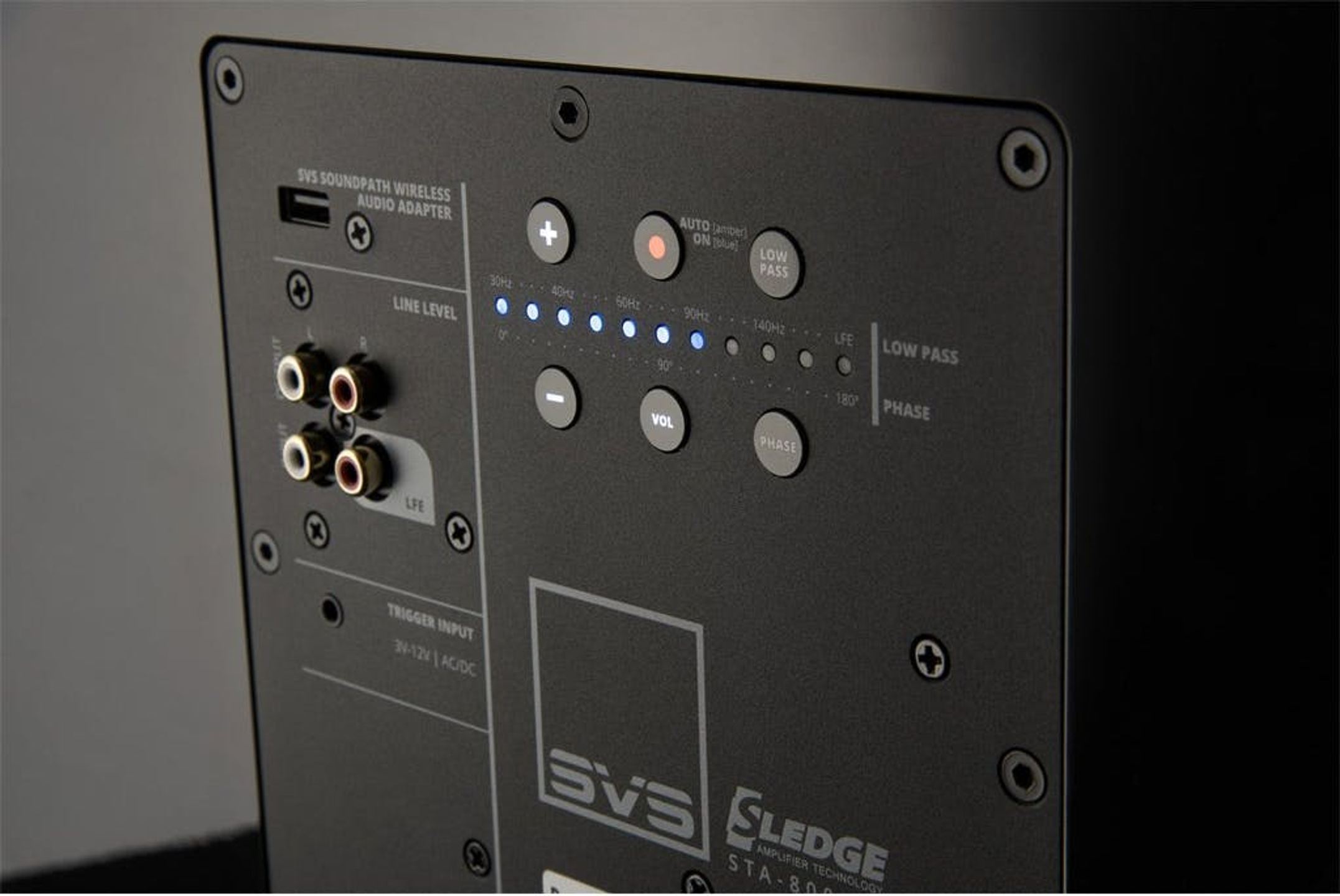
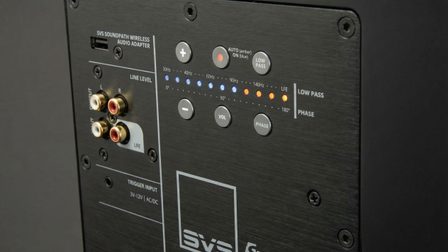
Each active subwoofer is equipped with an electronic module that powers the speaker and allows its operating range to be adjusted. There are several parameters to consider when setting up subwoofers. The main ones are:
- Volume level: This is the output level of the subwoofer. It must be adjusted according to the overall sound level of the system and the room in which it is used.
- Crossover frequency: This is the frequency at which the main speakers stop reproducing low frequencies and the subwoofer takes over. This frequency must be set according to the characteristics of the main speakers and the subwoofer.
- Phase adjustment: This is the phase shift between the audio signal sent to the main speakers and the one sent to the subwoofer. This setting must be adjusted to avoid any sound coherence issues between the speakers and the subwoofer.
- Gain adjustment: This is the level of boost applied to the audio signal sent to the subwoofer. This setting must be adjusted according to the overall volume level of the system and the room in which it is used.
However, some high-end models offer a more advanced solution for fine-tuning the subwoofer. These models can be controlled via a dedicated smartphone app, providing a more user-friendly and intuitive experience. In addition, these applications may include advanced features such as room acoustic calibration using technologies such as Dirac or Arc.
By fine-tuning your subwoofer with these tools, you can optimise the performance of your audio system for more precise and balanced sound. This can help improve the overall listening experience and allow you to fully enjoy your favourite music, films and games.
The wattage of a subwoofer is also an important factor to consider when purchasing a home cinema system.
In simple terms, a subwoofer’s watts measure the power of the subwoofer amplifier, which powers the speaker to produce sound. The higher the power, the more capable the subwoofer will be of producing low frequencies.
However, it is important to note that wattage should not be considered in isolation. The efficiency and sensitivity of the subwoofer speaker, as well as the build quality of the enclosure, have a major impact on overall sound quality.
It is therefore important to consider watts in combination with other characteristics, such as frequency response, sensitivity and total harmonic distortion (THD), to choose the subwoofer that best suits your needs.
Placing the subwoofer in a room (one or more)
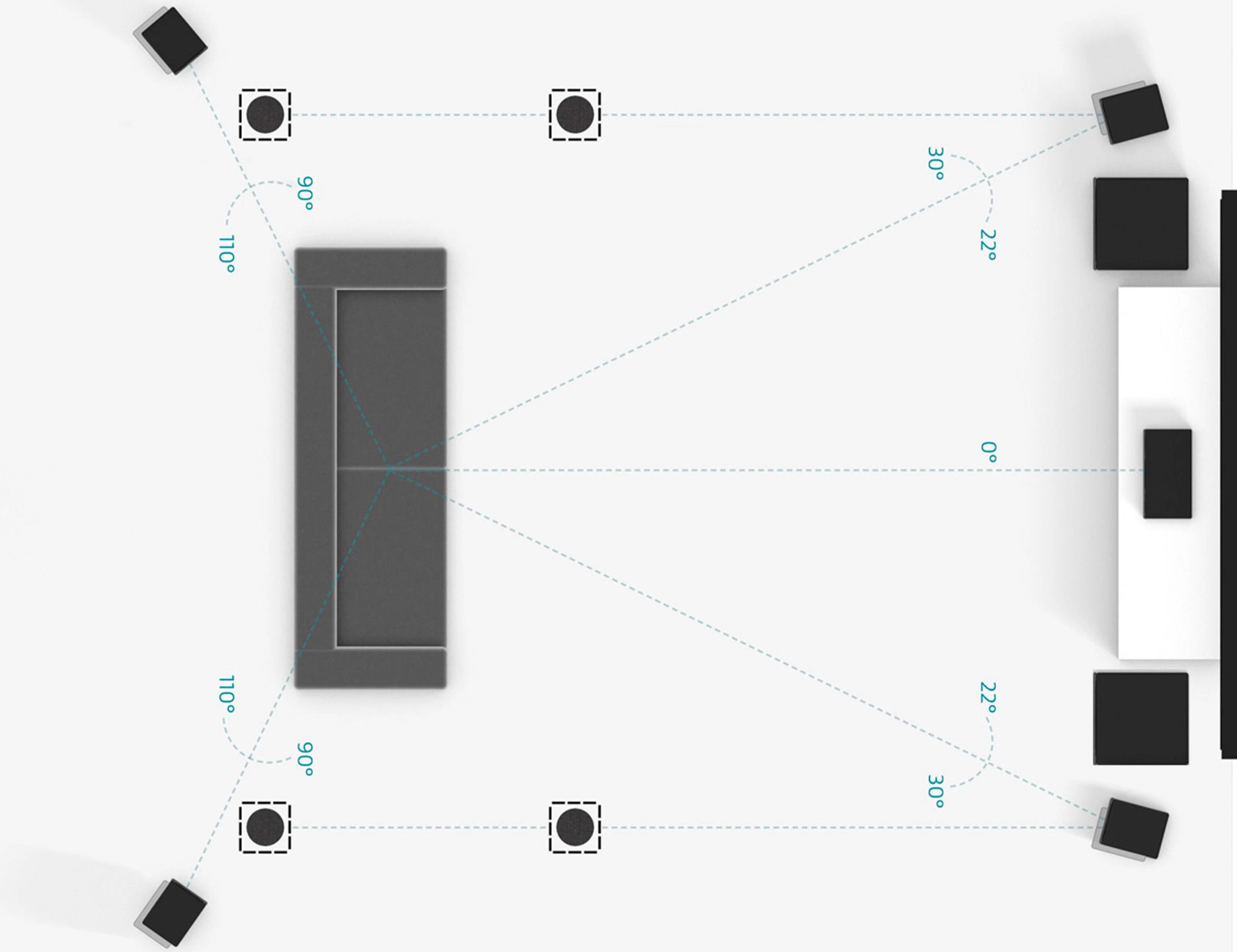
When installing your subwoofer, the positioning of your sub is crucial to achieving high-quality sound reproduction. We recommend placing the subwoofer at the front of the soundstage and in a corner of the room to increase its bass level thanks to the walls, which act like a horn.
However, if the subwoofer is placed too far from the walls or pressed against a wall, the sub’s frequencies can randomly excite the resonances of the listening room, resulting in a non-linear frequency response, a lack of depth, a “barrel sound” effect, poorly controlled or weak bass, as well as difficulty—or even an inability—to blend it with the other home cinema speakers being used.
To avoid these problems, it is important to find the best location for your sub in order to achieve balanced, high-quality sound reproduction. We are here to help you find the ideal location for your subwoofer, taking into account the characteristics of your room and the specifications of your audio system.
Speaker diameter according to room size
Selecting the right speaker is a crucial step for any music or home cinema enthusiast. Indeed, speaker size has a direct impact on the quality of the sound produced and the ability to fill the room with sound. It is therefore essential to take into account the size of the room as well as the associated speakers in order to make the most suitable choice.
When choosing a speaker, diameter is one of the most important factors to consider. The larger the speaker diameter, the more effectively it will be able to fill a large room with sound. This means that a 20 cm speaker may not be optimal for a large room with large floorstanding speakers.
It is also important to ensure that the speaker’s lowest frequency is lower than that of your loudspeakers to avoid any sound imbalance. Indeed, a speaker that cannot produce sufficiently low frequencies to match the capabilities of your loudspeakers could result in sound distortion.
In short, taking the time to select the right speaker based on the size of your room and the associated speakers can make a huge difference in terms of sound quality and the overall listening experience.
There will always be some models that are exceptions
Choosing the ideal size of your subwoofer is essential for an optimal listening experience. We recommend taking the size of your room into account to make the most suitable choice.
-
For a space up to 20m2, we recommend a sub with a speaker diameter between 20 cm and 25 cm.
-
For a space up to 30m2, a sub with a speaker diameter between 25 cm and 30 cm will be more suitable.
-
For a space up to 40m2, the speaker diameter should range between 30 and 38 cm for high-quality sound reproduction.
-
Above 50m2, a 38 cm speaker is the minimum required for an optimal listening experience.
Popular products
You may also like to read
 Choosing Your Subwoofer in 2026: 6 Models at €600, €1500, and €3000Comparisons and buying guides
 How to Set Up Your Subwoofer: A Practical GuideTutorials and practical guides
 How to set a subwoofer’s crossover frequency?Tutorials and practical guides
 Best Subwoofers Under €1000: Klipsch, SVS, B&W, and FocalComparisons and buying guides
 Where to Place Your Subwoofer for Optimal Sound?Tutorials and practical guides
 Subwoofers: Do You Need Multiple for Optimal Sound?Comparisons and buying guides




